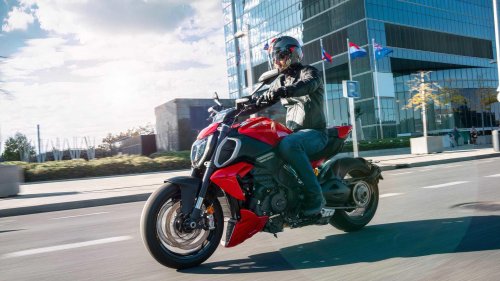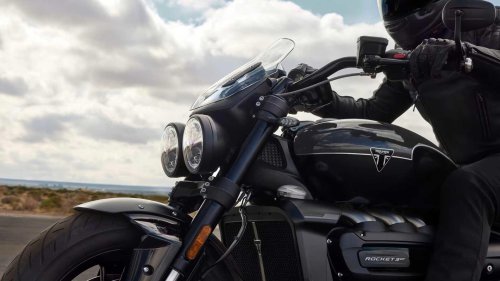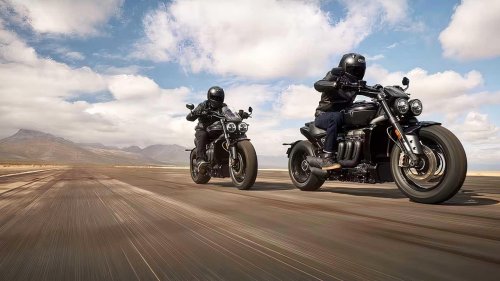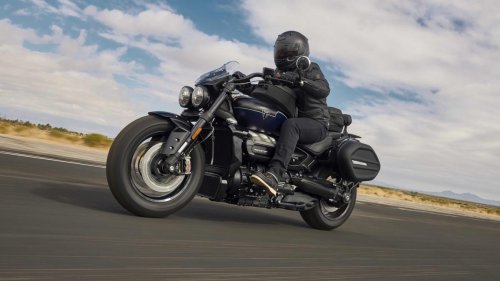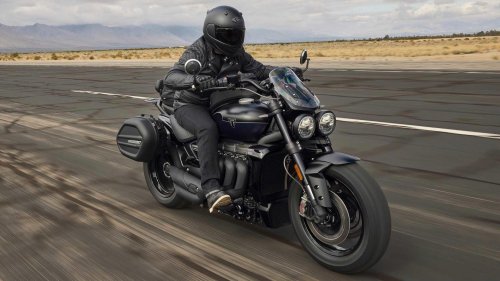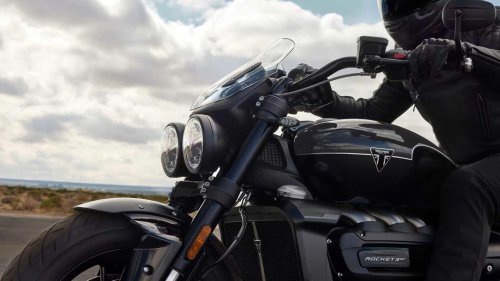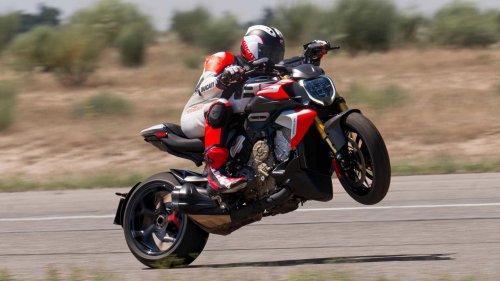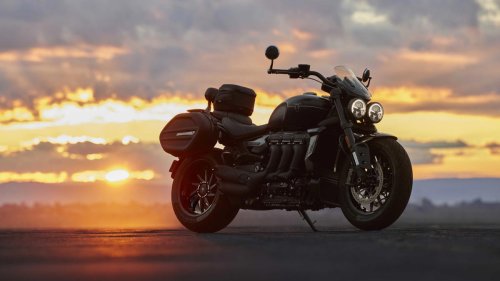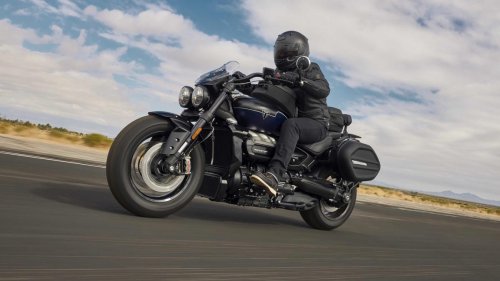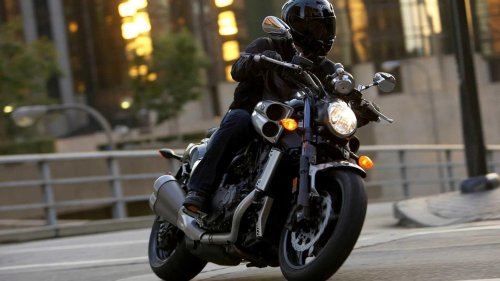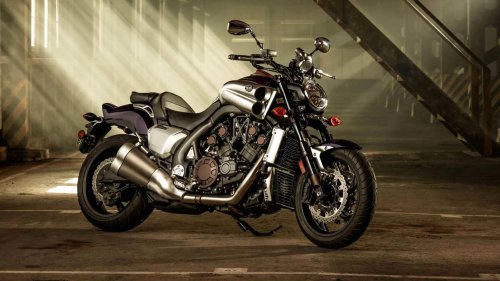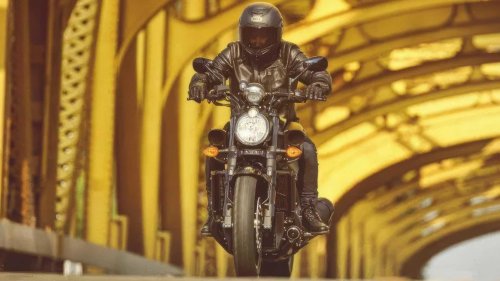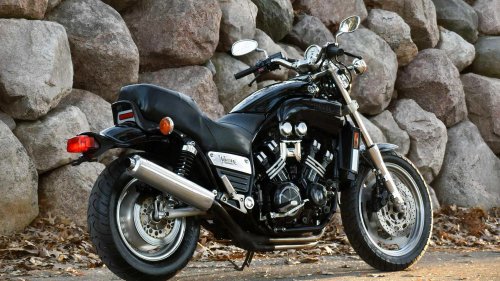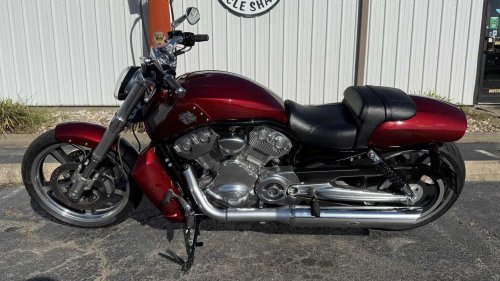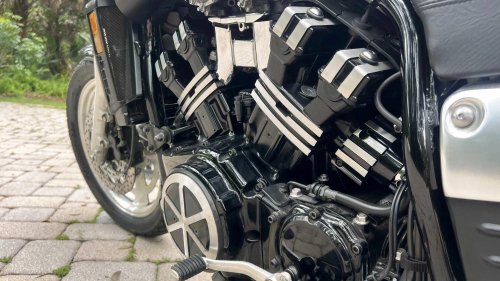
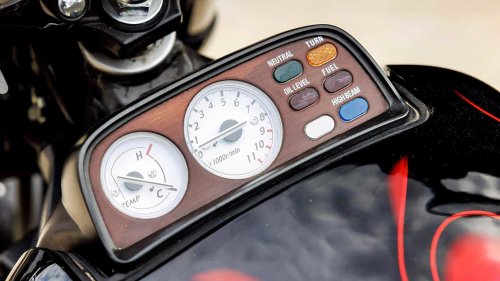
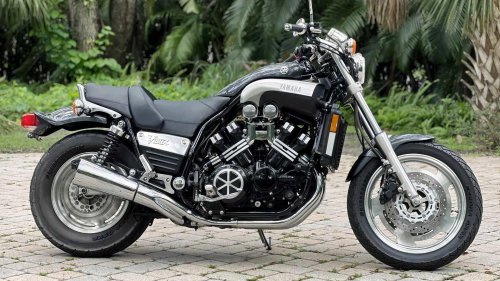
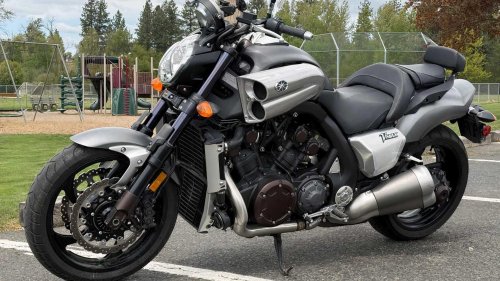
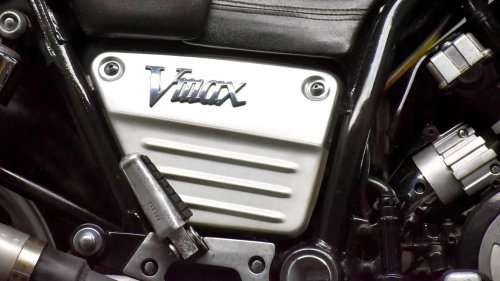















Ever since the dawn of motorcycling history, manufacturers have engaged in a constant arms race to outdo one another however they could. This led to major advancements across the board as the years went by, albeit with much faster progress in some areas than others. But it is extremely rare to see an existing segment redefined or an entirely new one being created, as reinventing the proverbial wheel is no walk in the park. And embarking on such a quest means stepping onto uncharted territory from both a technical and commercial standpoint, so it’s far easier to just focus on what already works and avoid all that hassle. Who Dares Wins, Sometimes Bring a TrailerWhy take a big risk when you can instead play it safe and keep the cash flowing with comparably small changes in your lineup? It’s a reasonable thing to ask, but one must also consider the fact that major risks can sometimes yield huge rewards for those brave enough to take them. That being said, the motorcycle world would look completely different without companies deciding to take a gamble every now and again, which brings us to the power cruiser segment now home to models like the Ducati Diavel and Triumph Rocket III. We’re not here to talk about either of them, though, as we will instead be looking at the bike that started it all back in the eighties. Change Was On The Horizon And Approaching Fast Bring a TrailerCruisers weren’t exactly associated with speed and performance up until that point, but one brand wanted to challenge that norm, and it unsurprisingly hailed from Japan. Well, there were actually two if you really want to be specific, and the first of them was Honda with the V65 Magna in 1983. Also known as the VF1100C, it had a liquid-cooled 1,098cc V4 engine capable of generating up to 116 horsepower, which would ultimately translate into a top speed of 140 mph according to period tests. As impressive as these numbers may be for a cruiser, the Magna didn’t fully commit to redefining people’s idea of this segment altogether. Putting The Soul Of A Muscle Car Into A Motorcycle Bring a TrailerIt certainly had the soul of a power cruiser, though, so it laid the groundwork for what was to come from Yamaha two years later. In 1985, the muscle bike genre welcomed its first major constituent with the arrival of the mighty VMAX, a machine defined by excess and mind-blowing performance. It was unlike anything the cruiser segment had seen before, inspired by drag racing, taken to the extreme and demonstrating what happens when a manufacturer embraces absurdity. Essentially, the VMAX combined superbike capabilities with cruising ergonomics, prioritizing straight-line acceleration before anything else. It was developed with American buyers in mind, at first destined solely for the U.S. market but later appearing in other parts of the world.Akira Araki was put in charge of the development process, and much of his focus went toward the powertrain department. The first iteration of the VMAX came with a liquid-cooled 1,198cc V4 mill, featuring 16 valves driven by dual overhead cams and Yamaha’s proprietary V-Boost intake system. Said arrangement raises the engine’s power output by 10%, for a total of 145 ponies at 9,000 rpm and 83 lb-ft of torque lower down the rev range. Traveling to the rear wheel via a five-speed gearbox and a driveshaft, this power led to speeds of up to 146 mph upon reaching the tarmac. Additionally, the VMAX could finish the quarter-mile sprint in just 10.8 seconds and go from zero to 60 mph in approximately three ticks. First-Gen Yamaha VMAX Specifications Its wheelbase measured 62 inches, while the chunky 150/95 tire fitted at the back was the biggest one seen on a production motorcycle at the time. The chassis wasn’t terrible by any means, but it did leave a lot to be desired for a bike with that much power and a curb weight exceeding 600 lbs. Although the VMAX received some upgraded running gear in the early nineties, it essentially remained unchanged for 22 years. A devoted cult following took shape during this time, and there wasn’t much competition for Yamaha to worry about. The VMAX Becomes Even More Terrifying Bring a TrailerThe power cruiser got a complete overhaul for the model-year 2009, receiving an all-new 1,679cc powerhouse, fully-adjustable suspension and ABS, among many other major improvements. It might have carried the VMAX name, its aggressive styling and wild character, but it was practically a different bike on a mechanical level. The bigger engine could spawn 200 hp and 123 lb-ft of torque, so the updated VMAX was still an absolute monster, for sure. Its weight increased, too, though the upgraded brakes and suspension made it far more wieldy than the previous iteration. Second-Gen Yamaha VMAX Specifications A lightweight aluminum frame used the engine as a stressed member, while the bike’s rear end was now equipped with a single, centrally-mounted shock instead of twin units left and right. Six-piston brake calipers ensured ample stopping power at the front, and suspension duties in that area were now taken care of by beefy 52 mm forks wrapped in oxidized titanium coating. Kitted with all this fresh hardware, the Yamaha VMAX kept dominating traffic light drag races until it was finally killed by regulations in 2020. An Epic Journey Comes To An End Bring a TrailerGiven its massive engine and power output, it should come as no surprise that Yamaha’s power cruiser was something of a gas guzzler. Thus, the thing that made it so popular was also the deciding factor in its demise as the world marched toward a greener future, and it seems very unlikely that the Japanese manufacturer will ever bring it back. Even if the VMAX could be re-engineered to meet tightening emissions standards, there would hardly be enough demand in the muscle bike niche to justify its return from a business perspective. We must therefore accept that it’s gone for good and do our best to properly honor its legacy.It certainly won’t be forgotten anytime soon, and those of you who want to experience its insane power can still secure a great deal on one today. You’ll want to hurry, though, because the bike’s cult classic aura will only get stronger over time until many people are priced out of ever owning it. Models produced from 2009 onward will set you back around $15k, but older variants in excellent condition are frequently changing hands for less than five grand. That’s incredibly cheap for a motorcycle with this much power, so you won’t be disappointed as long as you don’t expect very much from the chassis.