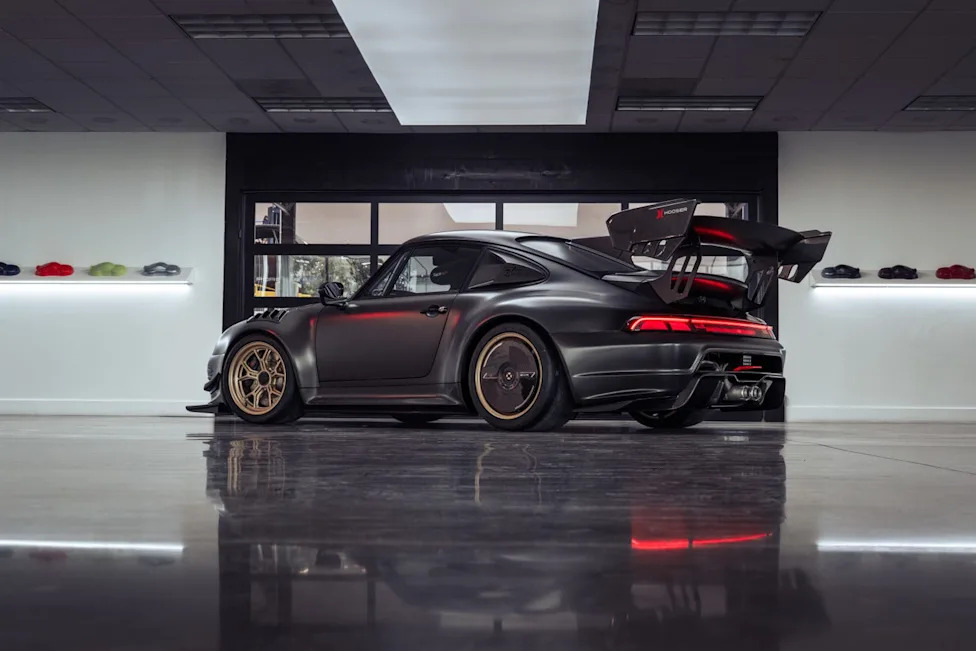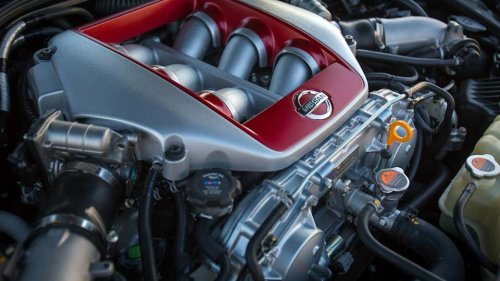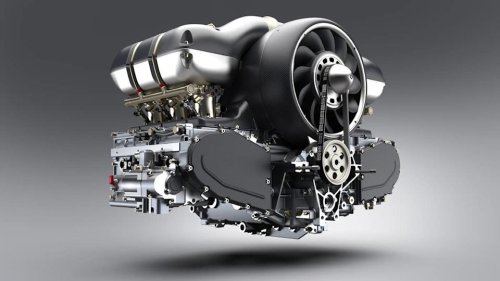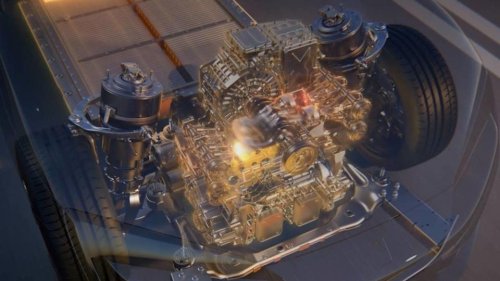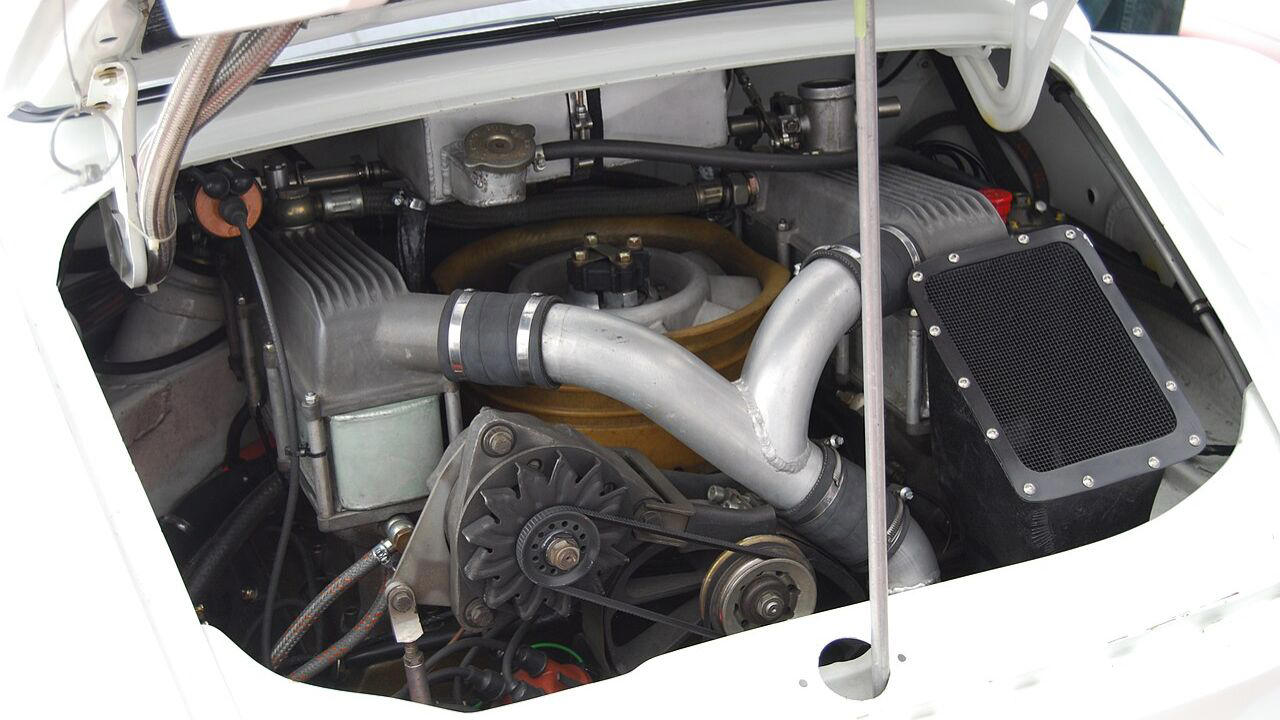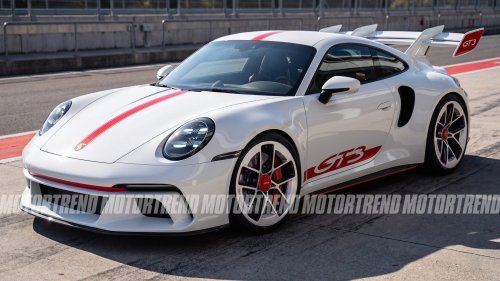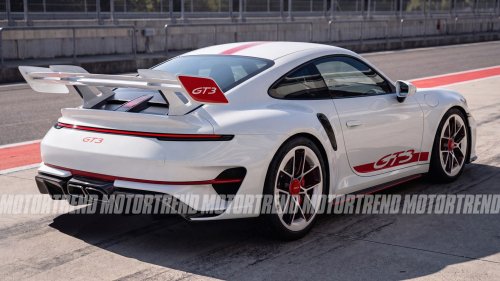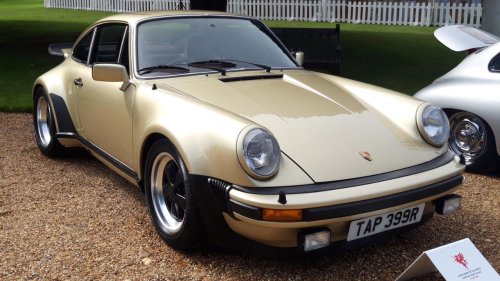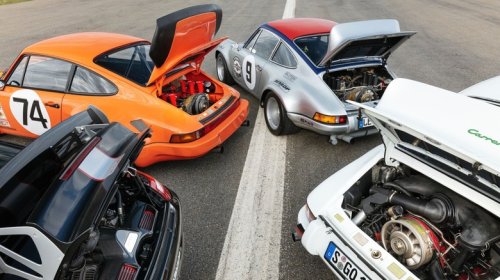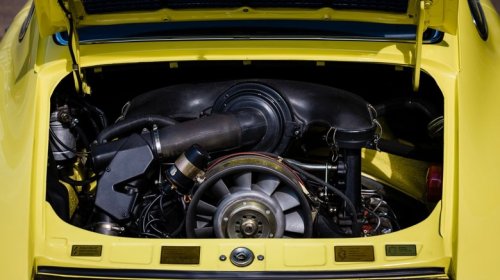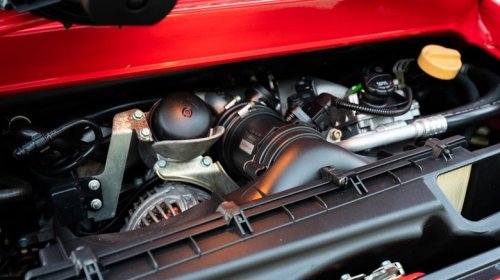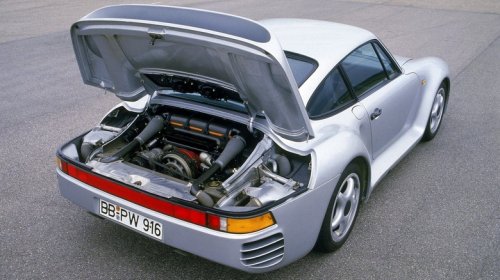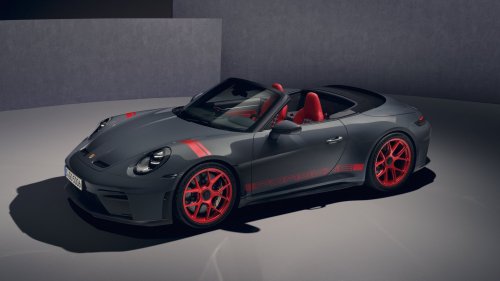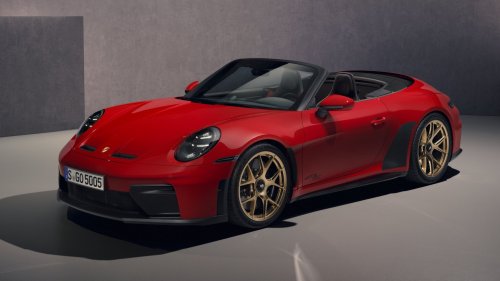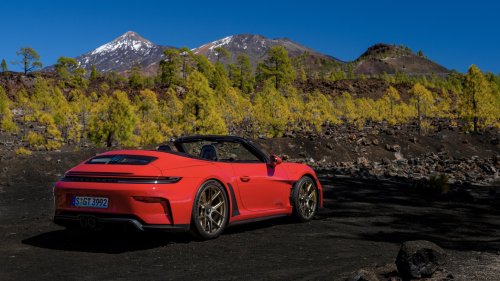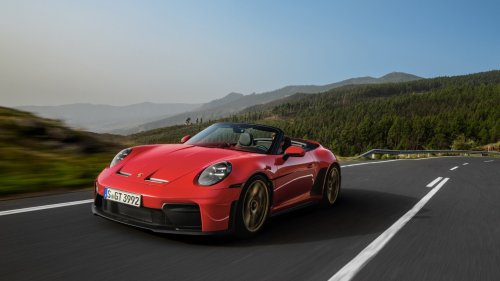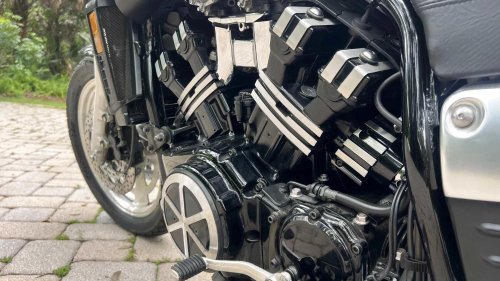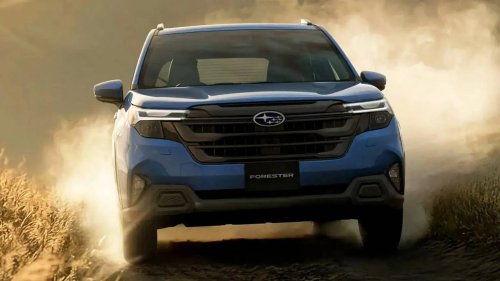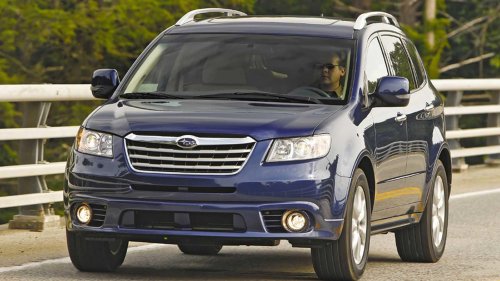
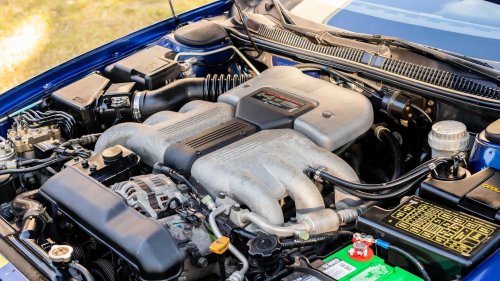
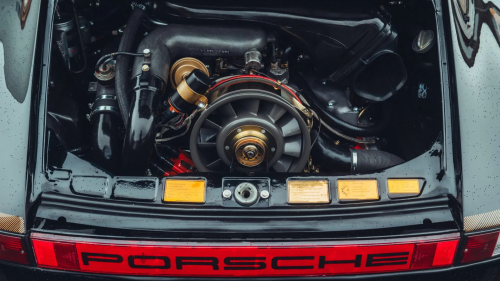
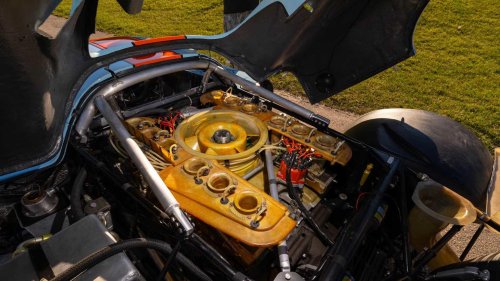
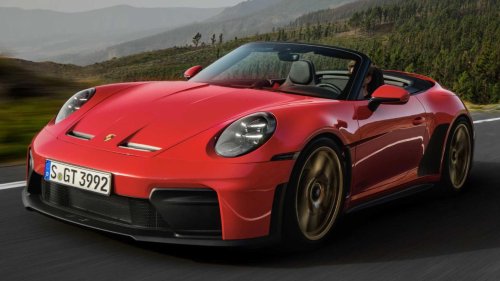



















Out of all the internal combustion engines that have existed, the boxer engine has to be one of the most distinctive. Nothing else is quite like it, and it's somehow managed to survive to the present day with its future guaranteed beyond. It's a quirky engine. But it's one that has some distinctive advantages. Some manufacturers have taken those advantages on board, and used the boxer engine to help create some absolutely iconic cars.Several of the world's top automakers have produced cars powered by boxer engines. But none have been so defined by this engine as one brand in particular. It created a flat-6 engine that turned the brand into an icon, and it's one of the only automakers that's keeping that engine layout alive. The Boxer Engine Is A Relatively Rare Layout Via: Bring a TrailerIt's very rare that you'll come across a boxer engine in a car. When you do, they're typically going to be found in sports cars or sports sedans. While these engines use internal combustion like a regular inline or V engine, the way they're laid out is very different. In a boxer engine, the cylinders are horizontally opposed instead of being in-line or in a V-shape. This means that the pistons are 'punching' inward towards each other, like two boxers in a fight (hence the name). Each bank of cylinders has its own crankshaft, and each piston has its own individual crank pin on the crankshaft. This means that the opposite cylinders do move together, but they fire completely independently. Boxer engines are all 4-stroke units, following the same 4-stroke cycle that you'd see on a regular inline engine. The Advantages And Disadvantages Of The Boxer Engine Via: Cars and BidsThe boxer layout has a surprising number of advantages. Because boxer engines are wide, flat and lightweight, they're able to sit lower in the car's chassis. That lowers the center of gravity, giving the car better handling. The pistons being horizontally opposed also reduce vibrations from the engine, due to the movements of the pistons canceling out the inertia between each other. Boxer engines have a safety advantage, too. Due to that flat shape, they can be set up to slide under the passenger cabin in the event of a head-on collision. That reduces the chance of anyone inside the car being injured.The disadvantages of the boxer engine are that its wide, flat shape means it has a wide footprint. That means it won't fit into a lot of engine bays. The horizontally opposed design also increases complexity and maintenance costs. Boxer engines need double the amount of some components (notably camshafts and cylinder heads) compared to inline engines, and the horizontal layout means they need more complex oil and cooling systems. Add in that accessing parts of the engine for maintenance is more difficult due to its layout, and that can add up to making boxer engines a servicing nightmare. The Boxer Engine's Been Used In More Than Just Cars Great Wall MotorsThe boxer engine may be most associated with sports cars and sports sedans of various kinds. But it's powered much more than just cars. The boxer engine is often found in motorbikes. It's also often used in piston-powered planes and helicopters. They're especially great in aircraft, due to their light weight and how they're more compact than inline or V engines. In some of their aeronautical applications they're even able to run on 100% sustainable fuel, making them carbon-neutral! Very Few Cars Use A Flat-Six Engine Bring A TrailerOut of the already rare boxer engine, there's an even rarer subset within that. That's the flat-6, the boxer equivalent of an inline-6 or a V6 engine. Only a few production cars have ever used the flat-6. Subaru has used it a few times, in cars such as the SVX and the Legacy Spec B. The infamous Chevrolet Corvair also had it. But the flat-6 engines used in these cars didn't become a big focus of their brands. That distinction belongs to a flat-6 developed by one of the most iconic automakers of all time. Porsche's Air-Cooled Flat-Six Defined What A True Porsche Was For Generations When it comes to the flat-6, no automaker is more synonymous with it than Porsche. Porsche absolutely loves boxer engines in general (we'll get to some of that later). But no Porsche engine has defined the brand more than the original air-cooled flat-6. This engine first appeared in the original Porsche 911 all the way back in the '60s, and it went on to be one of the prime ingredients to create the 911's unique character.Building on the experience Porsche already had with boxer engines through the 356's flat-4, the 2-liter flat-6 in the original 911 produced 128 horsepower. That power went up and up over the years as improvements were made. By the time the final air-cooled 993 generation of the 911 appeared, the regular naturally aspirated flat-6 had increased to 3.6-liters in size and now produced 268 horsepower. Porsche Also Made Turbocharged Versions Of It via Bring A TrailerThe original Porsche air-cooled flat-6 was naturally aspirated. That's how things remained for a while. But as soon as Porsche worked out how to add turbocharging to this engine, it got to putting turbocharged flat-6s in its production models. The original 911 Turbo (also known as the 930 Turbo) was the first to get the turbocharged flat-6. With the addition of the turbocharger, the already exciting 911 was turned into an absolute performance monster.Things only got crazier with that original air-cooled engine once Porsche decided it was going to develop the 959. The 959 has a twin-turbocharged version of the air-cooled flat-6 design, producing 444 horsepower in the 959 Komfort and 508 horsepower in the 959 Sport. That made it legitimately one of the fastest cars in the world, as well as being one of the most technologically advanced road cars of its day. Porsche Experimented Much More With Boxer Engines Than The Air-Cooled Flat-Six MecumPorsche may be associated with the flat-6 the most when it comes to boxer engines. But the engineers at Stuttgart experimented with more than just that layout. It built a flat-12 and a flat-16 engine for the Porsche 917 race car. The flat-12 went into most versions of the 917, while the flat-16 was an experimental engine developed for a Can-Am version of the 917. While the flat-12 engine was incredibly successful in the 917, the flat-16 engine ended up being abandoned. The Can-Am version of the 917 ended up being powered by a turbocharged version of the flat-12 instead. Porsche Still Makes Flat-Six Powered Cars Today PorscheWith the advent of electrification, you'd think that Porsche would have abandoned the boxer engine by now. But that's far from the case. While it's not even remotely the same engine as the old air-cooled unit (a water-cooled design has been used from the 996 911 onwards), Porsche will still sell you several cars with a flat-6 today. The purest illustration of that has to be the manual-only Porsche 911 GT3 S/C, powered by a 4-liter naturally aspirated flat-6. Of course, the other variants of the current-generation 911 use a flat-6, typically in turbocharged format. The Porsche 718 Boxster and Cayman also use the 4-liter flat-6, in the GTS 4.0 variant.Sources: Porsche