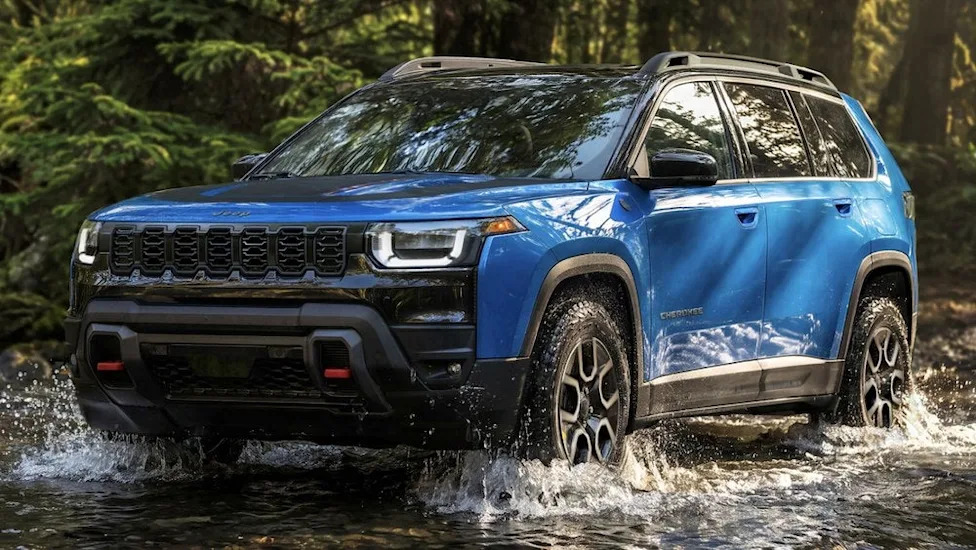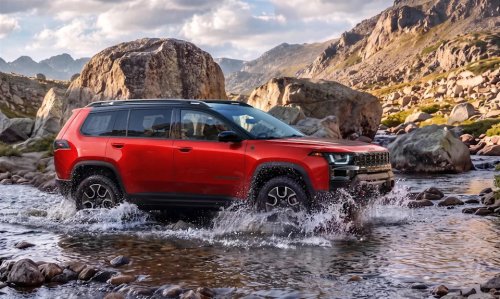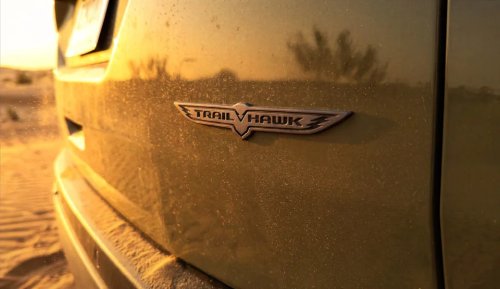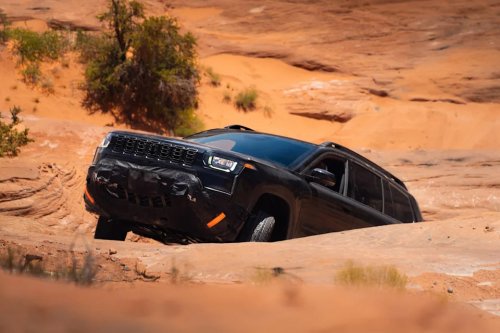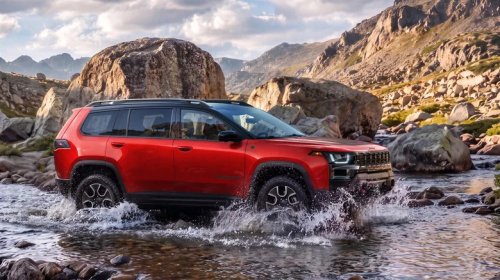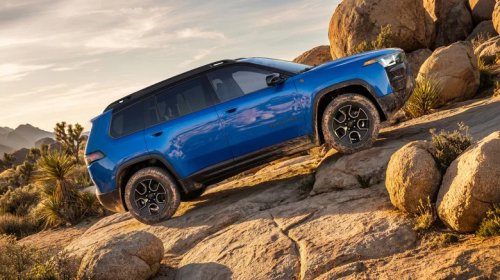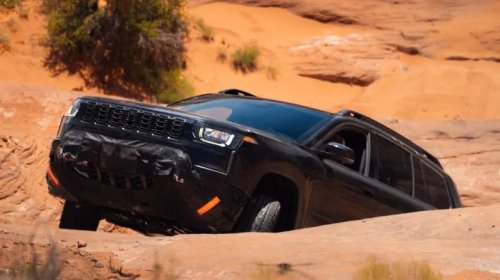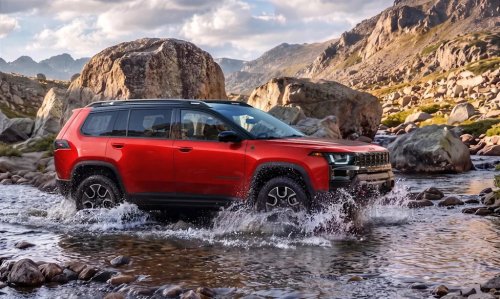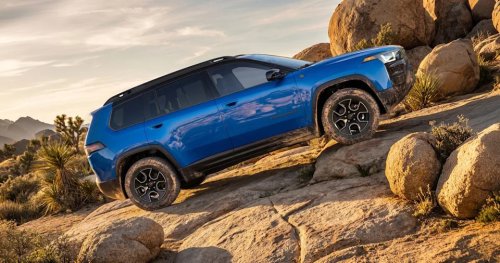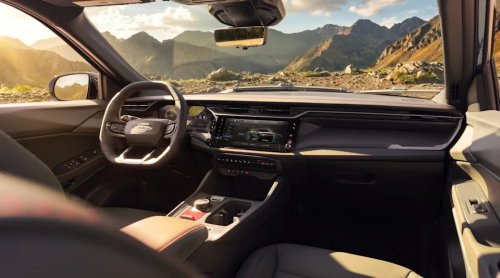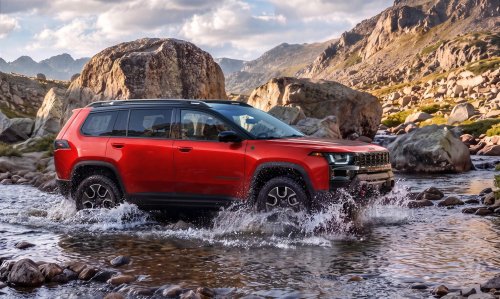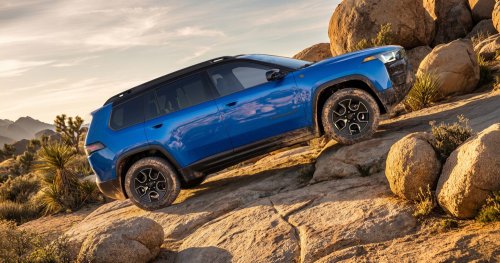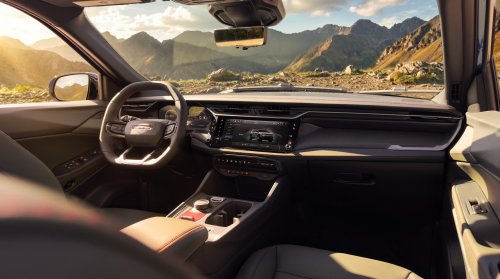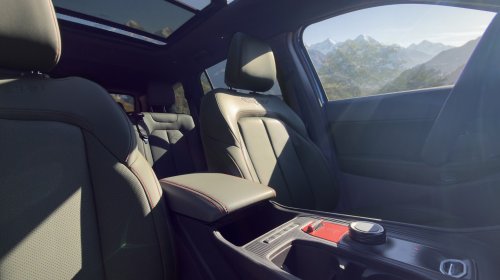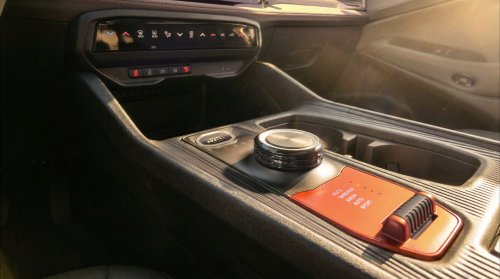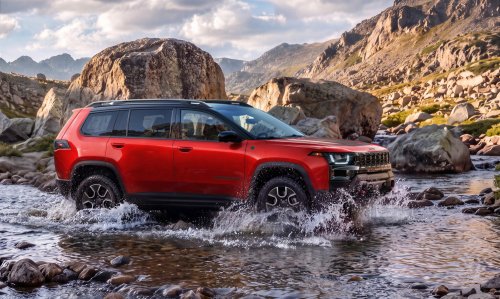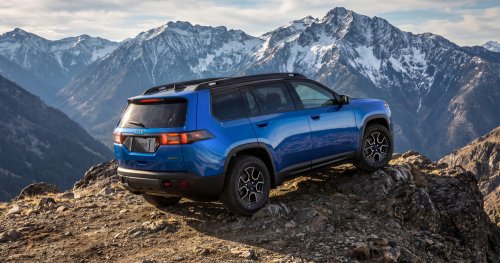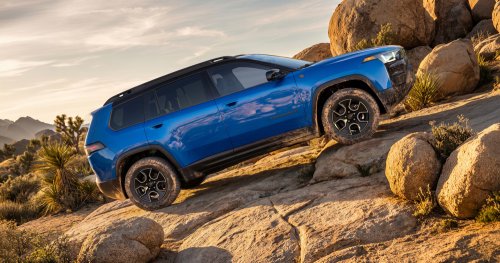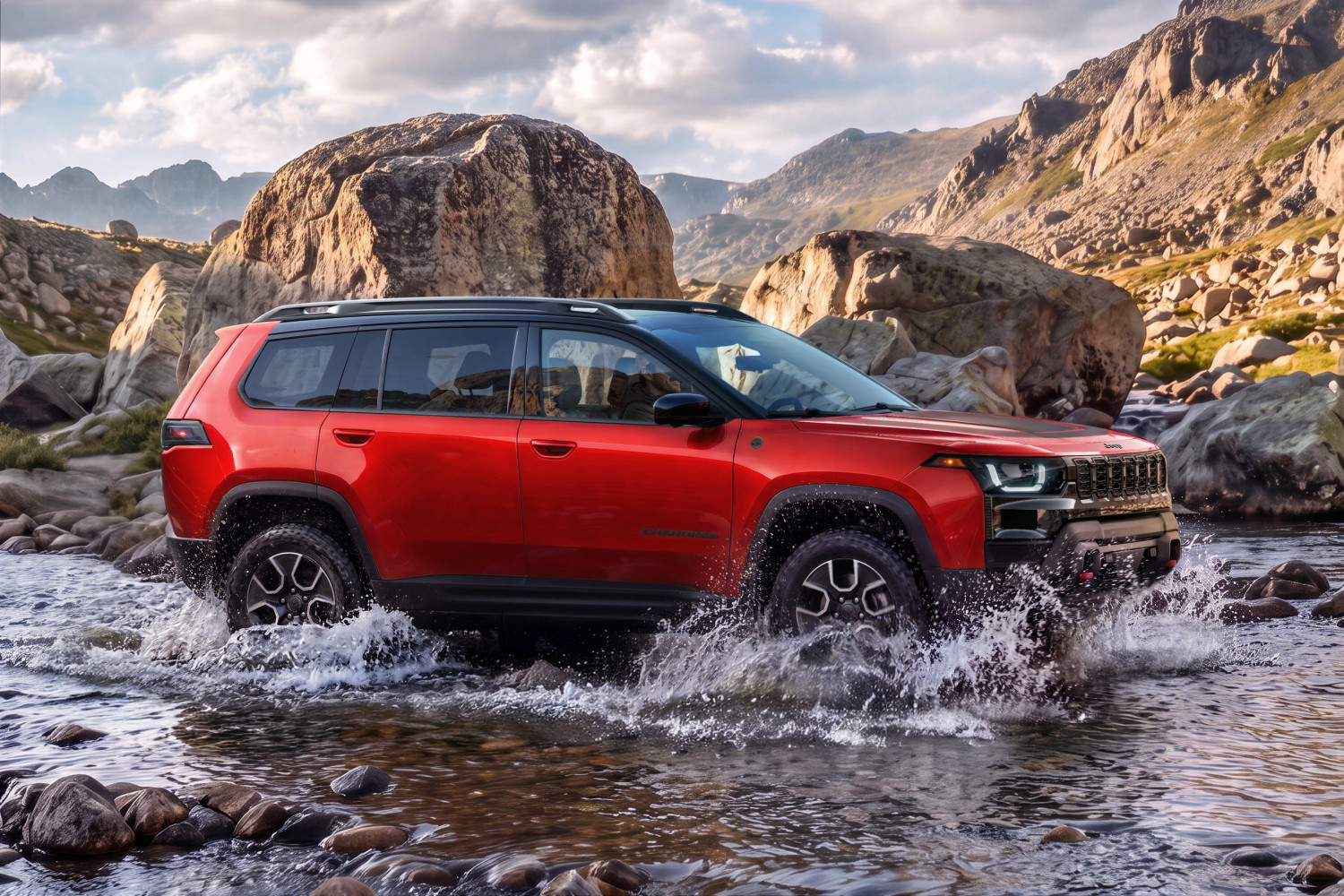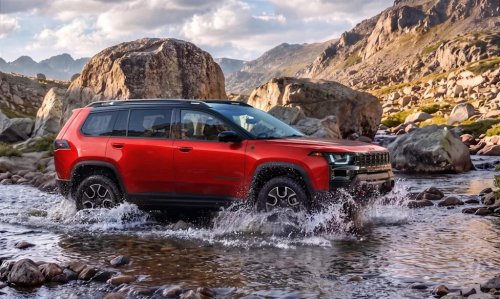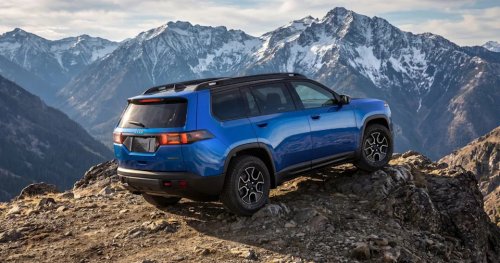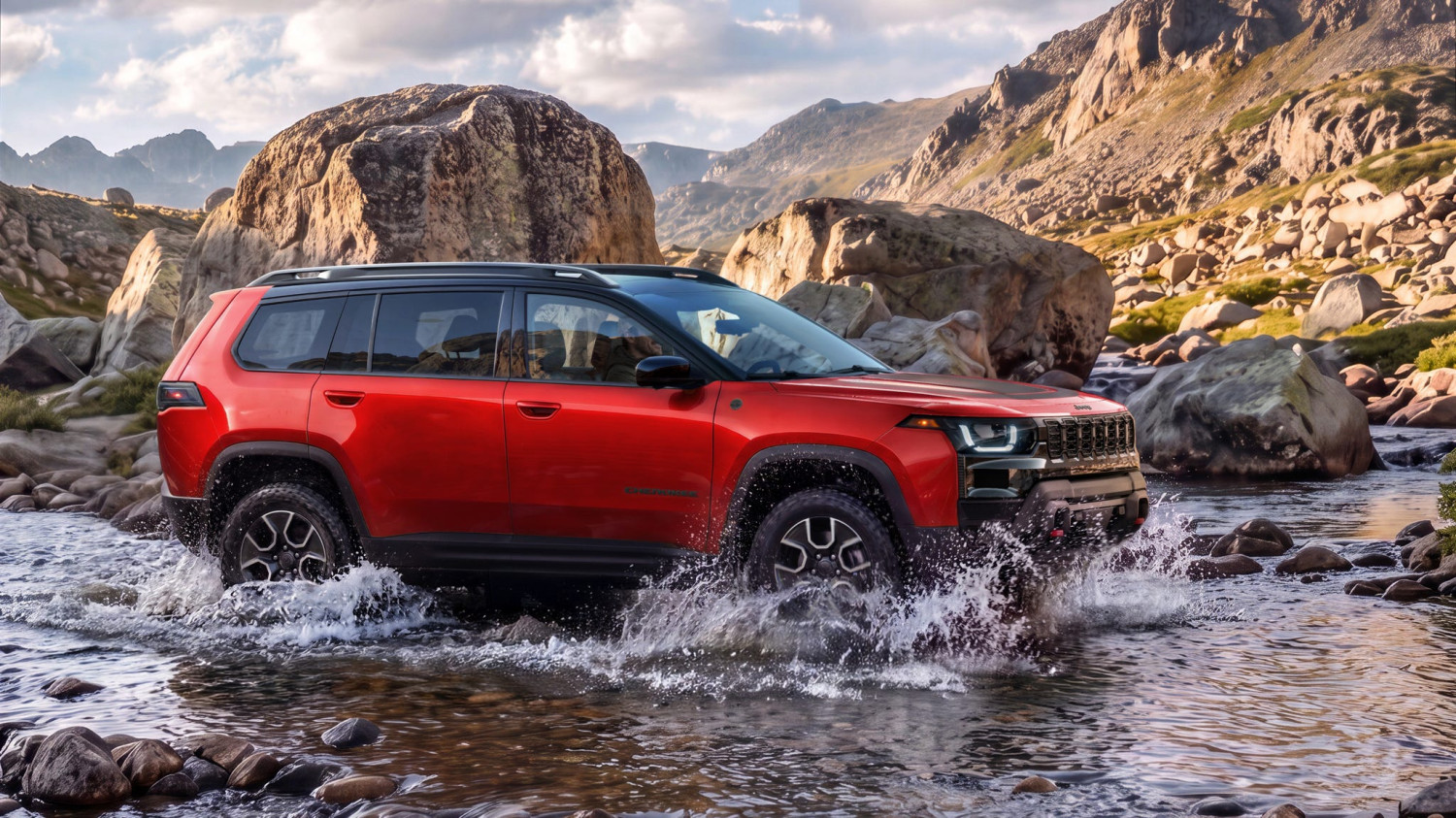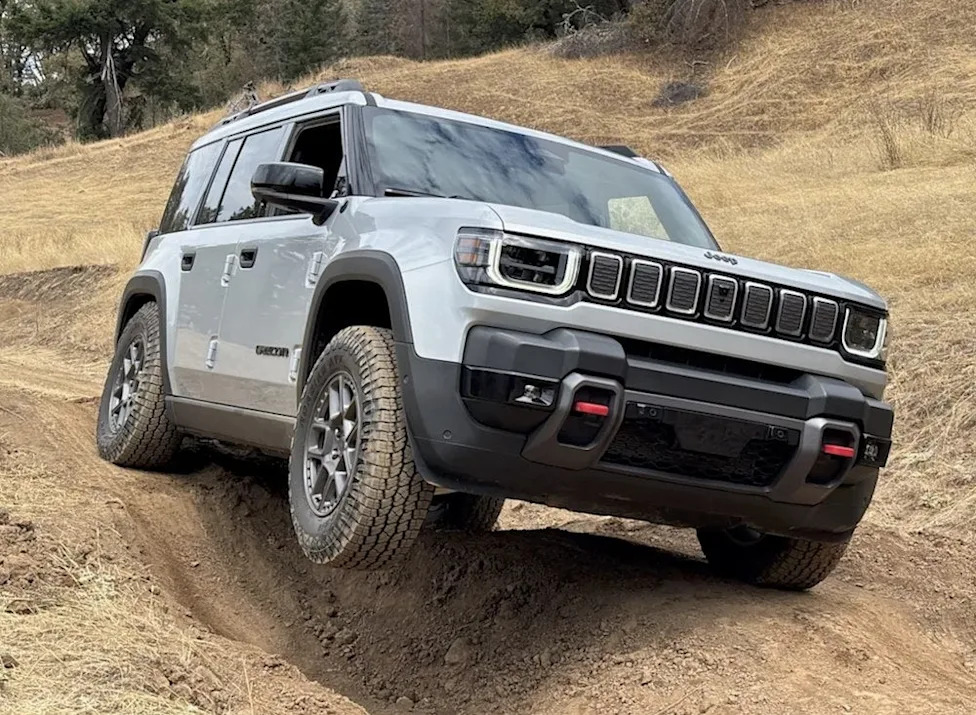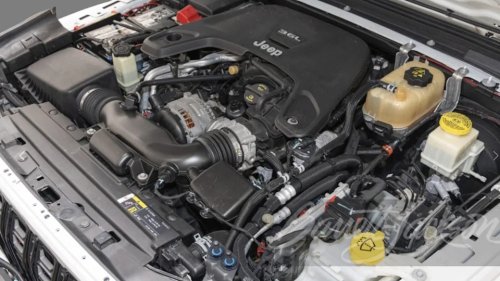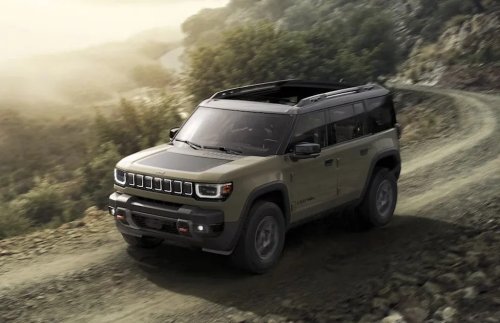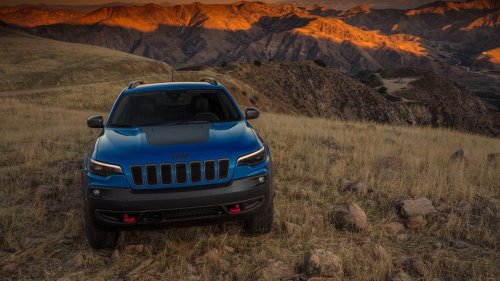
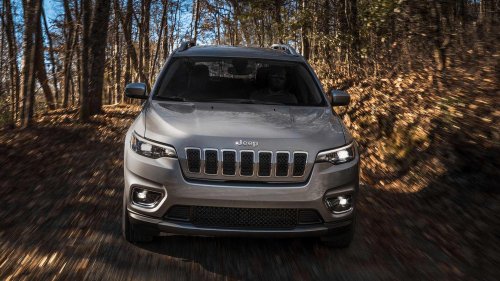
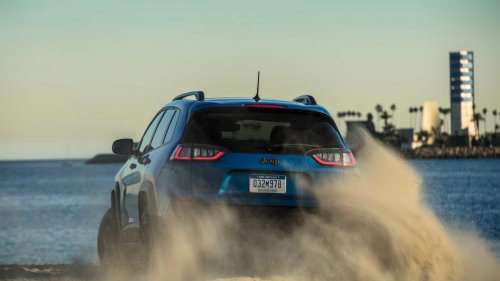
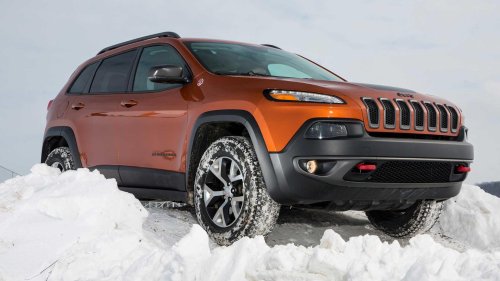
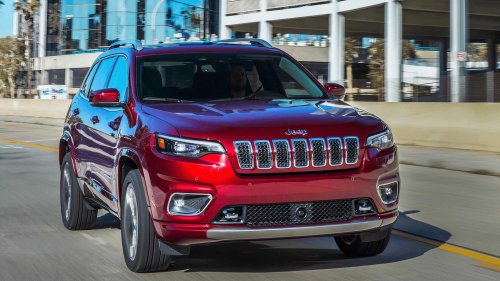
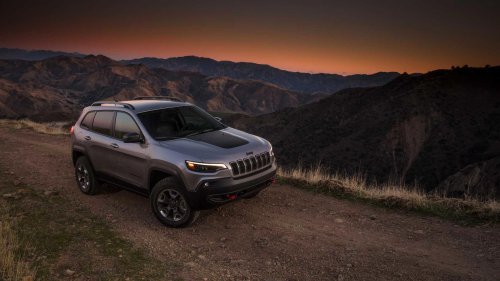
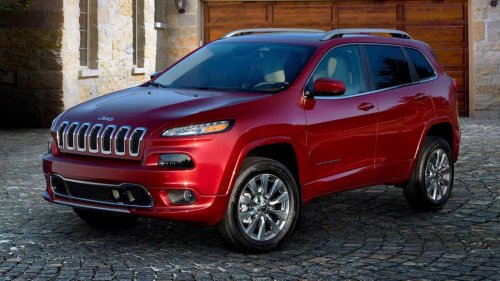
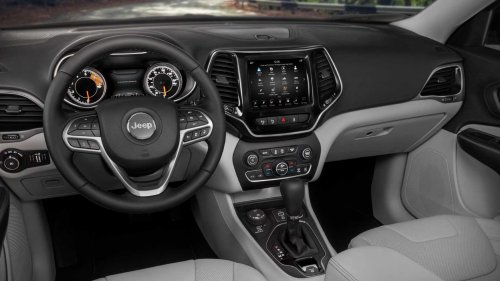
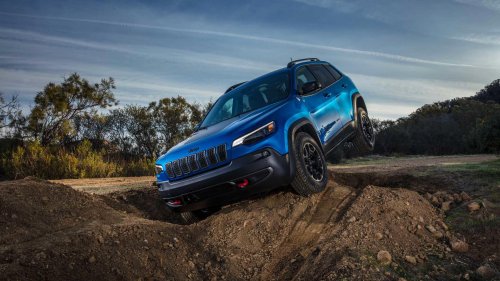



















Just how did a Jeep wind up with an engine nearly as exclusive as an exotic V10? The answer makes for an interesting story that's as unique as the engine itself. From Wrangler to Commander to Grand Wagoneer, boutique engines have never been a thing for the Jeep brand. In fact, throughout modern history, just two models under the Stellantis umbrella came with engines built in-house and used in exactly one application: the Dodge Viper and the Jeep Cherokee. Sure, a single Viper V10 engine (the 8.3-liter version) found some use in the RAM SRT-10 as well, so that engine doesn't count. But the Viper's early 8-liter and final 8.4-liter V10 engines were only ever single-application affairs– just like the strange V6 under the hood of the Jeep Cherokee.All other Jeeps source their engines from elsewhere beneath the corporate umbrella. In some cases, Jeeps have even sourced engines from other manufacturers like Mercedes-Benz or General Motors. There are numerous reasons why this makes sense when you're selling Jeeps to the masses, including lower costs, proven dependability, and plenty of truck-based engineering in the company gene pool. The reason for the Cherokee's single-application, bespoke engine wasn't because Jeep was trying to do anything record-breaking or game-changing in launching the 2014 Cherokee. In fact, the reason it became the only SUV in the modern world to use its very own engine was pretty much an accident. Up To Speed On The Jeep Cherokee Stellantis North AmericaWhen Jeep launched the latest Cherokee in 2014, key competitors were entering their latest generations. The 2013 model year saw the launch of a third-generation Ford Escape, a fourth-generation Toyota RAV4, and the third-generation Hyundai Santa Fe. TheHonda CR-V's fourth and latest generation had arrived for 2012. The Cherokee would take Jeep's presence into the mainstream space, targeting a shopper after modern must-haves and efficiency, alongside the rugged, adventurous promise of the Cherokee's badge. A high-capability Cherokee Trailhawk variation was offered as well, giving Jeep bragging rights as the most capable SUV in the compact class.Jeep When the Cherokee arrived, V6 engines had basically gone extinct in the compact SUV scene. Toyota had ditched the V6 from the previous-generation RAV4 two years earlier. Various top-selling models only offered a four-cylinder engine, and the ones that did offer an engine upgrade had virtually all switched to a turbocharged four-cylinder to do it. Toyota was an exception with the RAV4, which would go on to offer hybrid engines for shoppers after an upgrade under the hood.Stellantis North America When the 2014 Cherokee went on sale, there was exactly one remaining V6 engine in the compact SUV segment: GM's 3.6-liter V6, which was still available in the Equinox and Terrain. These models would enter their next generation three years later, ditching this V6 in the process. Point is, launching the Cherokee in 2014 with a V6 engine was a bit of a head-scratcher, and debuting a new V6 engine just for this application was even stranger. It Got Its Very Own V6 Engine By Accident StellantisThe 3.2-liter V6 used in the Jeep Grand Cherokee from its 2014 launch was a modified version of the 3.6-liter V6 that had rolled out initially in 2011 to reduce the complexity of the corporate powertrain lineup. Now, a single V6 would be used in all applications that required V6 power. This advanced new engine would save shoppers money at the pumps, and save Stellantis money in building cars and trucks that could all share a common engine.Jeep This became a boutique engine by accident. It wasn't designed to be a boutique engine, which would be too pricey for a mainstream SUV. Instead, Jeep was building an up-level engine that its customers wanted at the time. Tending to prefer the proven and simple instead of the latest and most high-tech, Jeep shoppers in 2014 after a power upgrade trusted long-lived, naturally-aspirated V6 engines with conventional fuel injection more than the market's latest direct-injection turbo four-cylinder units. In 2014, the shift to turbocharged engines was in full swing, but customers hadn't fully accepted the technology widely, and Jeep customers were particularly apprehensive.When the Cherokee was being developed, Jeep didn't have access to a good four-cylinder turbo engine for the application, either. The Fiat 1.4-liter Multiair Turbo engine wasn't big enough, and a future series of turbo four-cylinder engines wouldn't arrive for a few more years. The larger 3.6-liter V6 would be tough to fit into the Cherokee's relatively tight engine bay, and engineers figured it wouldn't hit the fuel economy and emissions targets they needed in that platform anyway.Stellantis North America With no viable turbocharged solution available, modifying the existing Pentastar V6 engine into a new, smaller-displacement format was the logical answer for that very moment in time, even if it countered the very reason the 3.6-liter Pentastar V6 was created in the first place. The new 3.2-liter version went into development with the intention of being a multi-application engine that could power the latest Cherokee, as well as future compact products, with a thrifty V6 that wouldn't steal any of the thunder from Jeep's larger and pricier models powered by the larger V6 instead.Note, from the specs above, that fuel costs weren't enough to scare shoppers away from the V6 engine. For about $300 more gas per year than a CR-V or RAV4, the Cherokee's V6 offered 50 percent more horsepower, and two or three times the towing capacity. This was mid-size SUV capability with a compact SUV fuel bill.Jeep Then, two interesting things happened. First, the 3.2-liter Pentastar V6 wound up being much more powerful than creators expected. The engine was originally designed to create about 250 horsepower, or about 40 less than the larger 3.6-liter unit. The production units came back from initial validation with 271 horsepower instead. Even the engineers were pleasantly surprised that their new engine was a keen performer that just about matched the larger 3.6-liter version on output. The V6 was also particularly efficient, on paper, achieving combined MPG figures virtually identical to the four-cylinder, 2.4-liter engine, which only had 184 horsepower.Stellantis In an era where automakers were downsizing, turbocharging, switching to hybrid engines, and consolidating engine families, Jeep had done the exact opposite. Before long, the shift to four-cylinder turbo engines really starts going, and customers catch on to the benefits. This doomed the 3.2-liter V6 to become an orphan: though it was what Jeep needed in that exact moment, it had no upgrade path, no long-term purpose, and was eventually replaced by none other than a turbocharged four-cylinder.Still, you could buy a Cherokee powered by this engine right up until 2022, a point by which it had been the only V6-powered compact SUV on the road for five years after the departure of V6 power from the Equinox and Terrain in 2017. Reasons To Consider, Reasons Not To Stellantis North AmericaIs a V6-powered Cherokee the right vehicle for you? Maybe so, maybe no. The V6 engine was a strong selling point at launch: customers enjoyed smooth, naturally-aspirated power delivery, a strong towing capacity of up to 4,500 lbs, and the confidence of the proven Pentastar architecture. On long-term serviceability and lifespan, the 3.2-liter V6 had no advanced direct injection or turbocharger system, and operated with no lag. If you didn't trust turbo engines but wanted a powerful compact SUV with a strong towing capacity, this was the answer. While the argument in favor of the Cherokee is easy for some to make, that's not to say that the Jeep was without its flaws..."The Jeep Cherokee made its debut with those slim headlights, and it appeared to be a turning point for the brand. Jeep had already upped the quality in the WK2 Grand Cherokee, and we were expecting more of the same. Unfortunately, the interior wasn't up to scratch, nor was the engine and gearbox. The 3.2 V6 made a decent amount of power, but the nine-speed automatic had no idea how to use it. To improve the fuel consumption, it would change up the gearbox as quickly as possible, so the engine would keep on dropping out of its power band. If you wanted to accelerate a bit harder, it would drop three gears, make a lot of noise, and consume gas quicker than a frat house gets through a keg. Jeep tried to fix the gearbox with a software update, but it always felt dimwitted.I have to admit that the Trailhawk was extremely good off-road, but in this segment that hardly matters. If you wanted a hardcore adventure car, the Wrangler was a much better bet. The best thing about the Cherokee was its design, because it was at least interesting. The rest of the package was mediocre at best, which is why most people did what they had been doing since the late '90s. They bought a Toyota RAV4."-Gerhard Horn, Carbuzz.comRegardless, it was also the answer for serious off-road work. If a Wrangler proved too unrefined or pricey for you, then the Cherokee Trailhawk was an alternative built to tackle heavy off-road use. With a locking rear axle, low-range gearing and both suspension and bumpers redesigned for added off-road capability, this machine was built to tackle terrain that'd remodel your CR-V's oil pan in quick order.Sources: Stellantis