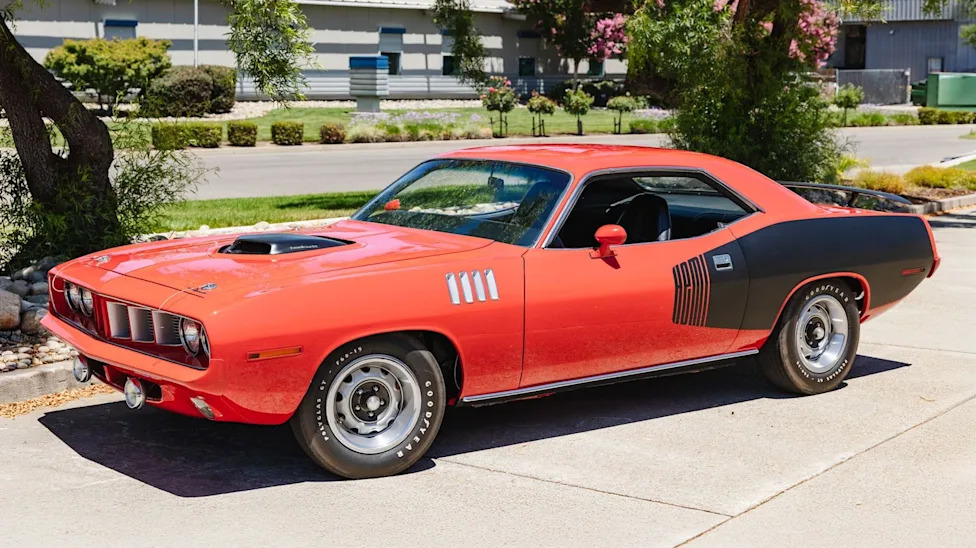
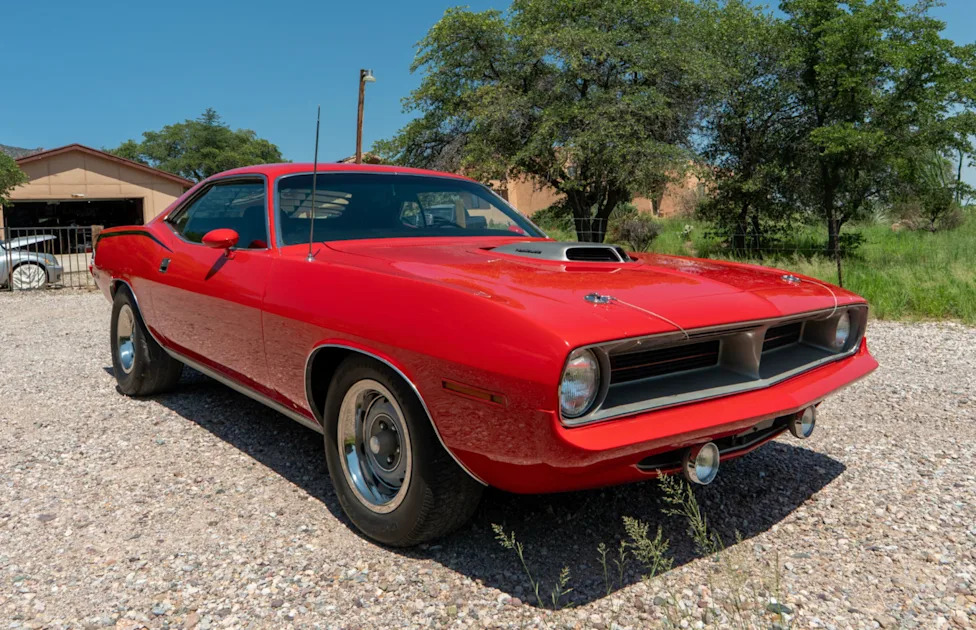
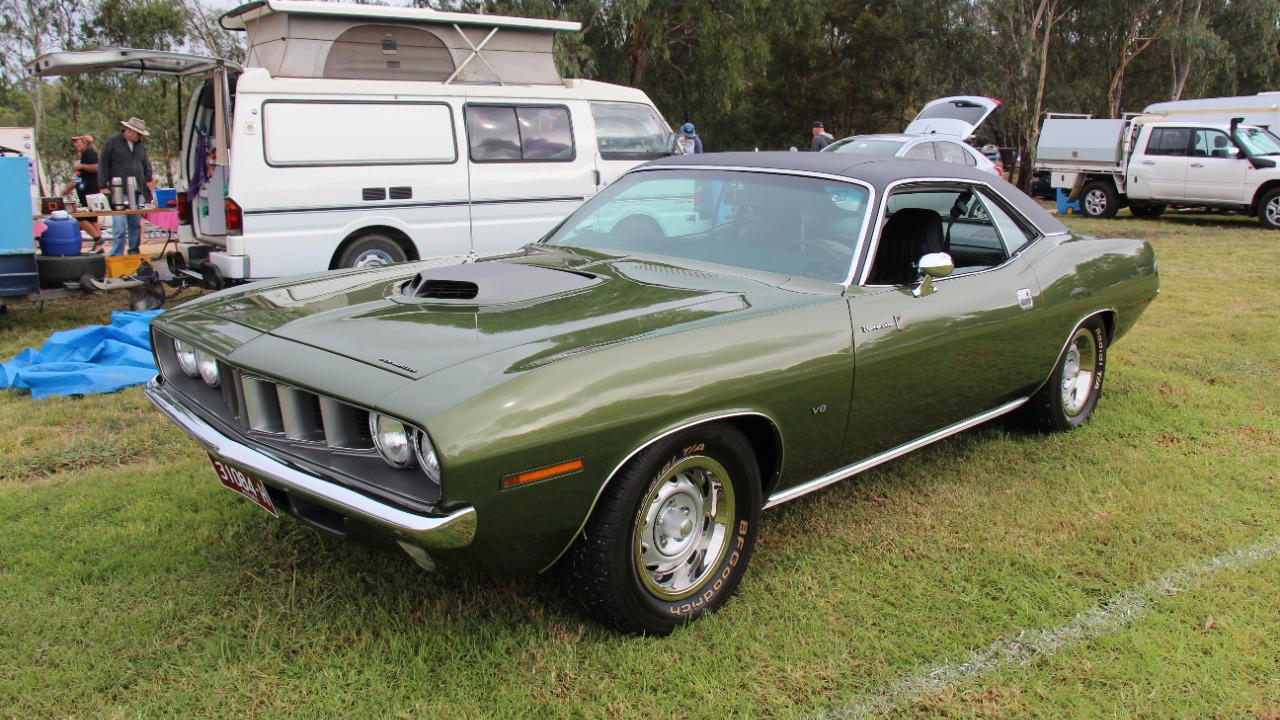
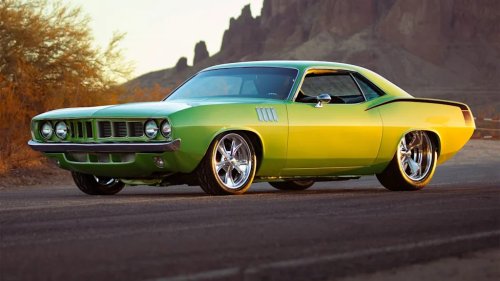
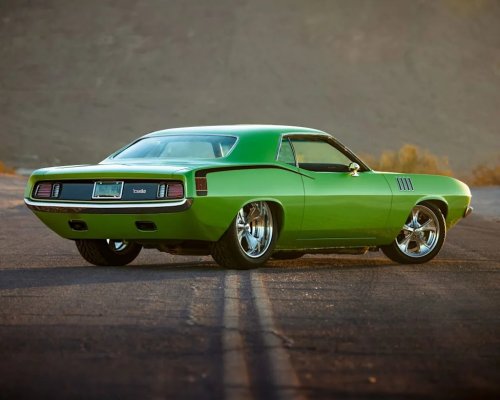
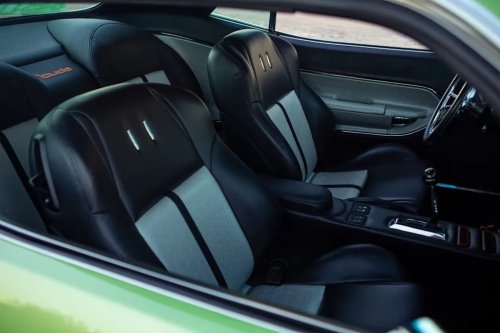
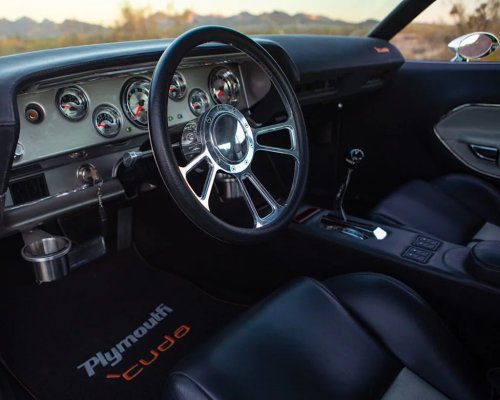
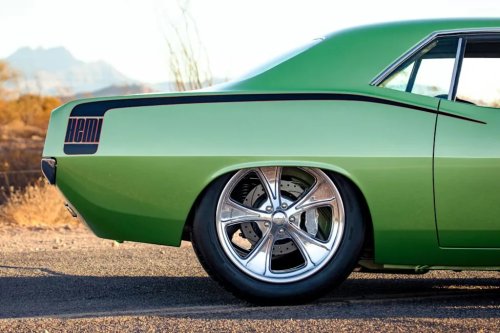
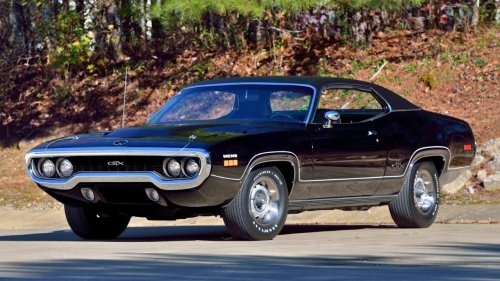
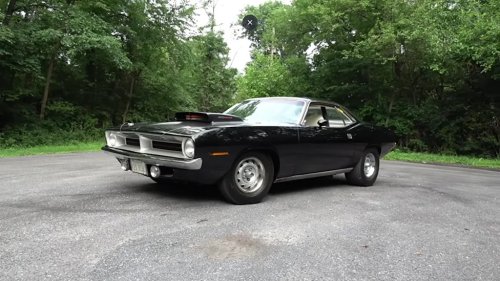
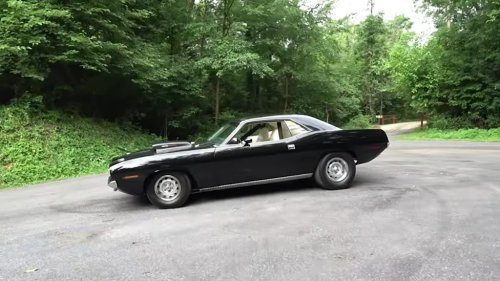
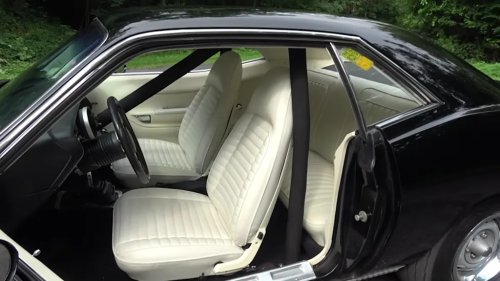
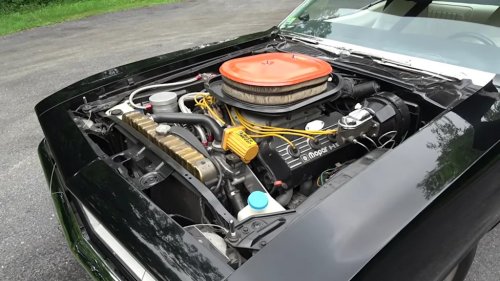
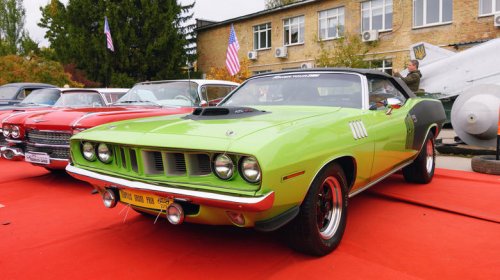
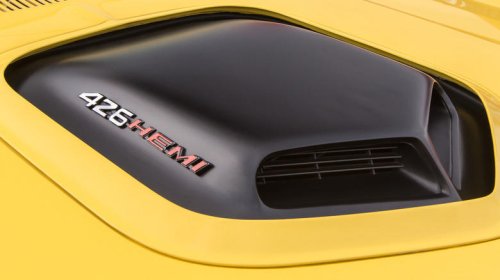
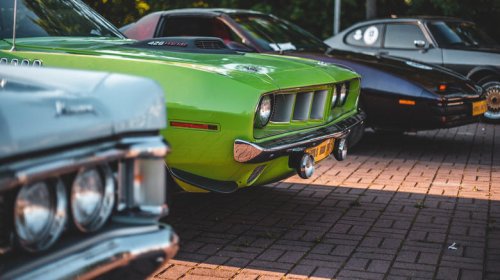
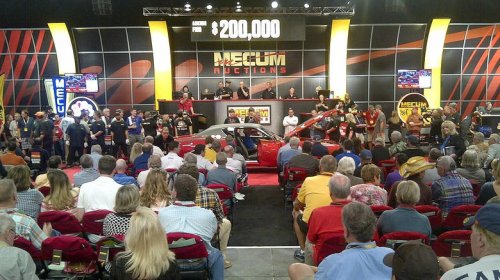
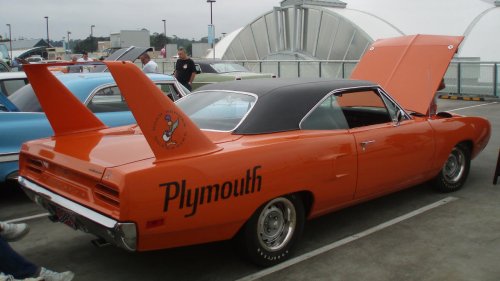
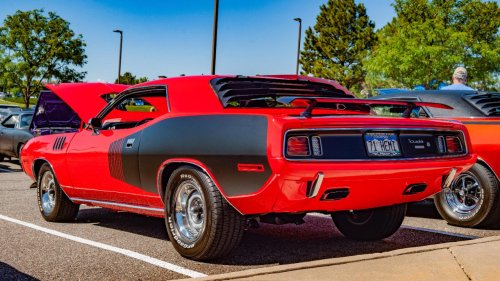
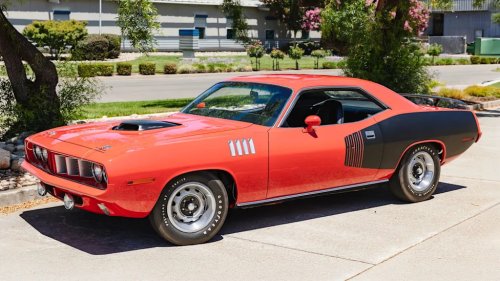
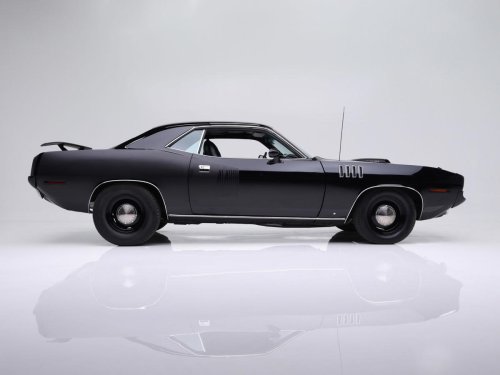
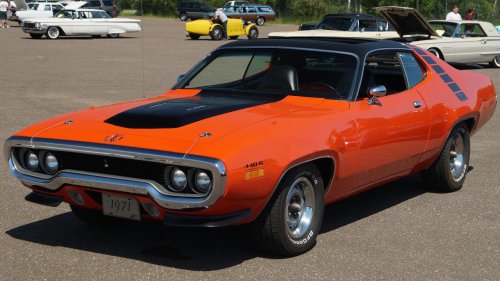
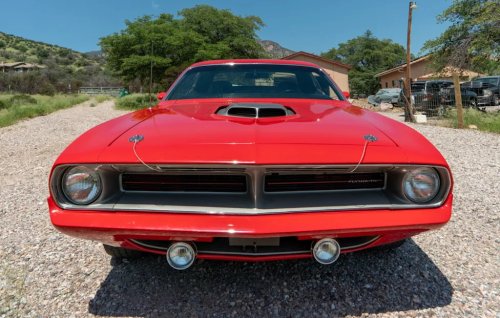
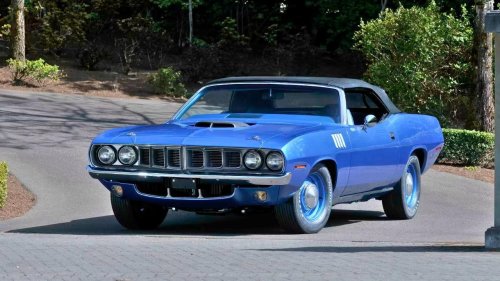
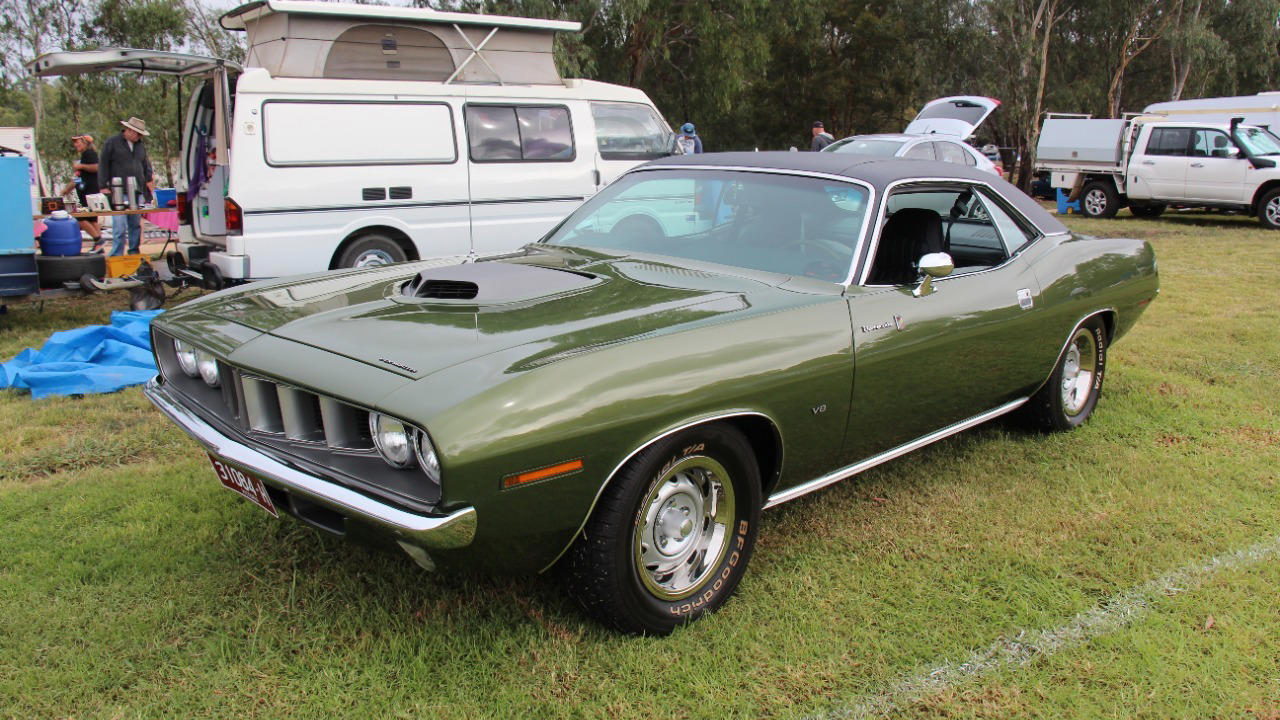
The 1971 Hemi ’Cuda didn’t just end an era it defined itThe 1971 Hemi ’Cuda arrived just as Detroit’s muscle car party was winding down, yet it crystallized everything that era meant: outrageous power, cartoonish styling, and a disregard for subtlety. Built in tiny numbers and quickly rendered obsolete by regulation and economics, it did not simply close a chapter for Plymouth and the Barracuda nameplate, it became the shorthand for the moment when American performance hit its wild peak. Today the car’s combination of rarity, engineering excess, and cultural timing has turned it into a reference point for collectors and historians. The 1971 Plymouth Hemi ’Cuda is not just a valuable artifact of the muscle age, it is the machine that defines how that age is remembered. The Barracuda grows teeth By 1971, the Plymouth Barracuda had already evolved from compact sporty coupe into a full-fledged muscle platform. The third-generation Barracuda, introduced for 1970, shared its basic architecture with Dodge’s E-body cars and gave Plymouth room to fit the biggest engines in its catalog. For the new model year, the Barracuda line received a mild facelift with more aggressive grille work and revised taillights, and the performance-focused Plymouth Hemi ’Cuda variant sat at the top of that range. In this configuration, the 1971 Plymouth Hemi ’Cuda was more than a trim package. It took the Barracuda shell and layered on a functional Shaker hood scoop, bold graphics, and heavy-duty hardware that separated it from lesser Cuda and Barracuda models. Contemporary enthusiasts and modern owners describe the 1971 Plymouth Hemi ’Cuda as the ultimate expression of the Plymouth Hemi Cuda identity, a status that later auction prices have only reinforced. Within the broader 1971 Plymouth Barracuda family, buyers could still order relatively tame powertrains. Fact sheets list options like a 230 hp SAE Gross 318 CID 2-barrel V8 and a 275 hp SAE Gross 383 CID 2-barrel, along with a 300 hp SAE Gross 383 CID 4-barrel, which kept the model accessible to drivers who wanted style more than all-out performance. That spectrum, from 230 to 383 cubic inches, shows how far the Hemi ’Cuda stretched the Barracuda concept. HEMI ENGINE UNDER THE HOOD The heart of the 1971 Hemi ’Cuda was the legendary 426 cubic inch Hemi V8. Factory material described the 426 HEMI with hemispherical combustion chambers, huge valves, massive ports, a 4.25-inch bore and a 3.75-inch stroke, all of it aimed at feeding as much air and fuel as possible at high rpm. In street trim the engine was officially rated at 425 horsepower, a figure repeated in modern coverage of the Hemi Cuda Convertible that calls out the car as Packing 425 HP and capable of dominating under the right conditions. Owners and historians often emphasize that this was essentially race hardware adapted for the street. The 426 Hemi had been developed for NASCAR and drag racing, and its presence in a showroom Barracuda blurred the line between competition and daily driving. A Black Shaker scoop, part of the N96 fresh air package on some cars, punched through the hood to feed cold air directly into the 426 CI Hemi V-8 engine and signaled the car’s intent before the key even turned. Period test figures and later video features describe the Hemi Cuda as capable of accelerating from 0 to 60 m in roughly five seconds when traction and tuning cooperated. That kind of performance, in an era of bias-ply tires and leaf springs, put the car among the quickest factory machines of its day and cemented the Hemi engine’s reputation as the ultimate Mopar powerplant. Rarity written into the build sheet If the engine made the Hemi ’Cuda legendary, the production numbers turned it into a myth. Contemporary breakdowns of the 1971 Plymouth Hemi Cuda show that only 119 hardtops and 11 convertibles were produced with the 426 Hemi. Other detailed registries refine that further, noting that there were only 59 factory 4-speed Hemi Cudas, which means that a 4-speed car with power steering is one of just 59 examples in that exact configuration. One widely shared breakdown of the 1971 Plymouth Hemi Cuda Hard Top Just 107 hardtop examples were produced in 1971, and enthusiasts point to that figure when they describe the car as Rare and Collectible The pinnacle of Mopar performance. That same discussion calls the 1971 Plymouth ’Cuda 426 HEMI a kind of MoparMuscleRoyalty, language that reflects how scarcity and specification have combined to elevate the model. The convertibles sit in an even more rarefied tier. Auction specialists describe the 1971 Hemi Cuda Convertible as The Rarest of the Rare Muscle Cars, with only twelve Hemi Cuda Convertible units produced in that model year. Later coverage refers to the 1971 Hemi Cuda Convertible as the ultimate muscle car unicorn, explaining that in 1971 only 108 Hemi convertibles of all engine types were built, and that the tiny subset fitted with the 426 Hemi can command prices over 3 million dollars when the right example crosses the block. Design that shouted across the parking lot Visually, the 1971 Plymouth Hemi Cuda took the Barracuda’s already dramatic styling and pushed it further. Commentators who revisit the car describe it as anything but subtle, with the combination of Shaker hood, billboard side stripes, and high-impact colors turning every Hemi Cuda into a rolling billboard for the muscle car era. The front end’s quad headlights and segmented grille, introduced for 1971, gave the Plymouth Hemi Cuda a snarling expression that matched its performance. The 1971 Plymouth Barracuda is often cited as one of the most desirable muscle cars ever built, thanks to its bold design and powerful performance. Enthusiast groups that focus on the Plymouth Barracuda share images and specifications that highlight how the car’s long hood, short deck, and wide stance embodied the classic American muscle silhouette. In that context, the Hemi ’Cuda becomes the most aggressive interpretation of an already aggressive shape. Inside, the car offered the typical early seventies mix of vinyl, brightwork, and simple gauges, but the details mattered. A pistol-grip shifter on 4-speed cars, deeply hooded instruments, and optional high-back bucket seats reinforced the idea that the Hemi ’Cuda was built for drivers who cared more about quarter-mile times than about plush comfort. Built at the edge of a cliff The 1971 model year did not exist in a vacuum. Enthusiast retrospectives point out that by 1971, the muscle era was preparing to come to an end, with rising insurance prices and the oil crisis that would follow just a few years later already casting a shadow. Another look back at a 1971 Plymouth Cuda notes that the car arrived just before emissions standards and insurance rates began to close the chapter on the muscle car era. Video essays that focus on the 1971 Plymouth Hemi ’Cuda explain that the reasons for the car’s short production run were everywhere. Insurance companies had effectively priced young buyers out of the market, the Clean Air Act was forcing lower compression ratios and catalytic converters, and fuel prices were starting to climb. One such feature on the 1971 Plymouth Hemi ’Cuda: 20 Weird Facts You Did not Know frames the car as a victim of timing, a machine that arrived precisely when regulators and actuaries decided that 425 horsepower street cars were no longer acceptable. By the time the 1971 Hemi Cuda Was Built At The End Of The Muscle Car Era, the writing was on the wall. Manufacturers were already preparing to downsize engines and shift marketing toward economy and safety. In that light, the 1971 Hemi ’Cuda looks less like a normal model year update and more like a last stand. The car collectors cannot stop chasing Decades later, that combination of performance and timing has turned the Hemi ’Cuda into one of the most sought-after American cars of the 1970s. Modern coverage of The Rare American Car From The 1970s That Collectors Can not Stop Chasing points to the Hemi ’Cuda Convertible as the ultimate prize, explaining that Plymouth Wasn Having It when it came to building large numbers and that the tiny production run has made surviving cars incredibly valuable. Market analyses that track appreciation across classic cars often highlight the 1971 Hemi ’Cuda as a model that has outpaced even some Ferraris, particularly when the car carries original drivetrain and documentation. Auction houses promote individual examples as the Holy Grail of Mopar, especially when they are unrestored or still wear original paint. A feature on an all-original 1971 Plymouth Hemi Cuda describes how, back in 1971, very few buyers ordered the expensive Hemi option, which makes any surviving car in factory-correct condition a standout. Social media posts from major auction companies amplify this aura. One widely shared listing describes a 1971 Plymouth Hemi Cuda as one of just 59 4-speed cars ever produced and emphasizes that it represents As the final year of the Hemi Barracuda, a detail that adds historical weight to the bidding frenzy whenever such a car appears. From street menace to museum piece The journey from showroom oddity to seven-figure artifact has also carried the Hemi ’Cuda into museums and curated collections. Institutions that specialize in American muscle often display a 1971 Plymouth Hemi Cuda with placards that list Specifications such as Configuration as a longitudinal front Engine, a Hemi V8 with 426ci displacement, and period-correct transmission choices. Curators explain that the car sits at the intersection of engineering ambition and cultural change. Private collectors share similar stories. A high-profile owner who showcases a personal 1970 Plymouth HEMI Cuda in a special Showcase describes the HEMI Cuda as a king in the world of muscle cars, and that sentiment easily extends to the 1971 variant with its even lower production. For many, owning a Hemi ’Cuda is less about driving and more about preserving a touchstone of American automotive history. The car’s presence in online communities is just as strong. Enthusiast groups dedicated to the Plymouth Hemi Cuda trade decoding tips, restoration advice, and production data. Posts that feature a Plymouth Hemi Cuda Hard Top Just 107 built examples attract intense discussion about originality, color combinations, and how to verify factory options, while links that trace back to Discovered registry entries keep the community’s shared database growing. Why this car defines an era Several threads come together in the 1971 Hemi ’Cuda story. First is the technical audacity of dropping a 426 cubic inch racing engine into a relatively compact pony car body and selling it with a warranty. Second is the styling, which leaned into the early seventies taste for loud colors and graphic stripes and turned the Hemi ’Cuda into an instant visual shorthand for Detroit excess. Third is the context, with the Clean Air Act, insurance crackdowns, and looming fuel shocks all converging just as the car reached showrooms. Commentary in enthusiast media often argues that other muscle cars were quicker in a straight line or more refined in daily use, but few captured the cultural moment as completely as the Hemi ’Cuda. The car arrived at the exact point where American performance hit its zenith, then almost immediately disappeared, leaving behind a small trail of build sheets and an outsized legend. More from Fast Lane Only Unboxing the WWII Jeep in a Crate 15 rare Chevys collectors are quietly buying 10 underrated V8s still worth hunting down Police notice this before you even roll window down



















 +68 others