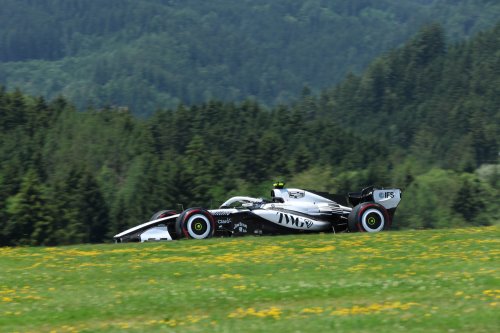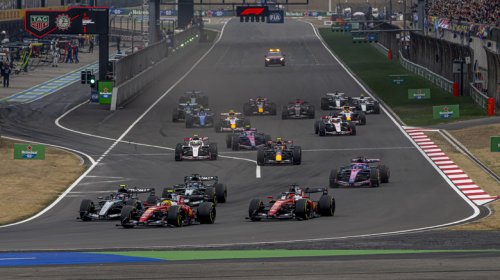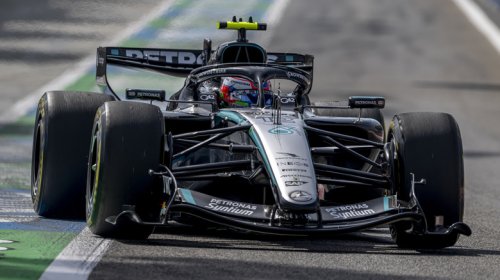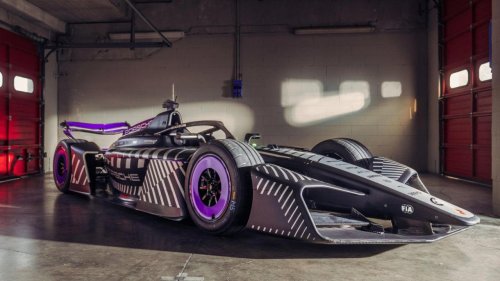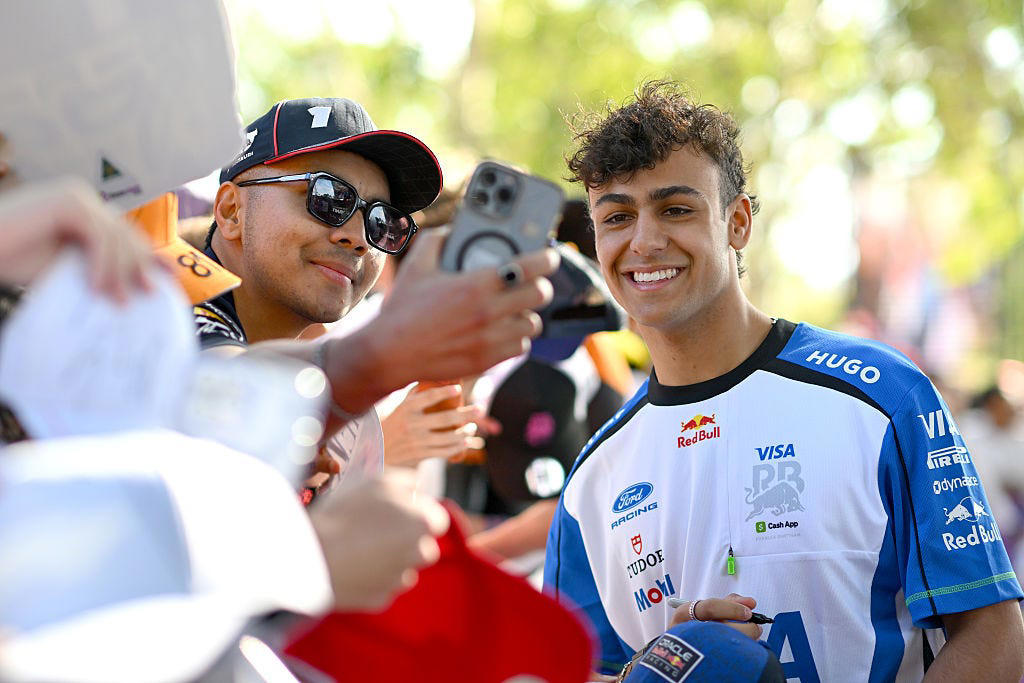
















Did the FIA and its F1 officials get it wrong with one of the biggest sea changes of rules in the sport’s history?It has long been understood that the FIA represents manufacturers in their racing quests, but the new emphasis on hybrids that feature engines with a 50-50 power split between ICE and kinetic energy looks like a step too far.Set aside the constant “coasting” and “harvesting” as the new competitive elements at the ultimate peak of auto racing. The early going in the Australian Grand Prix looked like hippodroming between the Mercedes of George Russell and the Ferrari of Charles Leclerc. Leclerc indeed made some stunning moves onto the dusty portions of the track outside the racing line to executive his passes. But this resulted when a light shined on the back of Russell’s car, signifying a gradual decline in his hybrid power while harvesting. Through the automatic override of his Ferrari’s hybrid system available to a car within one second, Leclerc could sustain power longer before the approaching corner.The excitement for the uninitiated of off-line passes in unusual places leaves the rest of us to wonder about the traditional demonstrations of driving skill that were within the realm of the Drag Reduction System, or DRS. Adding insult to injury, a proper calculation of battery power from the kinetic hybrid system can now lead to a luxuriously easy overtaking on the straights in place of the harrowing DRS battles.Beyond the new overtaking elements, the first race of the “50-50” generation of cars was not unlike other introductions of new cars. The news was the execution under the latest configuration by Audi and Haas that brought each a top-10 finish and a possible re-ordering of the mid-pack. There was a sensational showing by Racing Bulls’ teenager Arvid Lindblad, unencumbered by the old-fashioned method of mostly engine-driven racing on his way to an eighth-place finish.Arvid Lindblad.Mercedes’ dominance resulted in a one-two finish by Russell and Kimi Antonelli, a replay of the German team’s ability to make the most of a new set of engine rules. This time, Mercedes got the chassis handling right as well.I have friends who think the introduction of turbos to F1 in the 1970s was the beginning of the end. There’s always been that element of time marching on that leaves some fans longing for the fondly remembered good ol’ days and forever at odds with any new approach. That’s to be expected with any wholesale change, of which there have been numerous in F1’s past.It remains to be seen if the emphasis on electricity generated at the rear wheels turns into an extraordinary new way of racing. The F1 teams harbor some the smartest, most diligent, and innovative engineers in the world and the drivers are unchained lighting when it comes to adapting to circumstances. But the first glimpse looked like an AI version of actual racing.Defending champion Lando Norris brought up the inevitable quandary of a drivers’ sudden coasting to harvest energy leading to wheels running over wheels and a trailing car getting launched over the fence. The drivers are right to express their worries over safety and it is a concern. But open-wheel combat is always subject to such disasters under any circumstances. Through mutually acknowledged racing conventions on the track, one anticipates drivers will continue to protect themselves and the sport along with the FIA, whose focus on safety since the death of Senna has been relentless. That focus now includes the light at the back of cars that signifies harvesting and a decline in speed.If the new rules manifest manufacturers’ pursuit of more technical knowledge about the future of hybrids and EVs, the switch to AppleTV for U.S. telecasts is a conscious pursuit of a younger demographic, the golden fleece of marketing mavens. It’s another sign, in addition to three races in the U.S., that Liberty Media is focused on expanding F1’s base of American fans to boost the re-sale value of its marketing rights, which cost $8 billion to the company and Chairman Emeritus John Malone, a guy always on the lookout for a re-sale. There have been howls of protest over the switch from ESPN and Sky TV to the Apple tour that features a younger commentating crew and an extra cost to most consumers. It may drop ratings short term, but at least there’s a link to Sky TV for the traditionalists among the Apple channel’s various feeds.