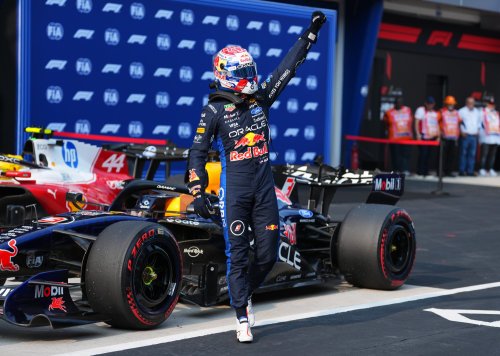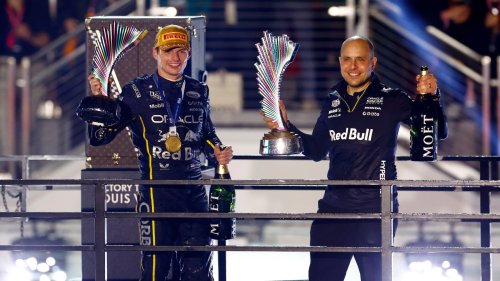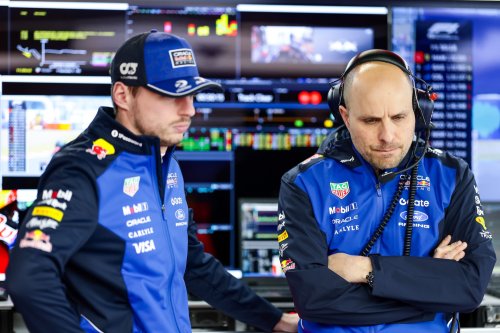



















Max Verstappen Calls for Major Engine Shift as Formula 1’s Future Debate Intensifies Questions surrounding Formula 1’s long-term direction have continued to dominate conversations across the paddock as teams and drivers prepare for a new era of regulations. With the sport balancing sustainability goals against performance demands, the debate over what Formula 1 should ultimately become has only grown louder. Among the most influential voices entering that discussion is Max Verstappen, whose comments have once again placed engine philosophy at the center of attention. The reigning world champion recently shared his thoughts on how the sport could preserve its racing identity while adapting to modern technological demands, especially as discussions around a possible future return to naturally aspirated V8 engines continue gaining traction within Formula 1 leadership circles. The discussion arrives at a particularly sensitive time for Formula 1, with concerns continuing around engine sound, racing feel, and the increasing complexity of hybrid systems. FIA officials and several team figures have recently acknowledged that conversations regarding simplified power units and potential V8 concepts are expected to become more serious in the coming years, particularly beyond the next regulation cycle. While the push toward greener technology remains unavoidable, many within the sport are still divided on how far those changes should go and whether Formula 1 has moved too far away from its traditional identity. Verstappen’s remarks have now added fresh momentum to that conversation. By openly addressing the balance between combustion power and electric assistance, the Red Bull driver has once again positioned himself at the forefront of one of Formula 1’s most important ongoing debates. Max Verstappen says Formula 1 needs to ‘move away’ from current engine split Speaking about the future direction of Formula 1, Max Verstappen suggested the sport needs to rethink its current engine balance as new regulations continue approaching. The Red Bull driver argued that Formula 1 should ‘move away from that 55-45 split,’ referring to the growing reliance on electric power within the hybrid system. Verstappen explained that increasing the role of the combustion engine could significantly improve the overall racing product. According to the reigning world champion, returning to ‘75% or 80% combustion engine’ would ‘already help a lot’ in terms of maintaining Formula 1’s traditional feel and performance identity. His comments immediately reignited debate around how Formula 1 should balance sustainability goals with the raw characteristics that many drivers and fans still associate with the sport. Concerns surrounding engine sound, battery deployment, and racing dynamics have remained central topics ever since the upcoming regulation changes were announced. While Formula 1 continues pushing toward a more sustainable future, Verstappen’s words have further zoomed into the growing tension between technological progress and preserving the core identity of the series. With several manufacturers preparing for the next engine era, discussions surrounding the ideal balance between electric and combustion power are only expected to intensify further. Max Verstappen navigates difficult 2026 season amid Red Bull uncertainty While Max Verstappen continues shaping conversations around Formula 1’s future, the reigning world champion is also navigating one of the most complicated stretches of his recent career on the track. The 2026 season has already delivered a series of challenges for Red Bull, with Verstappen still searching for his first victory or podium finish under the new regulations. At the Miami Grand Prix earlier this month, Verstappen recovered from an opening-lap 360-degree spin to finish fifth after showing improved pace throughout the race. Although Mercedes rookie Andrea Kimi Antonelli secured both pole position and victory, Verstappen later admitted he felt encouraged by improvements made to Red Bull’s lingering steering issues, suggesting the car had finally become more stable and predictable to drive. Away from race weekends, uncertainty surrounding Verstappen’s long-term Red Bull future has also continued drawing attention despite his contract running through 2028. Performance-based exit clauses have increasingly become part of the discussion as the team prepares for major internal changes, including the eventual departure of long-time race engineer Gianpiero Lambiase, who is expected to join McLaren in 2028. At the same time, Verstappen’s growing interest in endurance racing has added another layer to his future ambitions beyond Formula 1. Preliminary discussions with Ford regarding a potential future Le Mans program, combined with his upcoming appearance in the 24 Hours of the Nürburgring driving a Mercedes-AMG GT3, have further reinforced the idea that the Dutch driver is already thinking beyond the boundaries of traditional F1 competition. Max Verstappen’s criticism of F1 regulations continues dividing the paddock As Max Verstappen continues openly questioning Formula 1’s current engine direction, reactions from across the paddock have become increasingly divided. While several figures within the sport agree that the new regulations have created difficult driving characteristics, opinions remain split over whether Verstappen’s criticism reflects genuine concern for Formula 1’s future or frustration with Red Bull’s current struggles. Many observers have defended Verstappen’s position by pointing out that his dissatisfaction with hybrid-heavy regulations predates Red Bull’s recent performance issues. Supporters of the Dutch driver have argued that his comments are not simply ‘sour grapes,’ but rather part of a long-standing belief that Formula 1 risks moving too far away from the aggressive driving identity that traditionally defined the sport. Others inside the paddock, however, have viewed the situation differently. Mercedes team principal Toto Wolff recently suggested Verstappen’s criticism has intensified partly because Red Bull’s current car has become extremely difficult to handle, describing aspects of the team’s season as a ‘horror show’ amid their ongoing competitiveness concerns. The debate has also extended beyond team principals and into the driver community itself. While Lando Norris initially questioned the severity of Verstappen’s criticism, he later acknowledged that the current generation of cars may not fully represent the standard Formula 1 should aim for. Former driver Juan Pablo Montoya even suggested the FIA should consider taking action against Verstappen over the intensity of his public criticism, further underlining how central the issue has become throughout the 2026 season.