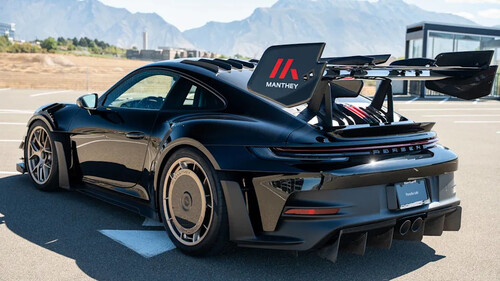
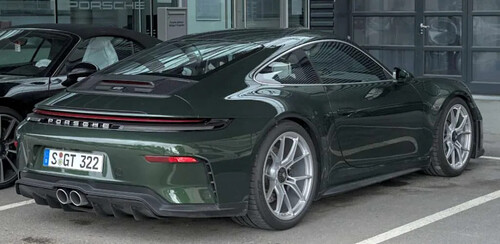
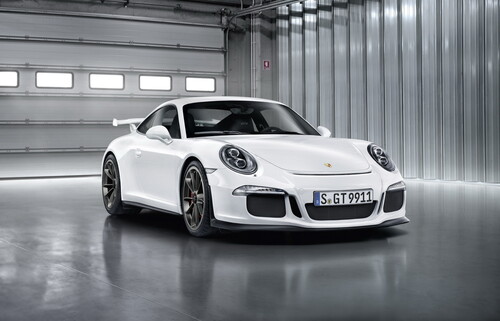
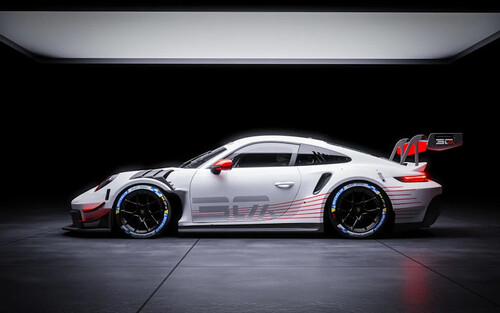
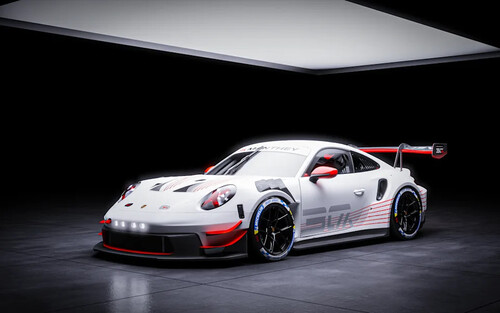
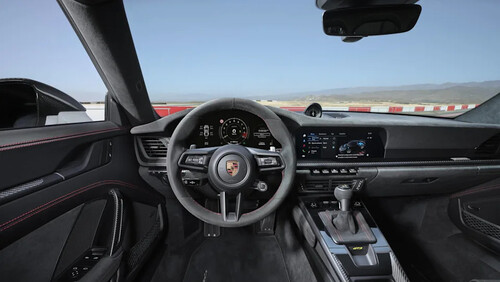
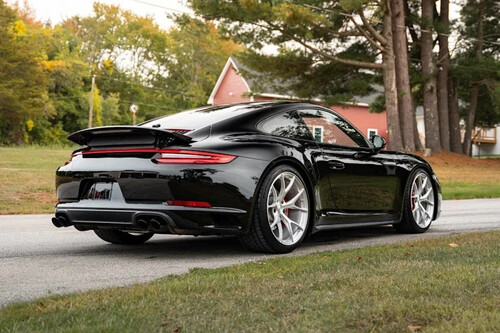
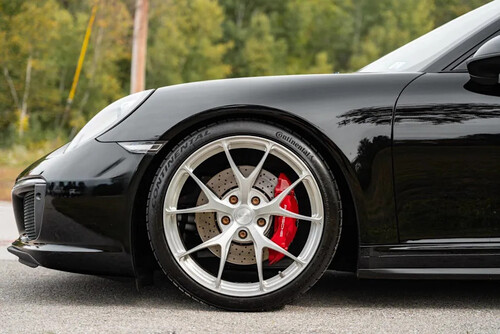
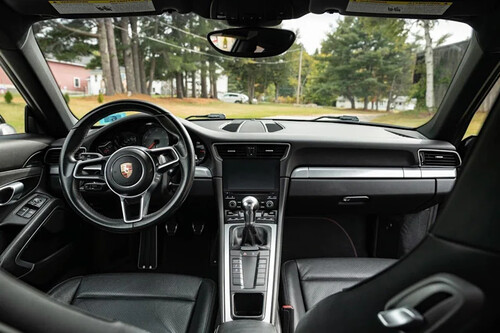
The anticipation surrounding the next Porsche 911 GT3 is palpable, especially with rumors of a significant engine shift that could redefine the iconic sports car. As enthusiasts speculate on what changes could be in store, the implications for performance, technology, and the overall driving experience are vast. The Legacy of the Porsche 911 GT3 Since its inception, the Porsche 911 GT3 has been a testament to the brand’s dedication to performance and engineering excellence. Launched in 1999, the GT3 quickly established itself as a benchmark in the sports car segment, combining cutting-edge technology with the distinctive characteristics of the 911 lineage. Over the years, it has celebrated numerous milestones, including the introduction of the first 996 generation, which featured a naturally aspirated engine that emphasized the car’s racing pedigree. The GT3’s significance goes beyond its impressive track record. It has played a crucial role in solidifying Porsche’s reputation in motorsport, frequently dominating events like the 24 Hours of Nürburgring. With each generation, the GT3 has pushed the boundaries of performance, refining its aerodynamics, handling, and overall driver engagement. The blend of street legality and track-ready capabilities has made the GT3 a favorite among driving purists and collectors alike. Current Engine Specifications The current iteration of the Porsche 911 GT3, the 992 model, boasts a 4.0-liter flat-six engine that produces a staggering 502 horsepower and 346 lb-ft of torque. This engine is renowned for its high-revving nature, with a redline that peaks at an exhilarating 9,000 RPM. The GT3 can sprint from 0 to 60 mph in just 3.2 seconds when equipped with the PDK dual-clutch transmission, showcasing its impressive acceleration capabilities. When compared to previous models, such as the 991.2 GT3, the 992 version represents a notable evolution in performance metrics. The power delivery is not only more robust but also more refined, allowing for better handling and responsiveness on the track. Additionally, the GT3 stands tall among competitors like the Ferrari 488 GTB and the McLaren 720S, both of which offer formidable performance but often at a higher price point and with a different driving character. Rumors of a Major Engine Shift As the automotive world eagerly anticipates the next GT3, whispers of a significant engine shift have begun to circulate. Speculations suggest that Porsche may explore hybridization or even a shift towards alternative fuel sources, which would mark a departure from the traditional naturally aspirated setups that have defined the GT3’s identity. The potential introduction of a hybrid powertrain could provide a substantial increase in both performance and efficiency, appealing to a broader audience. Industry experts have weighed in on the feasibility of these changes, highlighting that while a hybrid setup could enhance power delivery and reduce emissions, it must maintain the visceral driving experience that GT3 enthusiasts cherish. The challenge lies in balancing the integration of new technologies with the car’s heritage, ensuring that the essence of the GT3 remains intact. According to sources from AutoGuide, discussions within Porsche suggest that while the redline may be altered, the performance objectives remain unchanged. Potential Performance Implications If Porsche decides to implement a new engine configuration, the implications for performance could be profound. A hybrid system, for instance, could enhance acceleration times, potentially allowing the next GT3 to achieve 0 to 60 mph in under three seconds. Moreover, the addition of electric motors could improve torque delivery, providing a more immediate response in various driving conditions. Weight distribution is another critical factor. A hybrid system might add weight due to the battery packs, but advancements in lightweight materials and design could mitigate this issue. The handling characteristics that have become synonymous with the GT3 could potentially enhance through a lower center of gravity, allowing for improved cornering capabilities. However, achieving a perfect balance between raw power and drivability will be essential to ensure that the car remains enjoyable for everyday use, not just on the track. Technological Innovations on the Horizon The future of the Porsche 911 GT3 may be brightened by an array of technological innovations that enhance performance and driver engagement. The integration of advanced telemetry systems could provide drivers with real-time data on performance metrics, allowing for more precise adjustments during track days. Furthermore, Porsche’s commitment to electrification could lead to innovative hybrid systems that not only boost power but also improve fuel efficiency. Electrification is set to play a pivotal role in the automotive industry, and Porsche is keen on staying at the forefront of this shift. The potential for a hybrid GT3 model could offer the best of both worlds: the thrilling experience of a naturally aspirated engine combined with the efficiency and performance benefits of electric motors. This vision aligns with the growing consumer demand for sustainable yet high-performance vehicles, as explored in various studies on automotive trends, such as those found in [this resource](https://link.springer.com/chapter/10.1007/978-3-658-48552-8_17). Environmental Considerations As the automotive industry faces increasing pressure to address sustainability and emissions regulations, the next GT3 must navigate these challenges while maintaining its performance credentials. A new engine configuration, particularly one that incorporates hybrid technology, could allow Porsche to meet stringent environmental standards without sacrificing the exhilarating driving experience that defines the GT3. Public perception of performance vehicles is also shifting towards a more eco-conscious mindset. Consumers are increasingly favoring brands that demonstrate a commitment to sustainability. By integrating advanced technologies and reducing emissions, the next GT3 could not only enhance Porsche’s reputation but also appeal to a broader market. Porsche’s dedication to innovation and sustainability could position the GT3 as a leader in the performance segment, allowing it to thrive in an evolving landscape. Market Trends and Consumer Expectations The sports car market is currently witnessing significant shifts in consumer preferences, with an increasing emphasis on performance, technology, and sustainability. Enthusiasts are seeking vehicles that not only deliver exhilarating performance but also embrace modern advancements and environmental consciousness. The next GT3 has the potential to set new benchmarks in this space, blending advanced engineering with the iconic performance Porsche is known for. Maintaining the GT3’s identity while embracing change will be critical. Porsche must ensure that the essence of the GT3—a car built for driving enthusiasts—remains intact, even as it introduces new technologies and powertrains. As consumer expectations evolve, the next GT3 could redefine what performance means in the modern age, attracting both loyal fans and new buyers who prioritize innovation alongside tradition. Reactions from the Automotive Community Potential challenges lie ahead for Porsche as they navigate these changes. Critics may question whether a hybrid or alternative fuel engine can deliver the same level of engagement and excitement as the traditional flat-six. However, if Porsche can successfully integrate these advancements while retaining the thrill of driving, the next GT3 could elevate the brand’s legacy even further. Insights from industry insiders suggest that Porsche is keenly aware of these challenges and is focused on developing a product that satisfies both performance enthusiasts and eco-conscious consumers alike. What’s Next for Porsche? Looking ahead, Porsche’s strategy for the GT3 lineup is poised for exciting developments. The introduction of advanced technologies and potential expansions of the GT3 family may further solidify its position as a leader in the performance segment. Upcoming models are expected to showcase Porsche’s commitment to innovation while respecting the rich heritage of the brand. The significance of the next GT3 extends beyond performance; it represents Porsche’s ongoing journey to blend tradition with modern advancements. As the automotive landscape continues to evolve, the next GT3 will play a crucial role in shaping Porsche’s brand narrative, ensuring that it remains relevant and revered in a rapidly changing world. The anticipation surrounding the next GT3 is not just about performance; it’s about the future of driving itself, where technology and tradition harmoniously coexist. More from Fast Lane OnlyUnboxing the WWII Jeep in a Crate15 rare Chevys collectors are quietly buying10 underrated V8s still worth hunting downPolice notice this before you even roll window down