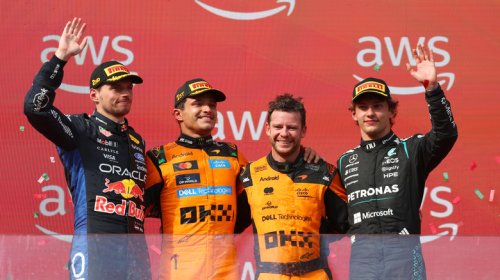
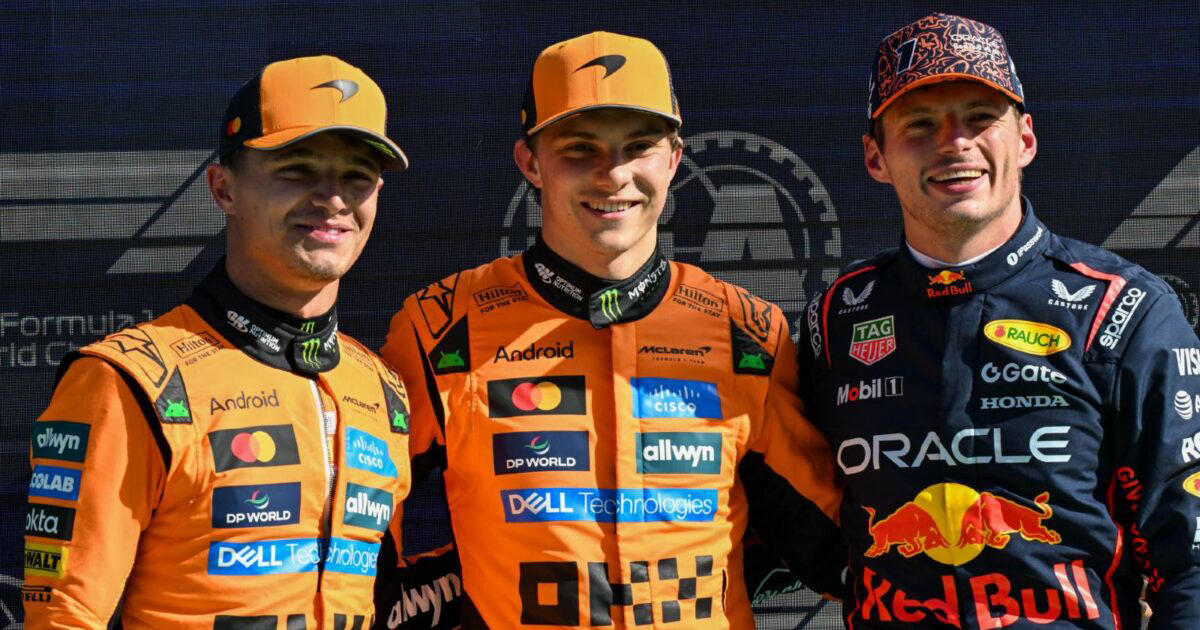
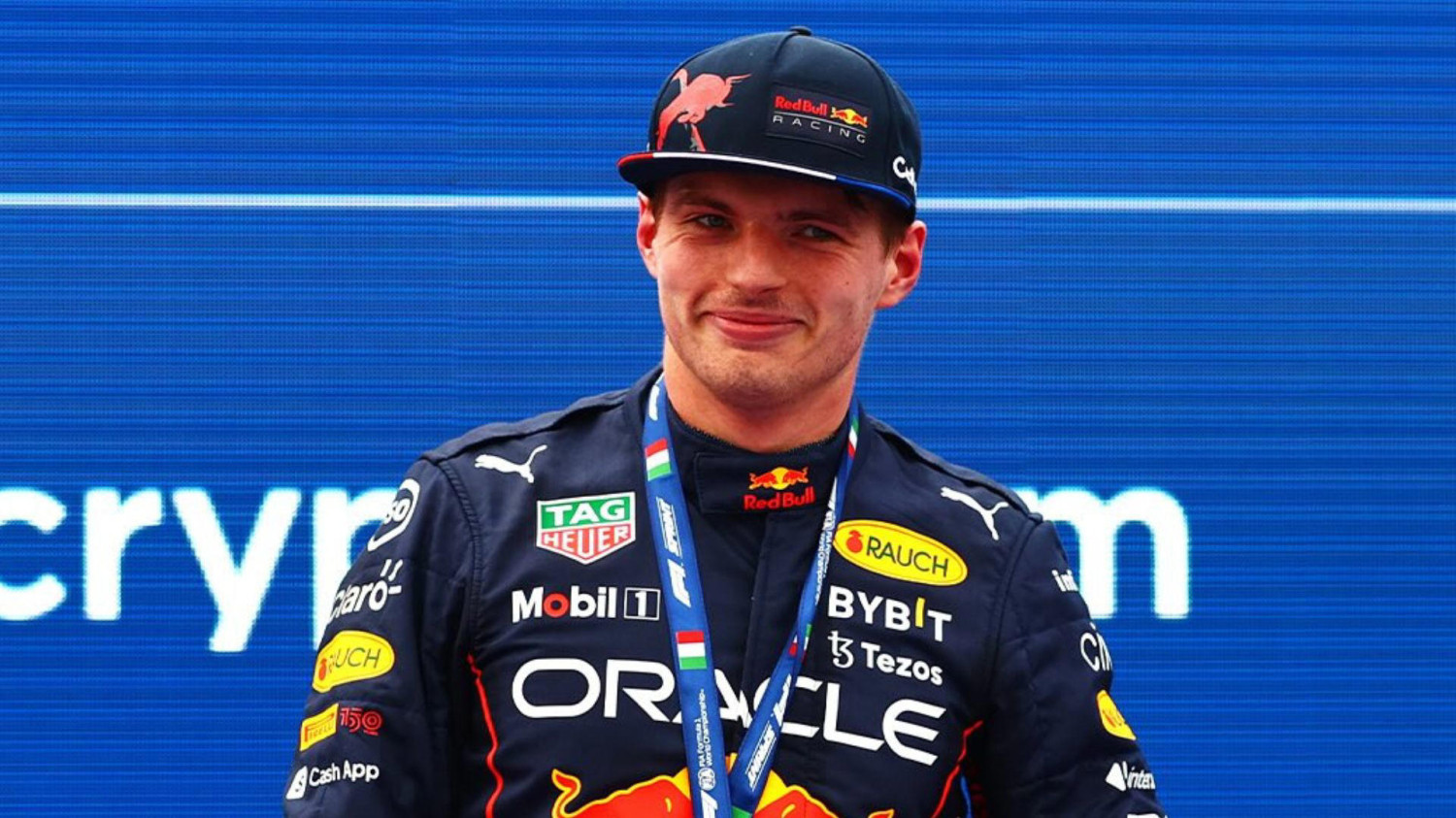
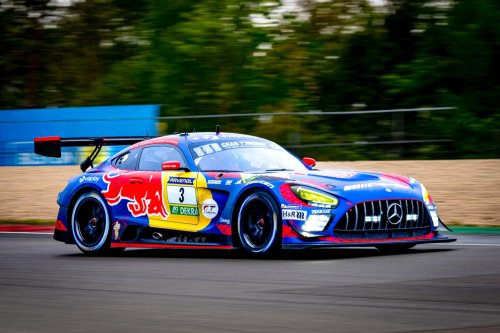
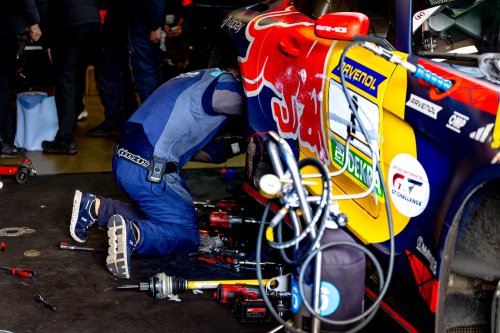
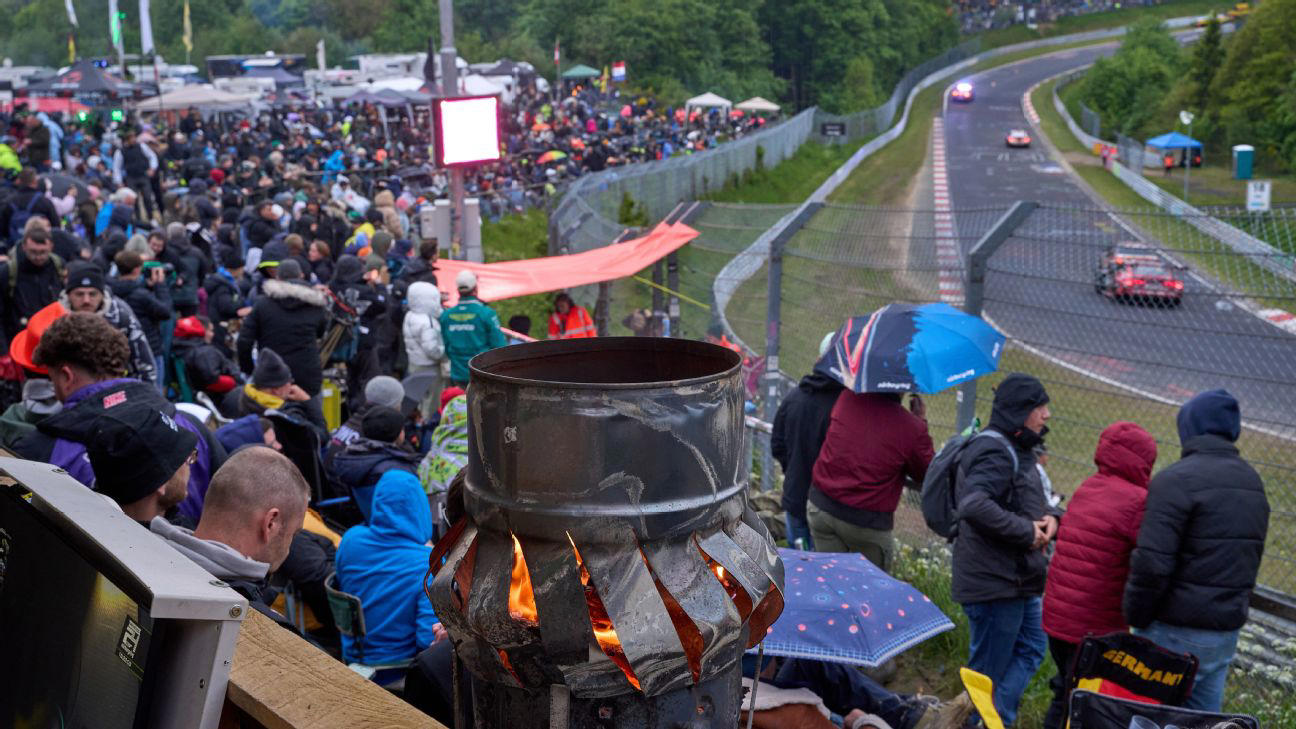
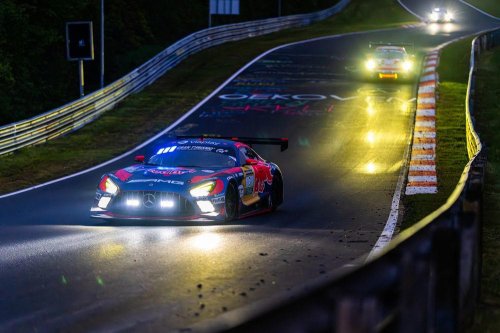
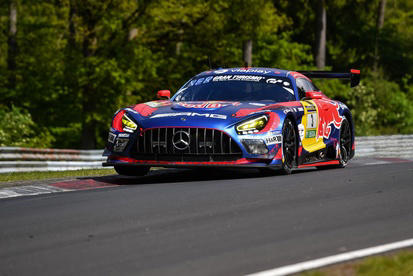
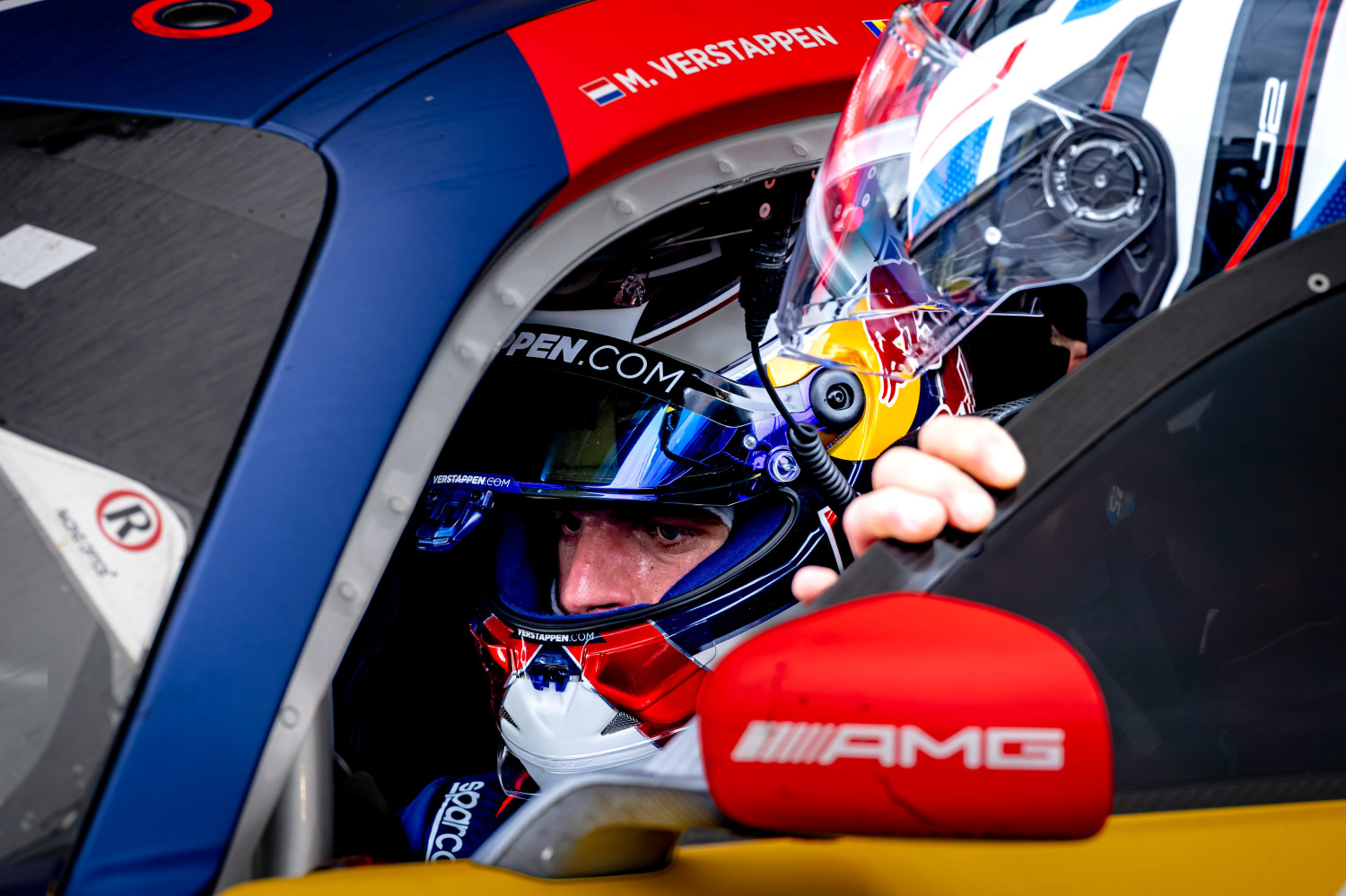
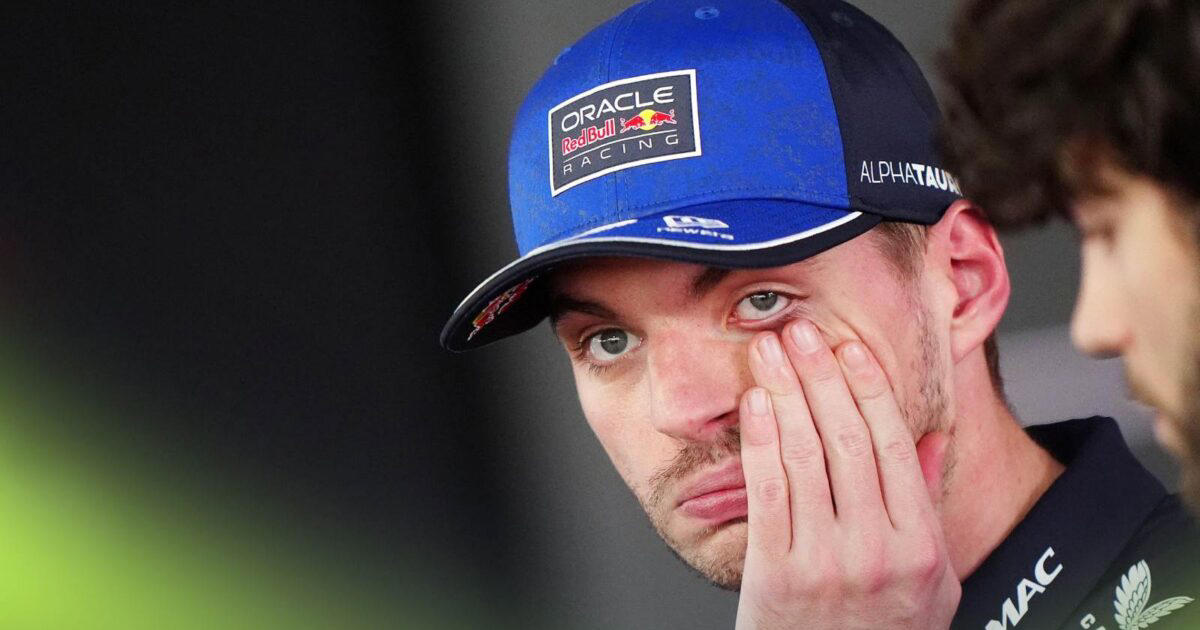
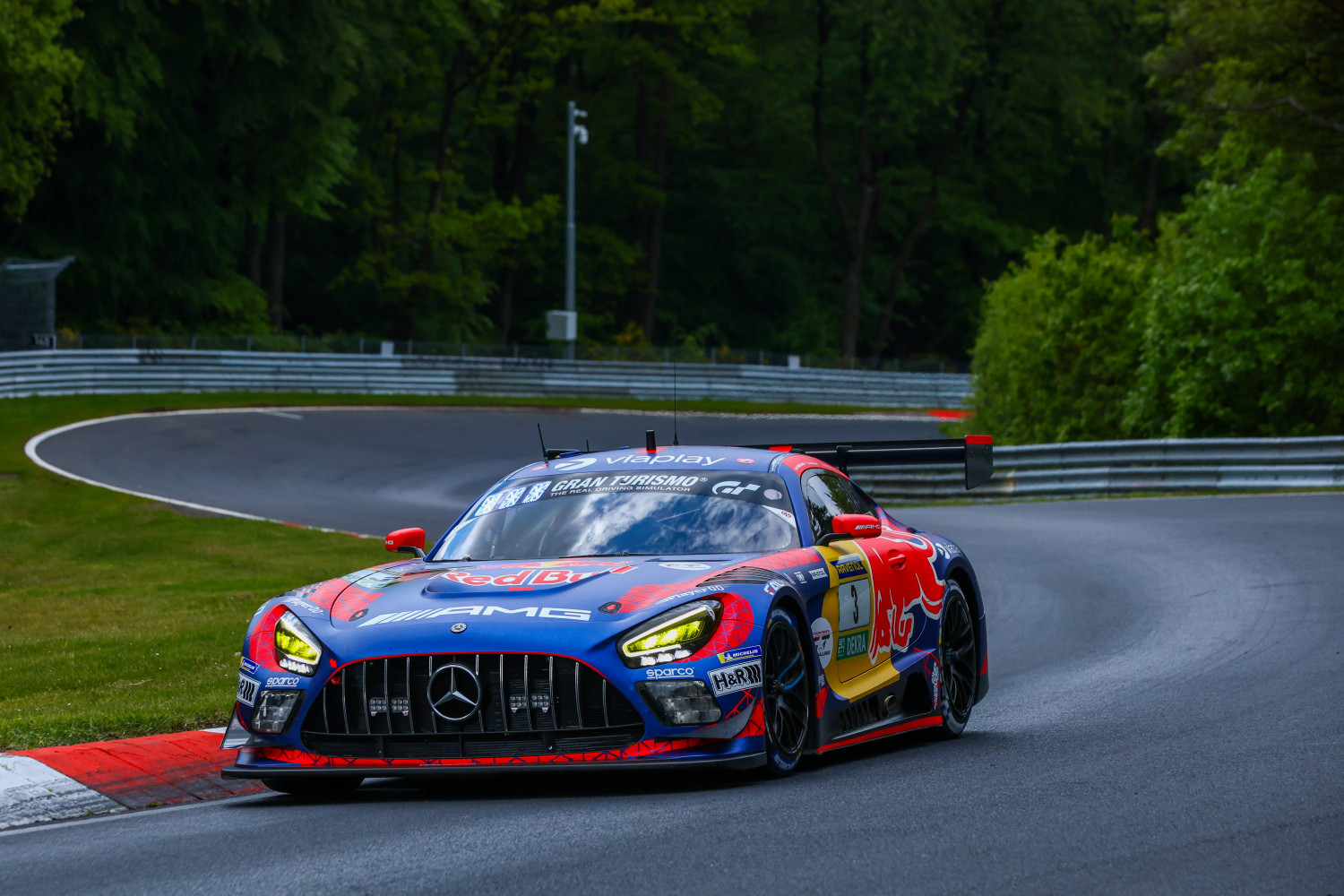
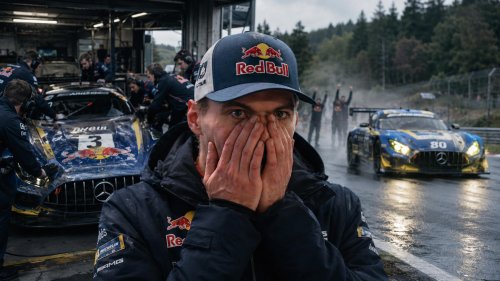
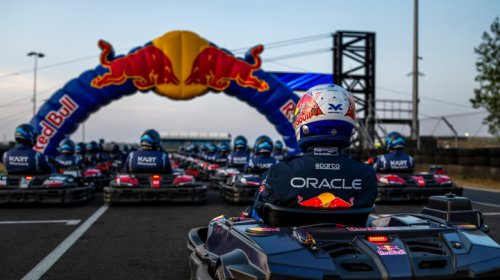
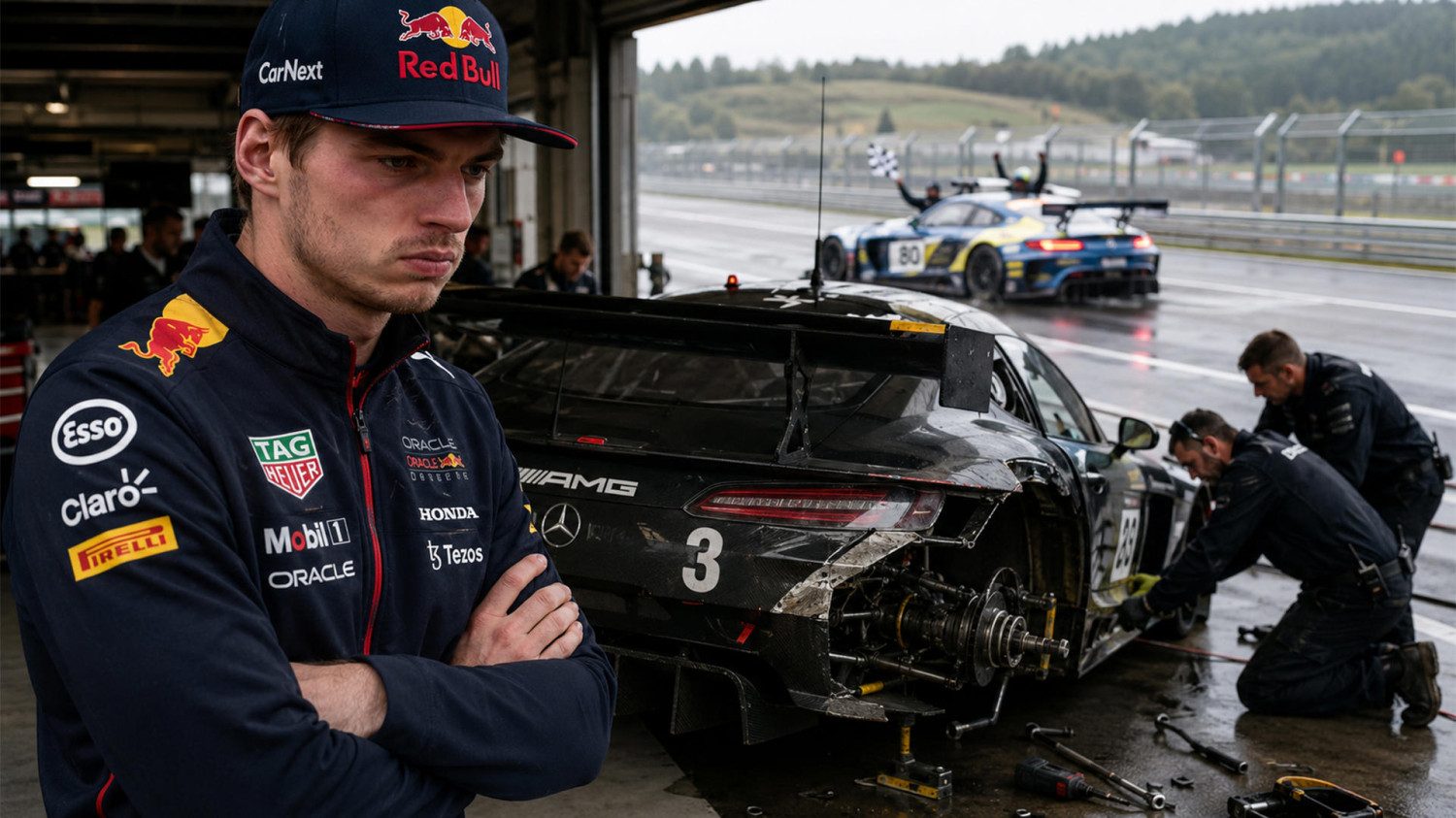
New Max Verstappen Driveshaft Failure Theory Emerges After Nürburgring 24 Hours HeartbreakA Victory Bid That Ended With One Broken PartMax Verstappen’s Nürburgring 24 Hours debut had almost everything: speed, traffic battles, a huge crowd, a lead fight, and the sense that one of Formula 1’s biggest names might win one of GT racing’s hardest events at the first attempt.Then the #3 Mercedes-AMG GT3 broke.The Verstappen Racing entry, shared by Verstappen, Dani Juncadella, Jules Gounon, and Lucas Auer, had led for hours before a late driveshaft failure knocked it out of victory contention with just over three hours remaining. The car was eventually repaired and returned to the track, but the win was gone. The sister #80 Mercedes-AMG Team RAVENOL car inherited the opportunity and went on to claim Mercedes-AMG’s first Nürburgring 24 Hours victory since 2016.Now a new theory has added another layer to the story.The Theory Points Back to Contact With Maro EngelGT driver David Pittard has suggested that the failure may not have been born in the final stint at all.According to PlanetF1, Pittard pointed to earlier contact between Verstappen and Maro Engel during their battle for the lead. Verstappen and Engel had been running closely overnight when Engel pulled alongside approaching Tiergarten. The two cars made contact, with Verstappen’s right-rear area reportedly bouncing off Engel’s front-left corner.Pittard’s theory is that this kind of contact could have started a fatigue process in the right-rear corner of the #3 Mercedes, even if the car continued running strongly afterward. He stressed uncertainty rather than claiming proof, but said that the earlier Engel-Verstappen contact was the first thing that came to mind when considering the later failure.That distinction matters.This is not an official finding from Mercedes-AMG. It is a racing driver’s interpretation of what might have happened, based on where the damage appeared and what kind of contact the car had taken earlier.Why a Delayed Failure Is PlausibleEndurance racing often hides damage before it reveals it.A GT3 car can survive contact and continue at competitive speed, especially if the immediate symptoms are small. But drivetrain parts, suspension components, bearings, shafts, joints, and mounts can carry stresses that worsen over time. A hit that seems survivable in the moment may become important hours later, after more kerb strikes, braking loads, acceleration forces, and vibration.That is why Pittard’s theory is interesting, even if unproven.The #3 Mercedes did not instantly fall out of the race after the Engel contact. It kept running at the front. But the Nürburgring is not a short circuit where a wounded part only needs to survive a few more laps. It is a 24-hour race over one of the roughest and most varied tracks in the world.A small weakness can become a race-ending failure long after the original incident.The Official Story Remains a Driveshaft FailureThe confirmed part of the story is the failure itself.Juncadella was driving when the #3 Mercedes began losing pace and returned to the pits. Reports from the race identified a driveshaft problem, with the car dropping from the lead and later finishing far down the order after repairs. Reuters reported that the failure came roughly three hours and 20 minutes before the finish, ending Verstappen’s hopes of a debut win.Other race coverage also described the broken driveshaft as the decisive issue that removed the #3 Mercedes from contention after it had led for much of the race.What remains unresolved is the chain of cause and effect.Was the driveshaft failure simply mechanical bad luck? Was it linked to mileage, kerb use, fatigue, or unseen stress? Did earlier contact contribute? At this stage, the careful answer is that the contact theory is plausible enough to discuss, but not established enough to treat as fact.Verstappen’s Aggressive Race Was Part of the SpectacleOne reason the theory has attracted attention is that Verstappen’s race was anything but anonymous.PlanetF1 highlighted several aggressive and high-profile moments from his stint, including decisive moves through traffic and a fight for the lead with Engel. The same report described Verstappen overtaking the #47 Mercedes-AMG, attacking a Porsche into Turn 1, and making a double pass involving a Ford Mustang and Aston Martin on the Döttinger Höhe.That is exactly what made his Nürburgring debut so compelling.Verstappen did not drive like a guest star trying to stay out of trouble. He drove like a front-runner trying to win. That brought excitement, but it also placed him inside the normal risk profile of the Nürburgring 24 Hours: traffic, close fights, tight margins, and physical contact.The Nordschleife does not make exceptions for Formula 1 champions.Mercedes Still Got the Win, But Not the FairytaleThe twist is that Mercedes-AMG still left the Nürburgring with the biggest prize.The #80 Mercedes-AMG Team RAVENOL car, driven by Maro Engel, Luca Stolz, Fabian Schiller, and Maxime Martin, won after starting from 25th on the grid. Official race coverage described it as Mercedes-AMG’s first victory in the event for a decade, with Engel also part of the brand’s previous winning lineup in 2016.That made the result feel almost split in two.For Mercedes, it was redemption after a long wait. For the Verstappen Racing crew, it was a painful near-miss. The #3 car had the attention and the lead. The #80 car had the reliability and the finish.In endurance racing, that is often the difference between the story people remember and the car that actually wins.Verstappen’s Debut Still Changed the RaceEven without victory, Verstappen’s presence changed the scale of the event.Reuters reported that the race drew a record crowd of 352,000 and sold out for the first time. His involvement brought Formula 1 fans into a race already revered by endurance specialists, and his performance showed that the interest was not just celebrity-driven.He was quick. He fought for the lead. His car was a genuine victory contender.That is why the driveshaft failure became such a major talking point. It did not end a midfield novelty run. It ended a serious attempt to win the Nürburgring 24 Hours on debut.The Contact Theory Adds Drama, Not CertaintyThe most responsible way to view the new theory is as a possible explanation, not a conclusion.Pittard’s argument is logical enough to deserve attention: right-side contact, later right-rear trouble, and a driveshaft failure that may have involved accumulated fatigue. But without Mercedes-AMG confirming the root cause, it remains one driver’s informed view rather than the final answer.That uncertainty is part of what makes endurance racing so absorbing.Failures rarely arrive with a single clean explanation. They are often the result of stress building across hours: contact, kerbs, heat, vibration, setup loads, traffic, and the sheer punishment of the track. The final broken part is visible. The path that weakened it can be much harder to prove.The Nürburgring Left Verstappen With Unfinished BusinessVerstappen’s first Nürburgring 24 Hours did not end with the trophy he seemed close to earning.But it did leave a powerful impression. He adapted quickly, ran at the front, helped put the #3 Mercedes in position to win, and left the race with one of the event’s biggest unresolved questions.Was the failure just the random cruelty of endurance racing, or did a hard lead battle plant the seed of the disaster?For now, the answer remains uncertain.What is clear is that the Nürburgring did what it so often does. It turned speed into hope, hope into pressure, and pressure into heartbreak. Verstappen proved he could fight at the front of the Green Hell.The car simply could not survive long enough to let him finish the story.


















 +29 others