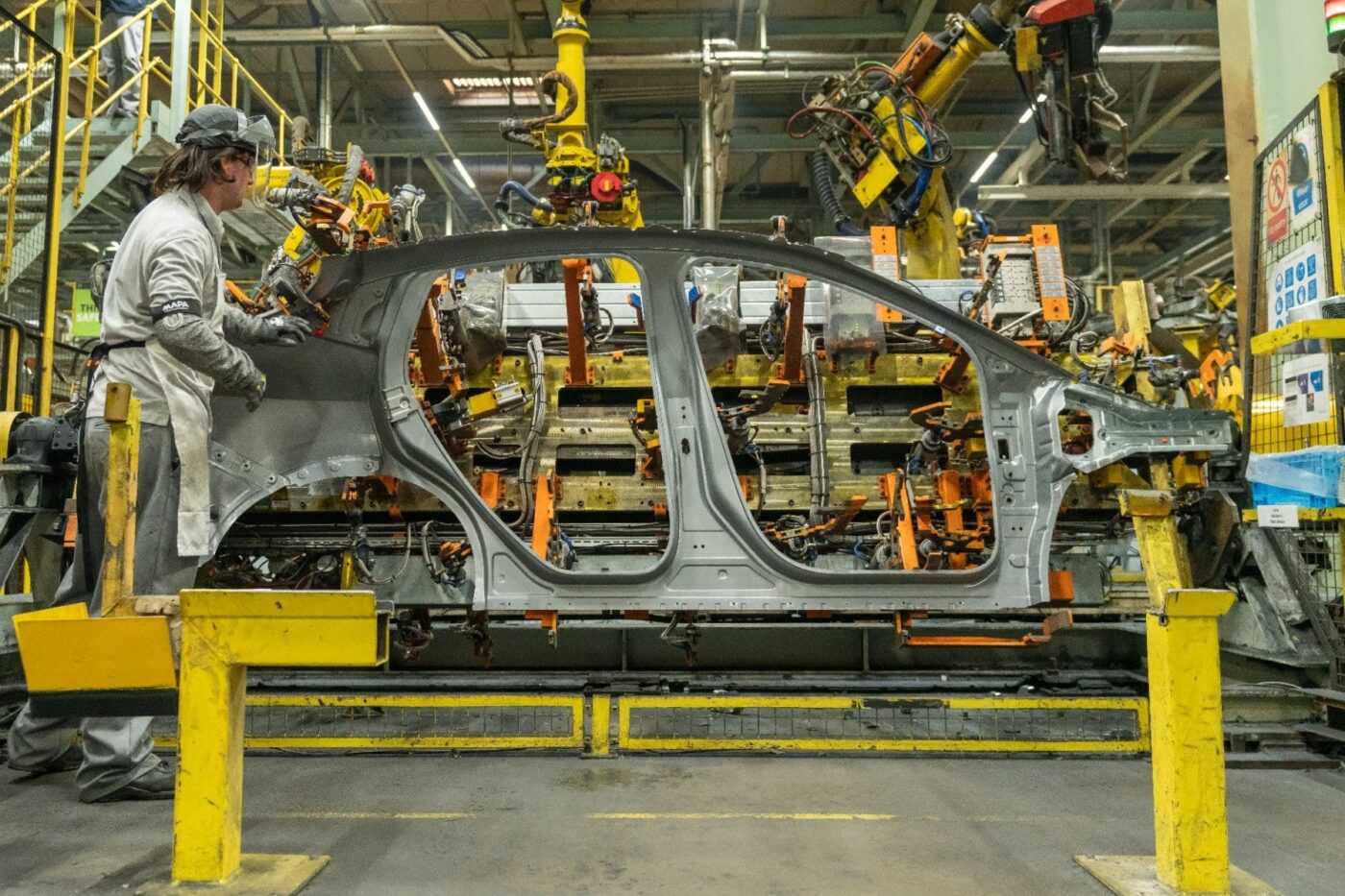
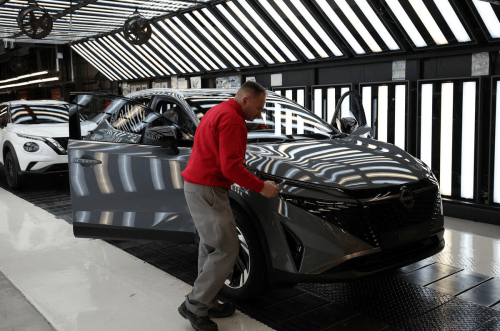
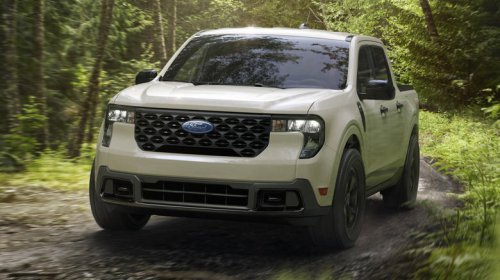
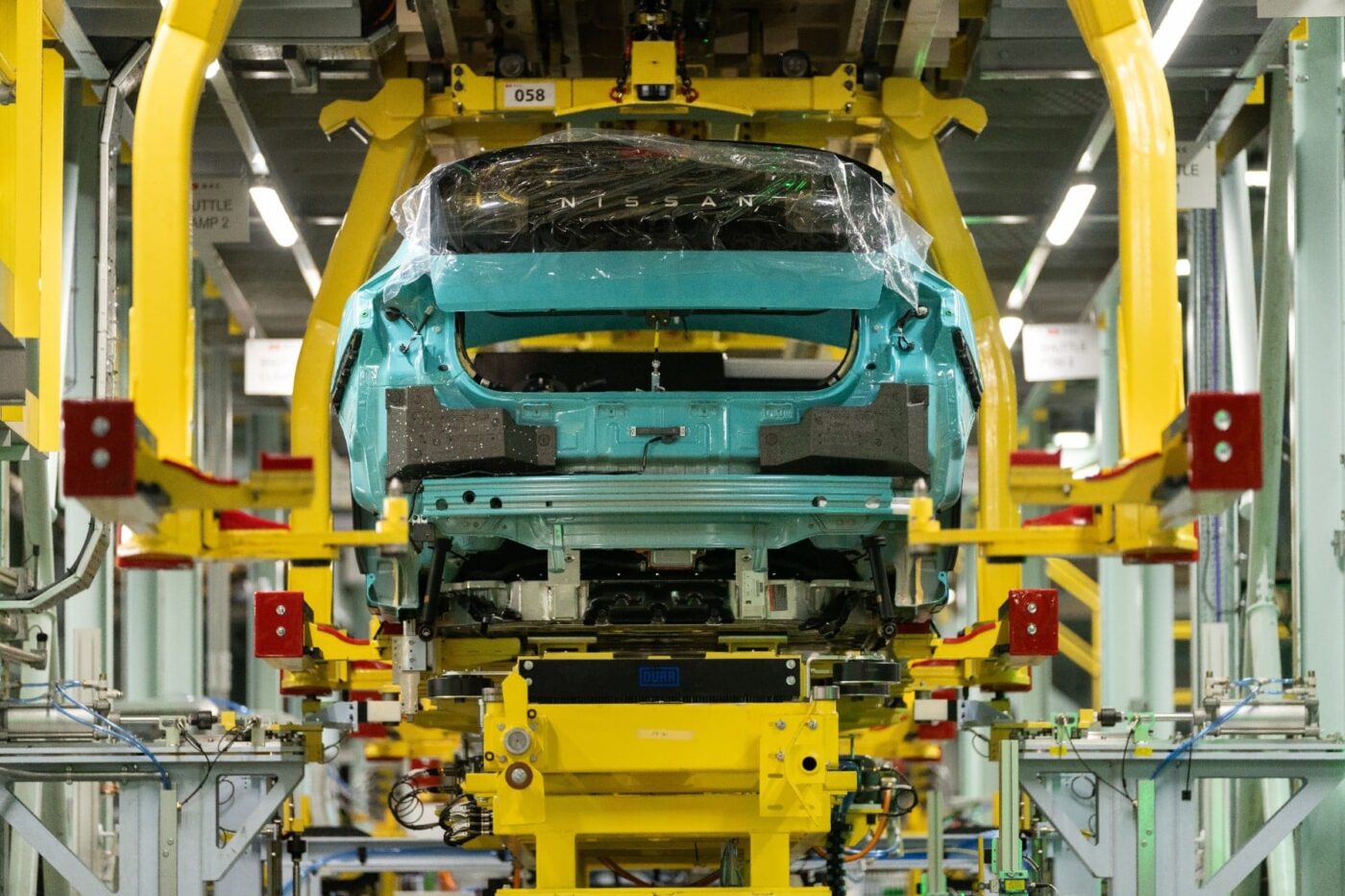
Image: NissanFrance’s Minister for Trade told the Financial Times that Paris is urging Brussels to address Britain’s exclusion from the planned rules. ‘We need to clarify this problem. They are not part of the EU, but they are very close neighbours. Naturally, they are highly integrated – so how do we resolve this?’ Nicolas Forissier said, according to the article. He added: ‘It should be discussed. I think it’s an important issue.’With these remarks, France is signalling a willingness to engage with Britain over the key question of UK inclusion.What does this mean in practice? In March 2026, the European Commission presented the ‘Industrial Accelerator Act’, a legislative package designed not only to support the growth of European industry but also to reduce dependence on the United States and China in key sectors, including the automotive industry. If adopted in its current form, battery-electric vehicles and other products would need to demonstrate a high share of value creation within the EU to qualify for financial support from member states, such as subsidies or public procurement contracts.However, the European Commission acknowledges the importance of maintaining an open market and plans to allow products from partner countries with which the EU has close relationships or free trade agreements — but only in cases of greater reciprocity. In practice, this means partner countries must also ensure unrestricted access for EU products. The Commission now intends to assess this reciprocity on a sector-by-sector basis, with no predetermined outcome. This approach has recently increased concerns in Britain.So far, the EU Commission has presented and approved the Industrial Accelerator Act (IAA). However, the legislation still requires approval from both the member states and the European Parliament before it can take effect. Amendments remain possible during the process, including potential provisions to integrate Britain into the regulation.Nissan highlighted the potential impact of the Industrial Accelerator Act on Britain in March. The Japanese carmaker warned the British governmentof severe consequences for its Sunderland plant if the UK were excluded from the ‘Made in EU’ rules. Nissan is one of the largest employers in the British automotive industry and directly employs 6,000 people at the Sunderland factory. According to the Financial Times, the associated supply chain supports around 30,000 additional jobs.Ahead of the presentation of the Industrial Accelerator Act in March, the British government had lobbied strongly against strict ‘Made in EU’ rules. At the time, London stressed its close alignment with the EU. “The UK is a close and trusted European partner, committed to our shared security and economic co-operation,” a government spokesperson said in March. “Now is the time to work together as like-minded partners to boost growth, resilience and economic security.”The ongoing sector assessment for the automotive industry therefore holds enormous significance for companies manufacturing vehicles in Britain for the entire European market – including not only Nissan but also JLR and Toyota. The EU remains the largest export market for the British automotive sector, and industry representatives have warned of an “existential threat” posed by such regulations.ft.com (Paywall)



















 +32 others