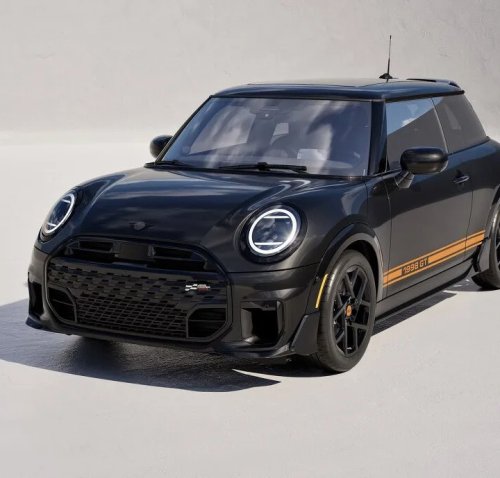
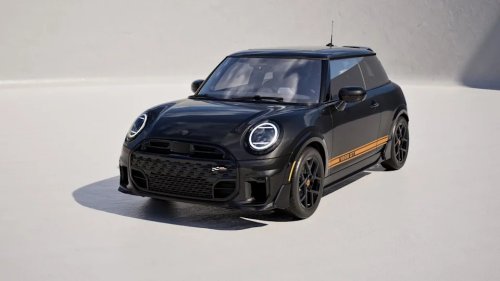
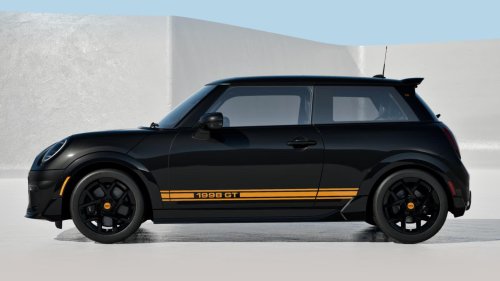
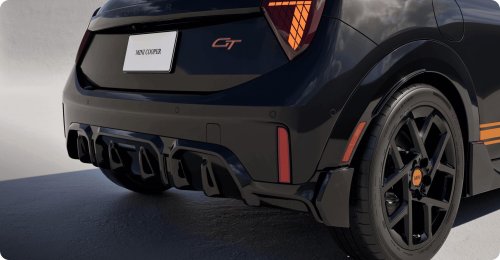
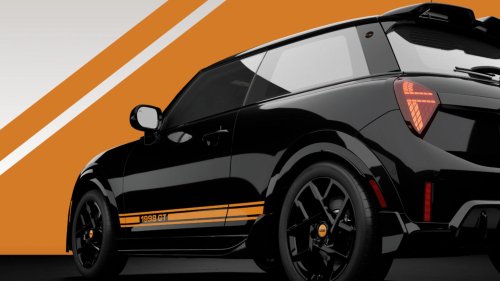
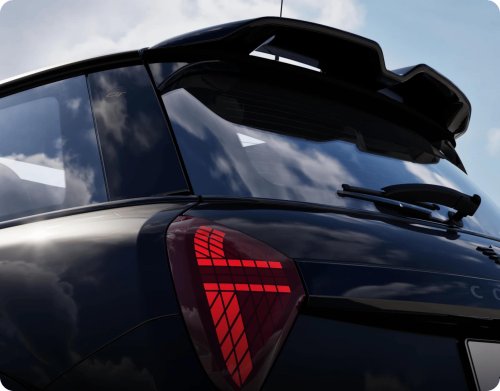
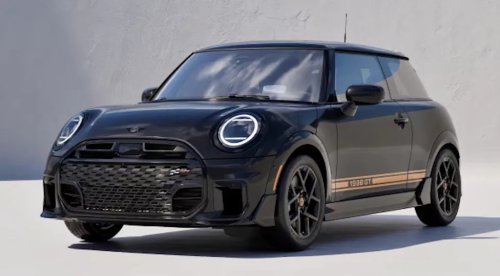
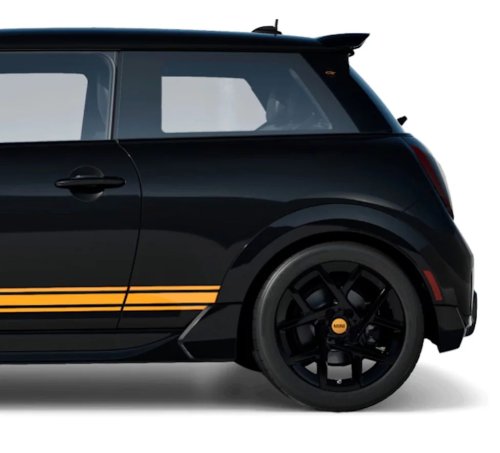
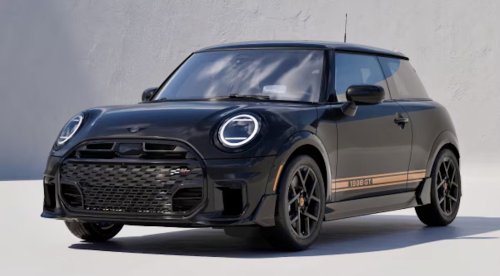
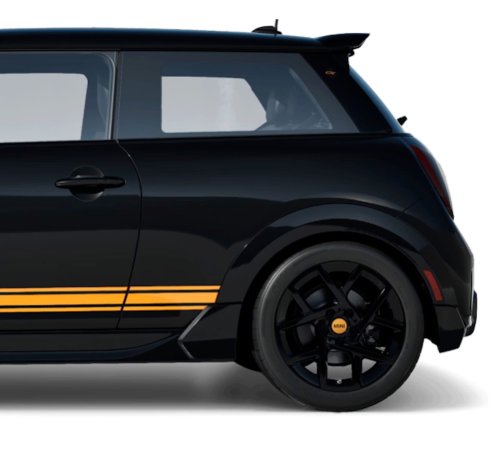
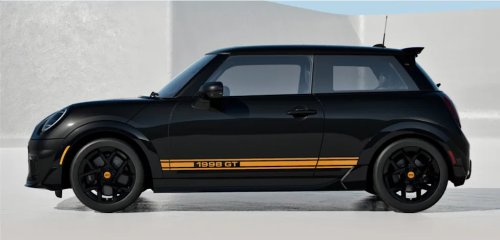
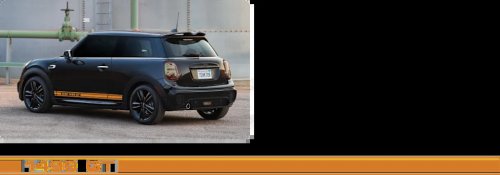
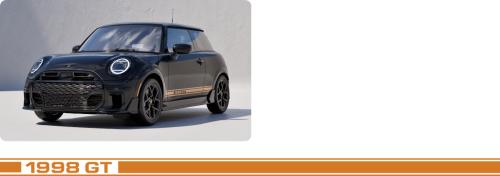
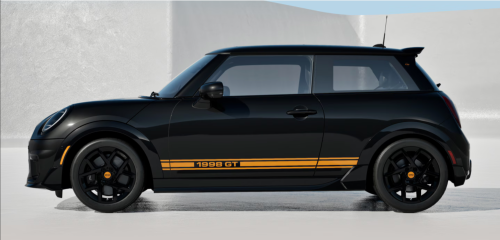
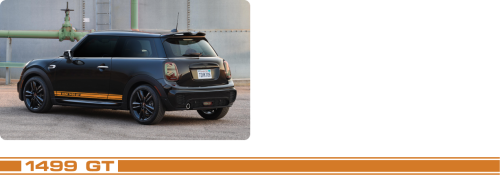
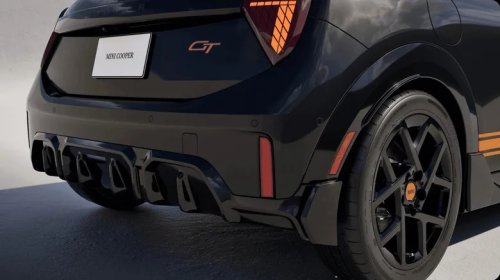
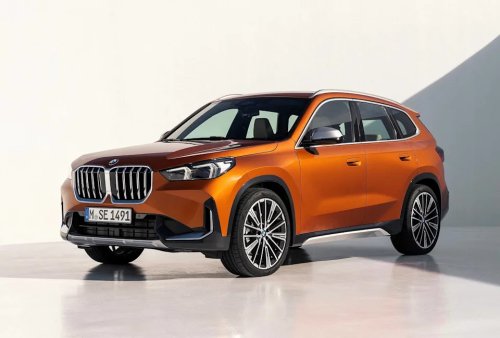
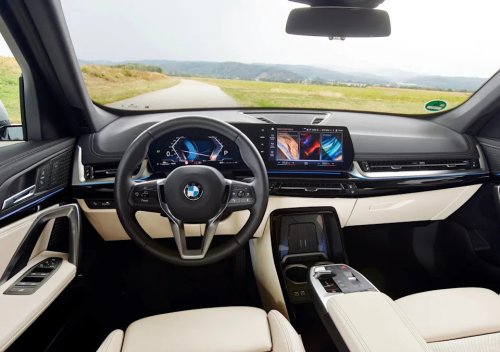
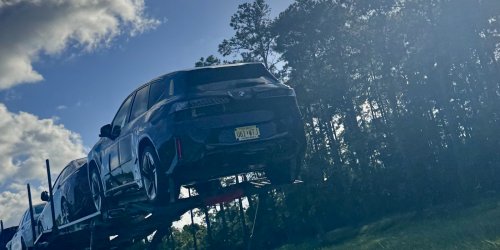
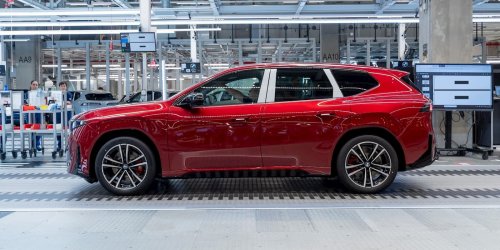
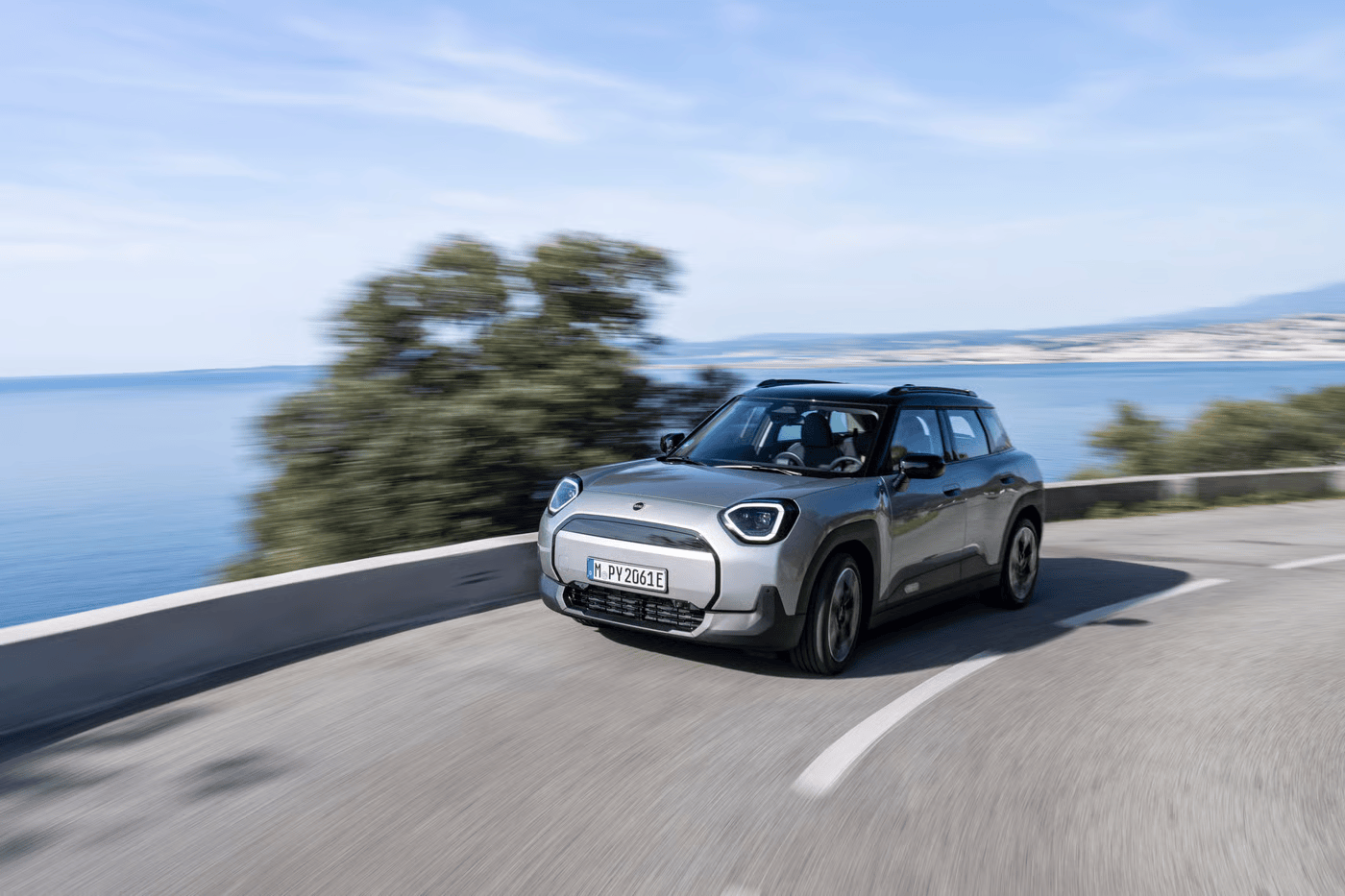
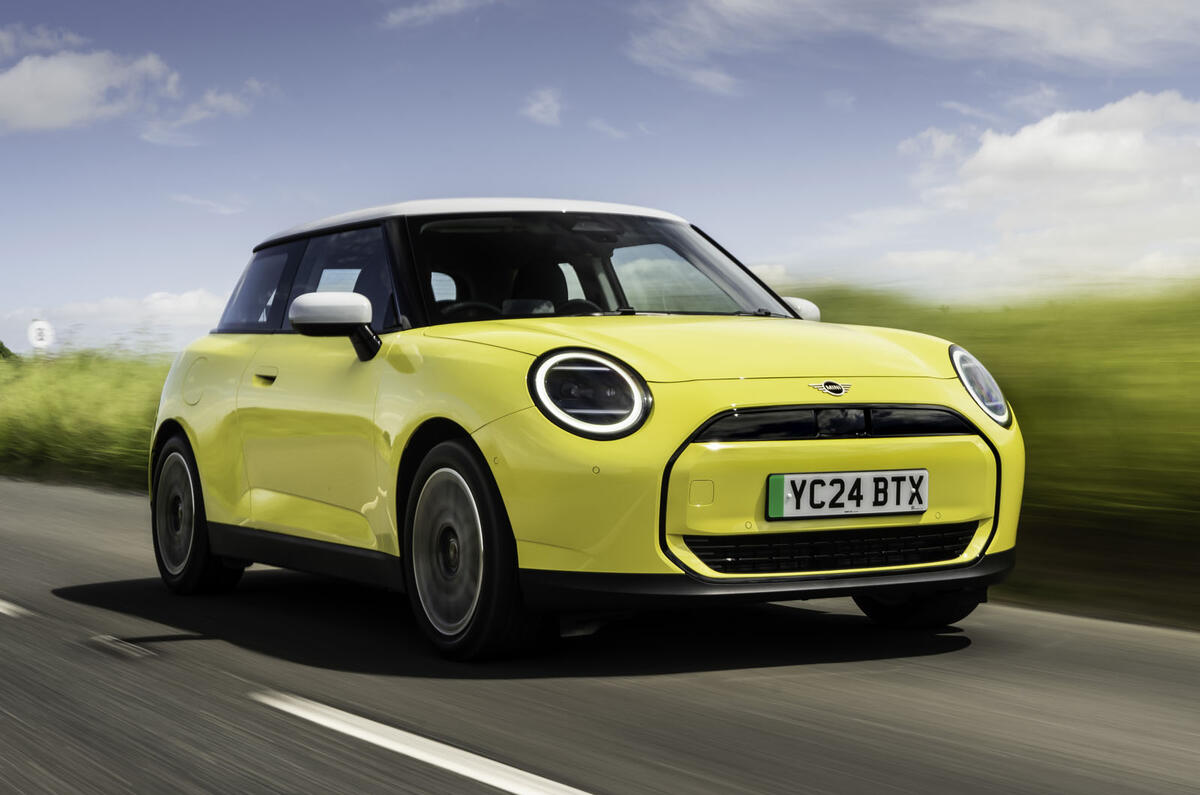
If negotiations succeed, the 20.7% additional duty could be replaced by a minimum import price mechanism. Following Volkswagen, BMW is also seeking an exemption from European Union tariffs on electric vehicles produced in China. Handelsblatt, citing sources familiar with the matter, reported that BMW is engaged in in-depth negotiations with the European Commission over a “minimum pricing mechanism” intended to replace the additional tariffs imposed on China-made Mini EVs. According to two sources cited by Handelsblatt, both the EU and BMW are interested in reaching an agreement. BMW declined to comment. The talks stem from the EU’s decision in late October 2024 to impose additional duties on EVs produced in China after concluding an anti-subsidy investigation. The tariffs directly affect two Mini models under BMW’s subsidiary, the Mini Aceman and Mini Cooper electric variants. BMW Mini Aceman EV These vehicles face an additional tariff of 20.7%, on top of the existing 10% base duty, bringing the combined rate to 30.7%. This level exceeds the 27.0% tariff applied to BYD and the 17.8% rate levied on Tesla. If negotiations succeed, the 20.7% additional duty could be replaced by a minimum import price mechanism. In January 2025, BMW filed a lawsuit challenging the additional levies. However, company insiders indicated that legal proceedings may not advance until mid-year, making a negotiated resolution a more pragmatic option before any formal ruling. In January 2026, the European Commission issued guidance allowing automakers to substitute additional tariffs with a minimum import price scheme, though conditions remain stringent. Companies must disclose minimum import pricing and distribution channels and may be subject to volume restrictions if necessary. BMW Mini Cooper EV Mini electric models are among Germany’s best-selling EVs. According to data from the Kraftfahrt-Bundesamt (KBA), electric Mini vehicles ranked eighth in new registrations in January this year. BMW developed the platform for these electric Mini models through a joint venture with China’s Great Wall Motor and manufactures them in China for export to Europe. The EU has previously reached a similar arrangement with Volkswagen. In early February, the Volkswagen-owned Cupra brand secured a tariff exemption for its fully electric Tavascan model. Comparable agreements may follow, with Chinese automakers reportedly monitoring the possibility of obtaining exemptions for their EV exports to the EU.



















 +51 others