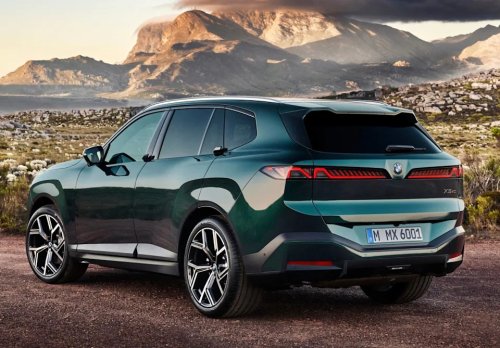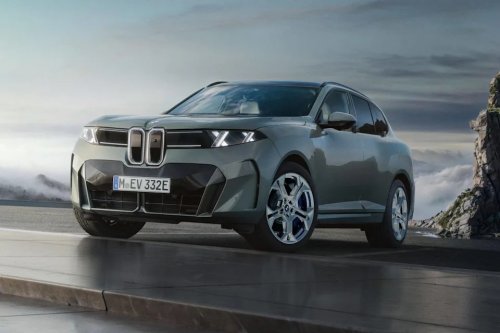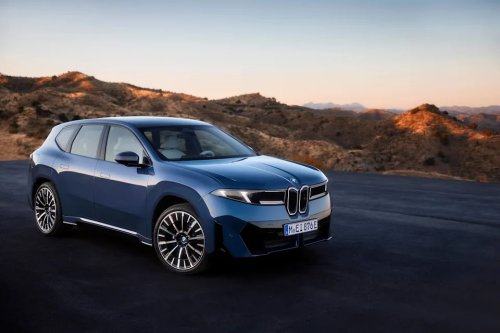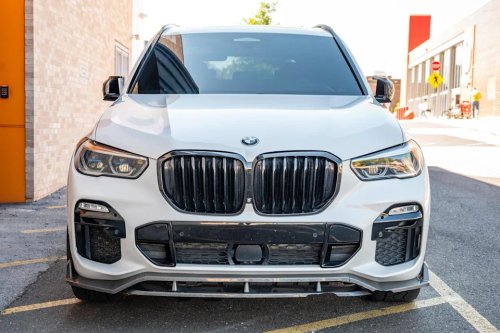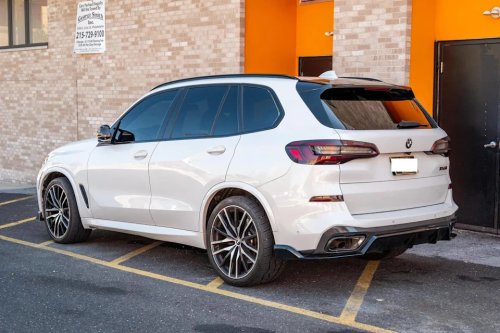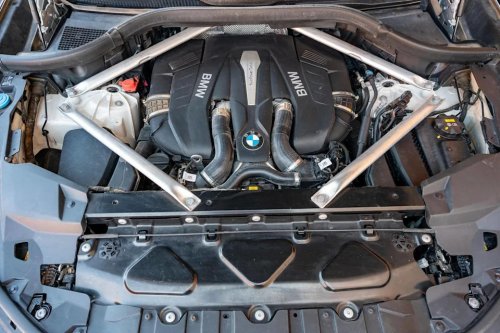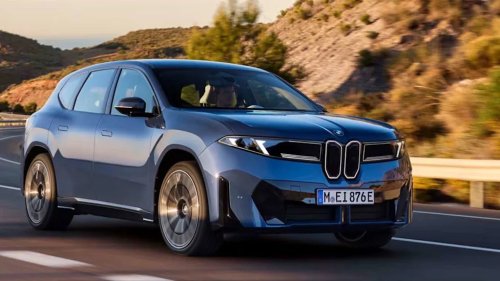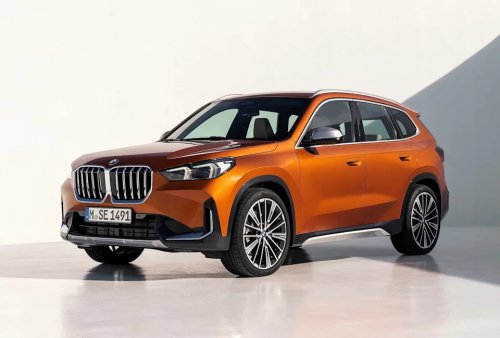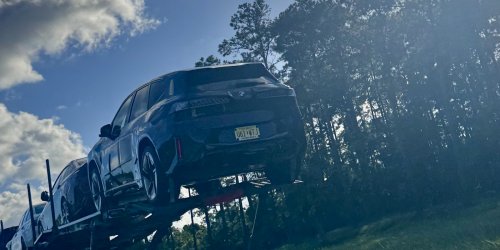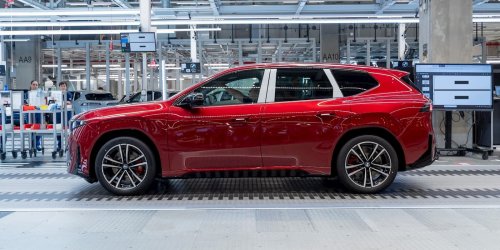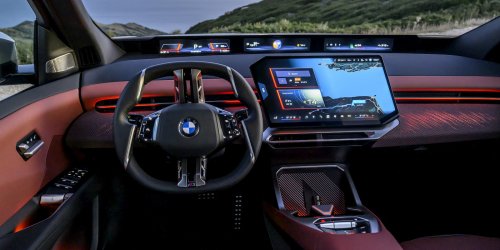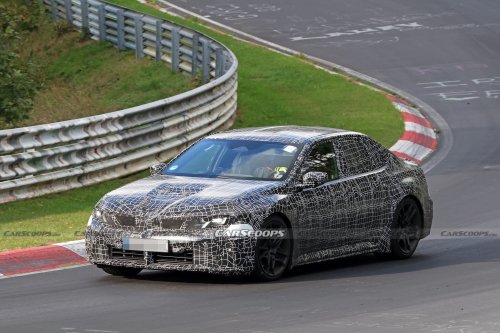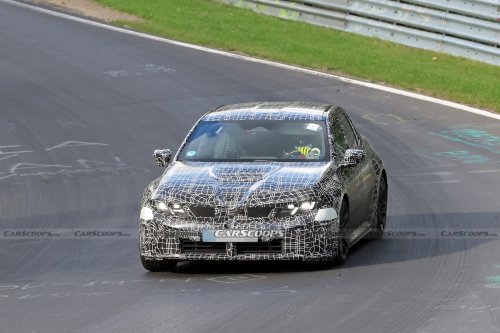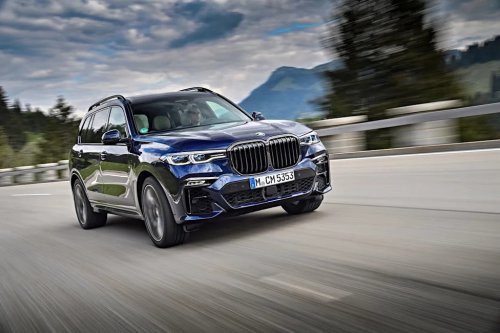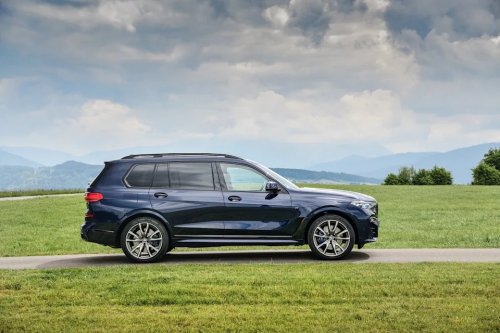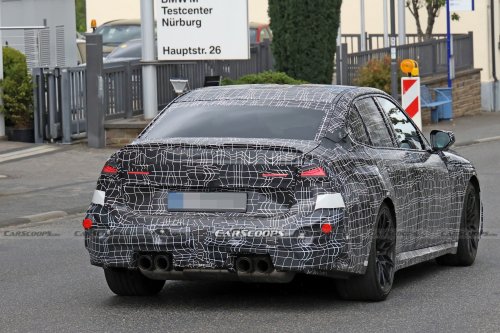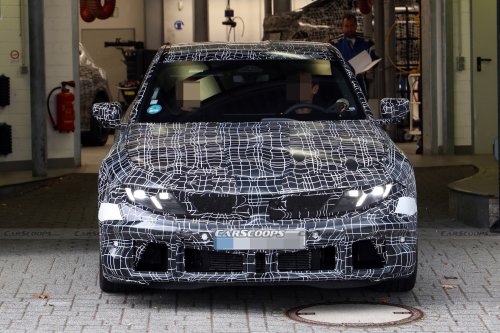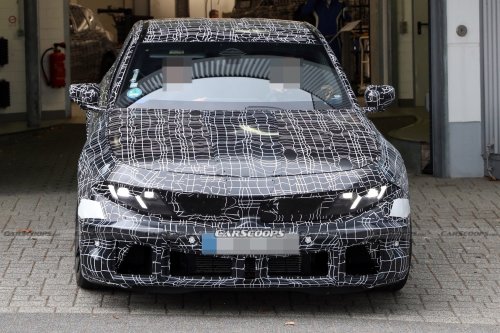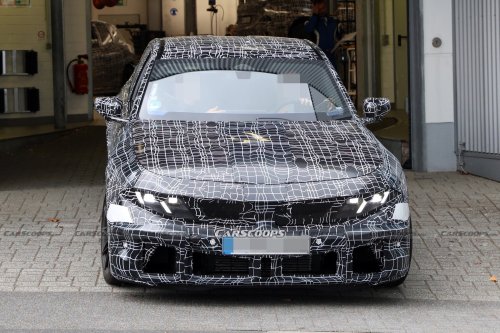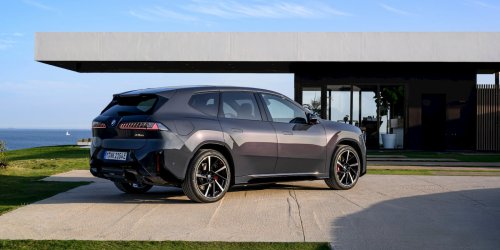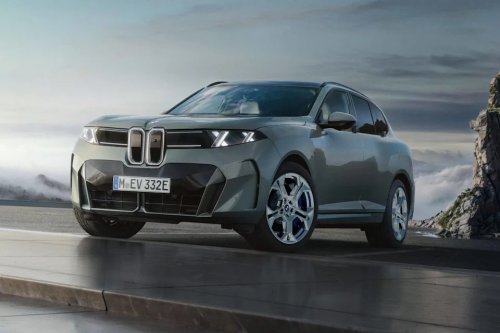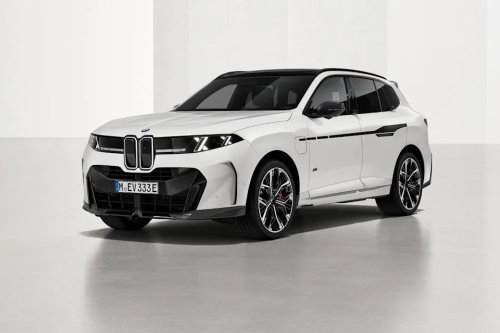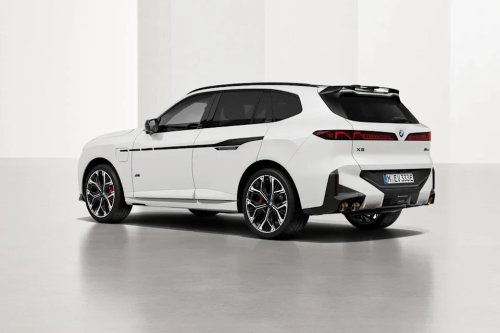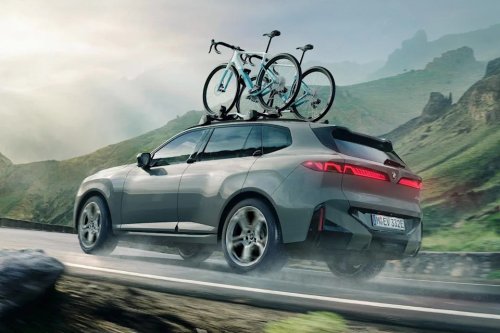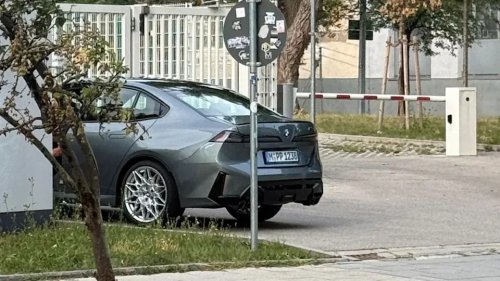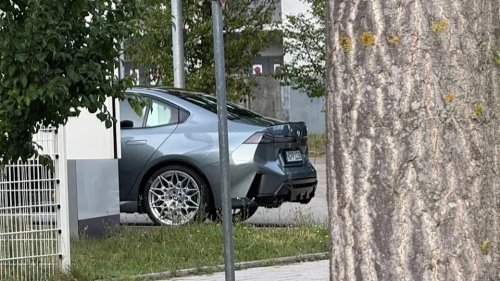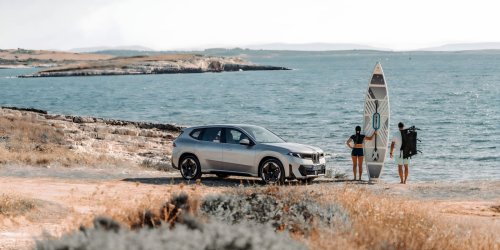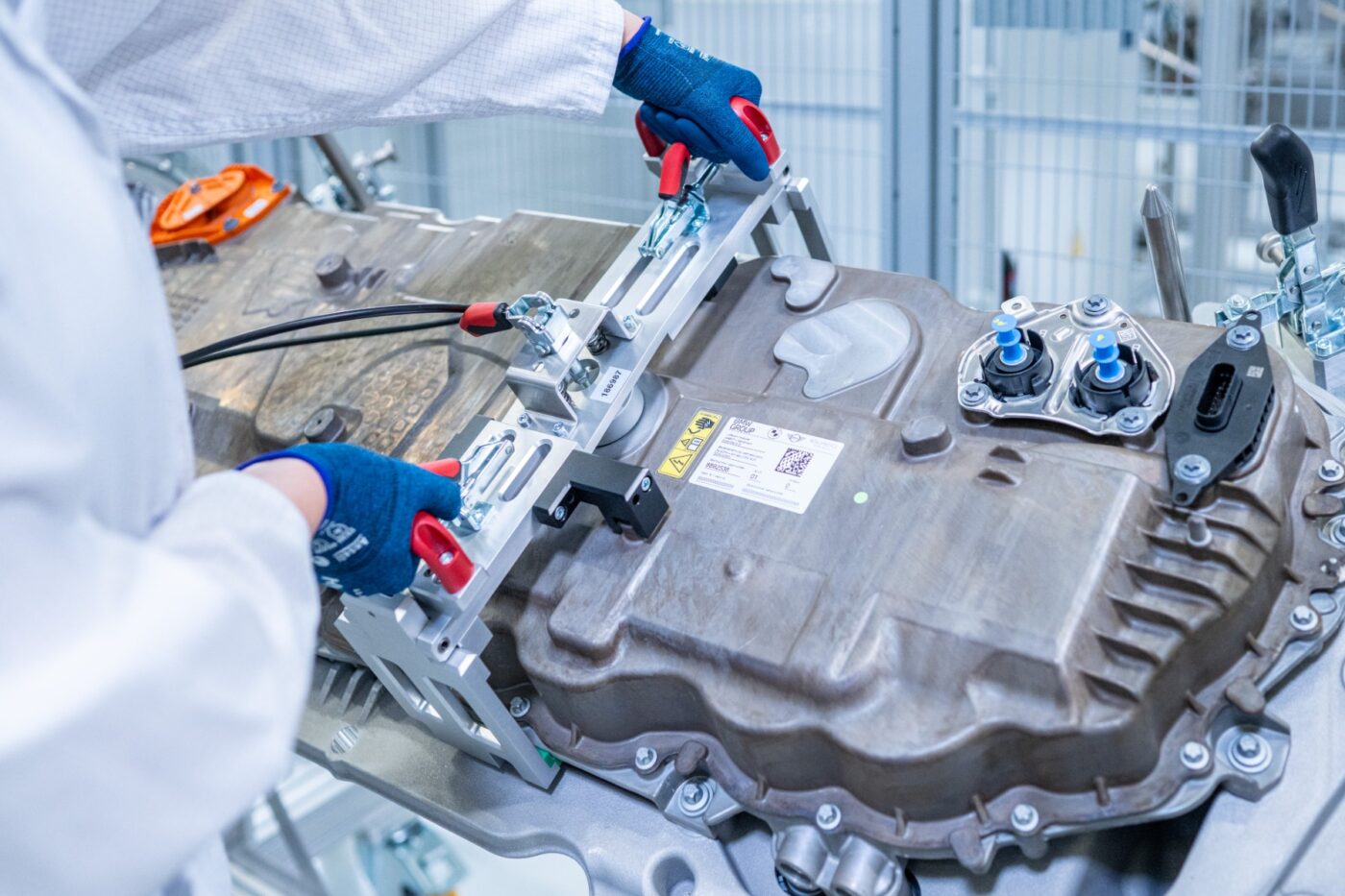



















Image: BMWBMW has already confirmed plans to launch a series-production fuel-cell vehicle by 2028. The X5 appears to be the most likely candidate, as the Munich-based carmaker’s current hydrogen pilot fleet of 100 iX5 Hydrogen vehicles is also based on the SUV model line (read our test drive review here).According to BMW’s internal classification, this marks the third generation of its fuel-cell powertrain. In the first generation, Toyota supplied the complete fuel-cell drivetrain, while BMW integrated the system into the vehicle, tested it and gathered experience from the programme.For the second generation used in the iX5 Hydrogen, Toyota supplied only the individual fuel cells, while BMW developed the overall system itself. The third generation will see both companies jointly develop the technology to create synergies for use in BMW passenger cars and Toyota commercial vehicles.BMW has also updated other components of the system. The future production model will use new hydrogen tank technology called BMW Hydrogen Flat Storage. According to the manufacturer, the system makes particularly efficient use of the available installation space and remains compatible with the Gen6 high-voltage battery without reducing interior space.BMW says this approach will allow fuel-cell electric vehicles to be built on the same production line as models with other drivetrain types. Thanks to the arrangement and size of the tanks, the FCEV model is expected to achieve a range of up to 750 kilometres.However, there is still a long way to go before these vehicles enter mass production. At the BMW Group’s Landshut plant in Germany, pre-series production of the central control unit for the company’s hydrogen powertrain—announced in September—has now begun. The so-called ‘Energy Master’ intelligently controls the high-voltage battery and, together with the third-generation fuel cell system, is designed to ensure ‘assured driving dynamics.’BMW says the expertise available at the site also creates synergies between hydrogen-powered and battery-electric drivetrains. According to the manufacturer, the close integration of electrical and electronic expertise with industrial-scale series production makes the plant well suited to manufacturing components for both technology paths.BMW is also developing and producing the Energy Master entirely in-house for the first time.At the same time, BMW is expanding production of the control unit for the battery-electric vehicles of the Neue Klasse at the site—and is already one step ahead in the electric vehicle segment. The control unit for the BMW iX3 and the i3 has been in series production since last year. With the second production line, capacities are set to nearly double.bmwgroup.com