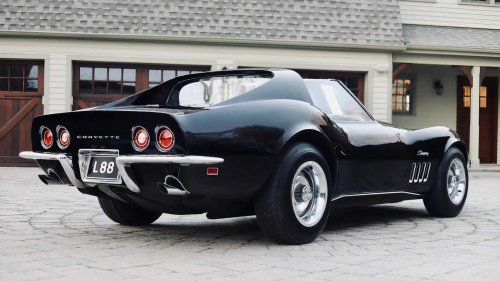
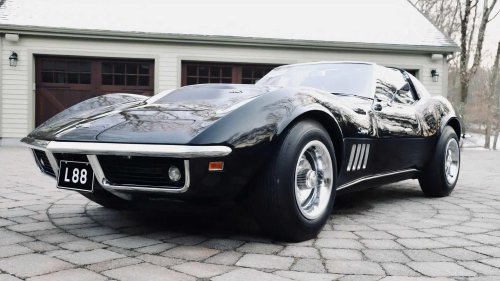
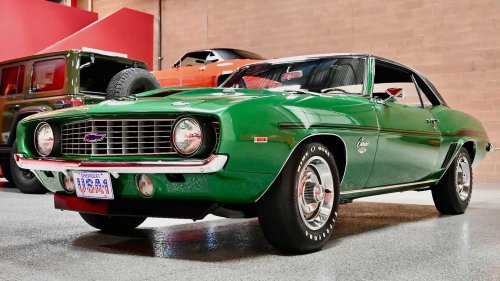
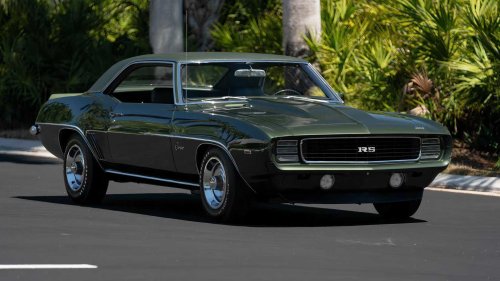
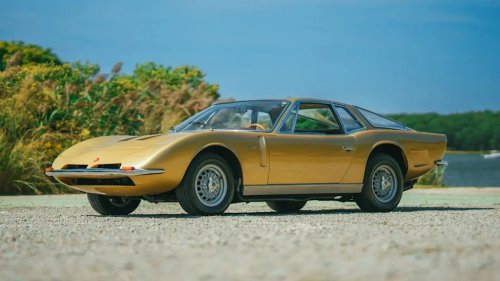
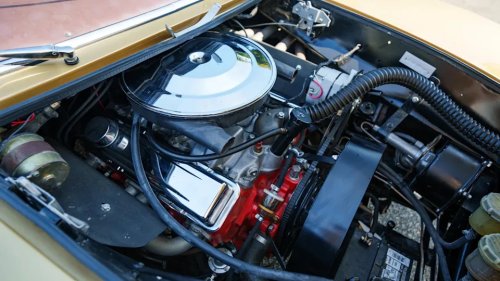
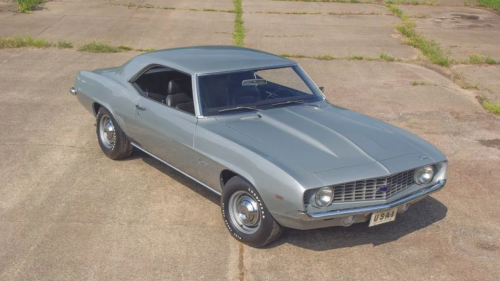
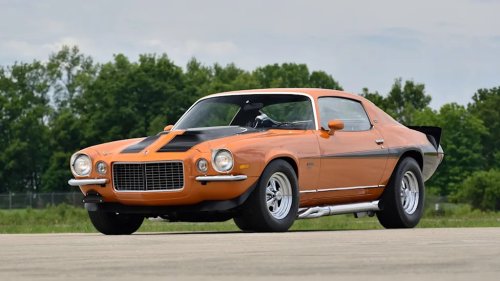
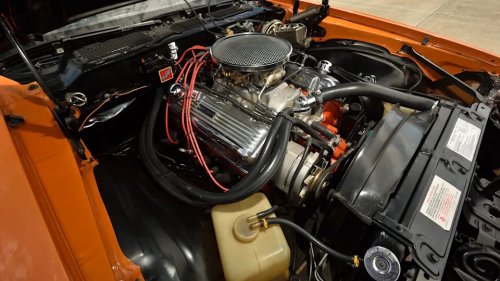
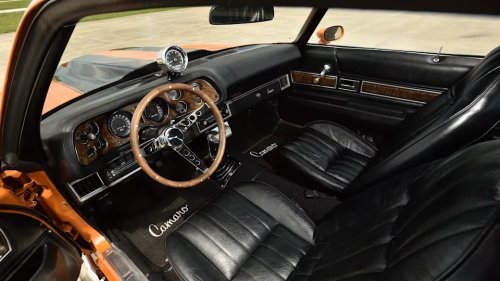
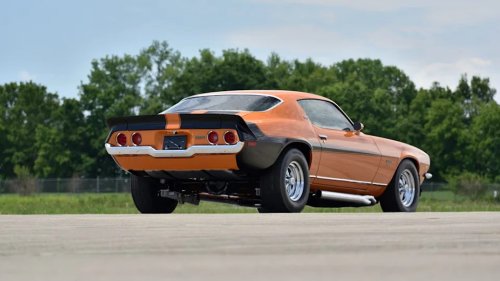
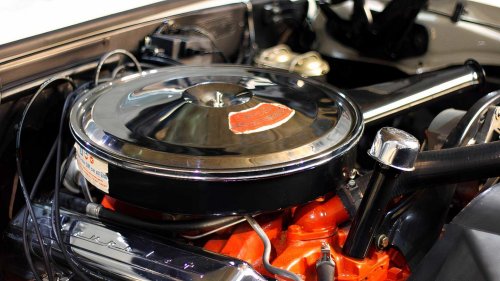
The late 1960s were the height of the muscle car wars. Automakers from Detroit were locked in a horsepower and torque battle, with each brand trying to outdo the other. For Chevrolet, this was an era of experimentation and engineering daring. Big block engines became the weapon of choice, and torque figures climbed higher with each new release. Within this wave of innovation, one car emerged as the clear torque leader, wearing a number that still resonates with collectors and historians today.Chevrolet’s lineup during this period included legendary names like the Camaro, Chevelle, and Impala. Each delivered serious performance, but one specific Corvette option package would stand above the rest in terms of torque. This car not only represented the pinnacle of Chevy engineering but also demonstrated how torque, more than just horsepower, shaped the real-world dominance of muscle cars on the street and the track. The '67 Chevrolet Corvette L88 Was A Torque Giant Bring A TrailerWhen Chevrolet introduced the L88 engine option for the Corvette in 1967, it effectively redefined what the company could achieve in a muscle car. The L88 was a 427 cubic-inch big block V8 with aluminum heads, a racing camshaft, and an incredibly high 12.5:1 compression ratio. It was officially rated at 430 horsepower, but that number was widely understood to be conservative. Torque was officially listed at 460 lb-ft, giving the Corvette the highest torque output of any Chevy muscle car produced in the 1960s. Some technical documentation from the period even suggests a rating closer to 470 lb-ft, underscoring just how formidable the L88 really was.Bring A TrailerThis torque output placed the L88 Corvette in a league of few (more on that later). Compared with other Chevy big blocks of the era, the L88’s ability to deliver immense pulling power was unmatched. Its figures rivaled not only other Chevrolets but also the top-tier engines offered by Chrysler and Ford at the time. Unlike many muscle cars that balanced performance with street usability, the L88 was purpose-built for racing. That fact made its torque numbers all the more significant because they translated directly into acceleration and top-end speed. Why The L88 Was Built For Racing Bring A TrailerChevrolet never intended the L88 to be a volume seller. This Corvette was a competition-ready machine designed primarily for sanctioned racing events. The engine’s internal components reflected this mission. Forged pistons, a solid-lifter camshaft, and heavy-duty connecting rods were all part of the package. A transistorized ignition system and an aluminum intake manifold further differentiated it from other big block offerings. Chevy Knew Its Target Audience Bring A TrailerThe car came stripped of everyday amenities. Buyers could not order a heater, air conditioning, or even a radio with the L88 package. Chevrolet knew the target audience would be racing teams and hardcore drivers, not suburban families looking for a comfortable cruiser. Priced at $947 over the cost of a base Corvette, the L88 was expensive, especially when factoring in the base sticker price of around $4,700 in 1967. But the buyers who understood what it offered knew they were getting the most capable Corvette of its time.On the track, torque was critical. The L88’s rating of 460 lb-ft allowed for explosive acceleration and rapid corner exit speeds. In drag racing, that torque translated to domination in the quarter mile, while in road racing it provided the flexibility to power out of curves with authority. Chevrolet may have downplayed its horsepower figures for insurance and marketing reasons, but the torque figure spoke for itself. The Corvette’s Place In The Muscle Car Wars Bring A TrailerThe second half of the 1960s was defined by escalating competition among muscle cars. Ford had its Cobra Jet Mustangs, Chrysler had the 426 HEMI, and Pontiac offered the GTO. Chevrolet countered with a wide range of muscle machines, but none stood taller than the Corvette equipped with the L88. Power With Exclusivity Bring A TrailerAt 460 lb-ft of torque, the L88 outpaced the Camaro Z/28, which made considerably less with its small block 302. It also exceeded the torque of mainstream Chevelle SS models powered by the 396 and even some versions of the 427. While Chrysler’s HEMI was officially rated higher at 490 lb-ft, no other Chevrolet of the 1960s matched the Corvette L88’s number. That distinction makes it the torque king within Chevy’s own stable during the golden age of muscle cars.The rarity of the package added to its mystique. Only 20 units were built in 1967, 80 in 1968, and 116 in 1969, bringing the total to just 216 cars. This extremely limited production run ensured that few enthusiasts ever got close to one when new. Today, collectors prize the L88 not just for its rarity but also because it represents the pinnacle of Chevrolet engineering during the muscle car era. How 460 Lb-Ft Stacks Up In The ’60s Bring A TrailerChevrolet’s decision to equip the Corvette L88 with such a high-torque engine gave the car an edge in nearly every type of competition. The Camaro Yenko conversions of 1969 and the Chevelle L72 came close with 460 lb-ft. Even Chevrolet’s other factory 427s, such as the L72 in standard Corvettes and Chevelles, topped out at the same number but lacked the additional engineering sophistication that made the L88 so potent on the track. More Than Just A Result Of Displacement Bring A TrailerOutside Chevrolet, comparisons are inevitable. Mopar’s 426 HEMI had an advantage on paper, but the Corvette’s lighter weight and advanced design often made real-world results more competitive. Ford’s 428 Cobra Jet also made impressive torque, but again, not in a Chevrolet. Within the Chevy muscle car family, the L88 remained untouchable in terms of twisting force.Another factor that made the L88’s torque rating significant was how deliberately it was achieved. Chevrolet engineers pushed compression ratios and tuned intake and exhaust systems to extract maximum efficiency from the engine. The 460 lb-ft figure wasn’t just a byproduct of displacement, it was the result of careful engineering designed to deliver dominance. The Other '60s Torque Monsters That Could Stand Up To The L88 Corvette Bring a TrailerWhile the Corvette L88 holds the crown as the most powerful torque figure in a 1960s Chevrolet muscle car, three other models reached the same 460 lb-ft mark and deserve recognition for doing so. 1969 Chevrolet Yenko Camaro American Muscle Car MuseumThe 1969 Chevrolet Yenko Camaro is one of the most famous dealer-modified muscle cars of all time. Don Yenko’s decision to install the 427 big block into the Camaro created a muscle car capable of standing alongside factory efforts. With 460 lb-ft of torque, the Yenko Camaro delivered explosive straight-line speed and remains a legend in its own right. 1969 Chevrolet Berger Double-COPO Camaro RS MecumThe 1969 Chevrolet Berger Double-COPO Camaro RS was another specialty build that relied on the 427 engine. With the same torque output, it offered a rare combination of big block power in a limited production package. These cars are exceptionally rare today, and their torque rating makes them historically significant within Chevrolet’s performance catalog. 1969 Chevrolet Chevelle L72 Street MuscleThe 1969 Chevrolet Chevelle L72 was the third Chevrolet to share the 460 lb-ft mark. Powered by a 427 V8 rated at 425 horsepower, the L72 Chevelle combined big block strength with a more practical midsize platform. While it lacked the exclusivity of the Corvette L88, its torque credentials were impressive and placed it among the most capable muscle cars of its time.Sources: Hagerty, Corvsport.