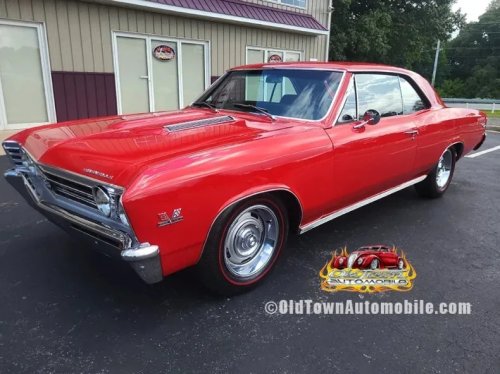
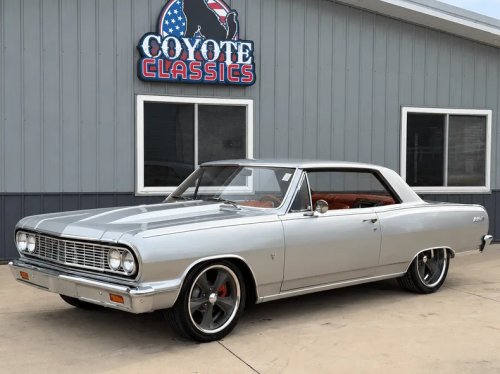
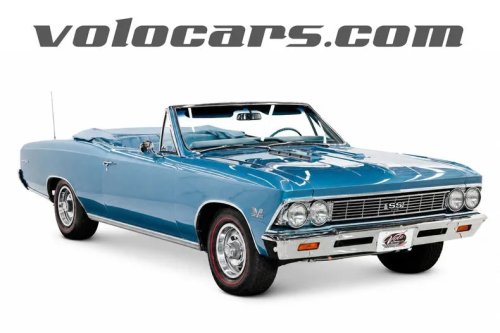
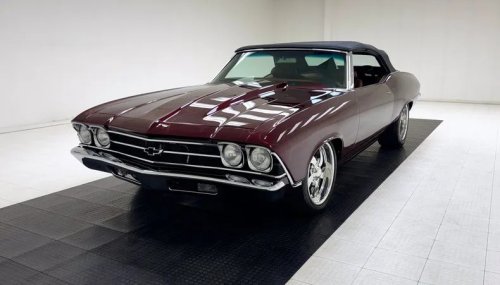
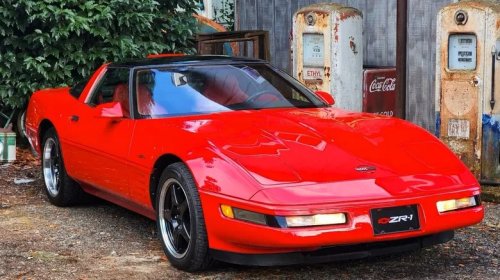
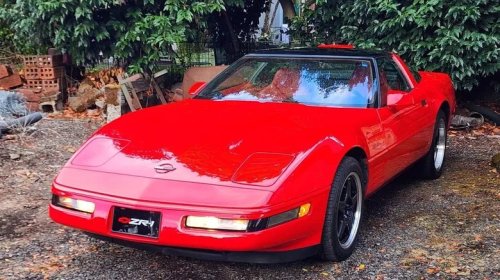
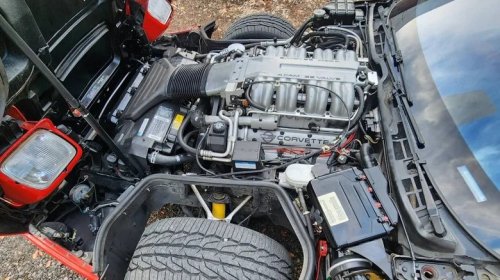
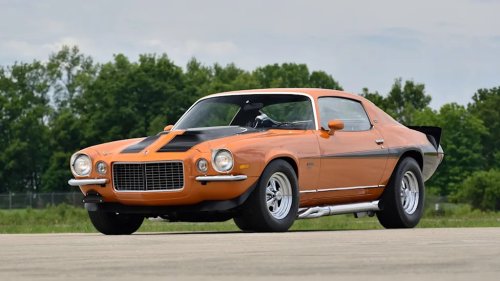
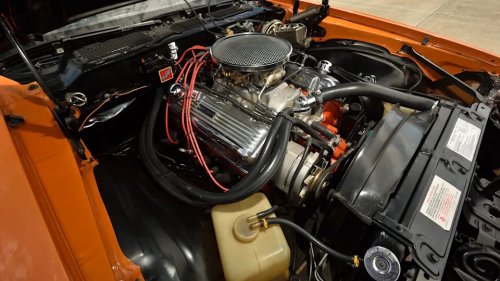
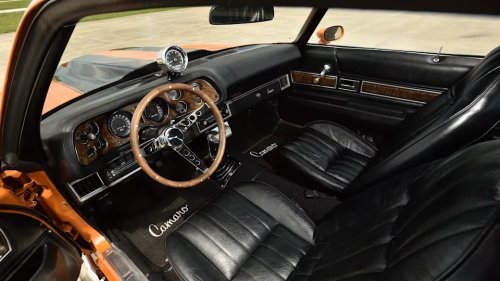
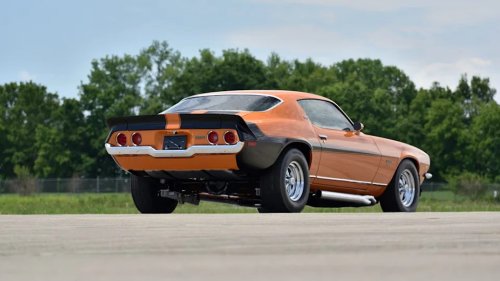
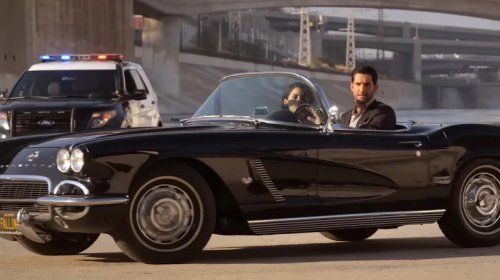
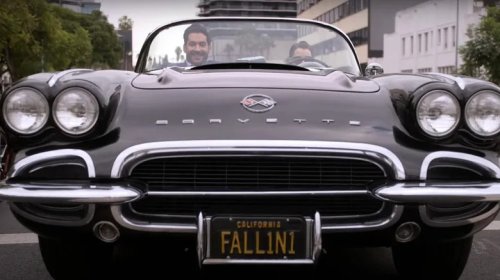
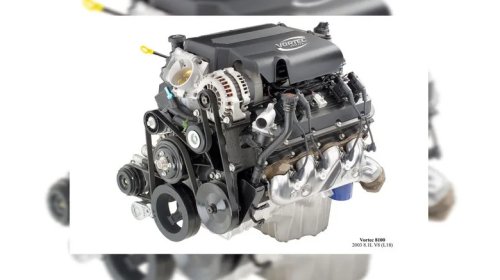
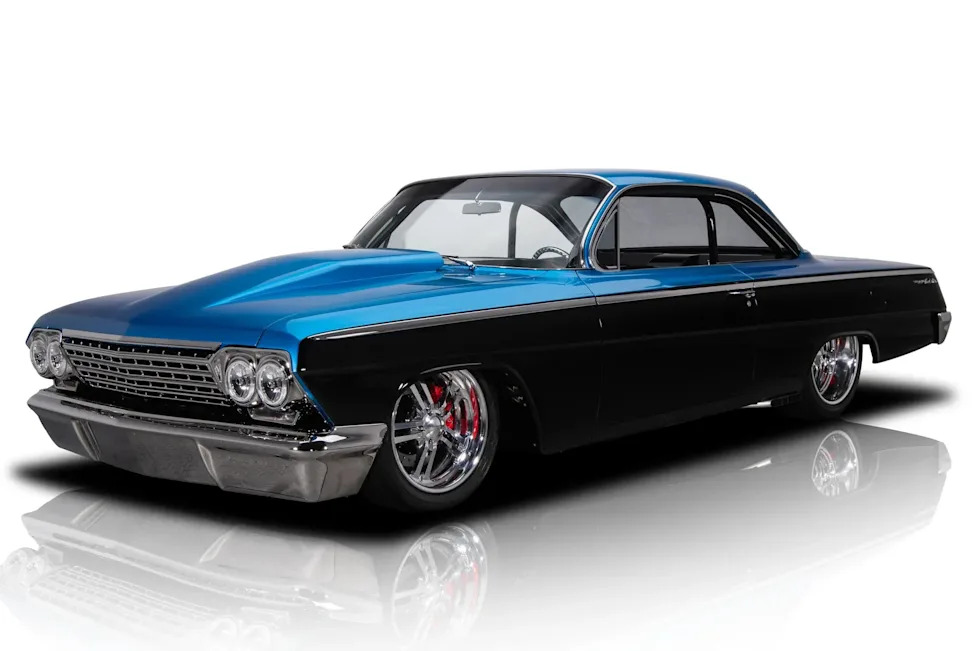
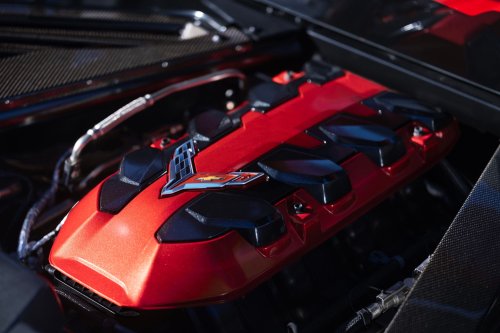
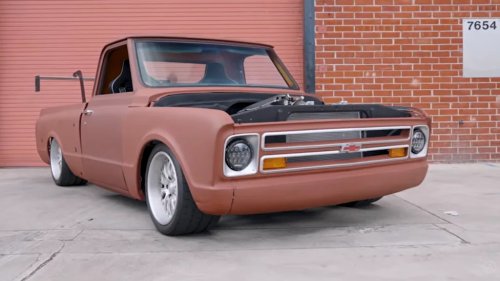
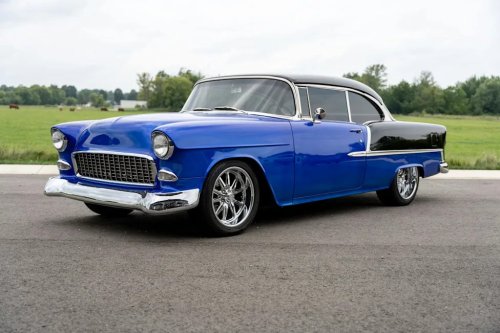
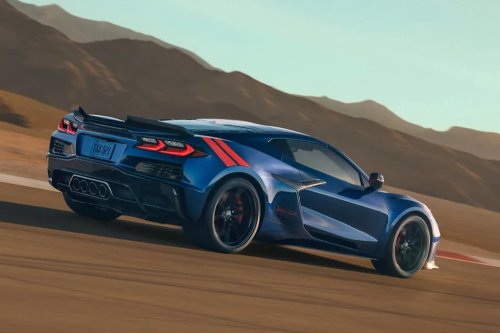
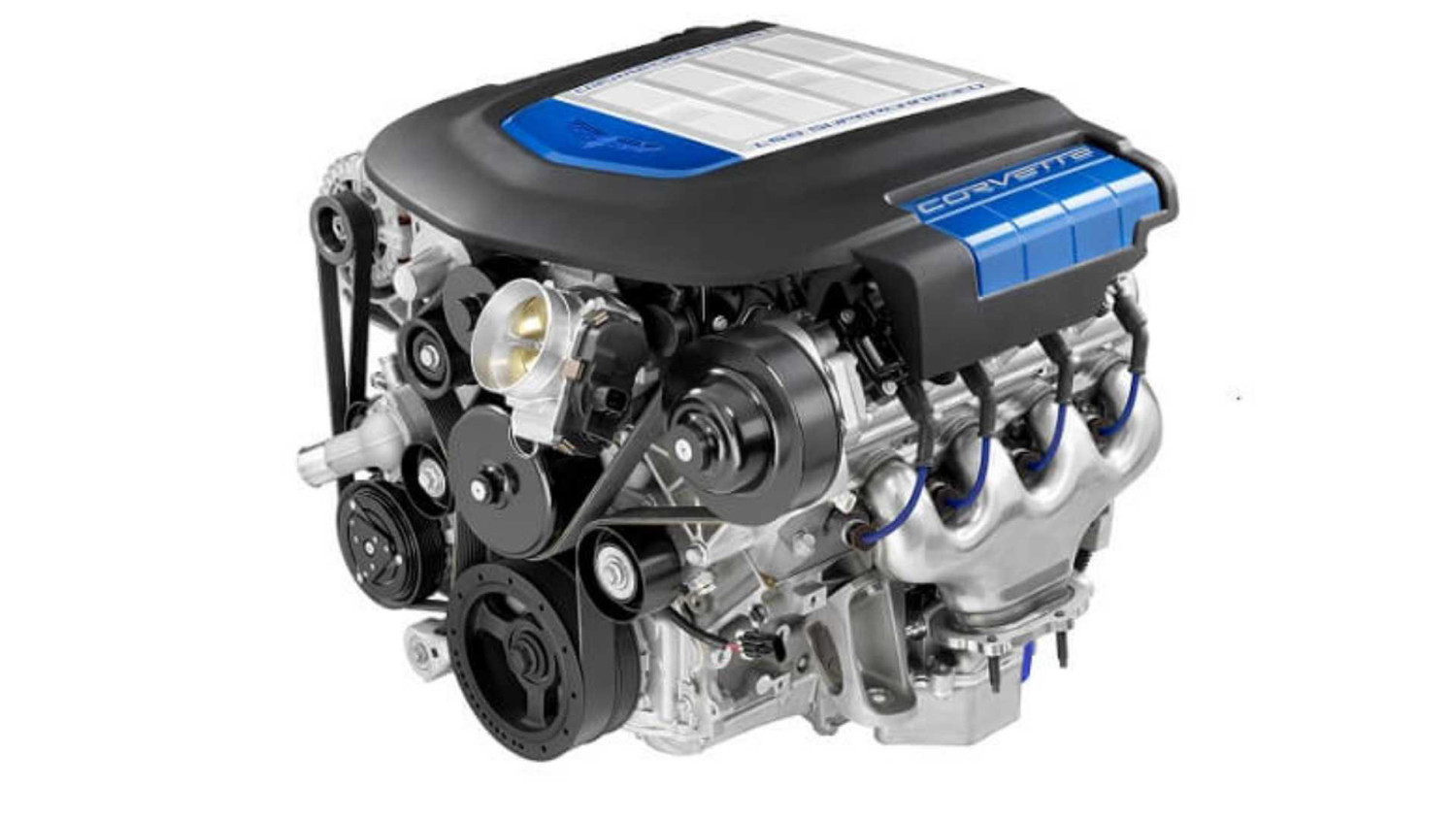
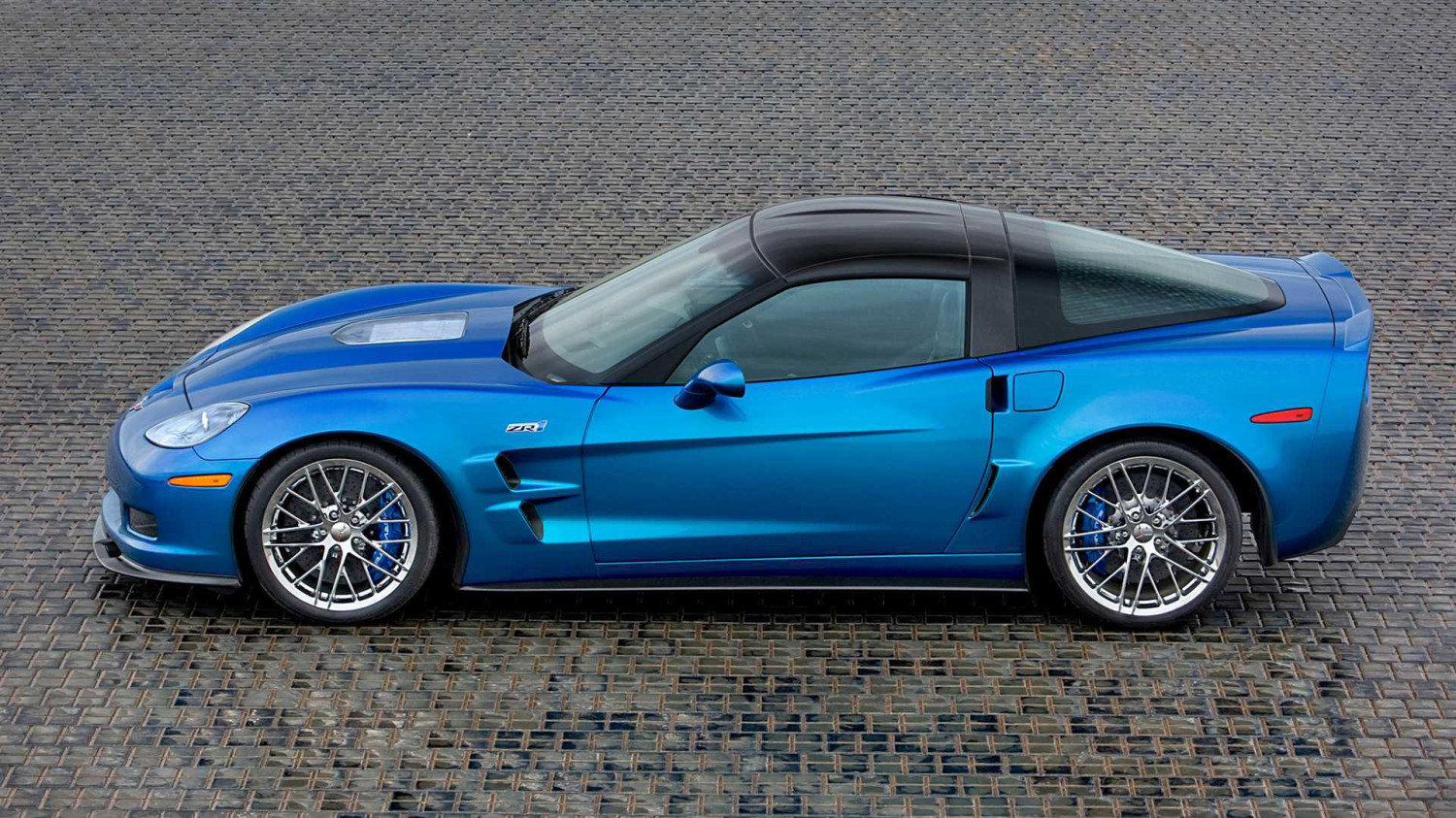
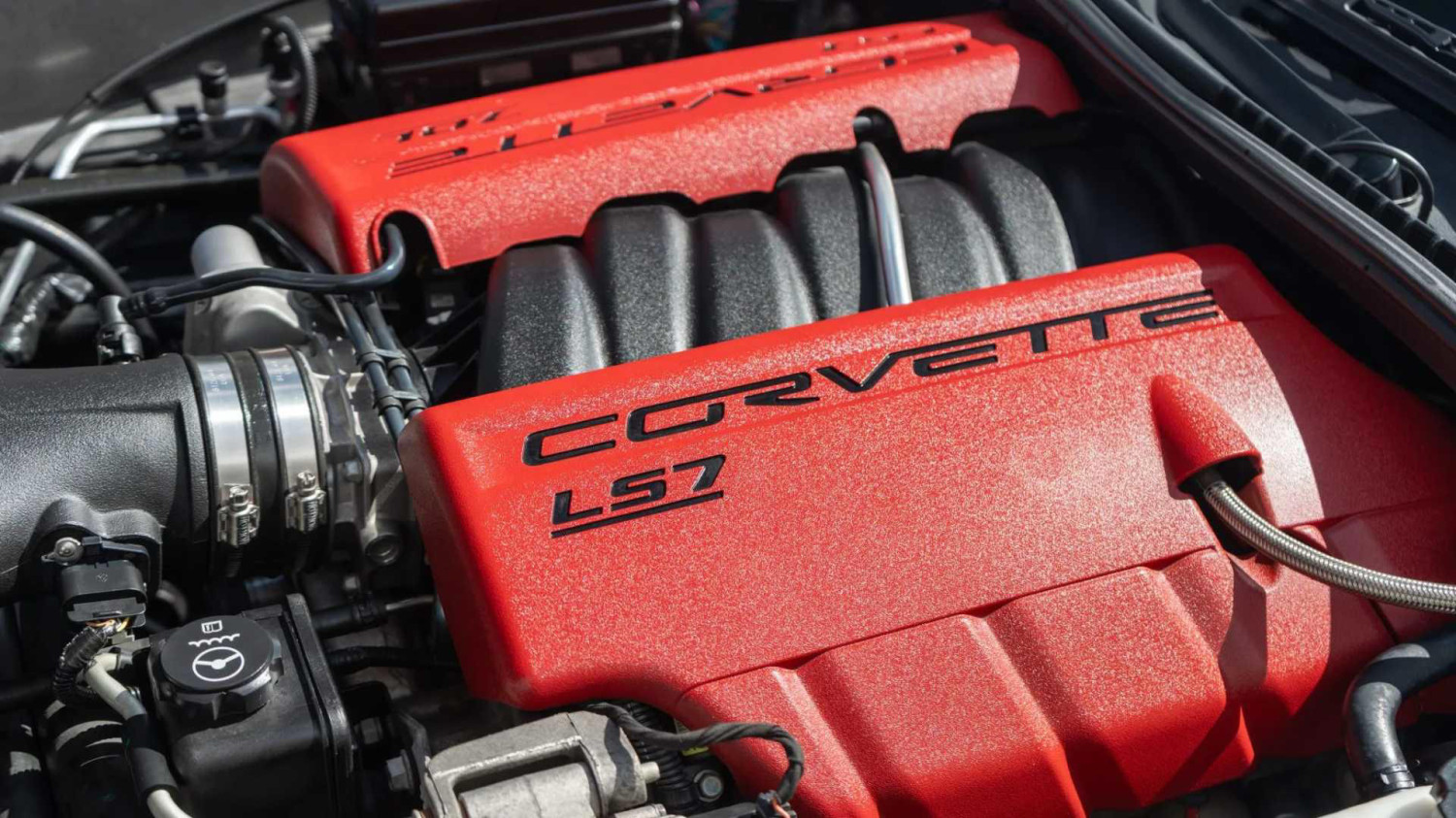
Chevrolet has officially discontinued the LS9 long block, which was also one of Chevy's most reliable V8 engines ever. The supercharged 6.2-liter V8 defined the C6 Corvette ZR1 era and became one of the most coveted crate engines in the restomod and tuner world. The announcement landed this week, and for builders who've spent years dropping LS9s into first-gen Camaros, C3 Corvettes, and just about anything else with a suitable engine bay, it marks a genuine supply shock. Losing it from the GM Performance catalog closes a chapter that the builder community has been writing for the better part of two decades. But Chevy is already teasing something 'big' on the horizon, and that timing is hard to ignore. What The LS9 Meant To The Builder Community Via: ChevroletThe LS9 debuted in the 2009 C6 Corvette ZR1 — a car that reset expectations for what an American sports car could do. The engine itself was a 6.2-liter pushrod V8 fitted with a 2.3-liter Roots-type supercharger, a dry-sump oiling system, and titanium connecting rods. In stock trim it produced 638 hp and 604 lb-ft of torque. In crate form, it offered all of that in a package that dropped into any LS-based chassis with relatively minimal fabrication.ChevroletFor restomod builders, that combination was almost unreasonably good. The LS9 shared its basic architecture with the LS3 and LS7, meaning existing motor mounts, transmission adapters, and accessory drives often transferred with minor modification. Shops building high-dollar first-gen Camaros or C2 Corvettes could spec an LS9 and deliver a car with supercar-grade power while keeping the build relatively straightforward. The engine also responded well to tuning, and we have seen builders regularly pushing crate LS9s well past 700 hp with supporting modifications, making it a platform unto itself. The Alternative Crate Engines Builders Are Now Weighing Bring a TrailerWith the LS9 gone from the catalog, builders sourcing a supercharged GM V8 for a new project face a narrowed field. The LS7 — a naturally aspirated 7.0-liter unit from the C6 Z06 — remains available in crate form and delivers 505 hp with a 7,000-rpm redline that the supercharged LS9 never matched. It's a different character entirely: high-revving and raw rather than low-end torque-heavy.The more direct successors live in the LT family. The LT4, which powered the C7 Corvette Z06 and the sixth-generation Camaro ZL1, makes 650 hp from a supercharged 6.2-liter and is available as a crate unit. The LT5 — from the C7 ZR1 — steps that up to 755 hp, though at a significantly higher price point and with more complex installation requirements given its dry-sump system and larger supercharger package. Both LT engines use a different block architecture than the LS family, which means existing LS swap infrastructure doesn't carry over cleanly. Motor mounts, oil pans, and accessory routing all need revisiting, adding cost and complexity to builds that were previously straightforward LS swaps. Chevy's 'Big' Teaser And What It Could Mean For Crate Engine Buyers The timing of the LS9 discontinuation isn't happening in a vacuum. Chevrolet has been teasing an announcement described only as something 'big,' and the overlap with the LS9's exit has the builder community speculating about what comes next. The most optimistic read is a new crate engine — possibly something derived from the LT6, the flat-plane-crank 5.5-liter V8 that makes 670 hp in the C8 Corvette Z06. A crate LT6 would be a landmark offering as a high-revving, naturally aspirated engine with genuine exotic-car DNA, though its mid-engine-optimized packaging would present real challenges for traditional swap applications.Another possibility is a more accessible supercharged LT-family crate unit positioned to replace the LS9's role as the go-to high-horsepower bolt-in. Whatever Chevy is planning, the LS9's discontinuation looks less like a quiet catalog cleanup and more like a deliberate clearing of the deck. Builders with active LS9 projects should verify remaining inventory through GM Performance dealers now, once existing stock is gone, the secondary market will set the price.The LS9 had a longer run as a builder's engine than most factory units ever manage. It earned that reputation honestly, one swap at a time. Whatever replaces it will have a high bar to clear.


















 +26 others