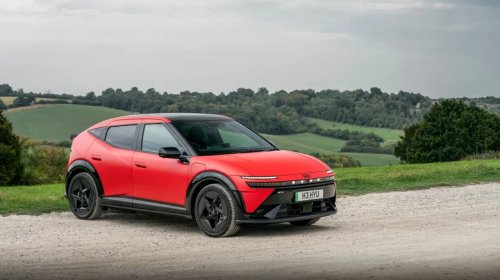
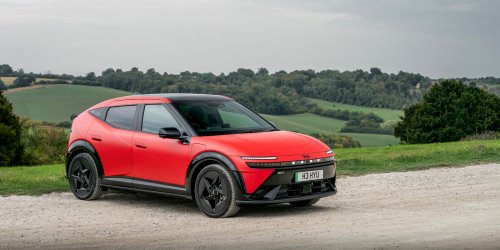
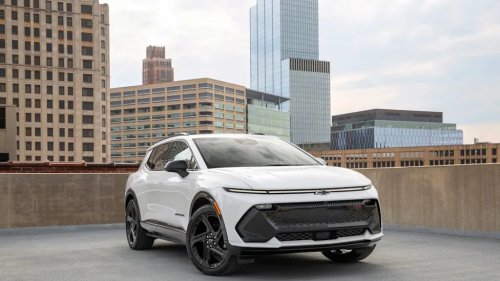
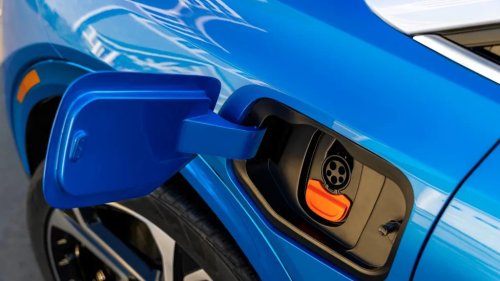
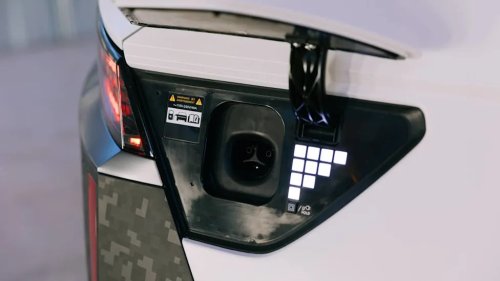
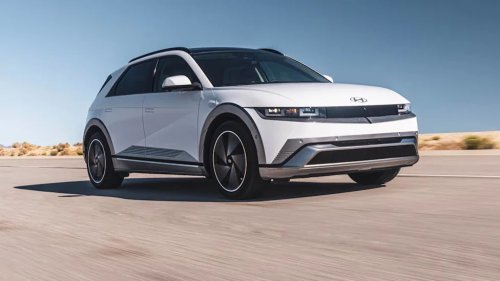
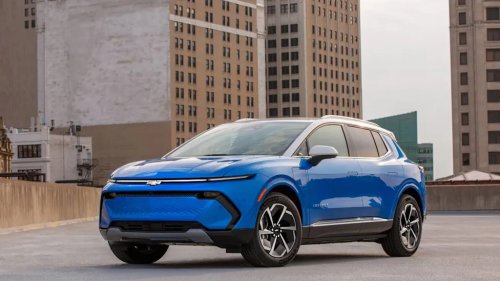
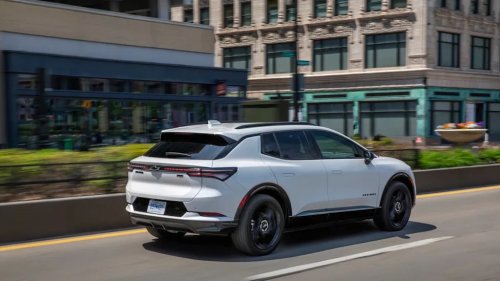
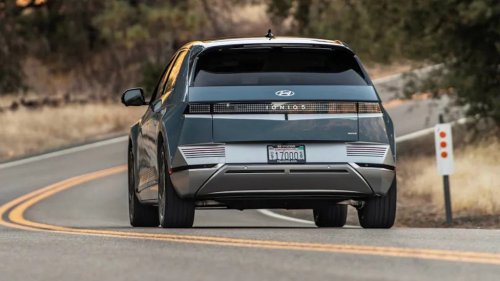
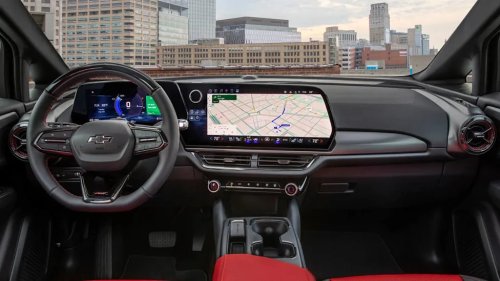
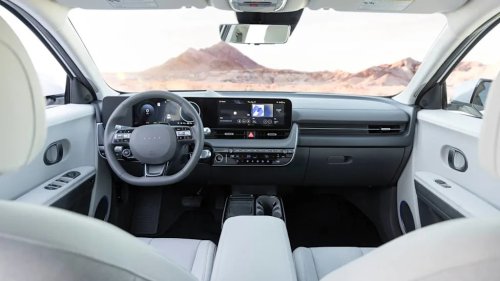
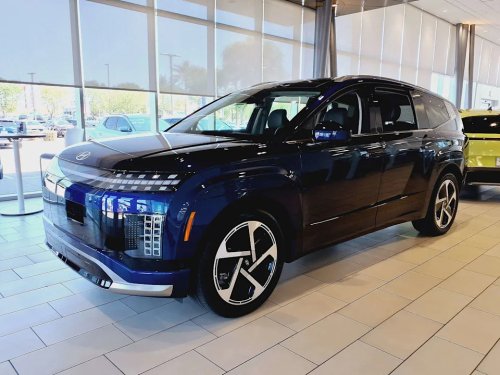
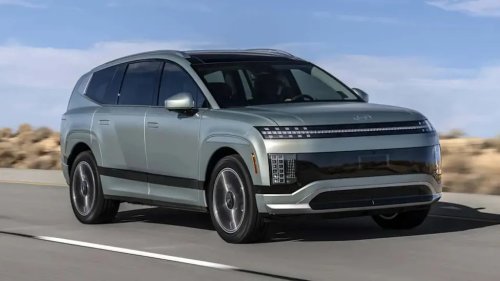
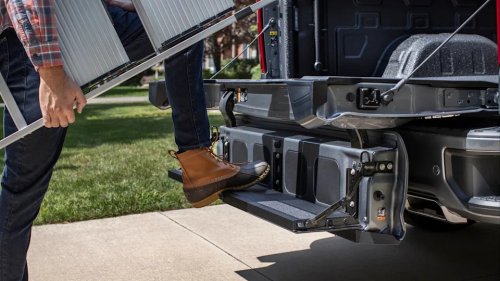
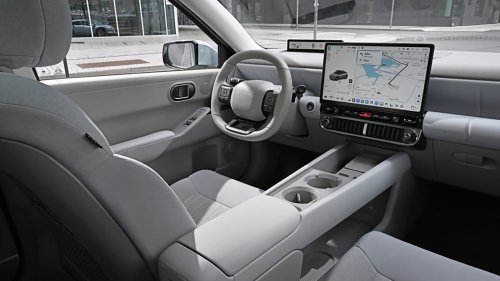
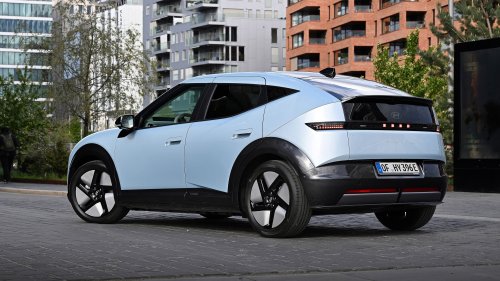
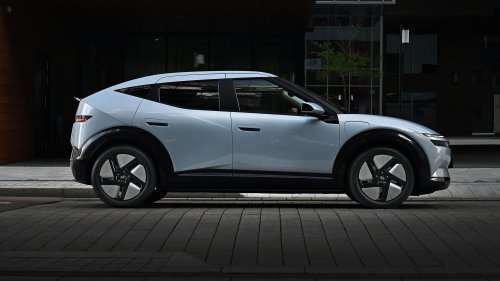
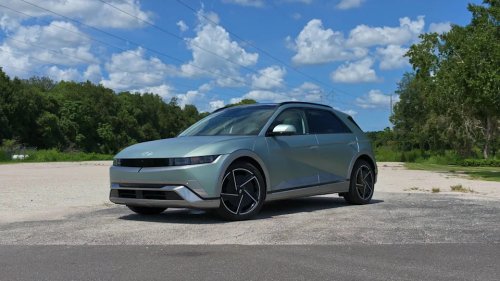
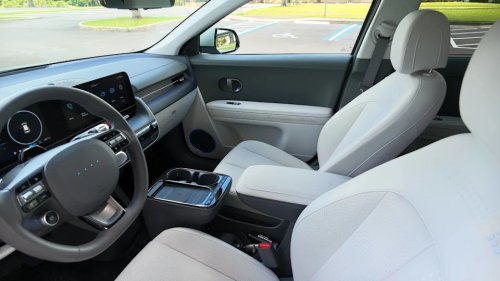
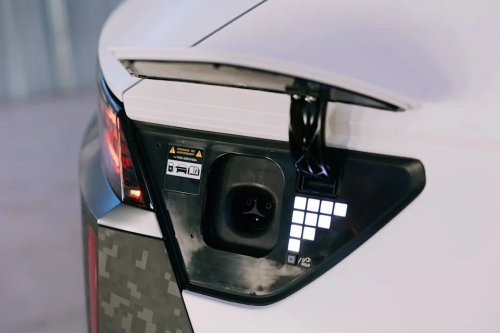
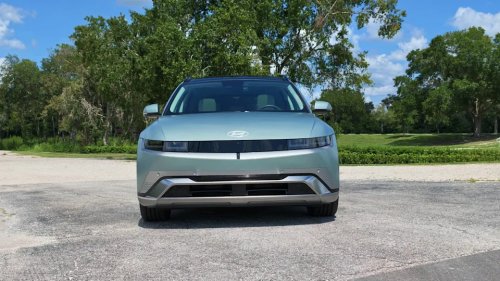
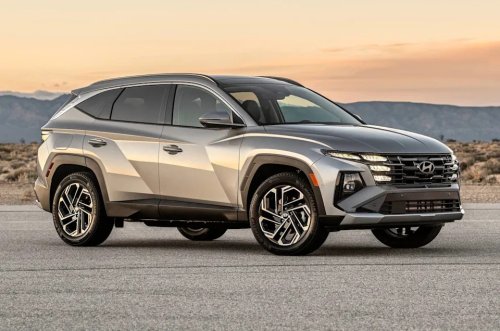
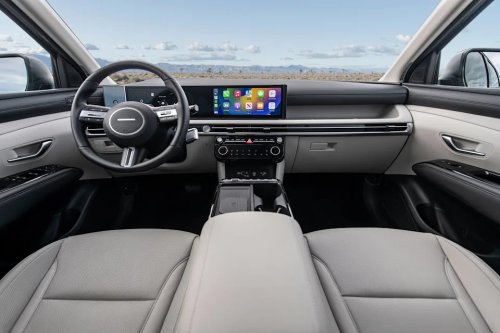
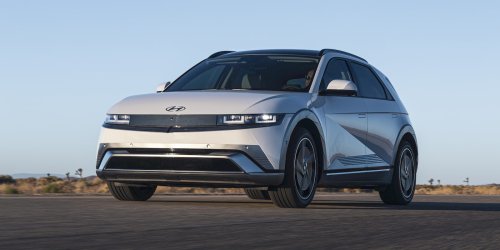
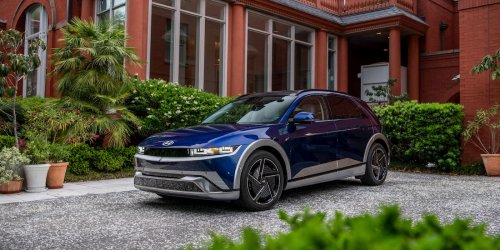
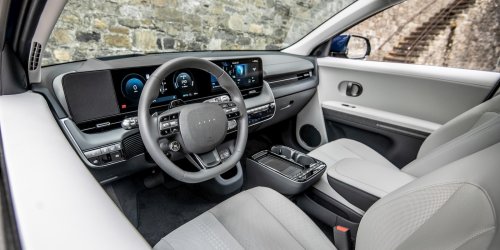
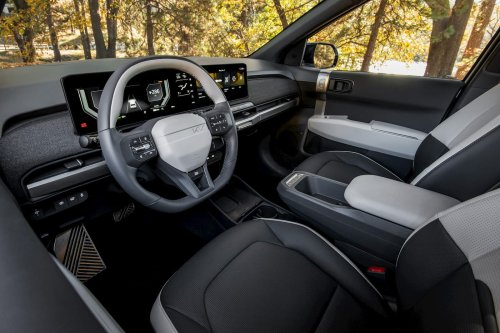
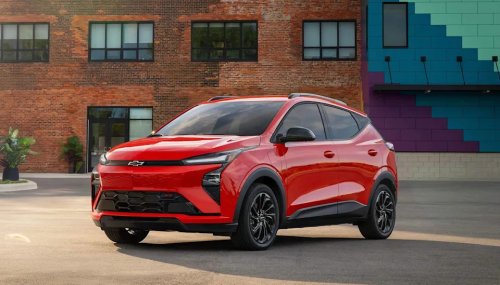
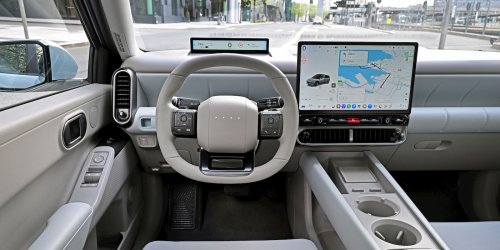
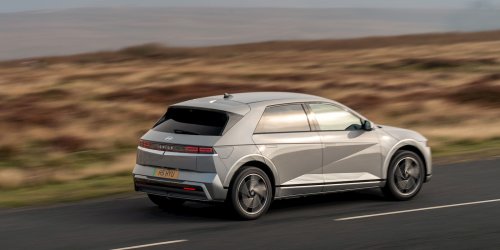
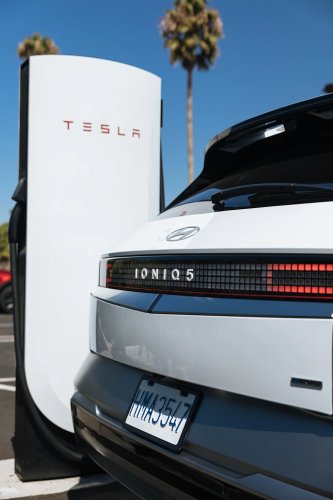
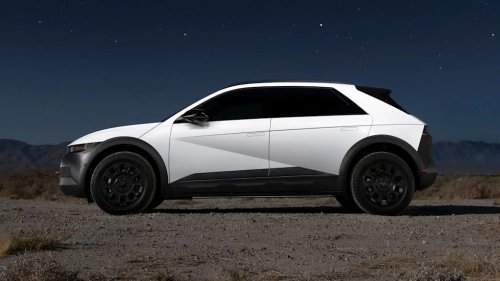
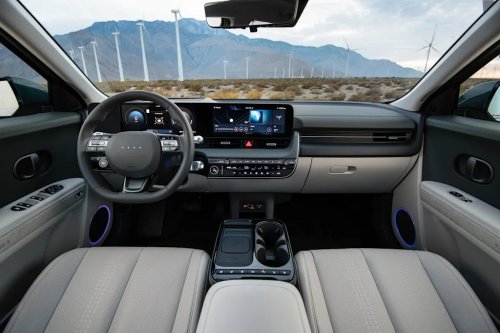
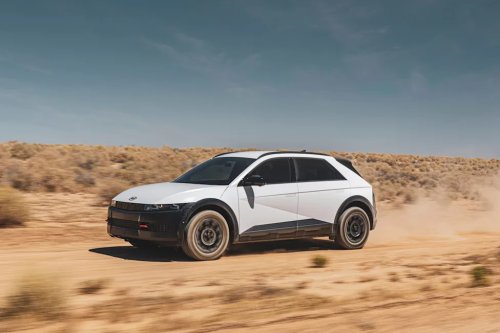
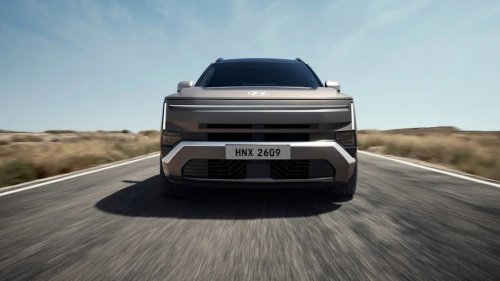
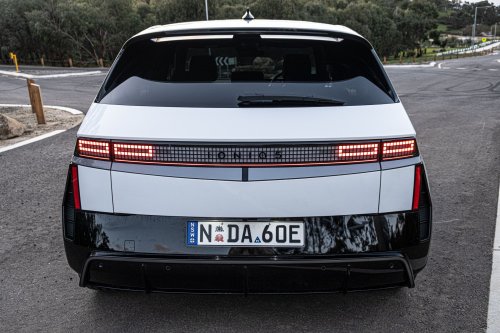
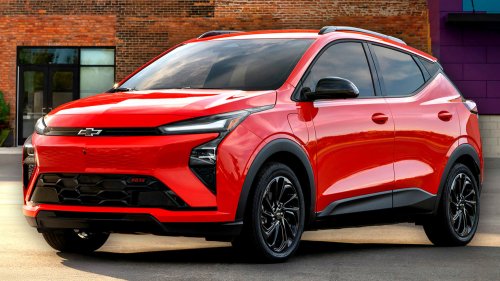
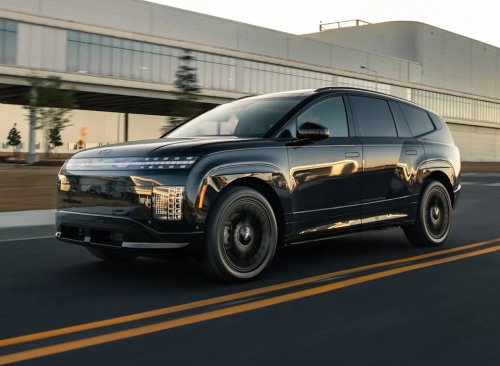
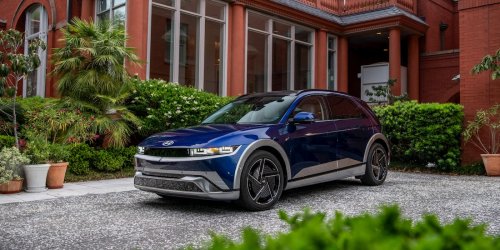
Autoblog and Yahoo may earn commission from links in this article.Compact electric SUVs live and die by two numbers: how far they go on a full charge and how fast they get back to full when they stop. The Chevy Equinox EV and Hyundai Ioniq 5 are the two most compelling options under $45,000 for buyers who want real range without luxury pricing, and they attack the problem from opposite directions. GM prioritized miles per charge on a 400-volt system that costs less than anything in the segment. Hyundai prioritized minutes per stop on an 800-volt system that gets you back on the road before the coffee cools. Both strategies work. Neither works the same way.2026 Chevrolet Equinox EVChevroletThe EPA numbersOn paper, the Equinox EV wins. Barely. The front-wheel-drive configuration is rated at 319 miles EPA, and even the available eAWD model stays above 300 at 307 miles. That is the Equinox EV's superpower: every single configuration, regardless of drivetrain, stays above 300 miles. In a segment where adding all-wheel drive typically costs 30 to 50 miles of range, losing only 12 is exceptional engineering. GM's Ultium battery platform, running roughly 85 kWh, extracts range with the kind of efficiency that suggests the engineering team was given a number and told not to come back until they hit it.2026 Chevrolet Equinox EVChevroletIoniq 5's range story is more complicated. The SE RWD with the long-range 84 kWh battery achieves 318 miles EPA, one mile behind the Equinox. Step into AWD and the number drops to roughly 290 miles. Standard-range RWD lands at 245. Only one Ioniq 5 configuration crosses the 300-mile threshold. The Equinox crosses it on every single one. If range anxiety is the primary concern and you need AWD for winter driving, the Equinox EV's 307-mile all-wheel-drive figure is 17 miles ahead of the Ioniq 5's 290, which on a cold January highway with the heater running might translate to one fewer stop worrying about whether you will make it.2026 Hyundai Ioniq 5HyundaiNow forget the EPA numbersHere is where the conversation flips entirely, and where anyone who has actually road-tripped an EV will tell you that the number on the window sticker is only half the story. The Ioniq 5 charges on an 800-volt architecture at up to 350 kW, completing a 10-to-80% session in roughly 18 minutes. Plug in, buy a coffee, check your phone, unplug. That is not a figure of speech. That is genuinely the amount of time it takes.2026 Hyundai Ioniq 5HyundaiAdvertisementAdvertisementThe Equinox EV charges on a 400-volt system at up to 150 kW, which gets it from 10 to 80% in roughly 40 minutes. GM claims about 70 miles of range in 10 minutes under ideal conditions, but the overall session takes more than twice as long as the Ioniq 5. On a single charge, the Equinox goes one mile further. On a road trip with multiple charging stops, the Ioniq 5 spends roughly 45 fewer minutes plugged in over three sessions. Forty-five minutes is a meal. Forty-five minutes is two episodes of a podcast. The spec sheet range and the range over a full day of driving are not the same, and the Ioniq 5's charging speed makes it the fastest cross-country car despite having a shorter range.2026 Chevrolet Equinox EVChevroletReal-world efficiencyBoth vehicles perform close to their EPA estimates in temperate conditions. Early testing on the Equinox EV shows predictable range delivery from the Ultium pack with minimal degradation under highway loads, though hard data from independent long-range tests is still limited given how new the vehicle is. Efficiency sits around 3.2 to 3.5 miles per kWh, depending on speed and temperature.2026 Chevrolet Equinox EVChevroletIoniq 5 owners have years of real-world data at this point, and the consensus is that the 800-volt system's thermal management helps it maintain consistent efficiency across back-to-back charging sessions and in varying weather. Cold weather hits both vehicles equally hard, as it does every EV, but the Ioniq 5's faster charging partially compensates by reducing the time penalty when you need to top up more frequently in winter. Neither vehicle will hit its EPA number at 80 mph with the heater on full blast. Both will come close to 65 mph in the spring.2026 Hyundai Ioniq 5HyundaiPricing and warrantyRange and charging matter, but so does the price of admission. The Equinox EV starts at approximately $34,995 for the 1LT FWD, making it one of the cheapest long-range EVs on sale and nearly $10,000 less expensive than the Ioniq 5's base at $44,395. Chevy backs it with a 3-year/36,000-mile basic warranty and 8-year/100,000-mile battery coverage.2026 Chevrolet Equinox EVChevroletAdvertisementAdvertisementHyundai counters with the longest warranty in the EV segment: 5 years/60,000 miles basic and 10 years/100,000 miles on the powertrain and battery. Standard V2L capability lets the Ioniq 5 power external devices and appliances, a feature the Equinox does not offer. A native NACS port means direct Tesla Supercharger access without an adapter, while Chevy requires a GM-approved NACS DC adapter.2026 Hyundai Ioniq 5HyundaiThe bottom lineIf you charge at home and rarely travel long distances, the Equinox EV is the smarter buy, especially given the upfront savings. If you cover serious highway miles and value time over sticker specs, the Ioniq 5's charging speed becomes the deciding advantage. In this matchup, range is not just about distance, but about how long you are willing to stand still.This story was originally published by Autoblog on Jun 5, 2026, where it first appeared in the Car Buying section. Add Autoblog as a Preferred Source by clicking here.



















 +32 others









































![Hyundai is testing a smaller EV — could it be the IONIQ 4? [Video]](https://cdn.topcarnews.net/thumb/id/aHR0cHM6Ly9pMC53cC5jb20vZWxlY3Ry-ZWsuY28vd3AtY29udGVudC91cGxvYWRz-L3NpdGVzLzMvMjAyNi8wMi9IeXVuZGFp-LUlPTklRLTEtRVYtZnJvbnQuanBlZz93-PTE1MDAmYW1wO3F1YWxpdHk9ODImYW1w-O3N0cmlwPWFsbCZhbXA7c3NsPTE/62d7459438201b3f1399106554e467d7.jpeg?t=20261006&post_id=68203)