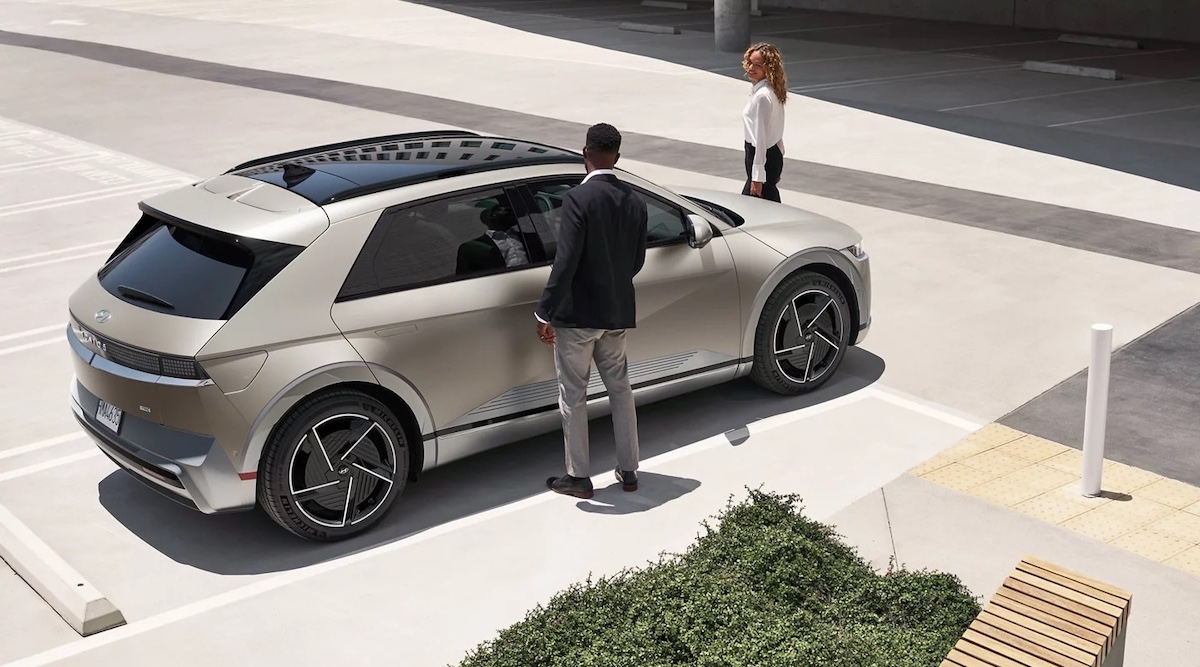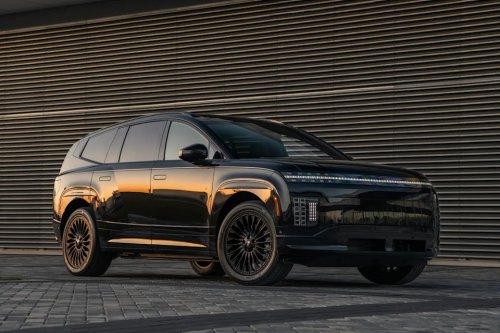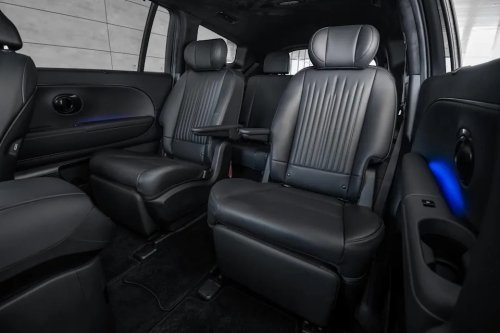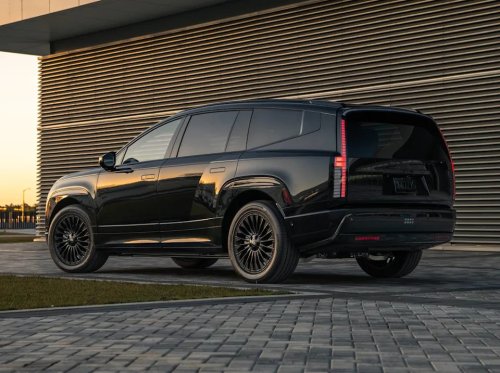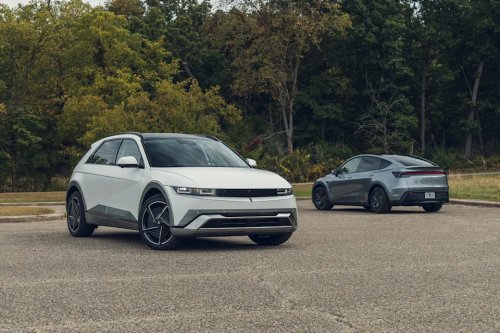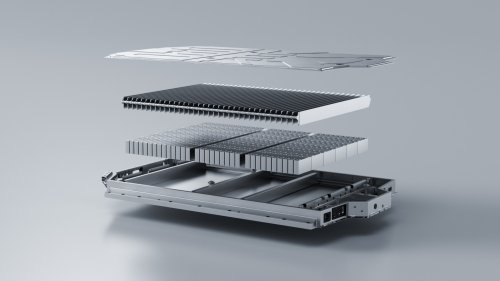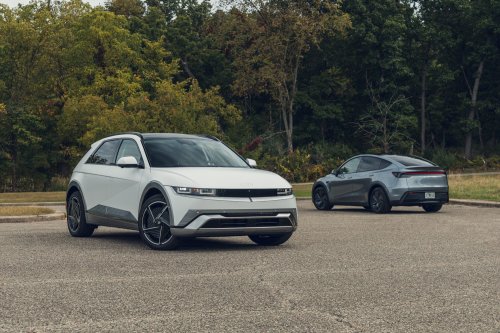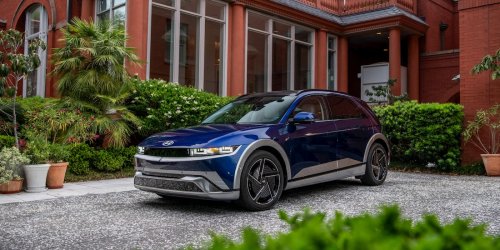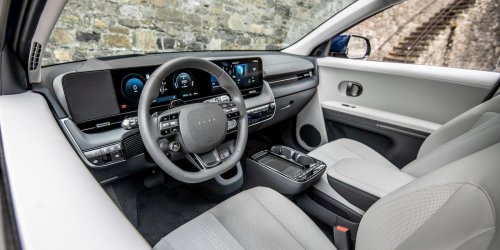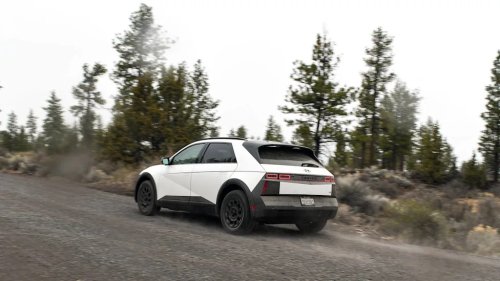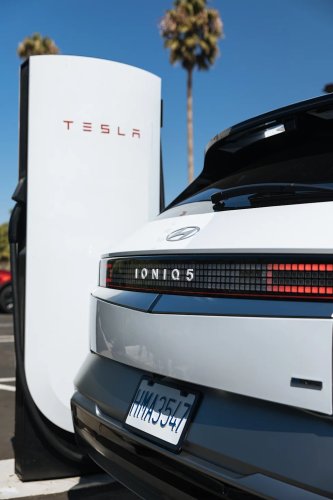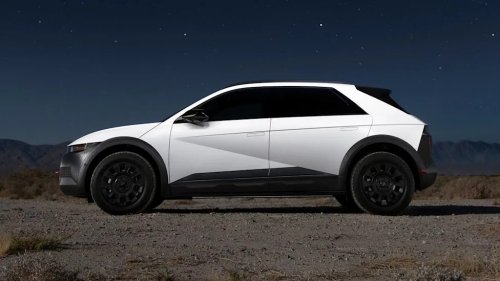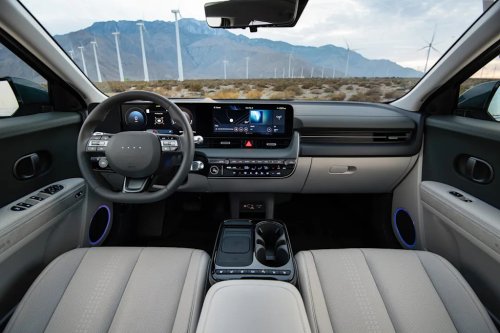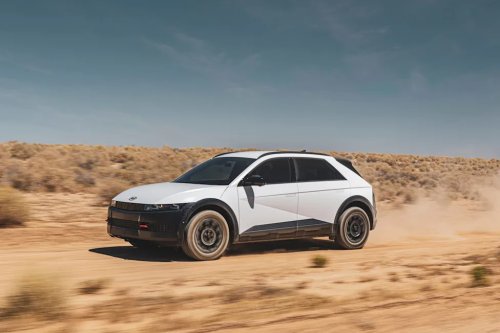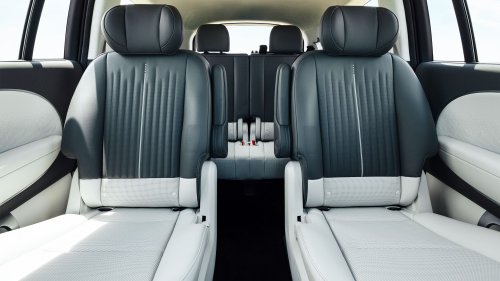


















nside Hyundai's New $5B Georgia Battery Plant — And What It Means for IONIQ PricesHyundai just flipped the switch on another piece of its Georgia empire, and the number that keeps getting quoted — "enough batteries for 300,000 EVs a year" — is the least interesting part of the story. The plant that started churning out cells in Bartow County is a $5 billion joint venture with SK On called Hyundai-SK Battery Manufacturing America, or HSBMA. It's a 50/50 tie-up, it's designed for 35 gigawatt-hours of annual cell output, and it began commercial production in June, a bit behind the second-half-of-2025 target set when the site was announced back in December 2022.Let's do the math nobody puts in the press release. Thirty-five gigawatt-hours divided by 300,000 vehicles works out to about 117 kWh of cells per car — roughly a full three-row IONIQ 9 pack. That's a conservative way to count. Spread the same cells across the smaller 75-ish-kWh packs you'd find in a two-row crossover, and you're covering closer to 450,000 vehicles. So "300,000 EVs" isn't a hard ceiling; it's a round figure that quietly assumes big batteries. Either way, the cells don't go straight into a car. SK On builds the cells in Cartersville, Hyundai Mobis assembles them into finished packs, and those packs feed Hyundai, Kia, and Genesis models built in the U.S.Here's where a lot of coverage gets muddled, because Hyundai is now running three distinct facilities in Georgia and they blur together. There's the Metaplant itself — HMGMA in Bryan County near Savannah — which is the $7.59 billion vehicle-assembly plant that opened in March 2025 and builds the IONIQ 5 and IONIQ 9. Then there are two separate battery joint ventures feeding it: this new SK On plant in Bartow County, up near Atlanta, and a different one with LG Energy Solution sitting right on the Metaplant campus. Add the assembly plant and both battery ventures together and you get the $12.6 billion figure Hyundai calls its largest-ever investment in the state. The SK On plant is not the one you read about last fall.Related ArticlesThis Lamborghini SVJ Roadster's Bring a Trailer Auction Got Pulled Mid-Bid, and the Comments Section Deserves the CreditTesla FSD Red-Light Probe: What NHTSA's 2.88 Million-Car File Actually SaysAdvertisementAdvertisementThat LG plant is the one that made national news for the wrong reason. On September 4, 2025, federal agents ran a search warrant on the HL-GA Battery Company site — a $4.3 billion Hyundai-LG venture — in an operation the government dubbed "Operation Low Voltage," detaining 475 workers in what was described as the largest single-site immigration enforcement action DHS had carried out. Most were South Korean nationals working for contractors, per federal records, it froze construction, and it turned into a diplomatic headache with Seoul. That plant eventually opened in April. The Bartow County SK On plant that just came online had nothing to do with the raid, which is worth stating plainly because the two keep getting welded together in people's heads.So why pour billions into building cells on U.S. soil at all, especially now that the $7,500 federal EV credit expired last September and the domestic-content math that used to unlock it no longer applies? Because the other reasons didn't go away. Cells are heavy, hazardous, and expensive to ship across an ocean, and building them next door to the assembly line strips out freight cost and lead time. It also insulates Hyundai from tariff exposure on imported battery components, which matters a lot more in the current trade climate than it did when these deals were signed. Localizing the supply chain is a hedge, and Hyundai is using the savings as a weapon on the sticker.That's the part buyers should care about. Hyundai chopped the 2026 IONIQ 5's base price to $35,000, cutting up to roughly $9,800 off the prior year and planting it among the cheapest EVs you can buy. The reason it can afford to eat that margin is exactly this: more cars built locally, more cells built locally, lower cost per unit.Related ArticlesPowder Coatings Just Became a $3.6 Billion Industry. Your Car's Paint Job Still Wasn't InvitedAmerica's Car-Mart Has Plenty Of Customers. It's Running Out Of Money To Sell Them CarsAdvertisementAdvertisementThe competitive stakes are tighter than the "300,000 EVs" headline suggests. Through the first half of 2026, U.S. EV sales ran north of 463,000 units, and Cox Automotive's data shows Tesla still hoarding more than half the market on the strength of just the Model Y and Model 3. Behind that, it's a knife fight. Chevrolet sat second among brands at 28,267 EVs, with Hyundai a hair back in third at 26,936 — a gap of barely 1,300 cars. And the trajectories point in opposite directions: Chevy's EV volume cratered around 40% year over year while Hyundai slipped only modestly, dragged mostly by phasing out the standard IONIQ 6. The IONIQ 5 remained the best-selling EV in America that doesn't wear a Tesla badge.The takeaway for anyone shopping: Hyundai's Georgia build-out is why an IONIQ 5 costs what a decently equipped gas crossover costs, and why that's likely to hold even without federal help. The battery plant isn't a vanity ribbon-cutting. It's the cost structure that lets Hyundai keep undercutting on price while GM's EV numbers slide out from under it.Join our Newsletter, follow our Instagram page, and connect with us on Facebook.