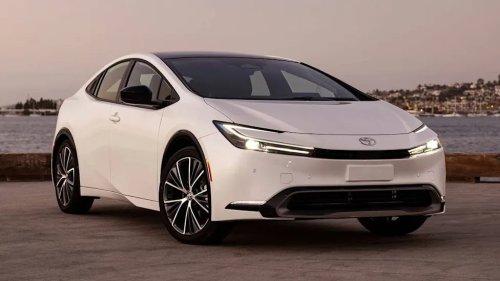



















Report Claims Plug-In Hybrids Have Higher Rate Of Battery ProblemsGuessing HeadlightsAndre NalinTue, September 22, 2026 at 6:00 PM UTCAdd us on GoogleImage is for illustration purposes only. Image Credit: Toyota.Plug-in hybrids promise an appealing compromise: electric driving around town with a gasoline engine ready to jump in when the battery runs low. New findings from an Australian battery-testing company, however, suggest owners and used-car shoppers may want to pay particularly close attention to the health of those smaller battery packs.Test EV says roughly 2% of the thousands of battery-electric vehicles and plug-in hybrids tested through its Australian network have registered a battery fault. According to company founder Nathan Gore-Brown, PHEVs account for a disproportionately large share of those problematic results.That doesn't mean 2% of PHEVs are failing, nor does the data establish that plug-in hybrid batteries generally have short lives. Test EV hasn't published separate failure rates for BEVs and PHEVs, making it impossible to quantify exactly how much greater the apparent problem rate is.AdvertisementAdvertisementSpeaking with CarSales, Gore-Brown nevertheless described a developing trend. "Of all the vehicles that we have failing, PHEVs are failing more often than their BEV counterparts," he said.Smaller Batteries Can Work HarderImage for illustration purposes only. Image Credit: FordOne possible explanation comes down to battery size. Many plug-in hybrids use packs in the 15- to 25-kWh range, while modern battery-electric vehicles commonly carry much larger batteries.Despite that smaller capacity, a PHEV battery can still be responsible for supplying a relatively powerful electric motor. That can subject the pack to higher loads relative to its size while also requiring more frequent charging and discharging cycles.How owners use their PHEVs complicates things further. Some charge every day and conduct much of their driving on electricity, while others rarely plug in and rely heavily on the combustion engine.The Data Comes With An Important CaveatTest EV distributes battery diagnostic equipment from Austrian specialist Aviloo in Australia and New Zealand. Its technology is used by dealerships, workshops, auction houses, and pre-purchase inspection services to assess the condition of high-voltage batteries.AdvertisementAdvertisementThe company's findings are notable, but they shouldn't be interpreted as proof that PHEVs generally suffer from unreliable batteries. Without separate failure percentages and information about factors such as vehicle age, mileage, brands, and battery chemistry, the results don't establish the size or cause of the difference.Gore-Brown himself characterized the finding as a trend emerging from the company's testing rather than a definitive verdict on plug-in hybrids.Used PHEV Buyers Should Check The BatteryImage Credit: Toyota.The findings are very relevant as more plug-in hybrids now enter the used-car market. Unlike a conventional gasoline vehicle, the condition of the high-voltage battery can have a major effect on electric range, performance, and potentially the vehicle's value.Gore-Brown recommends regularly charging PHEVs to make proper use of their electric capabilities and maximize fuel economy. He also argues that buyers should consider how they actually intend to use a vehicle rather than automatically assuming a plug-in hybrid provides the ideal middle ground.AdvertisementAdvertisementIf you're considering buying a used PHEV, don't assume the battery is healthy. Getting the pack tested before buying could reveal problems that aren't immediately obvious from behind the wheel.If you want more stories like this, follow Guessing Headlights on Yahoo so you don't miss what's coming next.