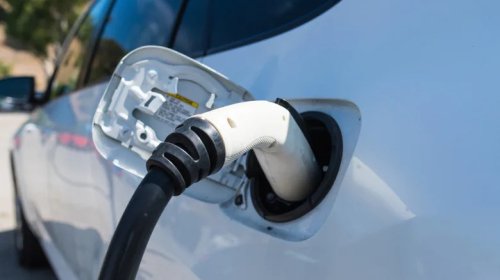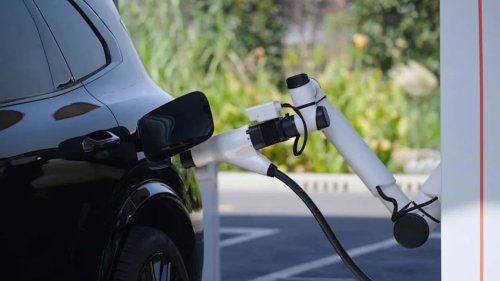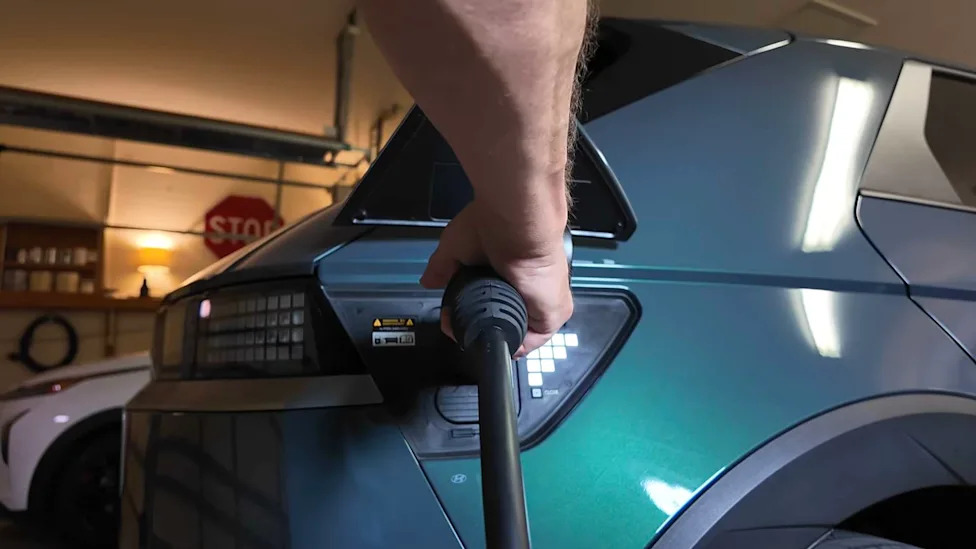



















EV owner says unplugging at night won't save battery, and 'always be charging' is the fixThe Cool DownVivian TranSat, September 19, 2026 at 6:29 AM UTCAdd us on GooglePhoto Credit: YouTubeA common stream of online electric vehicle tips tells drivers to disconnect the charger as soon as a session finishes to avoid damaging the battery. But Jim, the creator behind Jim's EV Adventures (@jimsEVadventures), argues that advice confuses the real problem.In a Sept. 13 video, Jim said most owners are usually better off leaving the car connected while using a reasonable charging cap, rather than treating plug-in time itself as a mistake.Here's what to knowJim challenged the idea that simply leaving an EV plugged in overnight harms the battery.AdvertisementAdvertisement"The charge cord is not the enemy," he said.What matters, he said, is not whether the connector stays attached, but how long the battery remains at a full charge. Modern EVs rely on battery management systems that stop charging at the limit the driver sets, so a car that is still plugged in is not endlessly pushing more energy into the pack.According to Jim, keeping the vehicle connected also allows functions like battery temperature control, background software activity, and preconditioning to run on household electricity instead of drawing from the main pack."Leaving it plugged in with sane charging limits is the fix," he said.AdvertisementAdvertisementViewers echoed his frustration with the confusion. One wrote, "The garbage in misinformation just confuses the subject and makes it hard for noobs to adopt EVs."More backgroundJim said some of this confusion comes from much older battery habits. Advice that once applied to rechargeable electronics decades ago, he argued, has been carried over into discussions about modern EVs even though today's packs are managed very differently.A separate commenter cited the Tesla Service Support Page, writing, "The vehicle is designed to be plugged in when not in use."What can be done?His practical advice was to start with the automaker's instructions for your battery type, set an everyday charging limit, and plug in whenever it makes sense for you. Jim said many nickel-rich batteries are commonly kept around 70% to 80% for daily use, while some lithium iron phosphate batteries may call for more frequent 100% charging.AdvertisementAdvertisementFor most drivers, he said, 100% charges are best saved for times when the extra range is needed or when the manufacturer specifically recommends them. In his view, the larger concern is allowing a battery to sit at full charge for too long.Beyond the car itself, modernizing your home can make electric vehicle use easier and healthier overall.One commenter described their routine: "We plug in every day we are home. Our scheduled charging doesn't start until 11 p.m. Most days we only have the charge limit set to 70 or 80%."Jim's closing advice was even shorter: "Set the limit. Leave it plugged in. Drive the car."Where can I learn more?Jim's point is that charging works best when it becomes part of your routine and when you set the right limits for your battery. These articles dig into the home setups, access challenges, and lingering EV myths that can make that routine easier — or harder — to follow.AdvertisementAdvertisement• At home, drivers find a Level 2 charging setup makes nightly plug-in routines far easier.• For condo residents, owning an EV without home charging can still work with planning.• A Nissan Leaf driver says myths around EV ownership still distort charging expectations.Get TCD's free newsletters for easy tips, smart advice, and a chance to earn $5,000 toward home upgrades. To see more stories like this one, change your Google preferences here.