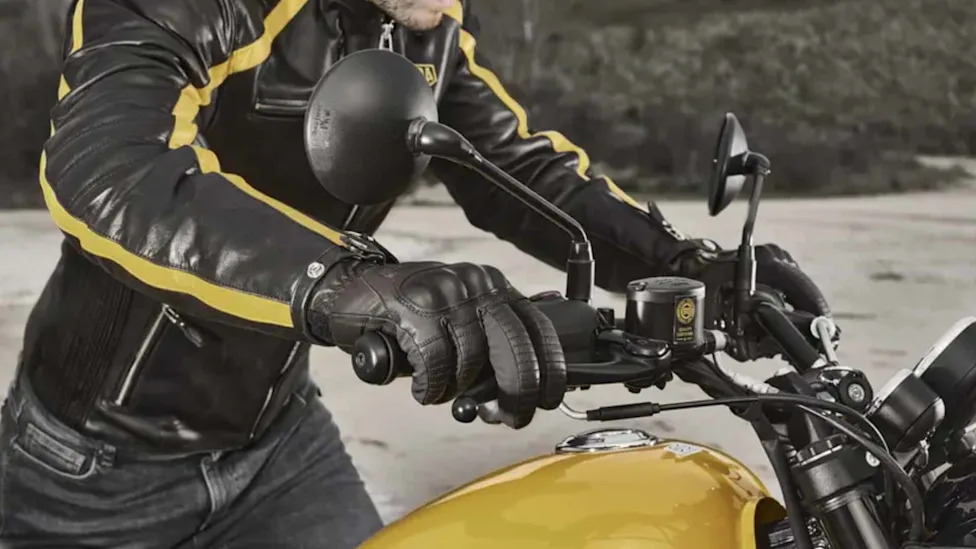
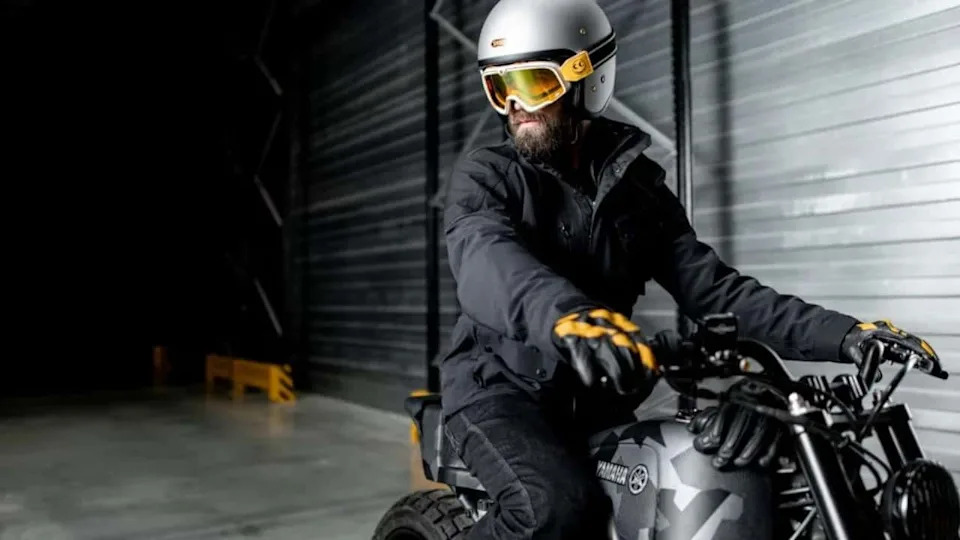
















Are Motorcycle Gear Companies Cutting Protection To Save Money? Researchers Say ‘Yes’RideApart[email protected] (Enrico Punsalang)Fri, September 18, 2026 at 12:58 PM UTCAdd us on GoogleSegura Formula JacketYour expensive gear might meet the rules, but researchers say some manufacturers are giving you less protection anyway.Motorcycle gear is expensive. A decent jacket can cost hundreds of dollars, riding jeans aren't cheap either, and we're generally willing to pay because there's an assumption baked into the transaction: this stuff is designed to save our skin. And if it carries a recognized safety certification, surely somebody has checked that it actually does what it says on the label. Well, researchers in Australia have some uncomfortable news about that last part.According to a recent report by Australian Motorcycle News, Australia's independent Motorcycle Clothing Assessment Program, better known as MotoCAP, has now tested around 1,100 products since launching in 2018. Unlike certification, which essentially determines whether a product clears a prescribed standard, MotoCAP independently rates how well different pieces of motorcycle clothing perform. And after eight years of testing jackets, pants, and gloves, its researchers say they've noticed a worrying trend.MotoCAP chief scientist Associate Professor Chris Hurren told AMCN that protection levels in jackets and pants certified under Europe's EN 17092 standard have been declining year after year. His explanation isn't particularly flattering to the industry, either. According to Hurren, the standard has been set relatively low, and manufacturers have been removing protection from garments to save money.AdvertisementAdvertisementThat's quite an accusation, but MotoCAP's testing provides some eyebrow-raising examples.Rev'It! Gears You Up For Rainy Weather With New Denver H2O JacketAMCN reports that abrasion resistance is a particular concern, with MotoCAP finding some single-layer motorcycle jeans that performed similarly to ordinary denim. In another case, a product that previously survived 3.7 seconds in MotoCAP's abrasion testing managed just 1.2 seconds in a later version. The retail price, meanwhile, hadn't dropped along with the protection.There's an important bit of context we need to acknowledge here. The research behind the EN 17092 claim hasn't yet been formally presented. Deakin University researchers Yao Yu and Christopher Hurren are scheduled to present a study titled "The Negative Effect on Motorcycle Clothing Protection Introduced by EN17092" at the 2026 Australasian Road Safety Conference in Sydney in late October.So for now, the findings we're discussing come from MotoCAP's accumulated testing data as reported by AMCN, rather than a published conference paper we can dig through ourselves. We'll have to wait until October for that one.AdvertisementAdvertisementAnd so that also means it's worth being careful about what the findings actually say. This doesn't necessarily mean manufacturers are selling uncertified gear or breaking the rules. That's precisely what makes the issue interesting. The garments can apparently continue meeting their required certification even as MotoCAP's independent testing shows protection declining. Certification tells you a product has cleared a particular threshold. It doesn't necessarily tell you how far beyond that threshold it goes.Safety Starts With The RiderA Brain Surgeon Says Wear A Motorcycle Helmet. So Wear A Damn HelmetI Wear Motorcycle Jeans All The Time. But Are They Actually Safe?MotoCAP has also learned more about what happens once gear meets the actual road. Independent testing found urban asphalt to be around 4.5 times less aggressive on motorcycle clothing than the chip-seal surfaces commonly found on many country roads. Based on those findings, MotoCAP recommends at least a two-star rating for urban riding and three stars or better for the open road.There is some good news here. Hurren says certain gear manufacturers have steadily improved their products since MotoCAP began testing, while independent ratings can give smaller brands a chance to prove themselves without an enormous marketing budget. MotoCAP's audience has grown substantially, too, suggesting riders are starting to pay attention to what's underneath the logos and certification labels.AdvertisementAdvertisementAnd that's probably the useful takeaway until more of the research goes live. A CE label tells you something important, but it doesn't necessarily tell you everything. If two equally comfortable jackets cost about the same and one performs substantially better in independent testing, that little certification tag suddenly becomes the beginning of the conversation rather than the end.Source: AMCN