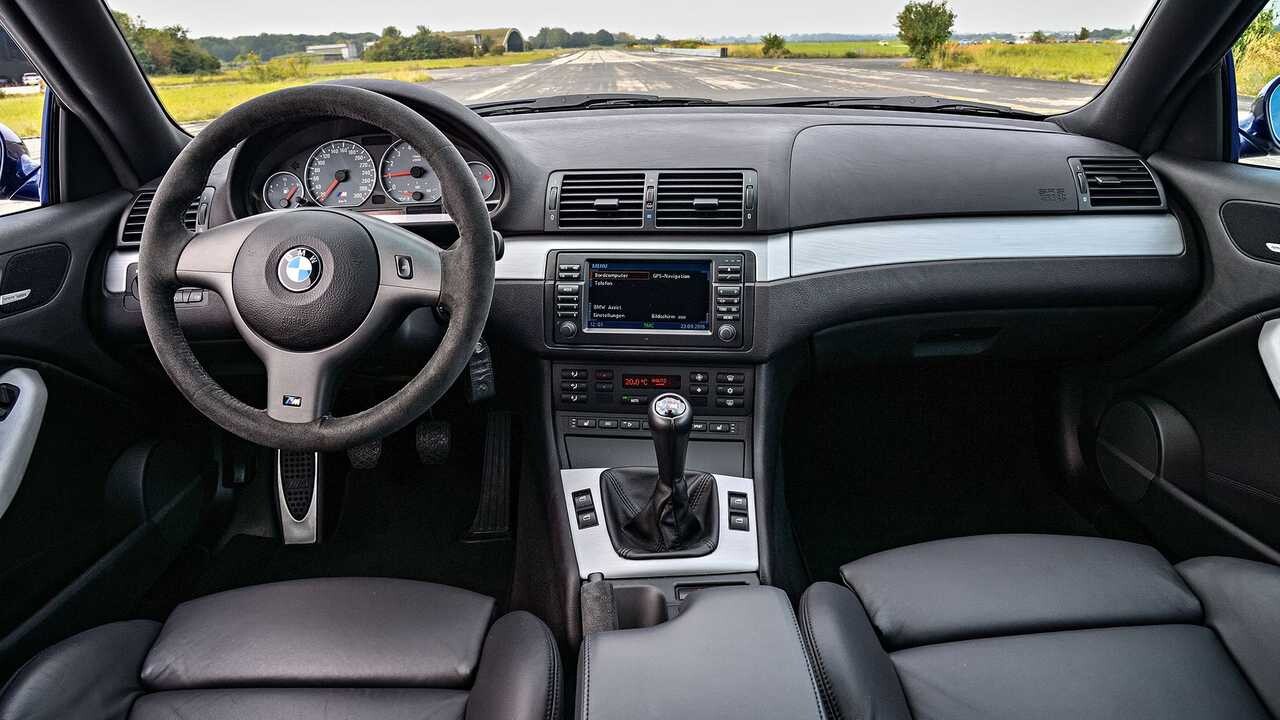
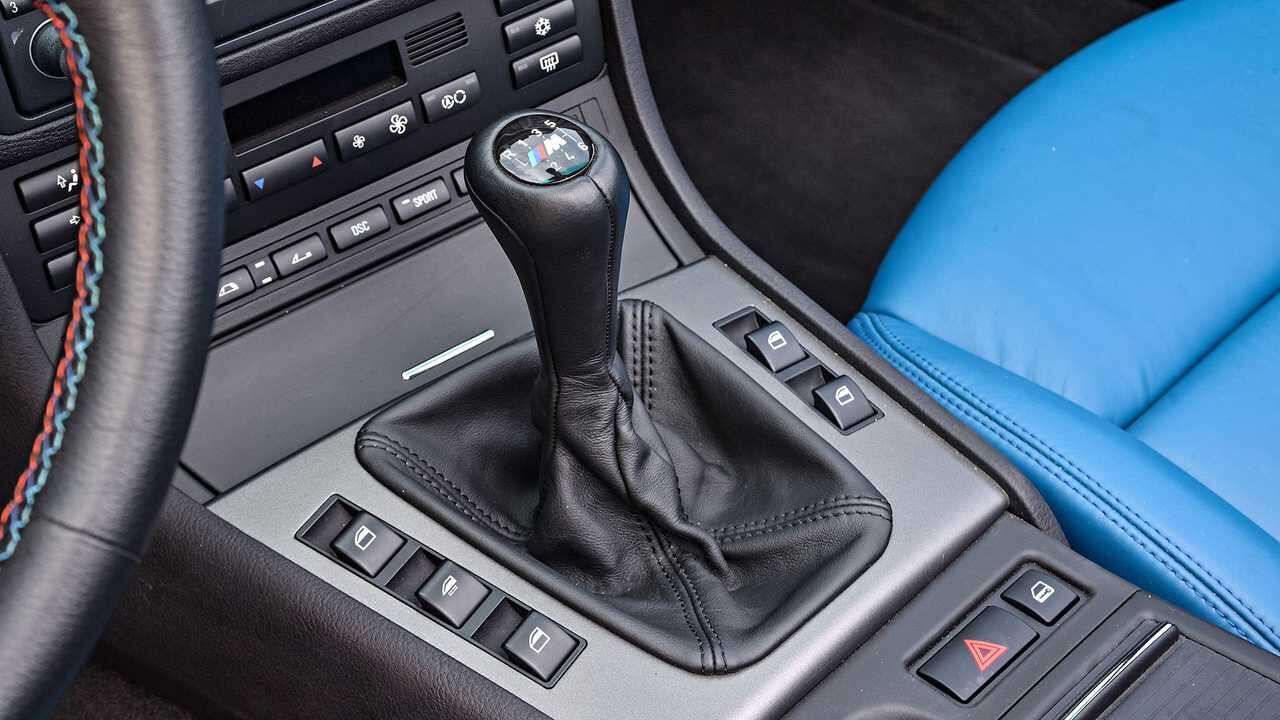
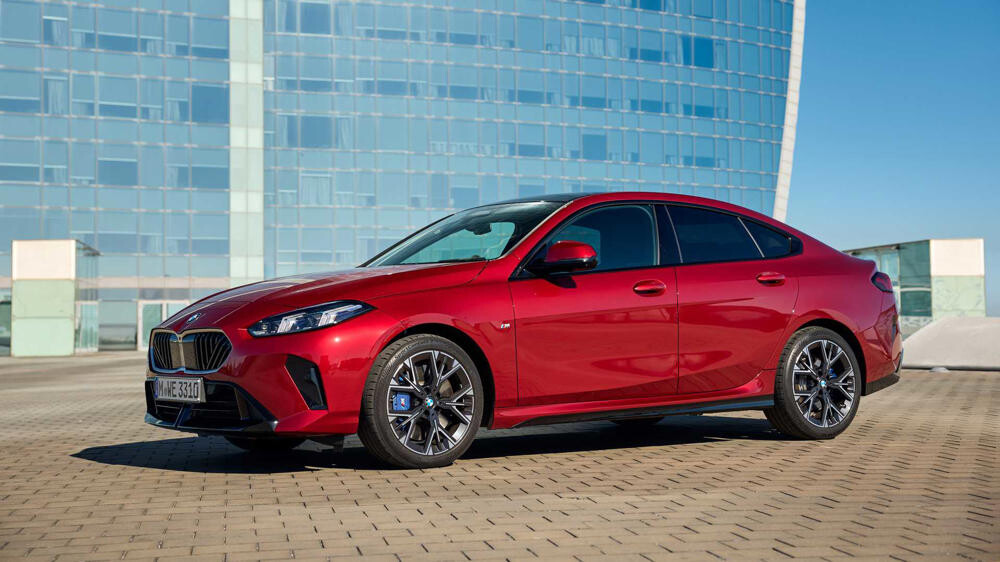
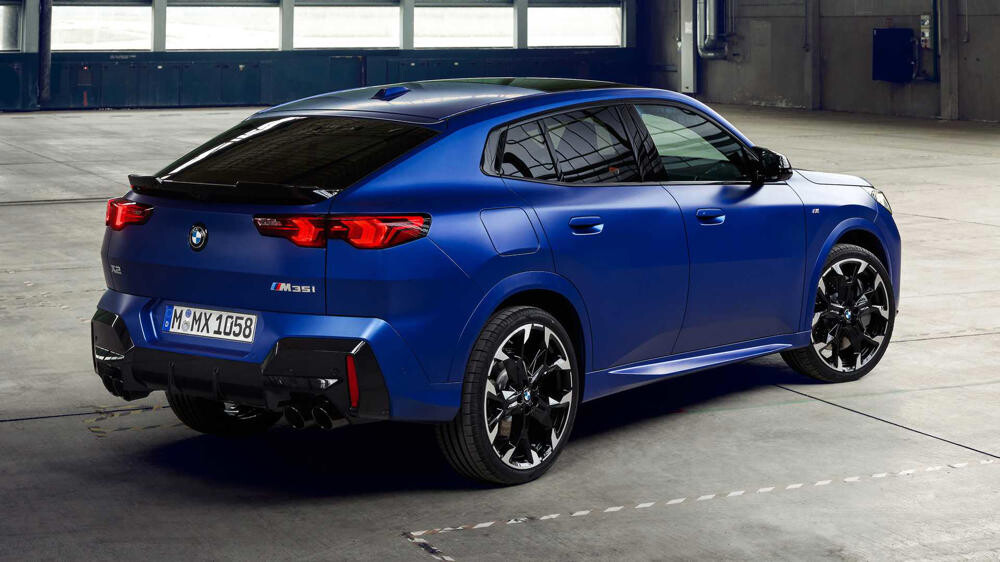
BMW has spent the past few years systematically removing physical buttons from its interiors, arguing that touchscreens and voice commands offer a cleaner, more modern way to interact with the car. But the company might not be entirely opposed to bringing some of those buttons back. Customer feedback could eventually convince the automaker to reconsider its increasingly screen-heavy approach. The shift toward digital controls wasn't accidental. BMW believes that consolidating functions into displays makes the cabin less cluttered and gives designers more freedom when laying out the dashboard. Rather than filling the center console with individual switches, the company has increasingly moved settings and vehicle functions into its infotainment system. There is also a generational argument behind the decision. Speaking to CarExpert earlier this year, BMW Group Australia CEO Vikram Pawah explained that younger customers are increasingly comfortable using voice commands and touchscreens. He suggested that buyers aged 45 and below are particularly accustomed to interacting with technology this way, often while multitasking. BMW 3 Series E46 In BMW's view, drivers want to get things done quickly, and voice commands and touch interfaces are becoming increasingly natural ways to do so. The company is therefore designing its latest interiors around these changing habits rather than sticking with traditional controls simply because that's how cars have always been laid out. BMW Could Have A Change Of Heart However, not everyone is convinced that replacing buttons with screens represents progress. Adjusting basic functions through a touchscreen can require more attention than reaching for a dedicated control, particularly when driving. And while voice assistants have improved, they aren't always the most convenient solution. Meanwhile, muscle memory rarely fails. BMW appears confident that customers will eventually get used to its new approach, but Claudia Maier, the company's manager of digital technology for Neue Klasse models, isn't ruling out adjustments. Speaking to Carsales, she acknowledged that customer feedback could influence future interior layouts. 'We have our 'right information at the right time and right way' [concept, and] we are very confident on that. But of course, I think you always have to take care of customer feedback. If there is a high demand on specific things, we always care about that.' BMW 3 Series E46 Don't Expect A Button Bonanza Just Yet (Or Ever) In other words, BMW isn't promising to bring back the buttons it has spent years removing, but it isn't completely closing the door either. Maier specifically mentioned climate controls and steering wheel buttons as potential candidates for a return if buyers make their preferences clear. Ultimately, the return of physical buttons will depend on whether enough customers ask for them. BMW clearly believes its latest generation of interiors represents progress, but the company also knows that customer preferences can change. Perhaps the best solution would be to strike a balance between old and new. Nobody is asking the company to bring back every single switch from a 2000s-era BMW like the E46 3 Series, but having dedicated controls for frequently used functions wouldn't exactly hurt. After all, there's a reason why some of us still prefer turning a knob to adjusting the temperature through three touchscreen menus. BMW 3 Series E46 What do you think? The Cost Of Bringing Buttons Back There's also the elephant in the room: costs. Adding physical buttons, switches, and dedicated controls increases manufacturing complexity and expenses compared to installing the same touchscreen across multiple models. A largely standardized display can be shared throughout the lineup, whereas individual buttons require additional hardware, wiring, integration, and assembly. For an automaker selling over two million vehicles each year, those savings add up quickly. Bringing back more physical controls might make customers happier, but BMW would also have to decide whether the added expense makes business sense. It's not just a math problem for the accountants in Munich, either. Most other automakers have been cutting back on physical controls in recent years, making this "minimalist" approach part of a much wider industry trend.