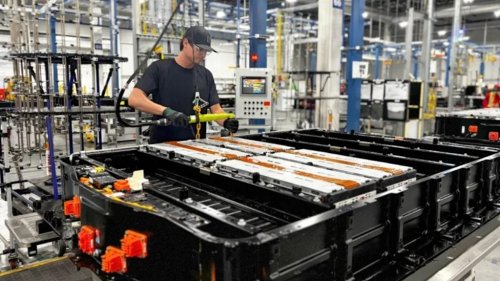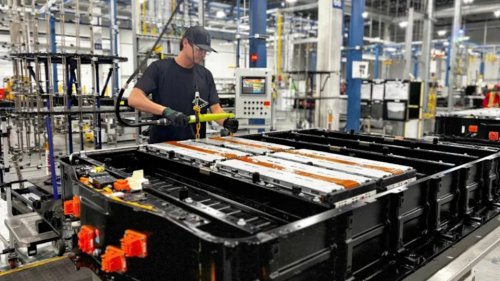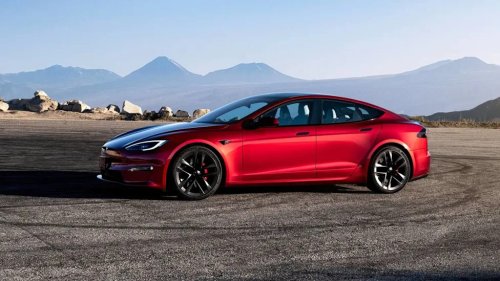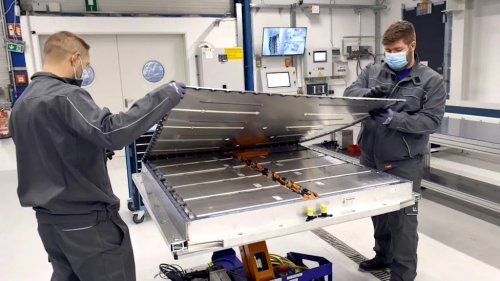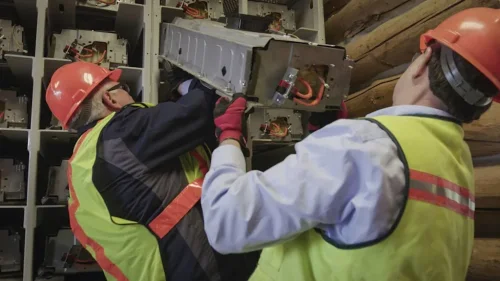



















Photo Credit: iStockIn Massachusetts salvage yards, aging EV batteries can be less of a windfall and more of a drain, even though they contain minerals with significant value.Sometimes a recycler will accept a pack at no charge. Other times, the scrapyard holding it has to spend thousands of dollars to get it removed.What's happening?A recent example came from Everett Auto Parts in Massachusetts, where co-owner Thomas Andrade sent two Chevy Volt hybrid batteries to a recycler and was pleased that the deal more or less balanced out, NPR reported.AdvertisementAdvertisement"The good thing with these is, they'll at least take them at no expense," he said.A different yard in the state, Westover Salvage Yard, is holding a used Tesla battery on a shelf after receiving just one recycling estimate: negative $1,800, which would leave the company paying for processing and transport.For smaller operators, the numbers can be particularly unforgiving because they do not handle enough batteries to benefit from scale.Westover Salvage Yard CEO Brian Bachand said that pack might fetch up to $2,000 from the right buyer, yet he still got no takers after offering it for $1,200.That means a battery that still works can nonetheless cost its owner money.Why does it matter?Used EV batteries are not something scrapyards can toss in the trash. Left in storage too long or discarded in a landfill, they can create fire hazards and release hazardous substances.AdvertisementAdvertisementThrowing them away also means losing lithium, nickel, cobalt, and other materials that could be extracted and put back into circulation.Recovering and reusing those inputs can reduce the costs and emissions associated with building new EV batteries, while also keeping more of the mineral supply at home.That could eventually support cheaper electric vehicles and replacement batteries, while also making supplies less vulnerable to disruptions.Even so, recycling is becoming a tougher business. A growing share of newer batteries uses lithium iron phosphate, or LFP, a chemistry that is cheaper to produce and often lasts longer in cars but yields less value at recycling facilities.AdvertisementAdvertisementAccording to Benchmark Mineral Intelligence analyst Frederick Bloomfield, North American recyclers are charging "around $1.50 to $2 per-kilogram gate fee" for LFP battery packs, so costs can quickly reach hundreds of dollars before shipping is even included.What's being done?Colorado has taken a policy approach by passing a law that makes automakers responsible when EV batteries are abandoned, dumped, or otherwise left behind at salvage yards.That arrangement could spare recyclers and scrapyards from disposal bills that currently can climb into the thousands of dollars.State Senator Lisa Cutter, who co-sponsored the bill, explained the reasoning this way: "There's not a magic trash fairy. We have to plan for these things."AdvertisementAdvertisementIt also sets a standard for mineral recovery, requiring companies to actually reclaim battery materials instead of just relocating the problem.With stronger collection systems, fewer disposal expenses may fall on the public, and more battery packs that still have use could be redirected to another vehicle or to energy storage."This is a liability," Bachand said. "No one's paying me for it. I have to pay to get rid of it."Calling the measure an early step, Jessica Dunn, a scientist with the Union of Concerned Scientists who helped shape Colorado's law, said: "We see Colorado as the starting place."AdvertisementAdvertisementGet TCD's free newsletters for easy tips, smart advice, and a chance to earn $5,000 toward home upgrades. To see more stories like this one, change your Google preferences here.