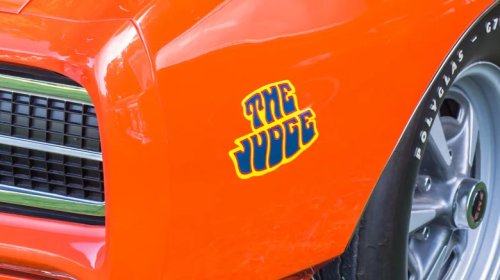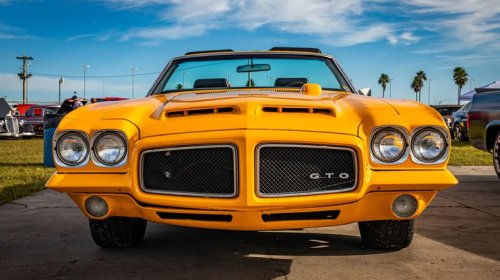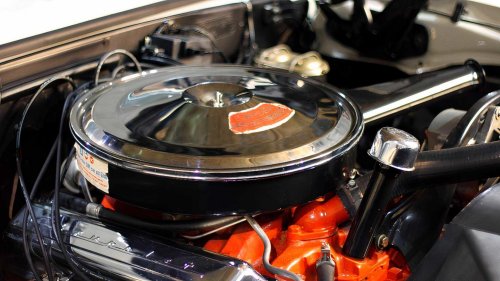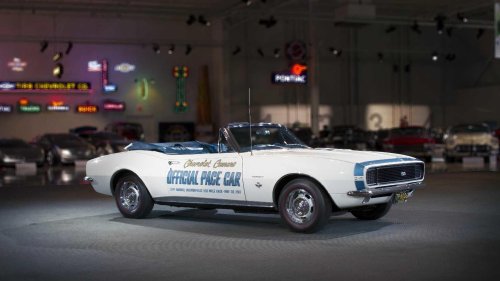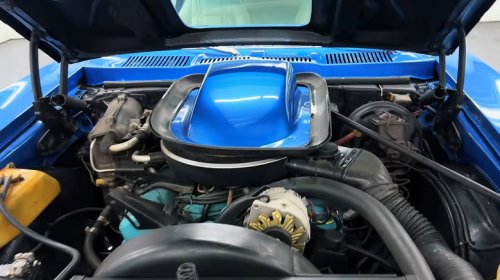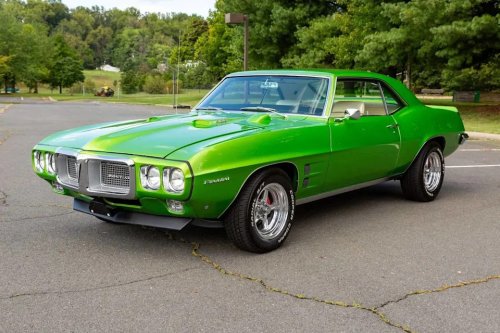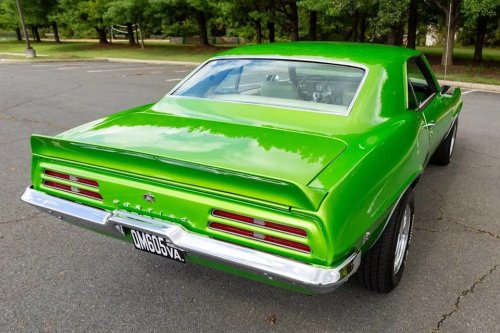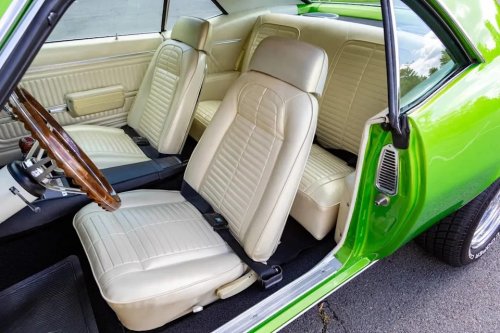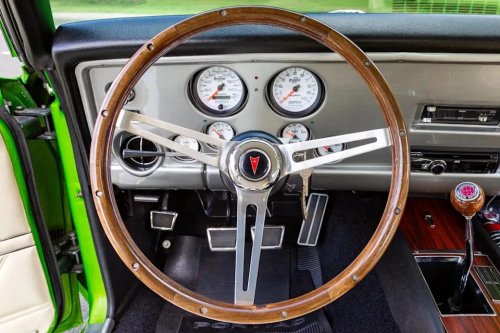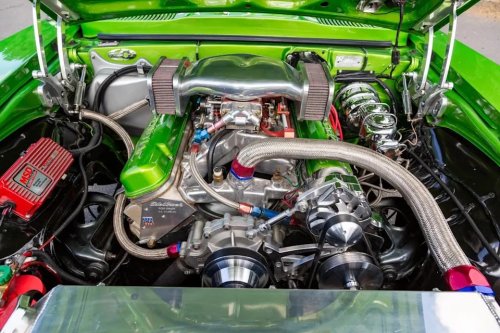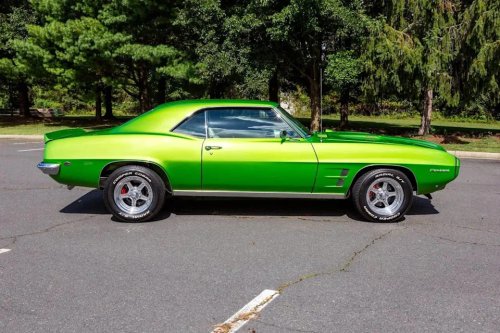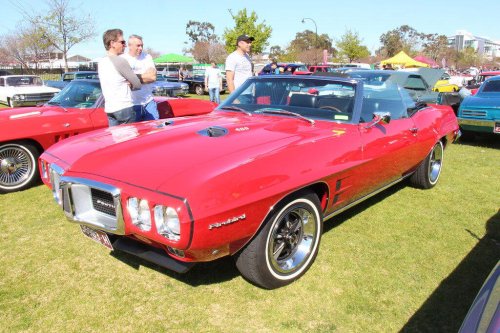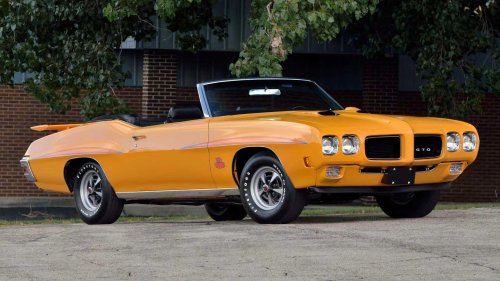
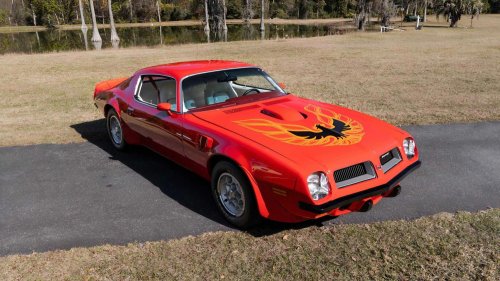
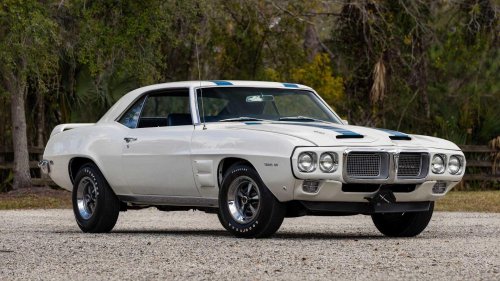
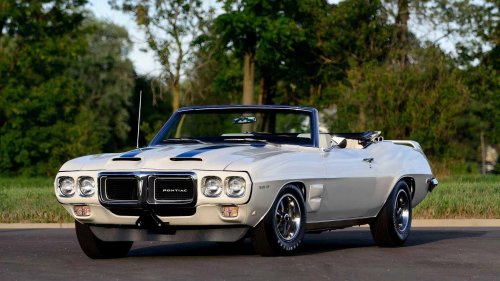
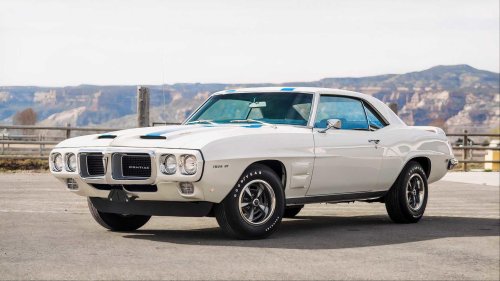
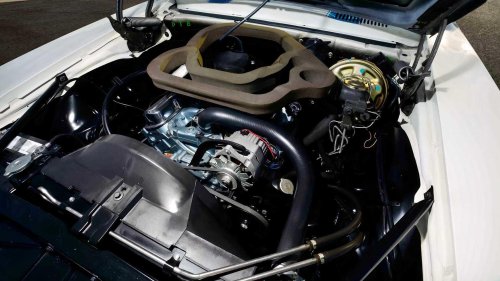
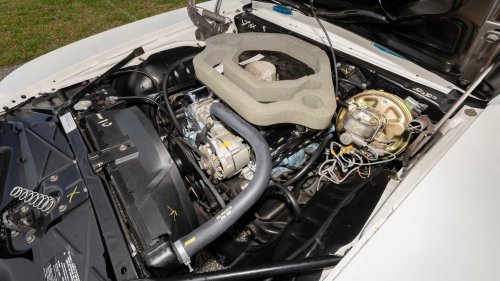
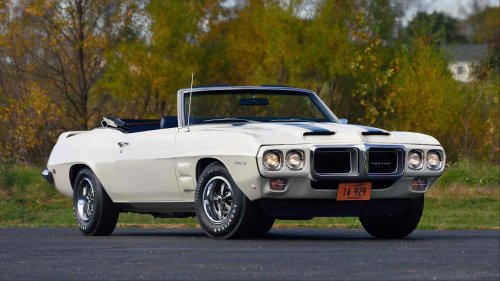
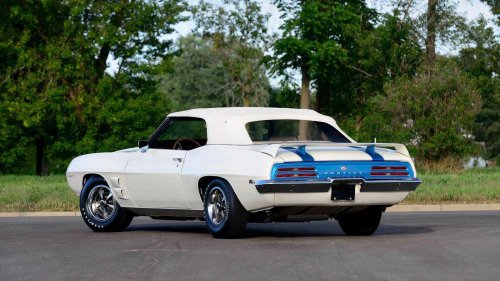
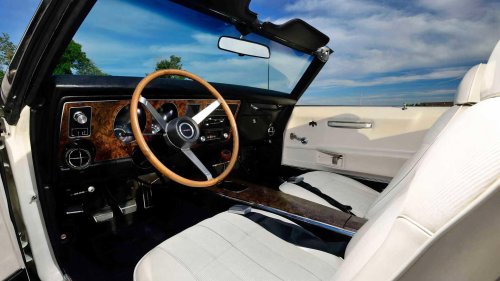



















During the late 1960s, Detroit was locked in an arms race. While Ford and Mopar traded blows on the drag strip, Pontiac positioned itself as General Motors’ rebellious performance division. The brand's legendary Ram Air engines gained immense prestige by constantly pushing engineering boundaries that corporate executives tried to suppress. However, despite the fame of the high-volume GTO, several experimental Pontiacs remained in the shadows.One specific automobile became the ultimate enigma of the muscle car era. Released as a mid-year 1969 addition, this American car arrived so late to showrooms that it nearly vanished before the public took notice. It represented a perfect blend of scarcity and performance. The Holy Grail Of Single-Year Rarity: Rarest Pontiacs You Can Find Via Mecum Auctions In the world of high-stakes automotive collecting, the one-year body style is the ultimate siren song. Collectors are naturally drawn to vehicles that represent a fleeting moment in design history, where a specific aesthetic exists for only twelve months before being replaced by a total redesign. When a manufacturer creates a specialized performance package that only overlaps with the final year of a legendary chassis, the resulting rarity creates a vacuum in the market that only the most dedicated and wealthy enthusiasts can fill.Mecum Auctions Pontiac was no stranger to performance peaks during this era. Many enthusiasts point to the loud, psychedelic graphics of the GTO Judge or the brute strength of the 1973 Super Duty 455 as the pinnacle of the brand. However, those legends were produced in numbers that, while exclusive, still look like mass-market figures when compared to Pontiac’s true ghost. While thousands of Judges roamed the streets, this specific model remained an outlier. It was the victim, and eventually the beneficiary, of the half-year phenomenon. Because the car was not officially introduced until March 1969, it entered the race months after the traditional model year had already peaked.This late arrival meant that by the time dealerships even received promotional materials, the sun was already setting on the first-generation Firebird platform. It was a discreet release that arrived with almost no lead time, ensuring that only a handful of buyers would even have the opportunity to attain one. The late timing, high cost, and a disappearing body style birthed the 1969 Firebird Trans Am. The Rarest Of The Rare: Top 3 Pontiac Muscle Icons Introducing The 1969 Firebird Trans Am: The Rarest Bird MecumThe legend officially began on March 8, 1969, with the debut of the RPO 322 package. This was a comprehensive performance overhaul designed to give Pontiac a presence in the growing pony car market. Every 1969 Trans Am left the factory with a distinctive Cameo White paint job accented by Tyrol Blue racing stripes, heavy-duty suspension, and a functional aero kit.Despite the striking looks, the public was slow to react to the new arrival. The late-season launch resulted in a production run so small it is almost unbelievable by modern standards. Only 697 total units were built for the inaugural year. Of those, 689 were hardtops, while a mere eight were convertibles, making the drop-top versions some of the most elusive muscle cars in existence.Mecum Pontiac wanted to capitalize on the popularity of the SCCA Trans-American Championship, a racing series where pony cars battled for road-course supremacy. However, because Pontiac did not actually own the trademark to the name, they struck a famous deal with the SCCA. The manufacturer agreed to pay a $5 royalty fee for every Trans Am sold. It was a small price to pay for what would become the most iconic nameplate in the brand's history, even if the initial sales figures were humble. Interestingly, because Pontiac insisted on using the 400 cubic inch V8, the car was technically ineligible to race in the series.Mecum The primary reason this specific iteration was discontinued so quickly was the massive styling shift occurring within General Motors. The 1969 model year marked the end of the first-generation Coke-bottle styling that had defined the late sixties. For 1970, Pontiac moved to the radical second-generation platform featuring the Endura front-end and a more European-inspired silhouette. This shift effectively orphaned the 1969 Trans Am, leaving it as a unique, single-year design that would never be replicated. It remains a singular moment in time where Pontiac’s most famous nameplate met its most classic body style for just a few short months. Beneath The Dual Scoops: Engine, Specs, And Performance Via Mecum AuctionsWhile the 1969 Trans Am was a visual masterpiece, its true substance lay beneath the exclusive, dual-scooped steel hood. The heart of the beast was the standard 400-cubic-inch Ram Air III V8. Rated at a stout 335 horsepower and 430 lb-ft of torque, this engine featured high-flow D-port cylinder heads and a specialized camshaft designed to breathe through the functional hood nostrils. These scoops weren't just for show; they featured driver-controlled baffles that could be opened to gulp in cold, dense air, providing a genuine performance boost when the throttle was pinned.For those who demanded the absolute pinnacle of Pontiac engineering, the legendary Ram Air IV was the optional white whale. Only 55 buyers checked this box, opting for an engine that utilized round-port heads, an aluminum intake manifold, and a more aggressive valvetrain. While officially rated at 345 horsepower—output many historians believe was drastically sandbagged to appease insurance companies—the Ram Air IV was a high-revving thoroughbred that could humiliate almost anything else on the drag strip.Mecum Auctions Beyond the raw power, the 1969 Trans Am featured specialized hardware that set it apart from the standard Firebird 400. Unique rear-facing fender extractors were cut into the sheet metal to vent trapped engine heat, while a massive 60-inch heavy-duty rear spoiler provided aerodynamic stability. To ensure the car could handle corners as well as straightaways, Pontiac fitted it with a one-inch front stabilizer bar and high-effort, variable-ratio power steering. This combination transformed the Trans Am into a legitimate driver’s car, offering a level of road-course precision that was rare for a heavy American muscle car of the era. What Is This Ghost Worth Today? Mecum In the current 2026 collector market, the 1969 Trans Am has solidified its status as a blue-chip investment, consistently outperforming the standard Firebird 400 and even many GTO variants. Its single-year body style and extreme scarcity have created a high floor for entry. As per Hagerty, for a well-maintained driver in good condition, buyers should expect to pay between $92,000 and $130,000. However, for those seeking a concours-level specimen, prices for Ram Air III models now routinely exceed $250,000, especially if they carry a documented four-speed manual transmission.Via Mecum Auctions The true unicorns of the market are the eight factory-built convertibles. These cars have moved beyond traditional automotive pricing into the realm of fine art. With only eight ever produced and all eight accounted for in private collections, they are essentially priceless. In 2026, private valuations for an original 1969 Trans Am convertible push well toward the $802,000 to $1,100,000 mark, with the most pristine examples estimated even higher.Via Mecum Auctions Their rarity is so absolute that they rarely ever reach a public auction block, usually changing hands in hushed, private-treaty sales. Because of this meteoric rise in value, potential buyers must exercise extreme caution. The market is currently flooded with tribute cars or clones—standard 1969 Firebirds that have been repainted and fitted with Trans Am fiberglass to mimic the real thing. While a high-quality tribute can be a fun way to enjoy the aesthetic, an authentic, well-documented Trans Am is now a multi-year search for most collectors. Verifying the VIN and obtaining Pontiac Historical Services documentation is the only way to ensure you are buying a genuine ghost and not a clever imitation.Sources: General Motors, Hagerty, Mecum Auctions