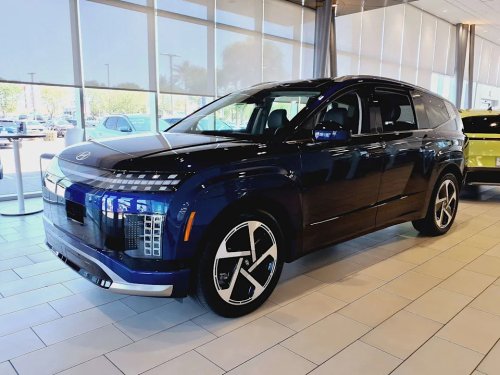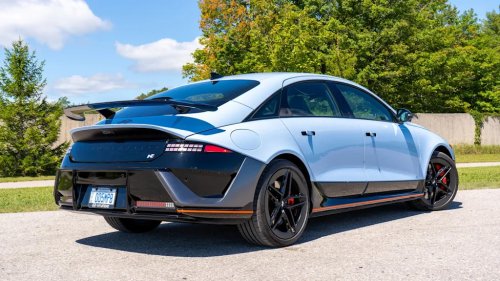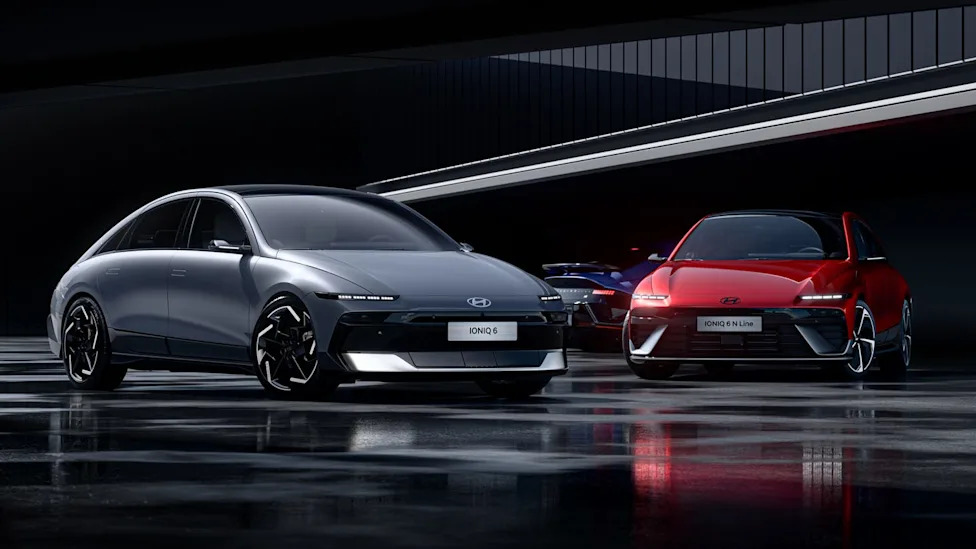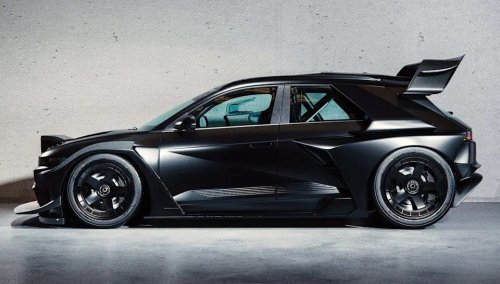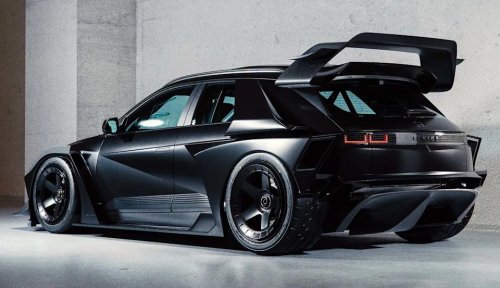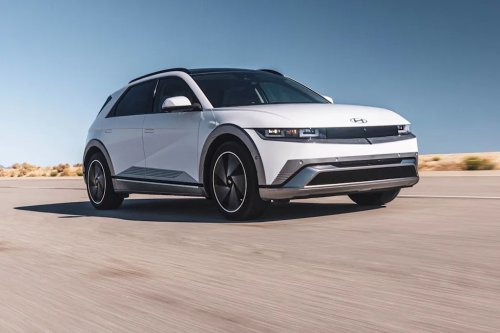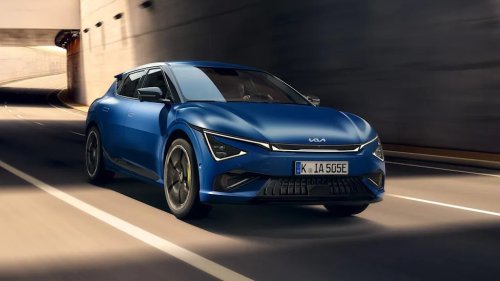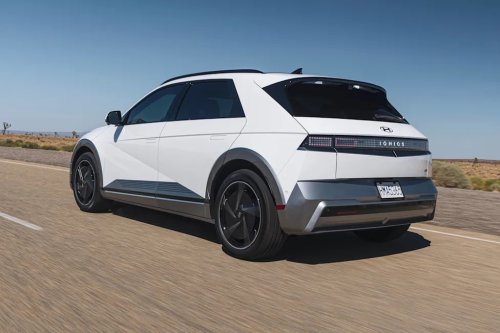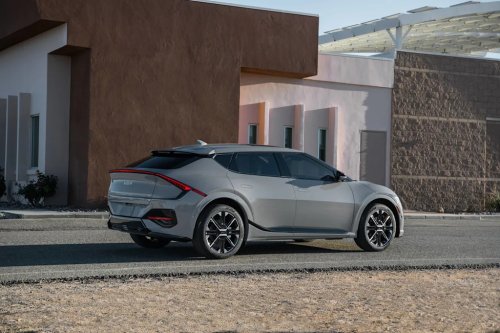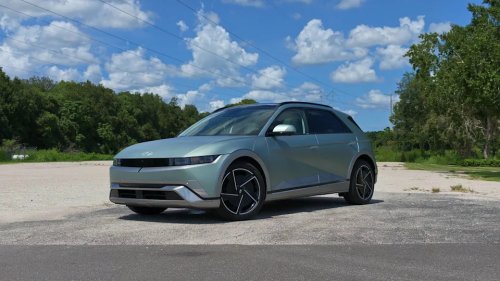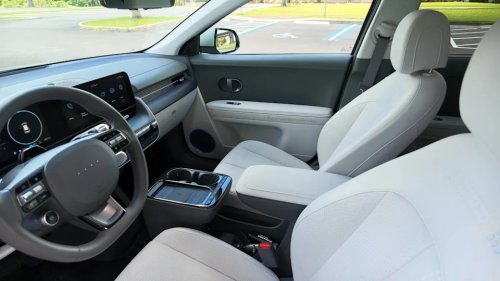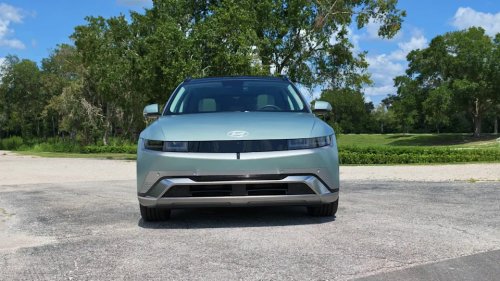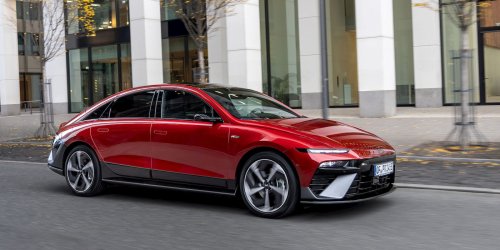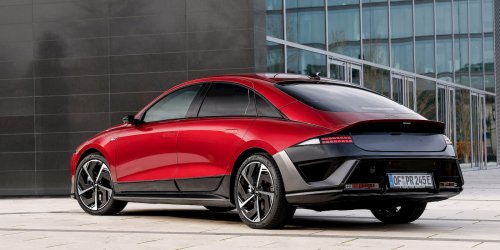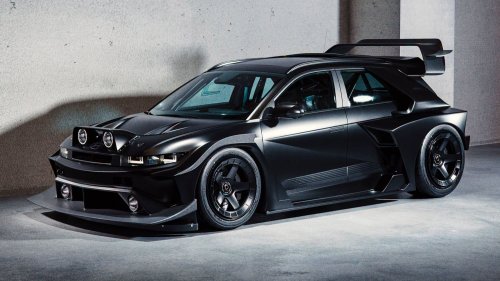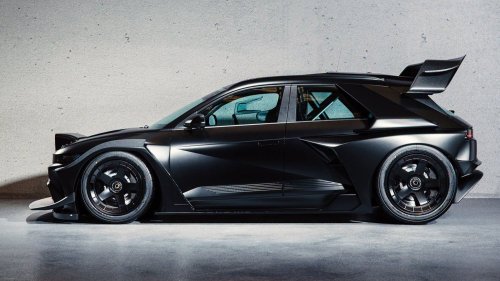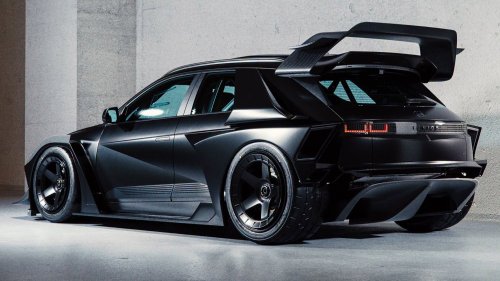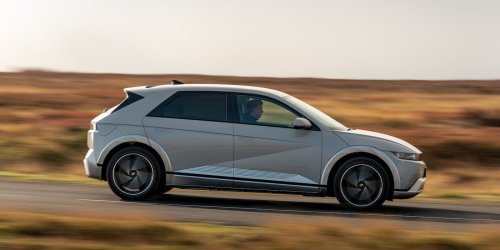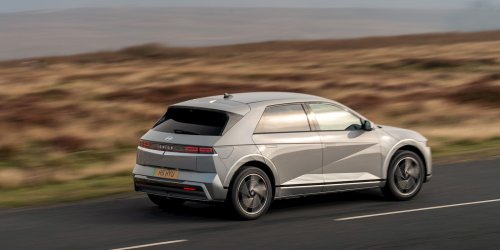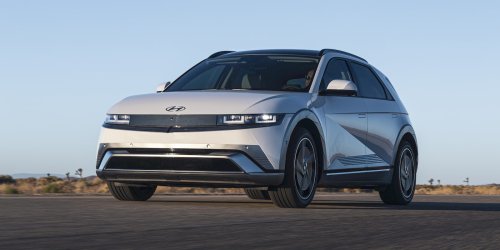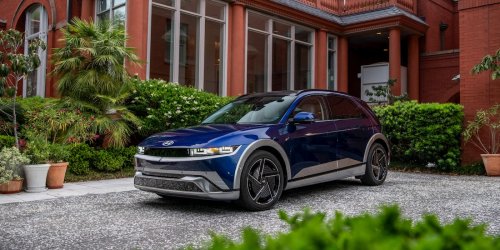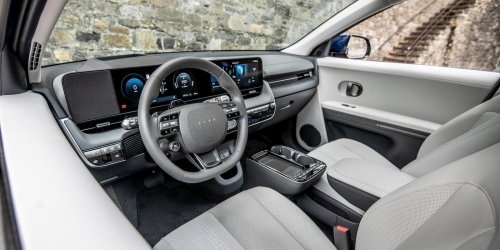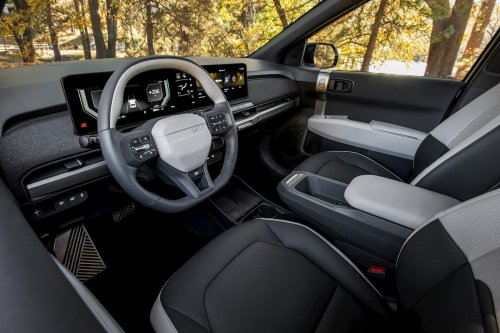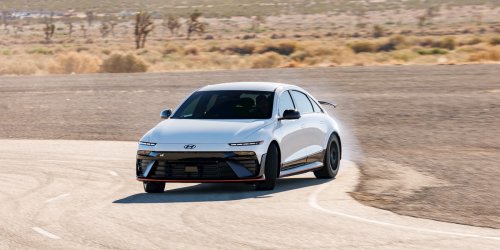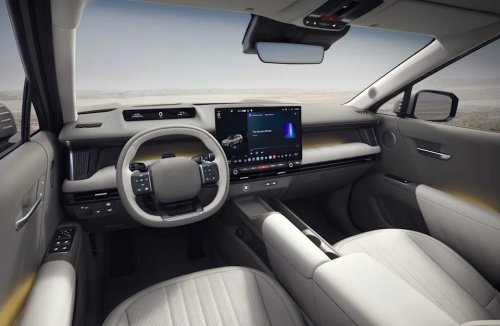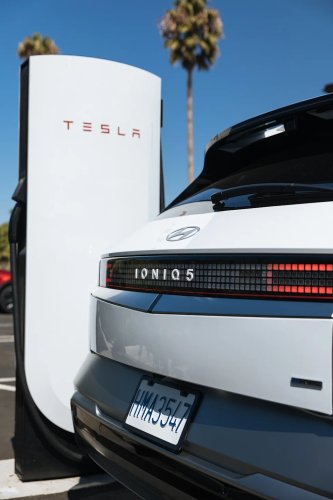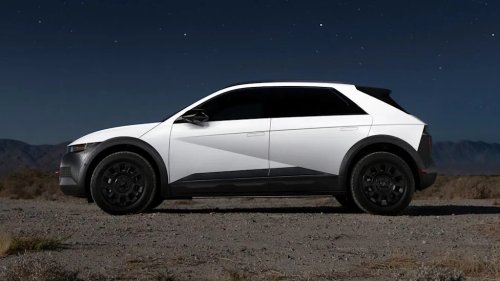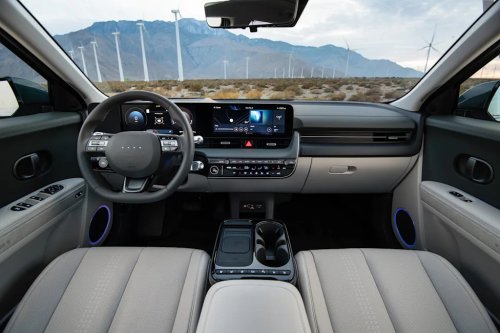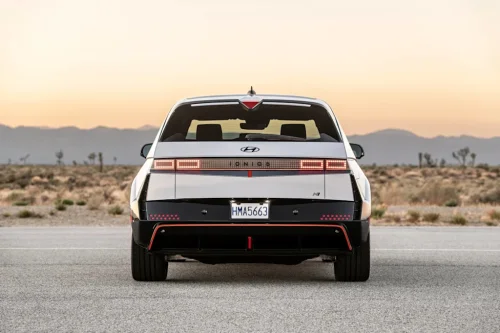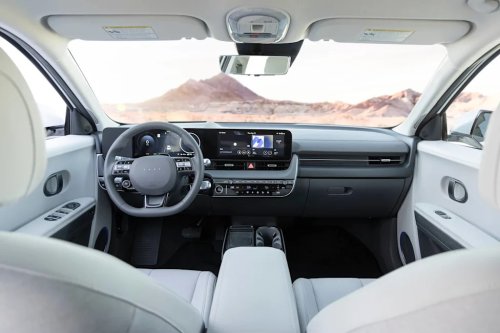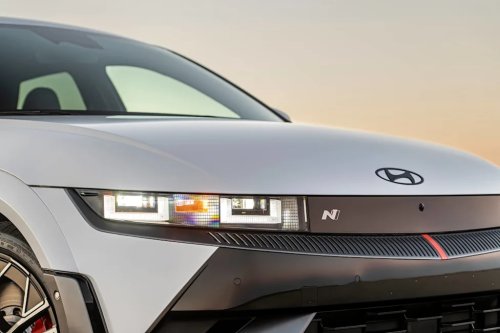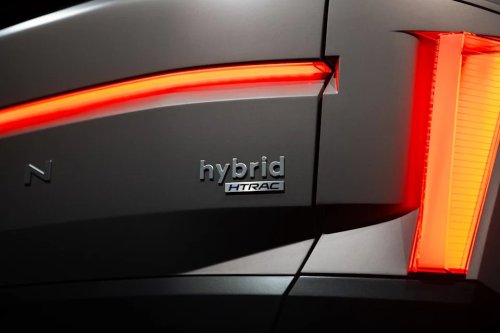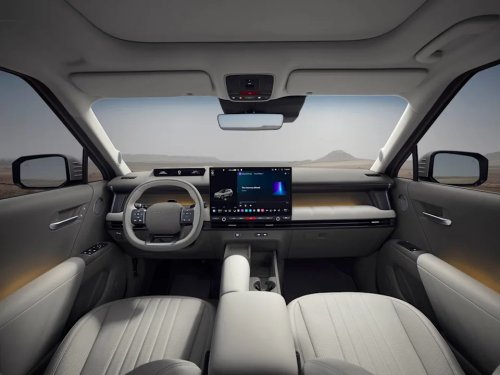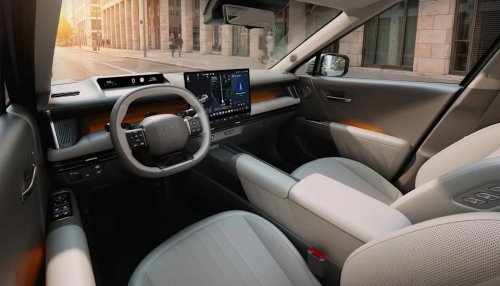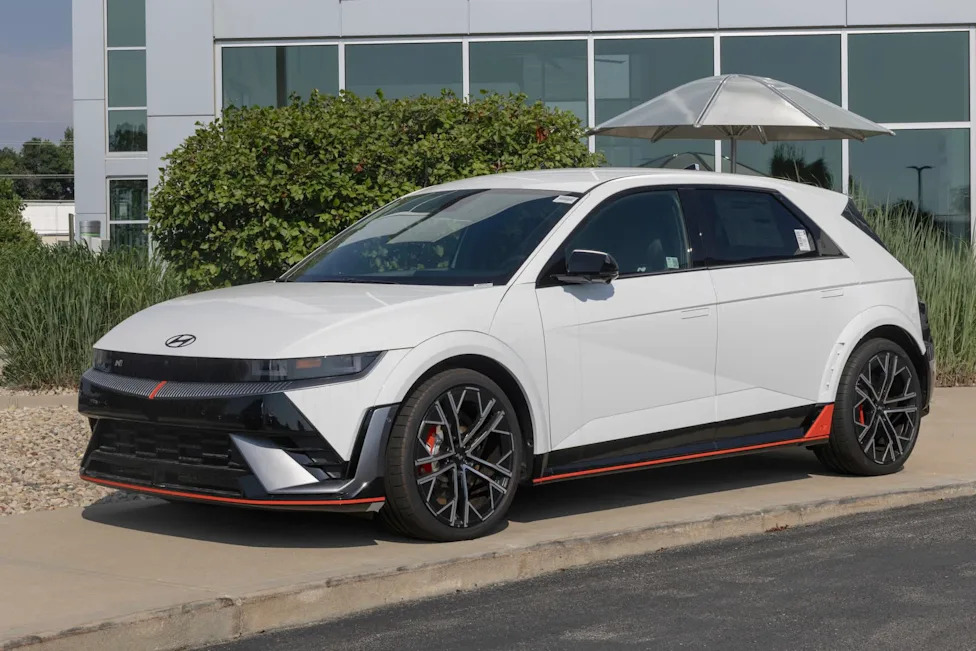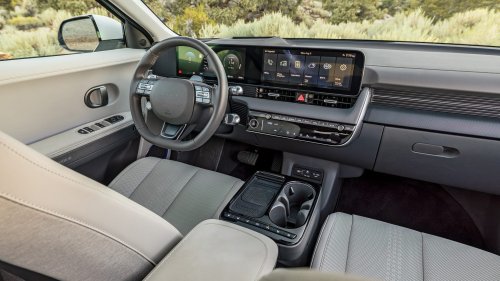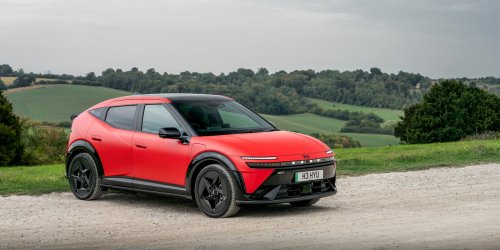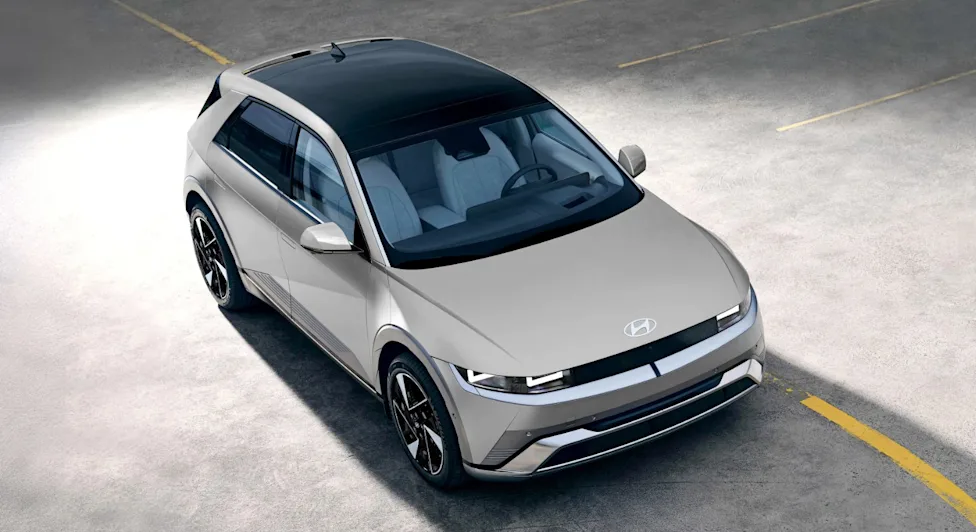



















Image: Hyundai CanadaThe 2025 Ioniq 5 N asked $67,800 to start. The 2026 model shaves $6,300 off that number while keeping the same 641-hp dual-motor AWD powertrain intact. Federal EV tax credits, meanwhile, are gone for Hyundai buyers — so instead of routing savings through dealer rebates or asterisk-laden incentives, Hyundai applied the discount directly to the window sticker. That's a deliberate strategy, and it's worth understanding why the timing isn't a coincidence.What Actually Changed – and What Didn'tSame 641 horses, but the stable just got a meaningful upgrade.You still get 641 hp and a track-tuned chassis. But Drift mode — previously a single, take-it-or-leave-it setting — now offers 10 selectable stages. That's the difference between a light switch and a dimmer. Hyundai leaned further into the performance side here, not away from it, which matters if you were worried a price cut meant a de-contented car.AdvertisementAdvertisementNotable updates for the 2026 model year:Price drops from approximately $67,800 to $61,500 (including the $1,600 destination charge), a confirmed $6,300 reduction. Some outlets report the MSRP as $59,900 before destination; either way, the cut is $6,300.Charging port switches from CCS to NACS, unlocking broader DC fast-charging network access.Hyundai bundles Level 1 and Level 2 chargers plus CCS-to-NACS adapters in the box.Drift mode expands from one stage to 10 selectable stages.Daily-driver refinements: auto up/down rear windows, a driver-awareness warning system, and at least one new paint option.The NACS switch deserves a moment. Moving to Tesla-style connectors means you're no longer the person at the charging station juggling adapters like it's a USB-A nightmare circa 2015. The included CCS-to-NACS adapters cover legacy infrastructure too, so early buyers aren't left stranded between charging standards.The Real Story Behind Hyundai's MathWhen tax credits vanish, somebody has to absorb the difference — and Hyundai chose itself.AdvertisementAdvertisementHyundai cut MSRPs across the entire 2026 Ioniq 5 lineup by $7,600 to $9,800 per trim, with an average reduction of $9,155 according to the company's official announcement. The 5 N's $6,300 reduction follows identical logic. Industry analysts tracking the move characterize it as Hyundai using MSRP reductions as a direct response to maintain competitive transaction prices — a read cited across MotorTrend and dealer-industry reporting. That framing holds up: Hyundai isn't discounting because demand collapsed; it's pricing to stay relevant without a government subsidy doing the heavy lifting.If you've been cross-shopping the Kia EV6 GT or Tesla Model Y Performance, the math just shifted. At $61,500, the 5 N occupies meaningfully different territory than it did approaching $68K. The performance-per-dollar calculation improves considerably, and you can save hundreds more even before factoring in Hyundai's additional bonus cash offers on other Ioniq 5 trims.One unresolved thread worth watching: Hyundai has already pulled the standard Ioniq 6 sedan from the U.S. market, and the high-performance Ioniq 6 N remains listed as "extremely limited availability" with no confirmed U.S. pricing or clear timeline. The 5 N price cut, then, isn't just a discount — it's a signal about where Hyundai is placing its bets in North America, and the 5 N appears to be the clearest one on the board right now.From the coolest cars to the must-have gadgets, GadgetReview's daily newsletter keeps you in the know. Subscribe - it's fun, fast, and free.