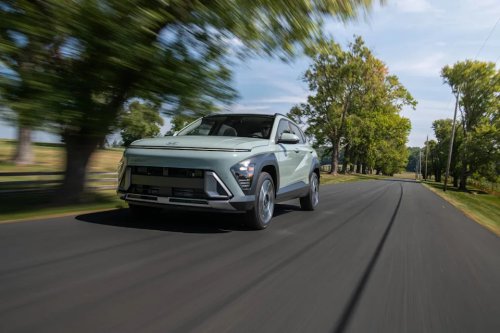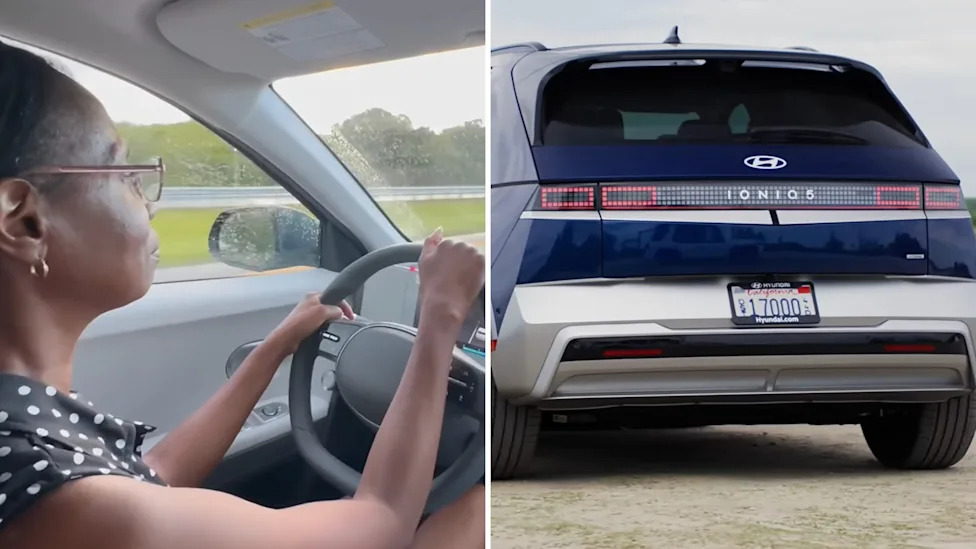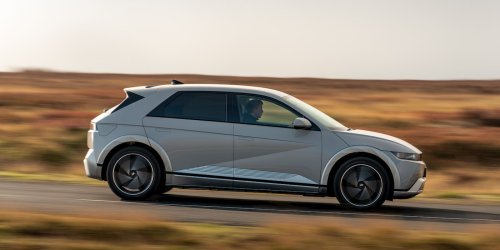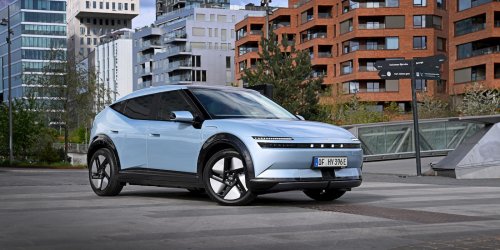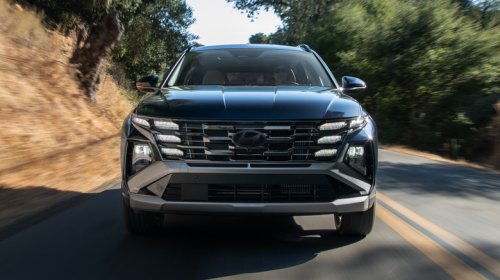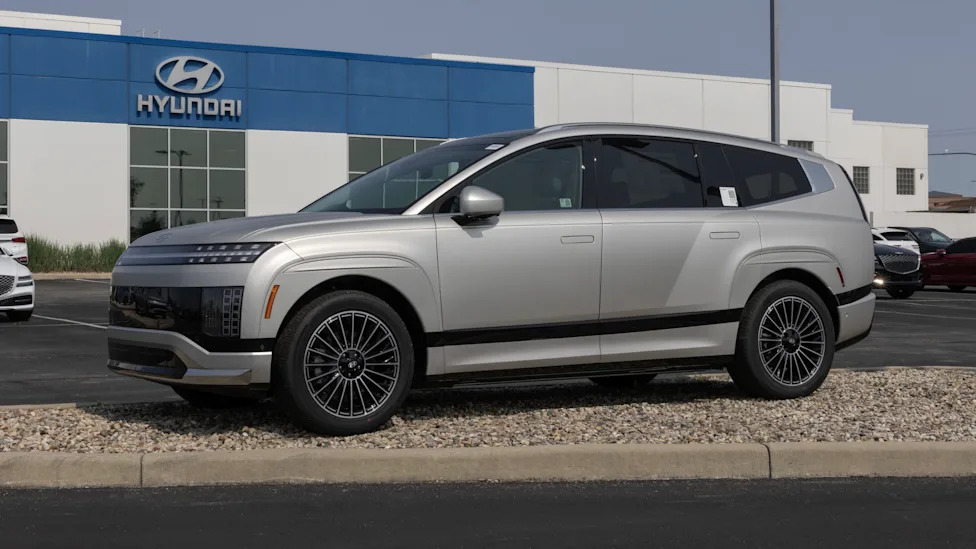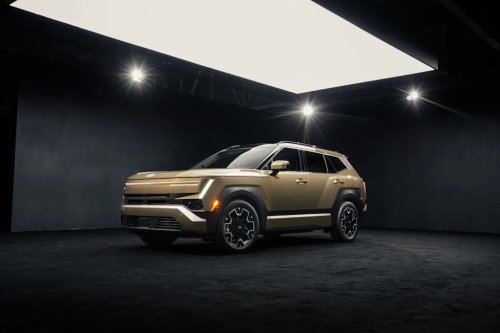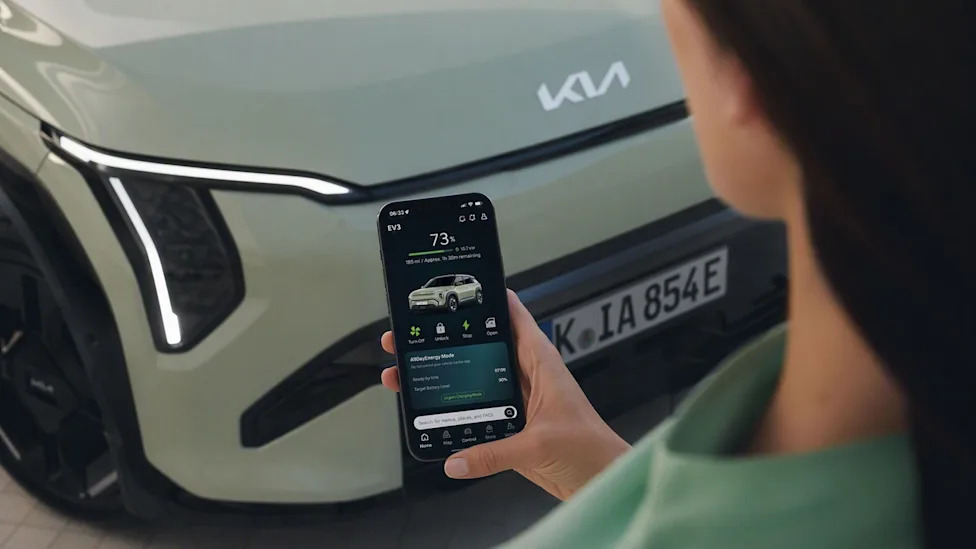



















Photo Credit: Hyundai Motor GroupHyundai Motor Group is positioning some of its electric vehicles as part of a home-and-grid energy setup.Through a new platform called AllDayEnergy, certain Hyundai and Kia EVs may eventually help owners back up household power, return electricity to the grid, and reduce what they spend on charging.What happened?On July 24, Hyundai Motor Group introduced AllDayEnergy as a global brand for its vehicle-to-everything, or V2X, energy services.AdvertisementAdvertisementAccording to Tech Times, the first rollout was planned for the United Kingdom through the Kia app in the second half of 2026.The service was developed for compatible E-GMP-based EVs, including the Hyundai Ioniq 5, 6, and 9 and Kia EV9.The first piece expected to go live was smart charging, or V1G. That system is designed to wait for periods when electricity is cheap and demand on the grid is low before charging the vehicle.Over time, the platform is also supposed to expand into V2H and V2G technology. Vehicle-to-home service would let the car run household appliances or provide backup power during an outage, while vehicle-to-grid service would allow stored battery power to flow back to the electric grid.AdvertisementAdvertisementFor customers, the potential savings are notable. Octopus Energy's Power Pack tariff usually comes in at about £620 a year, or $835, below a standard tariff.Why does it matter?EV batteries are now becoming large enough to serve as flexible energy storage systems, not just power sources for driving.That could make daily life easier for drivers by lowering utility costs and giving households another layer of protection during blackouts and extreme weather.For families concerned about losing power, the home backup side of the technology may be especially attractive. The EV9 has a 99.8-kilowatt-hour battery pack, and Hyundai Motor Group has used similar capabilities in the United States during wildfire-related grid disruptions.AdvertisementAdvertisementA key challenge is the hardware. In the U.K., no Combined Charging System bidirectional charger has yet passed grid certification, so most drivers will not be able to feed electricity back to the grid.Smart charging is still expected to arrive first, but the part of the system with the biggest money-saving potential will likely have to wait until certified hardware becomes available.There is also concern about battery longevity. The report says heavy day-to-day V2G use can accelerate battery wear, though optimized software management can greatly reduce that impact.What's being done?Hyundai Motor Group has been testing V2X programs in South Korea and the Netherlands and began V2H service for EV9 drivers in some U.S. states in early 2025.AdvertisementAdvertisementThese pilot programs can help address real-world challenges involving chargers, utility partnerships, home installation, and grid coordination.The most realistic near-term advantage is smart charging. Owners of compatible Hyundai or Kia EVs with access to a smart charger could save money by shifting charging to off-peak hours without having to monitor electricity rates themselves.V2H and V2G tech could also give households more control over how they use energy. That may mean keeping essential appliances running during outages, easing pressure on local grids during peak demand, and turning EVs into tools that save money even while parked.Get TCD's free newsletters for easy tips, smart advice, and a chance to earn $5,000 toward home upgrades. To see more stories like this one, change your Google preferences here.