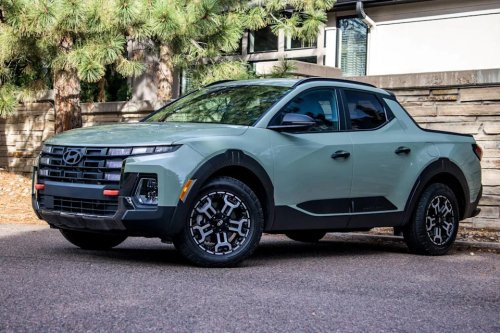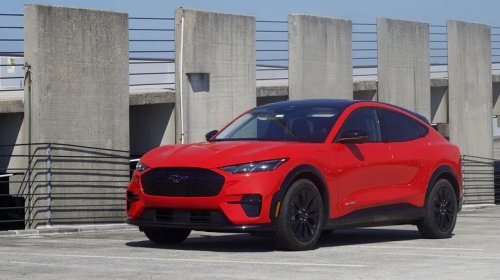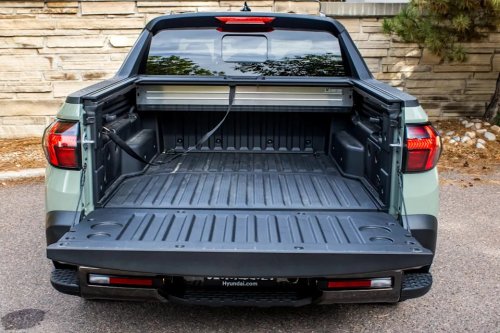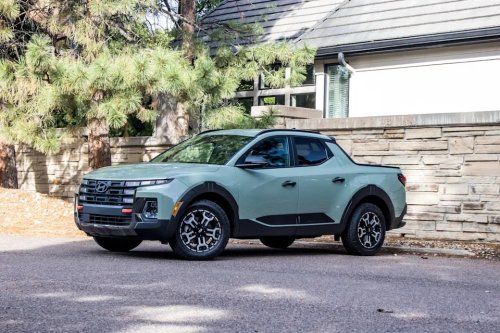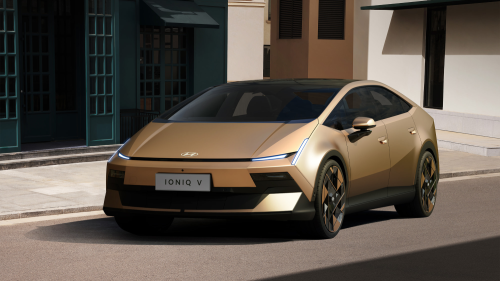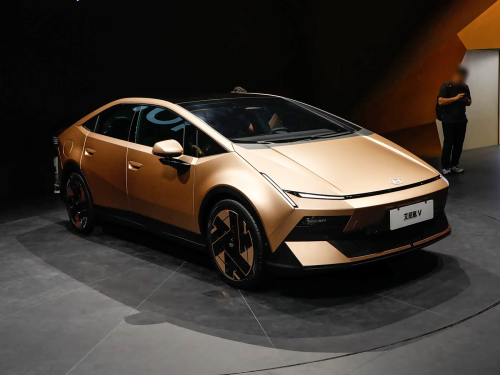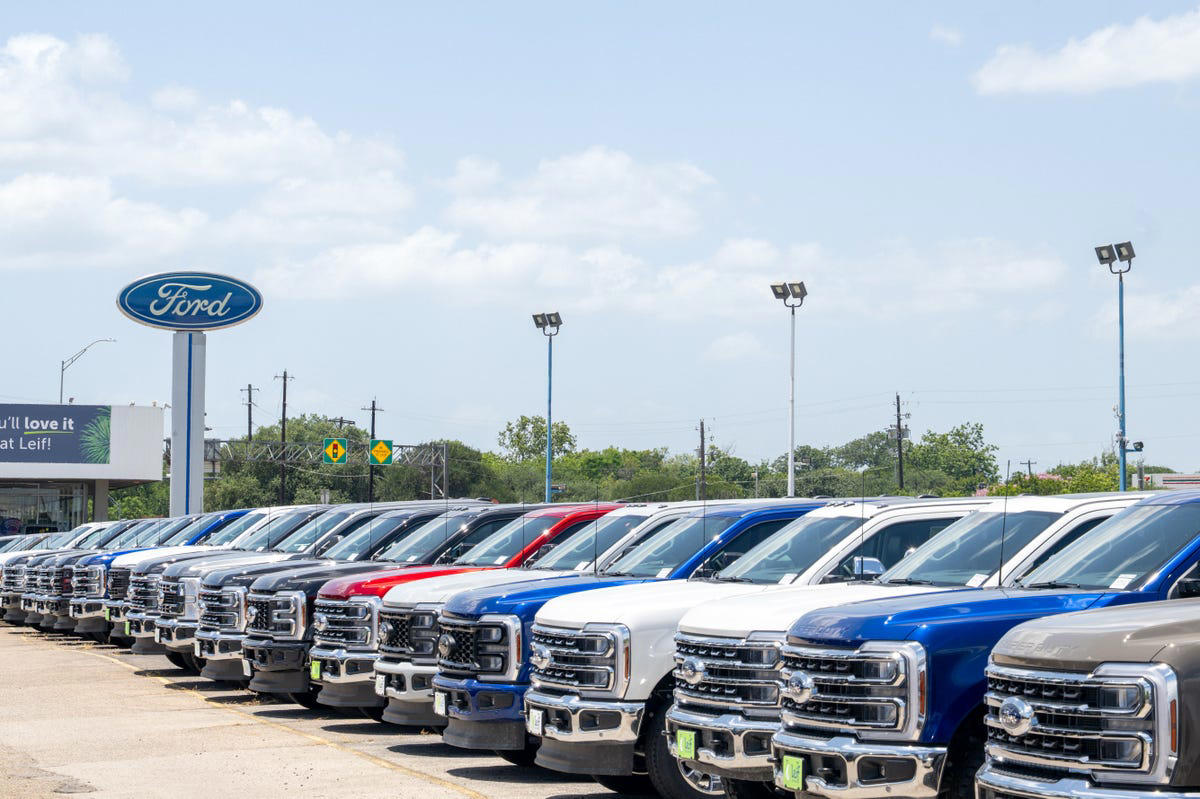



















Hyundai, with Kia and Genesis, will outsell Ford Motor Company (including Lincoln) for the third quarter of the year as Toyota Motor Sales USA (yes, including Lexus) continues its gains on General Motors’ longstanding status as America’s number one automaker.Hybrid powertrains have a lot to do with this. Toyota, Hyundai, and other Asian-brand automakers are leading the HEV charge as Detroit automakers struggle to catch up.That’s according to Cox Automotive analysts, who say the US auto market is showing a good deal of health and resilience, even in light of spiking gas prices, record-high diesel prices, and the Consumer Price Index bouncing back up to 3.4 percent by August.Chief economist Jeremy Robb says consumer health is beginning to catch up with consumer sentiment, so Cox Auto has increased its full-year sales forecast to 16.1 million cars and trucks, up from its second-quarter forecast of 15.8 million. This is driven largely by a US economy “far more tied to financial asset growth” in the face of higher interest rates from the last four years or more.gettyimages-2284066659Meanwhile, credit availability is at a 10-year high, says Jonathan Gregory, Cox Auto’s senior director for economic and industry insights. Even subprime auto loans—their delinquency rate in the last couple of years was once a matter of concern along the lines of the subprime mortgage crisis of 2008—are up, after four months of decline.“What’s changing is the deal structure,” Gregory says, with auto loans going longer than 72 months.In its quarterly outlook reports, Cox Auto does not wait for official US sales numbers, which will be released the first week of October. But its analysts can forecast those numbers accurately with a couple of weeks left in the current quarter.Cox Auto projects Hyundai, including Kia and Genesis, will have sold 511,421 vehicles in the third quarter of 2026, up 6.5 percent over Q3 of 2025 and beating Ford Motor Company’s (including Lincoln) 504,172, a decline of 7.1 percent.Analysts note that Ford has pulled back from fleet sales, primarily daily rental, where the Hyundai and Kia brands are particularly popular. Also, Ford has dropped its once popular Escape compact sport/utility, a model that years ago lost sales to its platform sibling Bronco Sport.gettyimages-2206574411That makes Hyundai/Kia/Genesis the number three automaker in the US for the third quarter, though Ford still holds a sufficient lead to end up third by the end of the year. Ford’s year-to-date US market share is 12.5 percent, down 1.0 point from last year, while Hyundai is at 11.9 percent, up 0.7 points.General Motors still holds the number one spot for the third quarter, for which it will have sold 671,706 vehicles, down 5.2 percent over Q3 of last year. Toyota (including Lexus) continues to gain on GM, with sales of 642,707 for the third quarter, up 2.2 percent.GM’s year-to-date market share is 16.7 percent, off 0.8 points, to Toyota’s 15.6 percent market share, up 0.5 points.It’s a matter of time, at least for Ford vs. Hyundai, says Stephanie Valdez-Streaty, Cox Auto’s director of industry insights. Ford and GM lack the hybrid lineup where Hyundai and Toyota lead, she says.Hybrid vehicles accounted for 16.3 percent of all vehicles sold in the US for the third quarter, according to Cox Auto’s outlook, up from 13 percent for Q3 of 2025.Kia had the highest gain in HEV sales in the second quarter, year over year, up 36,000 units, or 130 percent, to a 9 percent market share. Toyota’s Q2 2026 HEV sales rose 12 percent, or 32,000 units year over year to 44 percent HEV market share and Hyundai was up 30,000 units, or 75 percent year-over-year to a 10 percent market share.gettyimages-2254967212Subaru HEV sales rose 140 percent in the second quarter, but that’s 16,000 units, to 4 percent market share and Honda was up 13 percent (+13,000 units) to 17 percent share.Plug-ins aren’t making such gains. PHEV market share is projected to be 1.1 percent in the third quarter, down from 2 percent in Q3 2025.Electric vehicles are down of course, as a year ago consumers were rushing to buy EVs before tax credits ended. Market share is 5.8 percent, from 7.4 percent in Q3 2025. That leaves internal combustion with 76.8 percent share, down from 77.6 percent.Cox Auto projects consumers will have purchased 239,000 new EVs in the third quarter, down from 437,487 in Q3 of 2025, while used EVs are having a moment, thanks in part to off-lease models from electrics’ pandemic heyday. Used EV sales are projected to be 126,589 for the third quarter, up from 111,702 in Q3 of ‘25.Tesla will have the greatest drop in sales for the third quarter, to 123,880 sold, down 31 percent. Market share is 3 percent, down 0.6 points.And finally, after years tickling the $50,000 average transaction price mark at $49k+, ATPs in the quarter just about to end breached the barrier at $50,090 for August, according to Cox Auto’s Kelly Blue Book.Incentives are steady in the dealership-friendly 6–7 percent range, Robb says. As in the first half of the year, midsize trucks, SUVs, cars, minivans and subcompact SUVs continue to gain segment market share, while all others continue to lose share, Cox Auto reports.