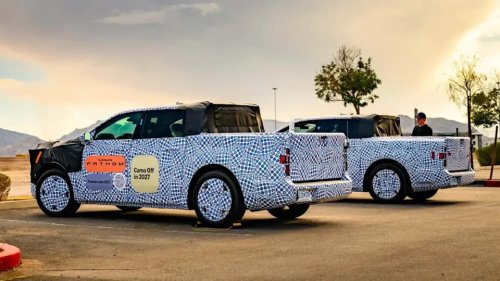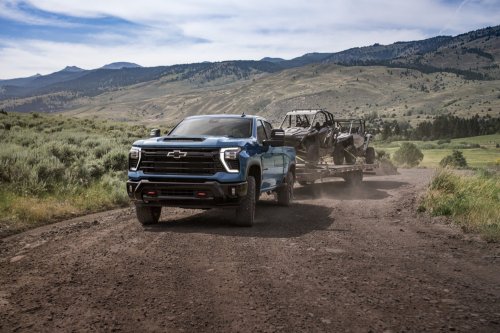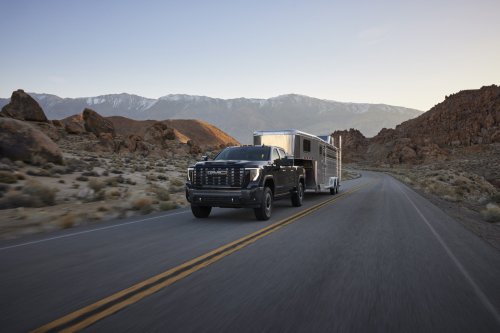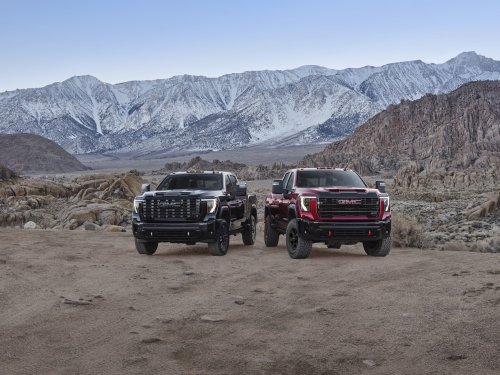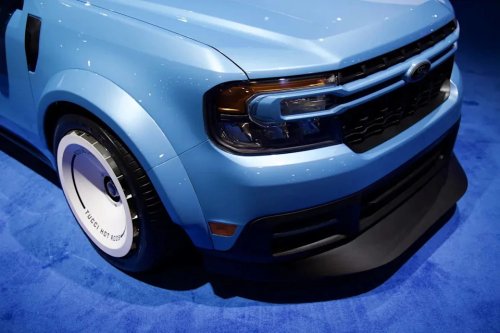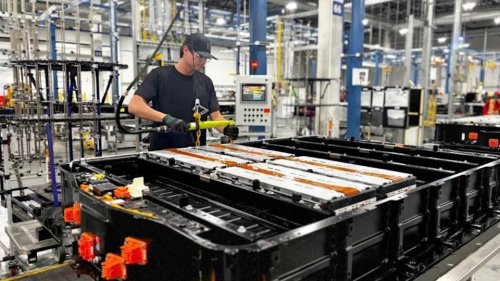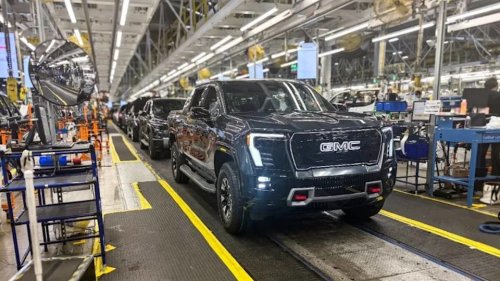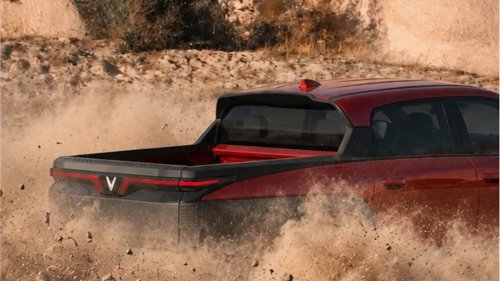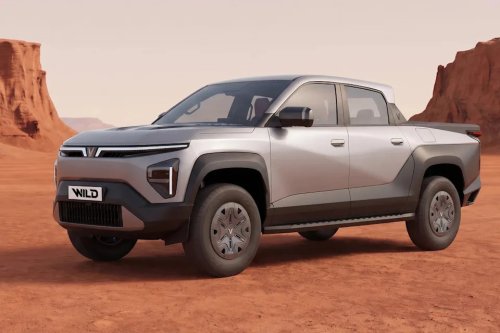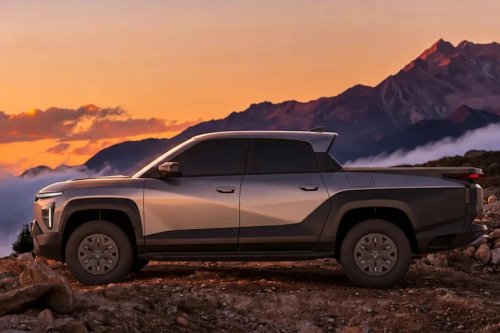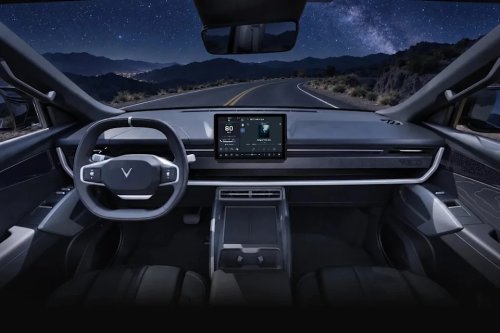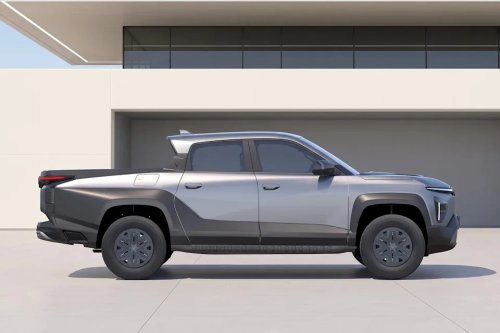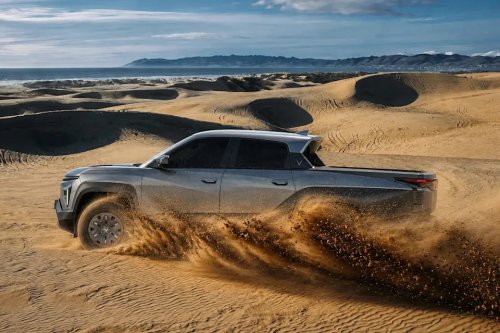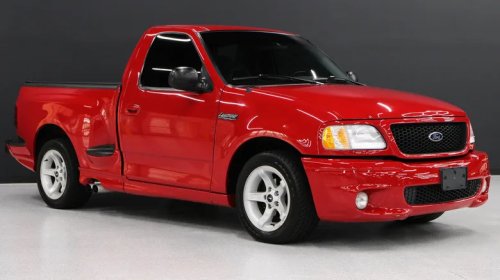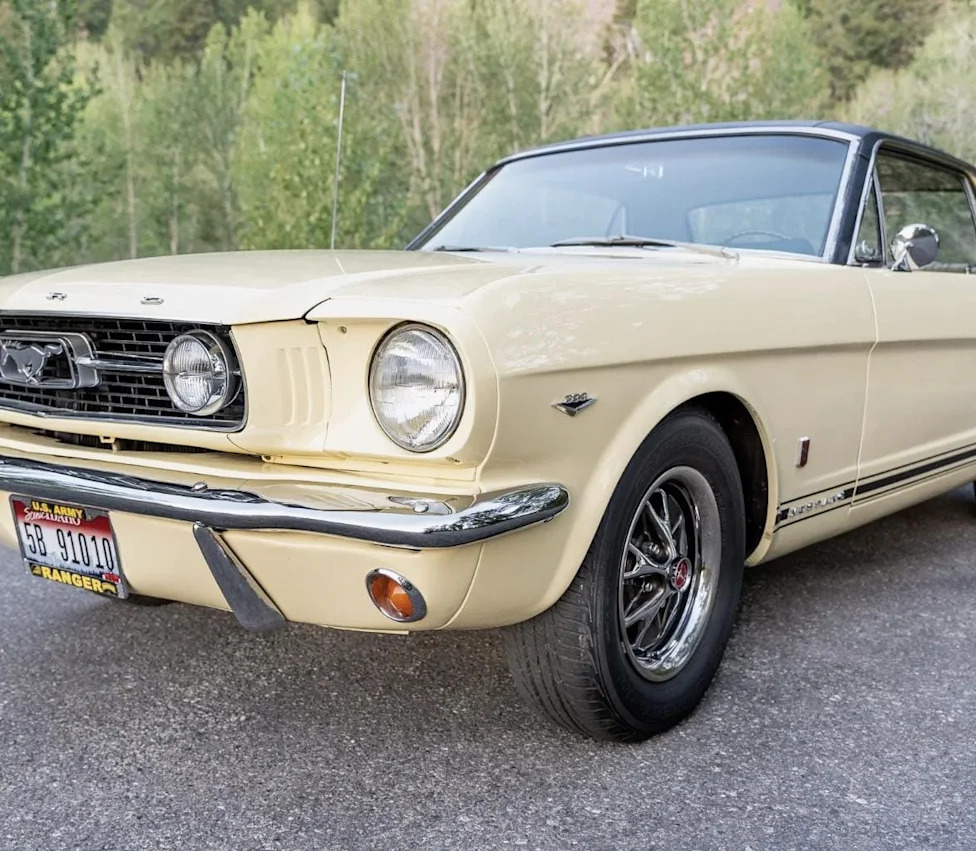



















Ford Misses NACTOY 2027 Shortlist as EV Pivot Leaves a Gap in Its Pickup LineupBackfire NewsEve NowellFri, September 25, 2026 at 7:33 PM UTCAdd us on GoogleFord Misses NACTOY 2027 Shortlist as EV Pivot Leaves a Gap in Its Pickup LineupFor six straight years, if you wanted to bet on North American Truck of the Year, you picked whatever Ford had rolled out and collected your winnings. That easy bet is gone.On September 15, the North American Car, Truck and Utility Vehicle of the Year organization, better known as NACTOY, released its "Best of 2027" semifinalist list. Its 46 jurors narrowed 56 eligible vehicles down to 25: five cars, four trucks and 16 utilities. The truck category is the Chevrolet Silverado 1500, GMC Sierra 1500, Ram 1500 TRX SRT and Slate Truck. The other two categories don't include a Ford either. The Blue Oval has no vehicle anywhere on the list.Related ArticlesMcLaren Spent a Fortune Reinventing the Artura From Scratch — It Won't Get Long to Cash InHyundai's Electric Hot Hatch Makes a Suspiciously Good Group B CarAdvertisementAdvertisementFord didn't build bad trucks this year. It barely built new ones, and NACTOY only considers vehicles that are new or substantially changed. The gap in Ford's lineup traces straight back to a strategy reset it announced last December.Six years of Ford trophiesIt's worth remembering how complete Ford's run was, because the variety of the winners says a lot. NACTOY's own archives show the streak:2021: Ford F-1502022: Ford Maverick2023: Ford F-150 Lightning2024: Ford Super Duty2025: Ford Ranger2026: Ford Maverick LoboThat's a full-size truck, a compact, an EV, heavy-duty pickups, a midsize and a sporty compact variant. Ford won by refreshing nearly every size of pickup it sells on a rolling schedule. A streak like that depends on a steady supply of new product, and that supply has now paused.AdvertisementAdvertisementThe 2023 entry is the awkward one. The Lightning won that year with 433 points, and jurors described it in the kind of language usually reserved for revolutions. Less than three years later, Ford ended production of it.The December pivotOn December 15, 2025, Ford announced what it called a redeployment of capital. The main points:Ford said it would no longer build some larger EVs because their business case had "eroded" due to weaker demand, high costs and regulatory changes.Production of the current F-150 Lightning ended. Workers moved to Dearborn Truck Plant to add a third shift for gas and hybrid F-150s.The next Lightning will switch to an extended-range electric (EREV) design, built at the Rouge Electric Vehicle Center.Ford expected about $19.5 billion in special items tied to its U.S. EV assets and product plans.In mechanical terms, an EREV is still driven only by electric motors, but it carries a gasoline engine that works as a generator to recharge the battery. It isn't a parallel hybrid, where the engine can drive the wheels directly. For truck buyers, that means towing range stops depending entirely on how far away the next DC fast charger is. That was the Lightning's biggest real-world weakness.AdvertisementAdvertisementThe consequence for the awards is simple. When a company cancels a product and reroutes its engineering and factory capacity, the vehicles that would have been new for 2027 disappear from the calendar. You can't nominate a truck that's still in development.The competition moved inThe four trucks that made the list show where the segment is now. Two are GM's refreshed full-size pickups. One is a very powerful Ram. The fourth is Slate, a stripped-down, highly customizable electric truck startup that is making its first appearance. The field is thin enough that the semifinal list includes every truck the jury considered worth advancing, which makes Ford's absence stand out even more.To be fair, Ford didn't lose to anyone. It just didn't show up. A truck that wasn't eligible can't lose.Why 2028 looks differentFord does have something coming. On August 6, Ford revealed the Ford Fathom, a midsize electric pickup and the first vehicle on its new Universal EV Platform. Ford says it will start at $28,350 with the standard-range battery, offer bidirectional power and next-generation BlueCruise, and open preorders in early 2027. The December plan said Louisville Assembly Plant would build it starting in 2027.Related ArticlesToday in Automotive History: A Tiny Pennsylvania Carmaker Delivered the First Jeep to the ArmyNashville's Second Attempt to Kill Racing at Fairgrounds Speedway Comes With a $116 Million CatchAdvertisementAdvertisementTiming matters here. NACTOY's current field is limited to vehicles on sale or arriving by the end of 2026, and the Fathom won't make that deadline. If it arrives as planned, it will be a strong contender for the 2028 awards, alongside whatever version of the EREV Lightning Ford brings to market. A sub-$30,000 electric pickup from the company that owns the pickup segment is exactly the kind of vehicle this jury tends to reward. Keep in mind that nobody has driven it yet, and Ford hasn't released range, power or towing figures.What this means if you're buyingAwards reward newness, not whether a vehicle suits you. Here's what the gap actually means for buyers:Current Fords are established products. An F-150, Ranger or Maverick you buy today isn't a first-year design. That usually means dealers and independent shops have already seen the common problems. Check NHTSA's recall lookup by VIN before you buy, as with any vehicle.Used Lightnings are now a discontinued product. Before buying one secondhand, confirm how much of the high-voltage battery warranty is left and which dealers near you are EV-certified for service. When a model ends production, specialized repair knowledge can get harder to find locally.Waiting for the Fathom is a real bet. You get the lowest price Ford has offered on an electric truck, but you're paying for a first-year product on a brand-new platform built with a brand-new assembly process. The early buyers are effectively the final test program.NACTOY will name three finalists per category on November 19 at the Los Angeles Auto Show, and the winners will be announced January 14 at the Detroit Auto Show. For the first time since the 2020 awards, whoever takes Truck of the Year won't be driving a Ford.