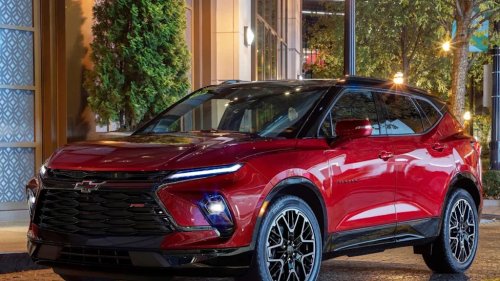
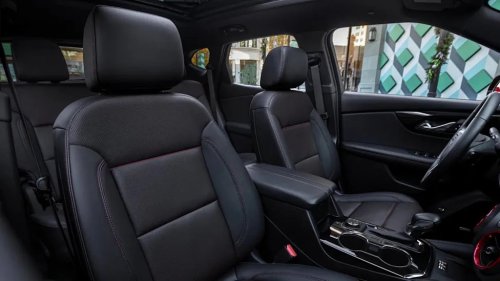
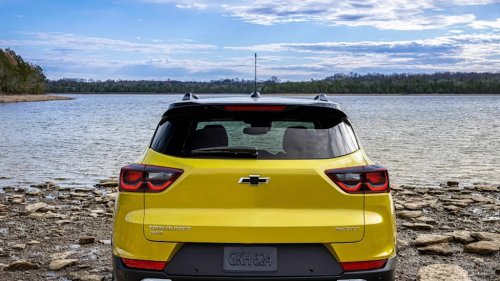
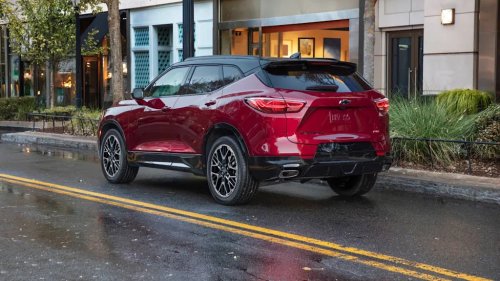
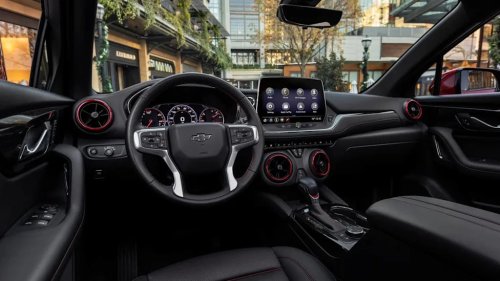
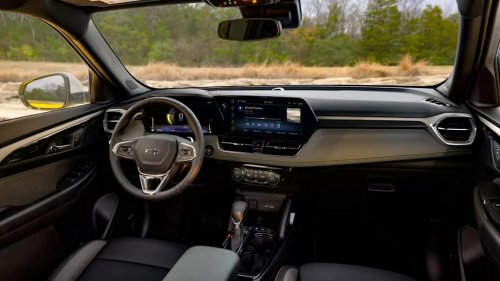
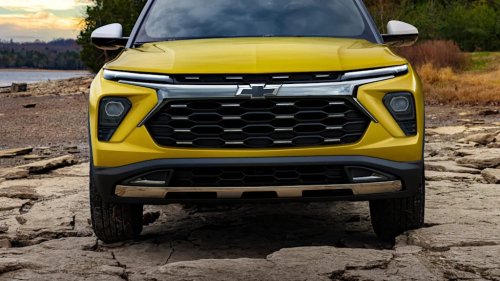
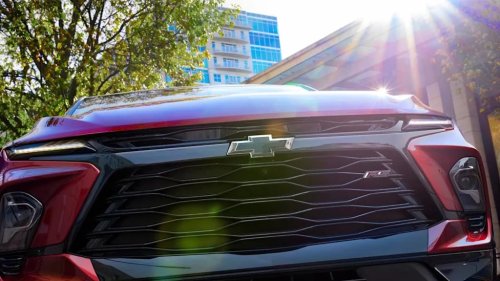
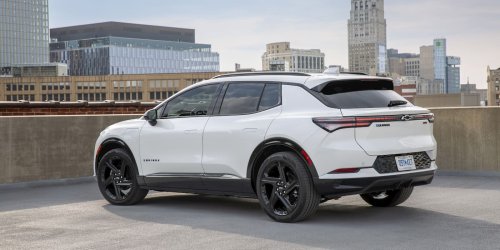
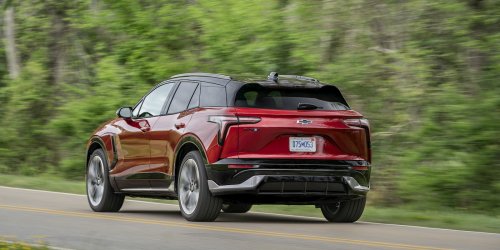
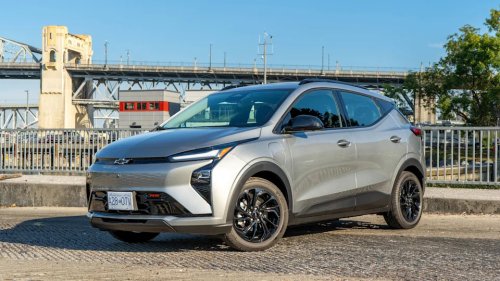
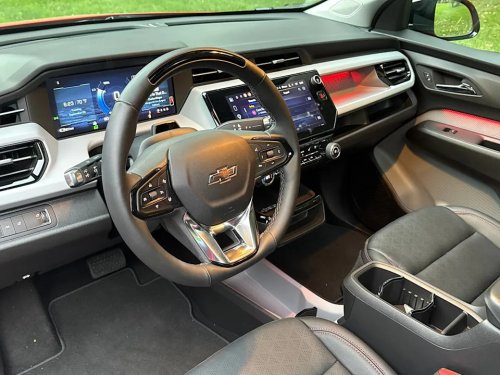
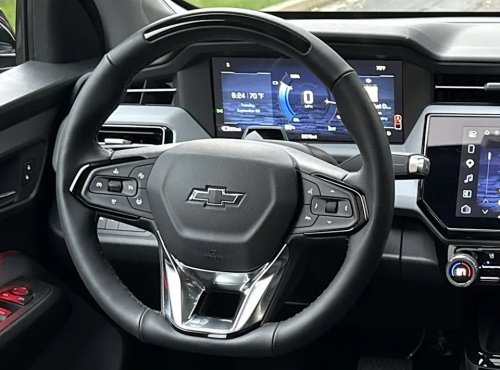
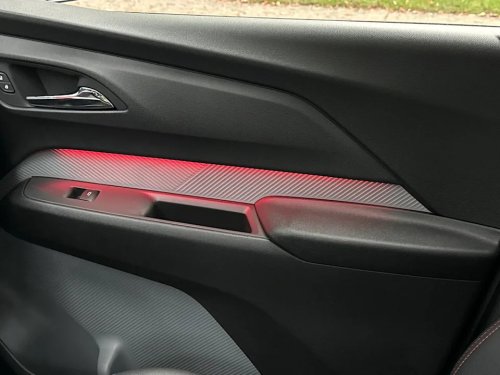
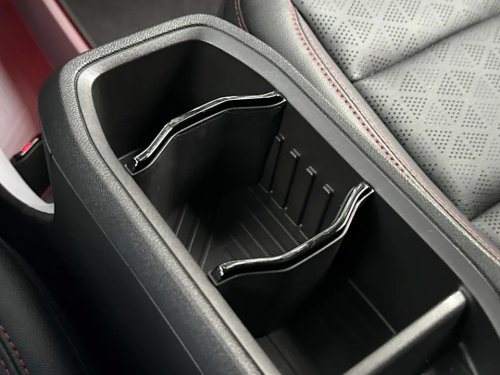
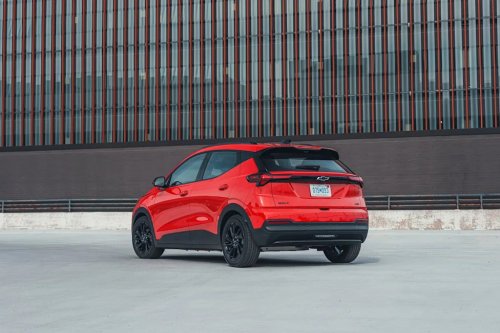
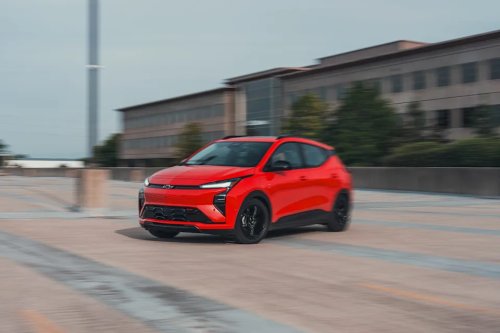
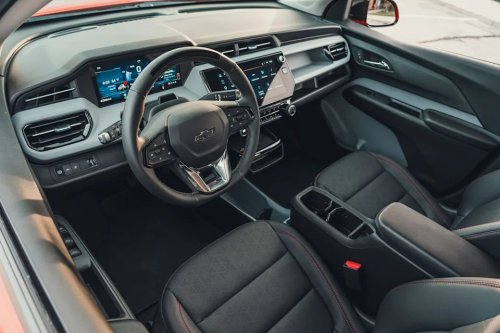
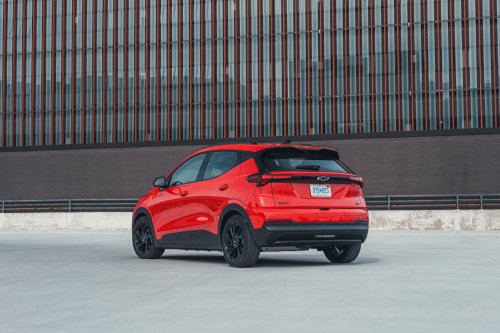
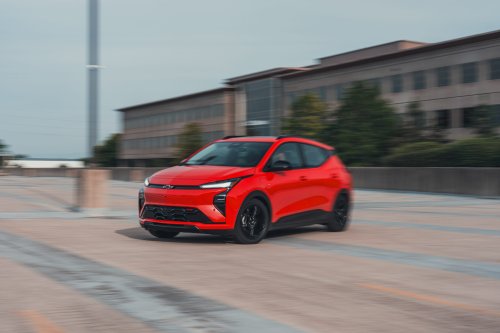
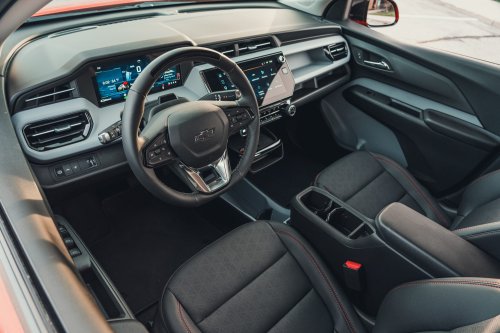
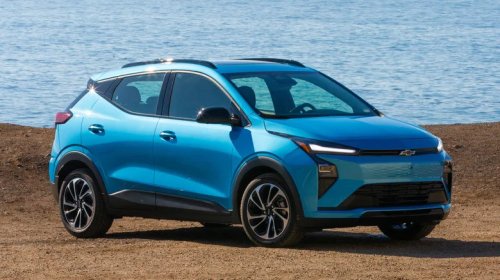
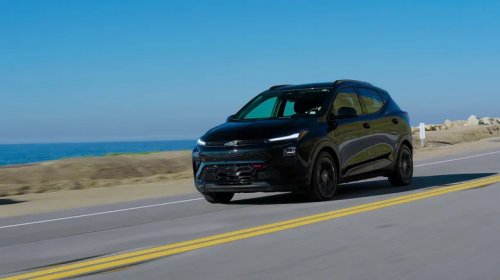
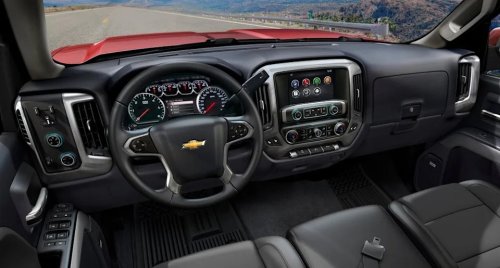
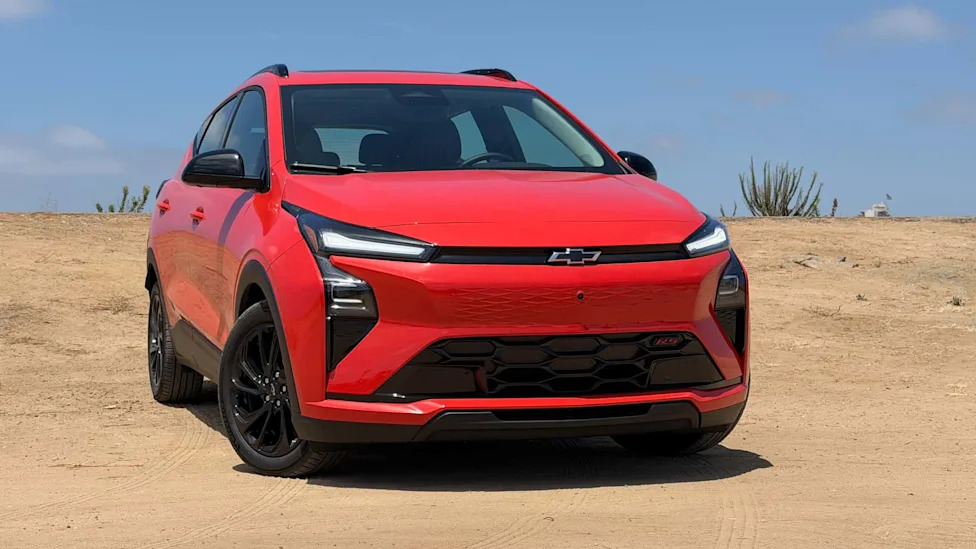
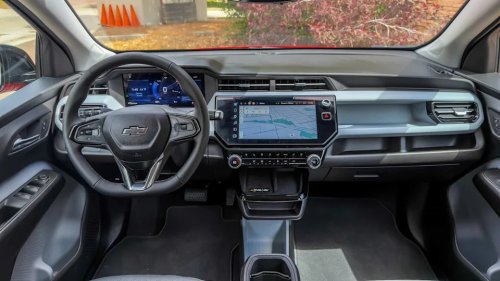
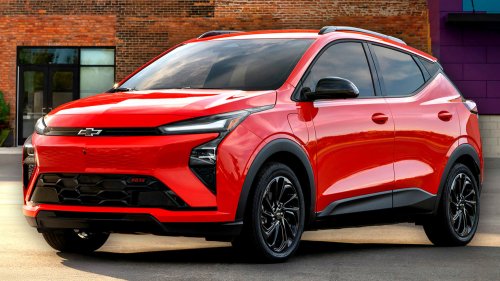
Autoblog and Yahoo may earn commission from links in this article.Similar in name but not in capabilityThe Blazer and Trailblazer nameplates have adorned various Chevrolet crossovers and SUVs through the years, dating all the way back to the K5 Blazer full-size SUV introduced in 1969. Three decades after that, the Trailblazer name was introduced for an appearance package on the Blazer. Much has changed since then, with the only true link between the modern Trailblazer and Blazer crossovers being their aggressive design language and part of their names. The Trailblazer is a much smaller subcompact crossover, while the Blazer is a midsize crossover. To clear up any confusion, here are five key differences between these 2026 Chevy models. This comparison doesn't include the all-electric Blazer EV.Related: Chevy Blazer history: from bare-bones convertible to modern EV1. Blazer is Much LargerChevrolet BlazerChevroletView the 2 images of this gallery on the original articleAdvertisementAdvertisementThe subcompact Trailblazer is a lot smaller than the midsize Blazer. This makes it easier to park and less intimidating for new drivers, but the Blazer feels more substantial and refined. Here’s a look at the Blazer vs Trailblazer in terms of size.Length and width are the key differences between these two Chevy crossovers, but as we’ll see in the next section, the Trailblazer isn’t as far behind in interior space as you may expect.2. Trailblazer Vs. Blazer Interior Space: Blazer Wins For Five PeopleChevrolet BlazerChevroletView the 2 images of this gallery on the original articleBeing larger, the Blazer has an interior passenger volume of 107.8 cubic feet, whereas the Trailblazer comes in at 98.2 cubic feet. Surprisingly, the Trailblazer makes the most of what it’s got and ends up with near-identical front and rear legroom to the Blazer. It’s actually got slightly more headroom, too. The Blazer’s size advantage is most noticeable when you seat three passengers at the back, though. It has 58.6 inches of rear shoulder room to the Trailblazer’s 53.8 inches, and hip room is better in the Blazer, too.AdvertisementAdvertisementWeekends away will be easier in the Blazer, which boasts 30.5 cubic feet of cargo space behind the back seat, 5.2 more than the Trailblazer. There’s nearly 10 cubic feet more volume in the Blazer when both vehicles have their back seats folded.3. Efficiency Vs. PowerChevrolet TrailblazerChevroletChevrolet BlazerChevroletThe Trailblazer has been designed to maximize efficiency and lower running costs, while the Blazer offers a lot more power. Acceleration, driver enjoyment, and towing are all at a much higher level in the Blazer, although it’s a lot thirstier, too.The difference between the Blazer and Trailblazer is pronounced in performance terms. In the V6-powered Blazer, the 0-60 mph sprint takes around 6.6 seconds, over two seconds ahead of the top Trailblazer. Progress is much more relaxed in the smaller SUV, and we’d advise going for the 1.3L model with its better nine-speed automatic (the 1.2L has a CVT). The Blazer is much quicker and is quieter on the highway, although optional larger wheels make the ride a tad too harsh. 4. Blazer Has Nicer Materials and More EquipmentChevrolet BlazerChevroletChevrolet TrailblazerChevroletAdvertisementAdvertisementBoth crossovers have sportily styled interiors with a decent amount of tech. The Trailblazer is built well for the price, but it has fewer soft-touch surfaces and less premium cloth seats than in the Blazer. Surprisingly, the base Trailblazer has a larger 11-inch touchscreen (10.2 inches for the Blazer), but the Blazer comes with an eight-way power driver’s seat, SiriusXM with 360L, dual-zone automatic climate control, and rear parking assistance, features which aren’t standard or available in the base Trailblazer.The top Blazer has a Bose sound system, 21-inch wheels, a power front passenger seat, and perforated leather upholstery. It feels more upmarket than any version of the Trailblazer. You can also add ventilated front seats and rear heated seats to the Blazer.Related: Battle of the Top Trims: 2025 Chevrolet Blazer RS vs Premier5. Trailblazer is Much CheaperChevrolet TrailblazerChevroletThe 2026 Chevrolet Blazer is one of the most affordable new vehicles in America. It starts at just $23,300 for the base LS variant with front-wheel drive, while the top all-wheel-drive model costs $29,500. Against its direct rivals, it’s a high-value proposition.AdvertisementAdvertisementThe Blazer’s larger size, longer features list, and extra power come at a price. In base 2LT guise, it costs $34,300. The top RS model with the V6 engine and AWD is $47,500, which is more than twice as much as a base Trailblazer will cost you.Final ThoughtsChevrolet BlazerChevroletThe Blazer vs. Trailblazer comparison isn’t an apples-to-apples match-up. They may both have the same bowtie badge on their noses, but these vehicles compete in completely different segments. If you can afford a Blazer, you’ll appreciate its larger interior and far superior performance. It’s easily the more appealing vehicle here. But the Trailblazer —along with the Trax—show how much value there is lower down in Chevy’s lineup. It’s a cheerful budget crossover with reasonable economy and a generous features list. Chevrolet may have abandoned sedans, but its crossover game is strong.This story was originally published by Autoblog on May 25, 2026, where it first appeared in the Features section. Add Autoblog as a Preferred Source by clicking here.