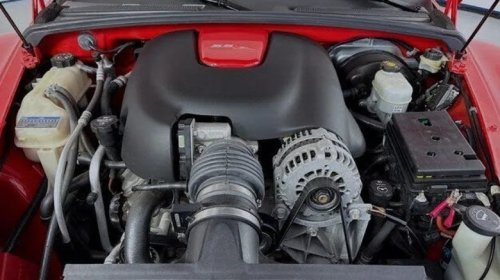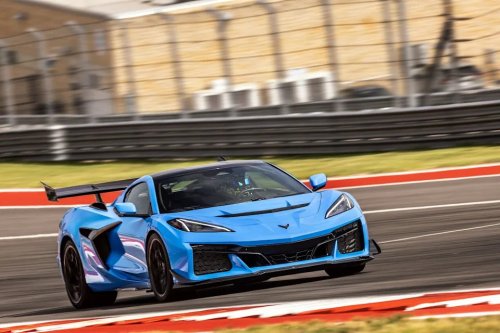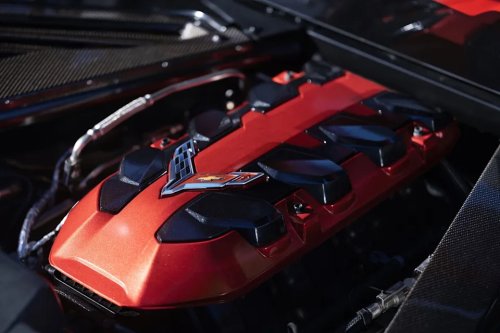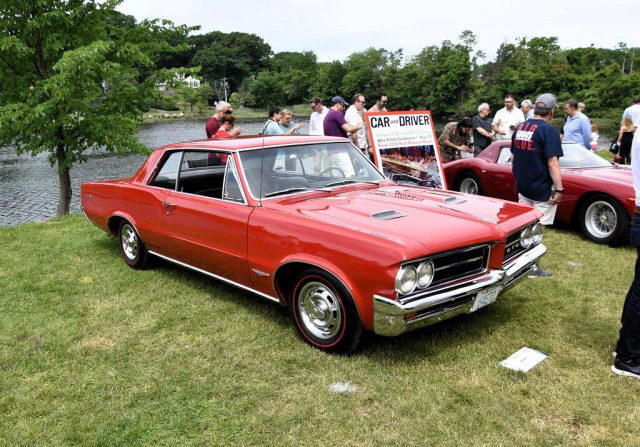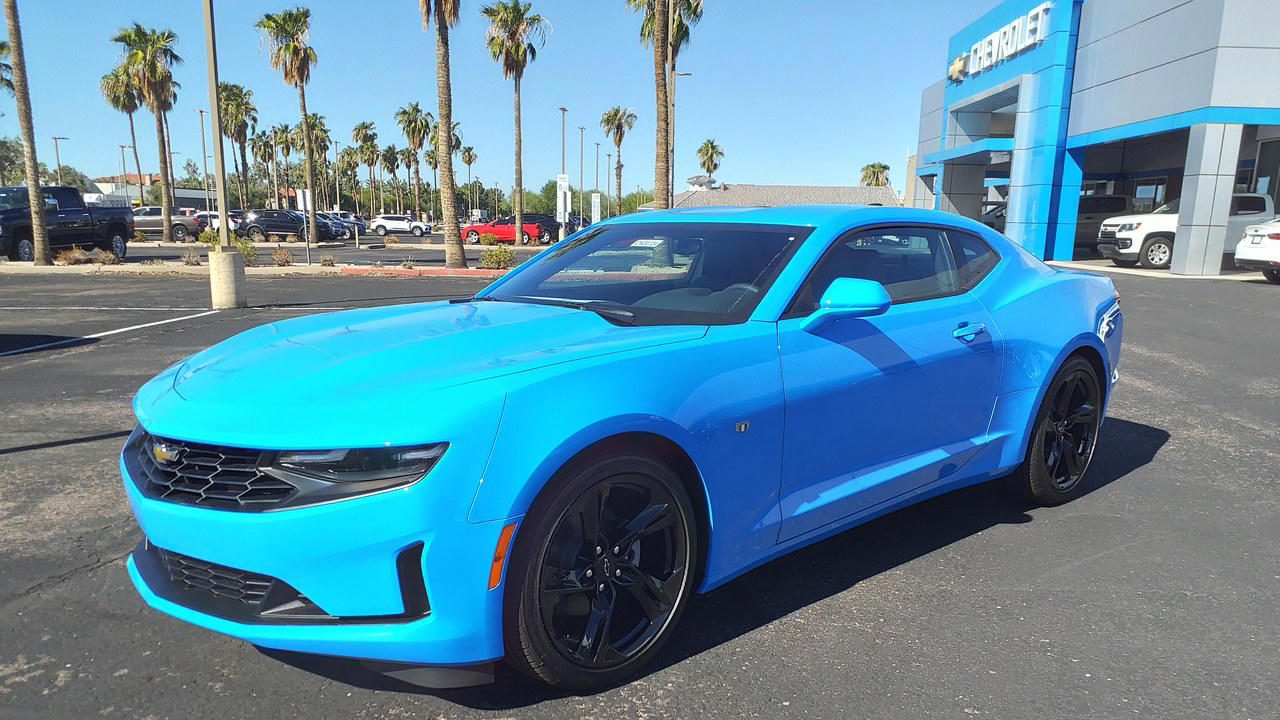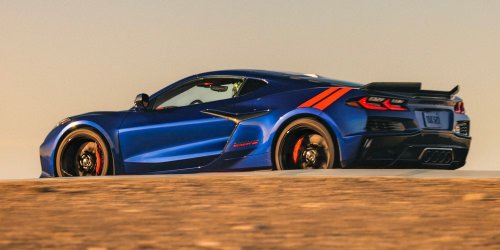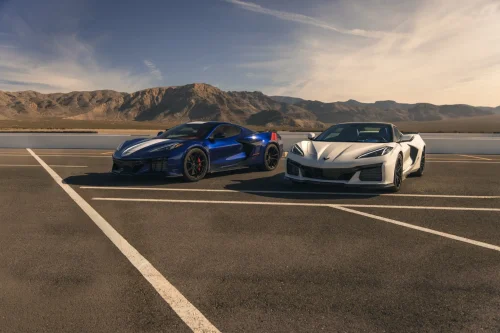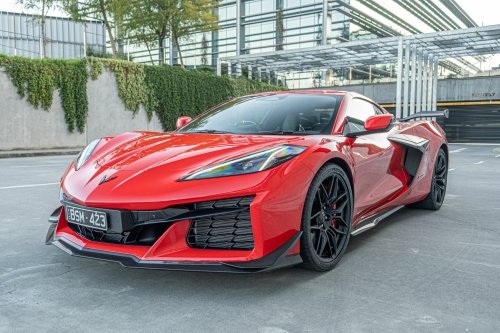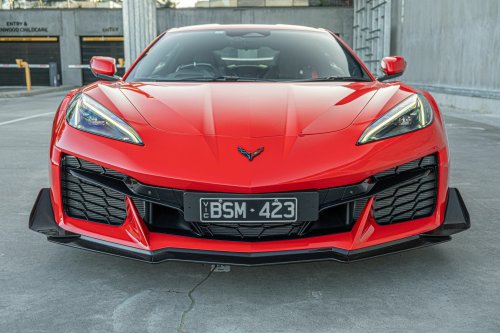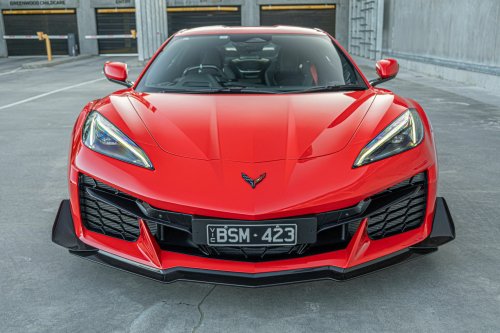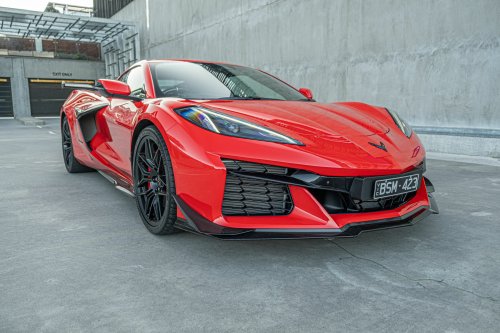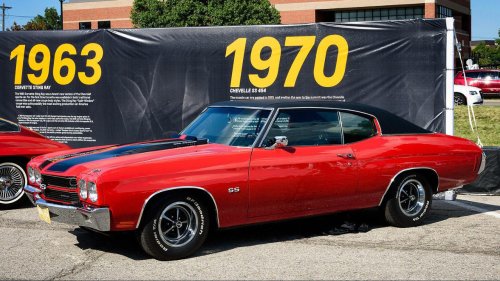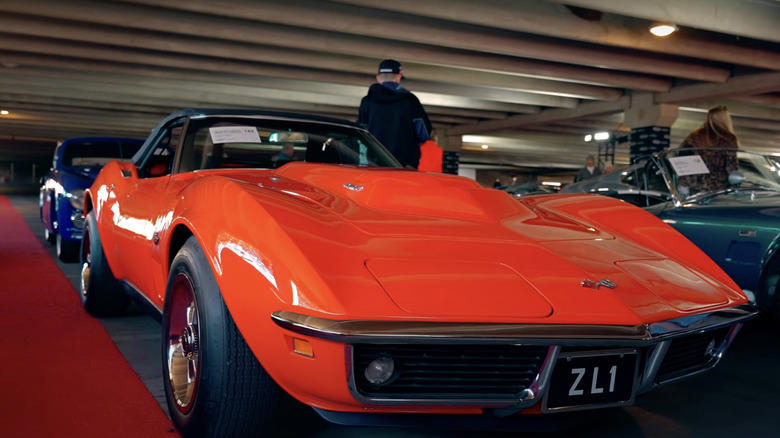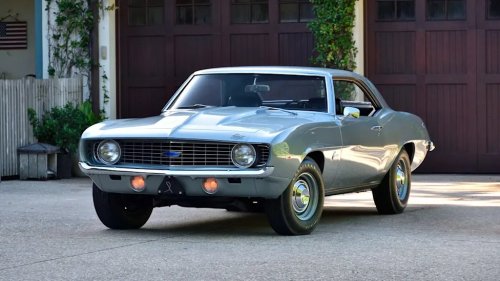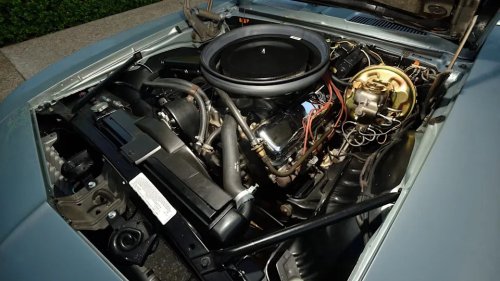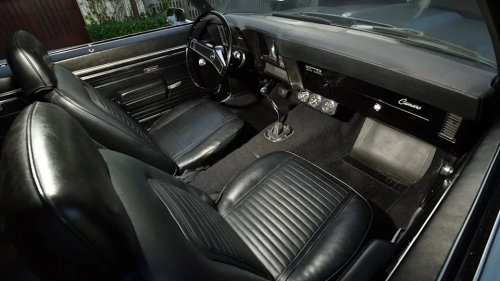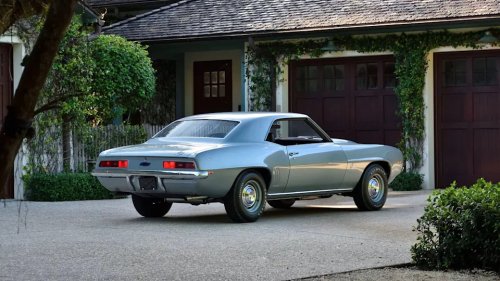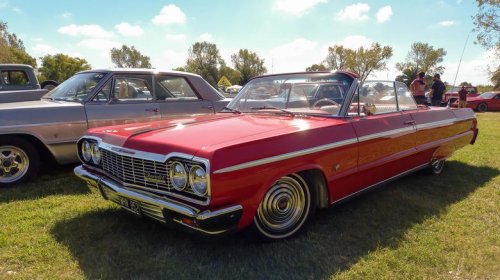
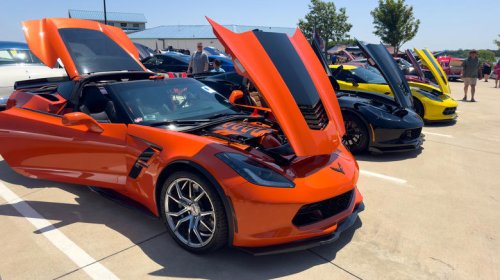
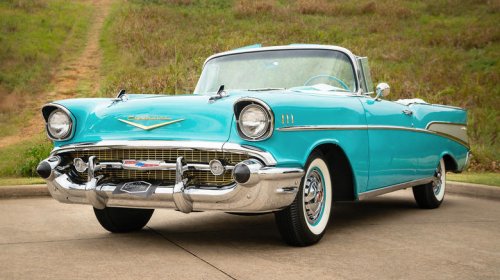
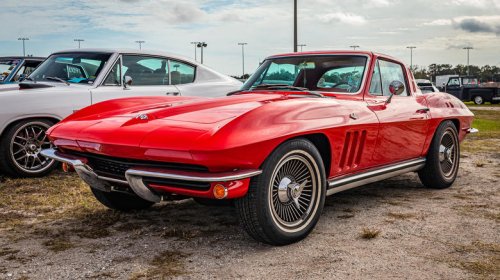
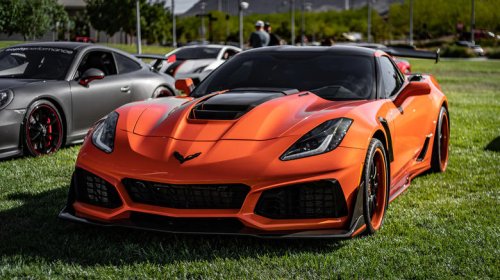



















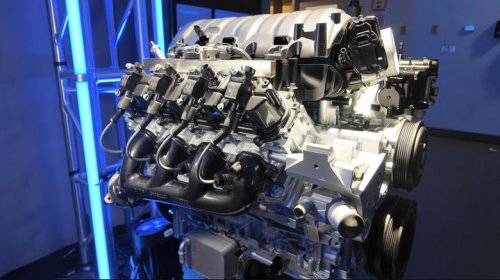
Chevy 409 Cubic Inch V8The Chevy 409 V8 hit the proverbial store shelves in 1961 and was one of Chevy's best engines during its run. It was a part of Chevy's W-Series engines alongside its stablemate, the smaller but still good 348 V8. Chevy used this engine as an upgradeable option in many of its cars until the engine's eventual retirement in 1965. While it was used in several applications, it was arguably the most well-known for its use in the Chevy Impala from that era, although Chevy also optioned it in other cars and for the purposes of drag racing. Chevy's 409 came in several different packages. At the peak of its powers, the engine produced 425 horsepower with an 11.25:1 compression ratio along with a healthy 425 pound-feet of torque. It looked almost identical to the smaller 348 with the only visual difference being where the oil dipstick was. The 348 had it on the driver's side and the 409 had it on the passenger side. There was also a racing variant that could clear a quarter mile in a scant 12 seconds, an impressive number even by today's standards. By the time the engine was retired, Chevy reported sold around 15,000 of them in total. The rarest year was 1961, where it was introduced as a midyear addition. Chevy only made about 142 of these engines that year. Collectors will have an easier time finding one from later model years. It was one of Chevy's most famous engines from the 1960s and was even the subject of the song "409" by The Beach Boys. Chevy 5.5-liter LT6 V8It's true that most of Chevy's best and most iconic engines came from the past. That doesn't mean it's dropped the ball on newer engines. Its latest engine, the 5.5-liter LT6 V8 is what Chevy currently uses in its vehicles. With the discontinuation of the Chevy Camaro, that leaves the Corvette Z06 as the only car that runs this particular power plant. The engine made its debut with the 2023 model year and is still in the 2025 model. Unlike most of the cars and engines on the list, you can still actually buy this particular one.It is a wicked-fast engine. Testing of the 2025 model shows that the engine can hustle a Corvette Z06 from zero to 60 mph in 2.8 seconds with a quarter-mile time of 10.5 seconds at 131 mph. That puts it in competition with sports cars from exotic brands. The engine specs are nothing to scoff at, either. For 2025, the LT6 V8 has 670 horsepower and 460 pound-feet of torque with an impressive RPM range of 8,600 RPM. It's fast, powerful, and loud ,with all of the testing pedigree to back it up. Chevy engineered a ton of cool technology into this and it's the most advanced engine in the lineup. It's unfortunate that the Camaro was discontinued and the only car with this engine is the Corvette C8 Z06. Interestingly, despite its designation as an LT engine from Chevy, the engine actually has more in common with the Cadillac Blackwing engine, which was designated at the LTA. Chevy 283 V8The Chevy 283 V8 is one of Chevy's most iconic early engines. It debuted in 1957 and represented a huge step forward in Chevy's engine development. Technically speaking, Chevy stopped using this particular variant of the engine in 1962, but has kept a 283 V8 on the roster until 1967 as a base engine. As a top option, it was eventually usurped by the 327 and other engines that helped define the '60s for Chevy. It followed up another iconic Chevy engine, the 265 V8, which the company started using in 1955. In terms of raw power, the Chevy 283 doesn't look like much by today's standards. It made 283 horsepower at the height of its powers, as Chevy wanted the engine to pump out one horsepower for each cubic inch of displacement. Chevy ultimately achieved this goal. The 283 came in several configurations over the course of its life, including single, double, and quadruple carburetors, the last of which was what the engine had when it made peak horsepower. Cars powered by the engine reached a max speed of 132 mph and a zero to 60 mph time of 7.2 seconds, which was quite swift for the 1950s. Chevy used the engine in a bunch of cars, and it was rather popular during its production run. In addition, Chevy was known for putting the engine in work trucks as well, making the engine even more powerful. Chevy sold millions of these engines in various cars and trucks. Enthusiasts still enjoy working on them as they are still around.Chevy 327 V8If the 283 was the humble start to Chevy's muscle car aspirations, the 327 is the engine that blew the doors wide open. Chevy produced the engine from 1962 through 1969, making it available during the heyday of American muscle cars. Chevy used this car in tons of vehicles, including the Chevy II, Corvette, El Camino, Malibu, Impala, and others. If you see a Chevy with all original equipment from the 1960s, there are better than average odds that it has a 327 in it. Much like the 283 that preceded it, the 327 came in several configurations over the course of its life. It was able to produce as little as 250 horsepower and as much as 375 horsepower when fully decked out by Chevy. The 375-horsepower variant required fuel injectors instead of a carburetor, and while it was the most powerful, it wasn't one of the most popular. The official specs of the 327 L79 engine included 350 horsepower and 360 pound-feet of torque with an 11:1 compression ratio and an iron, steel, and aluminum construction. The final variation came in 1969 with 235 horsepower and 325 pound-feet of torque. At the time of its making, the 327 was the most powerful and efficient small block V8 engine that Chevy had ever produced. However, like all good things, it eventually came to an end. The 327 was replaced by the Chevy 350 V8 and the Chevy 398 big block V8. Chevy LT5The Chevy LT5 was a special engine. Chevy only made the engine for a single year in 2019 and stuffed it into a 2019 Chevy ZR1 Corvette. The resulting monster of a car was one of the most powerful that Chevy ever produced even to this day. The one-and-done model had some other special properties like not being allowed to be sold in Europe. It's made from the LT4 engine with some upgrades, including a larger supercharger, that result in 105 more horsepower for the LT5 over the LT4. The LT5 is the most powerful engine that Chevy has ever put into a production car. It boasts 755 horsepower and 715 foot-pounds of torque. Even the aforementioned LT6 that Chevy currently puts into production cars lacks the same horsepower and torque. The 6.2-liter V8 pushed the 2019 ZR1 Corvette to 60 mph in three seconds and the quarter mile in 10.8 seconds. Car and Driver tested the car and was able to push it to an outstanding 183 mph using 101-octane race fuel. The engine was comprised of steel and aluminum which helps hold it all together while it tears up roads.While Chevy did put this engine in the Corvette, it was also available as a crate engine. It costed $19,000 until the release of Chevy's 1,000-horsepower monster listed above. Its predecessor, the LT4 was a powerhouse in its own right and the LT6 that Chevy uses now is technically faster on the track. However, Chevy likely won't make anything like the LT5 again, making the 2019 ZR1 Corvette a future collector's item. Chevy L78The Chevy LS78, commonly known as the Chevy 398, is a 396 cubic-inch engine that Chevy produced from 1965 to 1970. It's commonly referred to as the birth of the Chevy big block engine and represented a big step forward in the American muscle car horsepower wars. It came amid a ban across all of GM's brands that required its automaker brands to keep engines below 400 cubic inches. GM eventually lifted the ban, allowing Chevy to build the iconic 454. However, until then, the 396 was the big block V8 in charge at Chevy, deriving its design from Chevy's racing efforts. Like many engines from Chevy in that era, the Chevy 398 came in several different variants with different horsepower numbers. On the low end, the engine was capable of 325 horsepower and its peak is around 375 horsepower, and 415 pound-feet of torque. It was also common for automakers to lie about the real horsepower numbers back then for varying reasons, so the 398 was likely a little more powerful than it probably was on paper. Cars powered by the engine were able to do quarter-mile runs in the high 13-second range. As with most cars, Chevy put this thing in several different models that it produced through the mid-to-late '60s. That included the Corvette, Chevelle, and several other models. Notably, GM used the engine in several non-Chevy cars through the '70s and '80s, albeit in a less powerful variant due to emissions regulations.