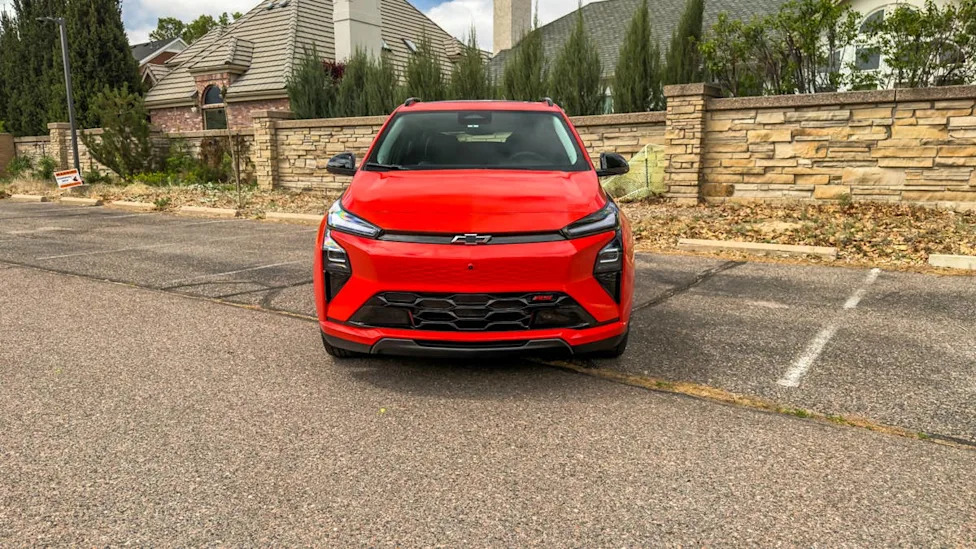
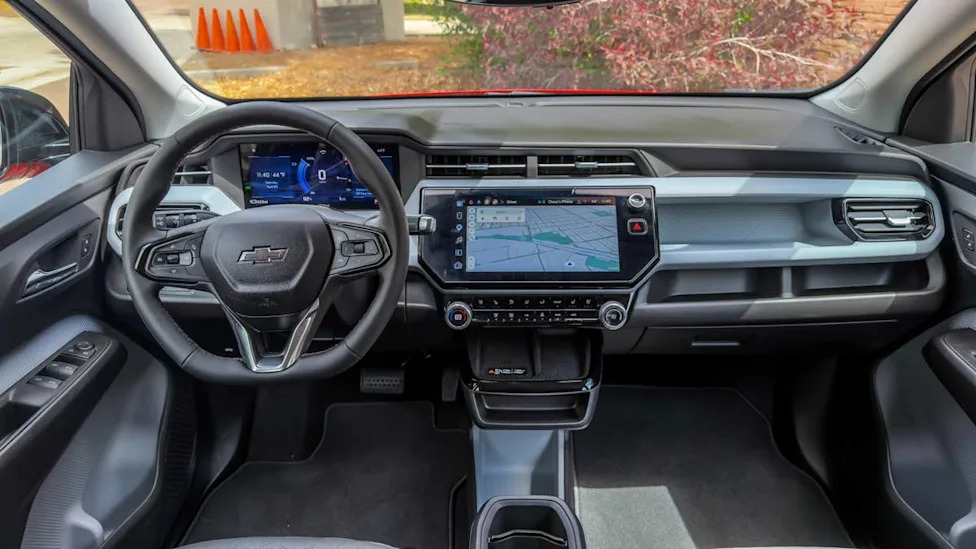
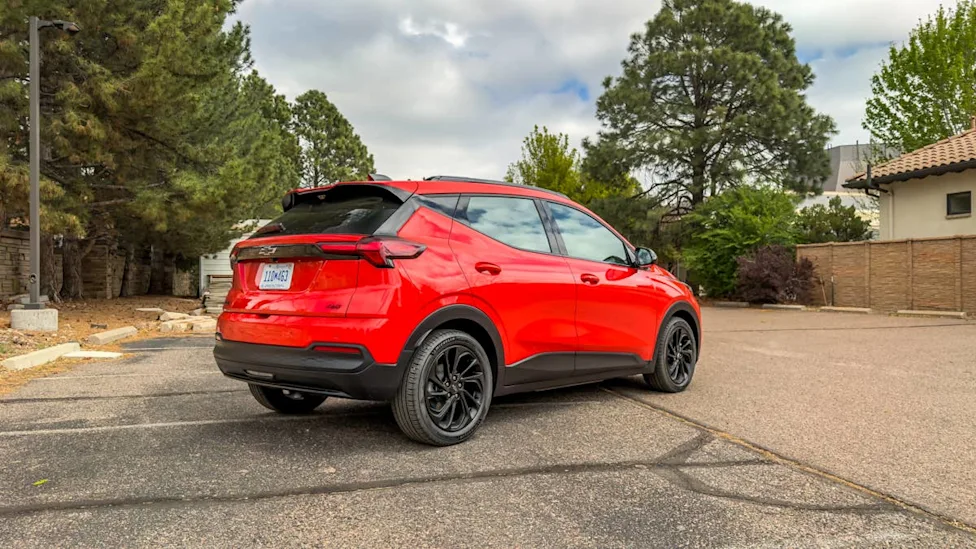
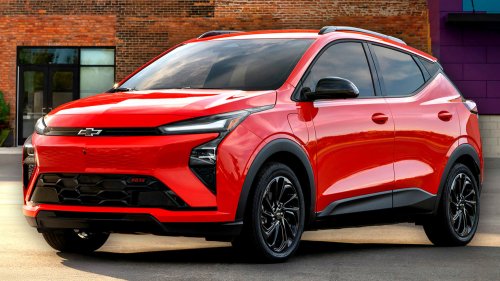
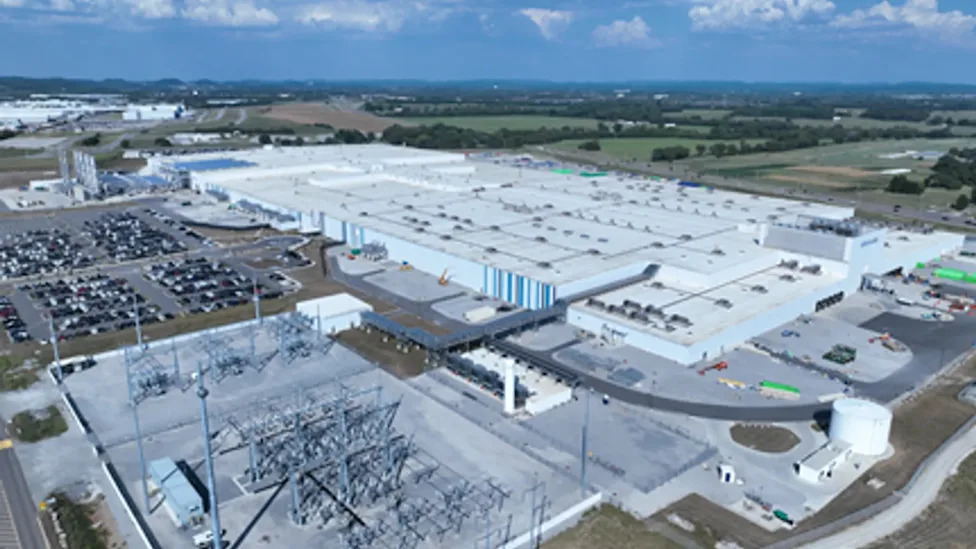
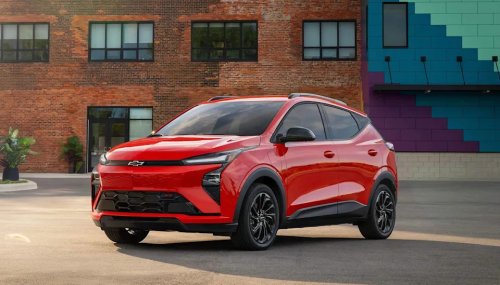
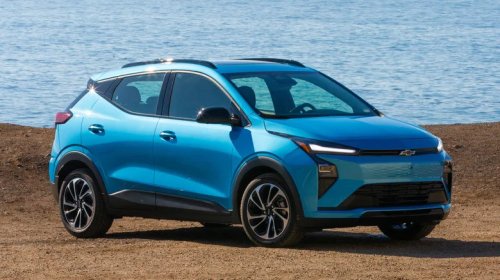
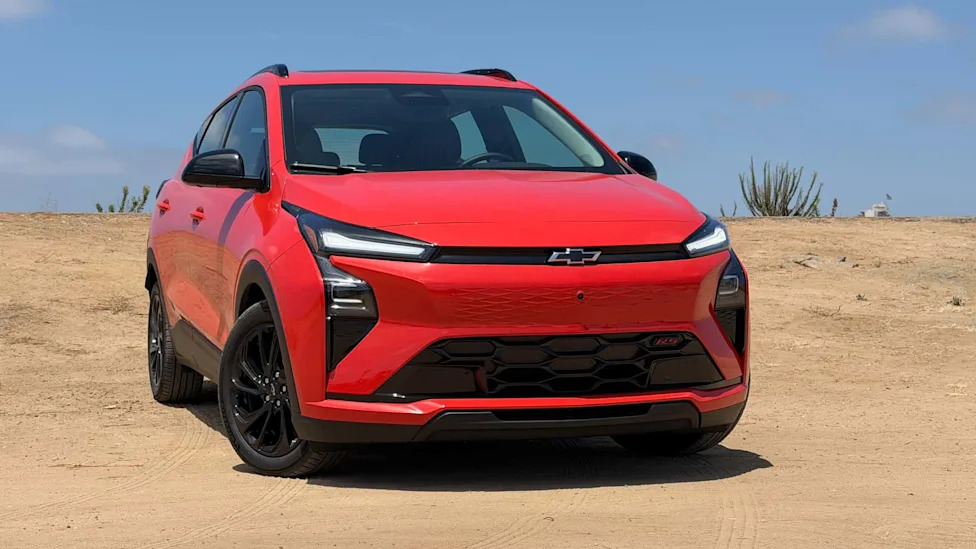
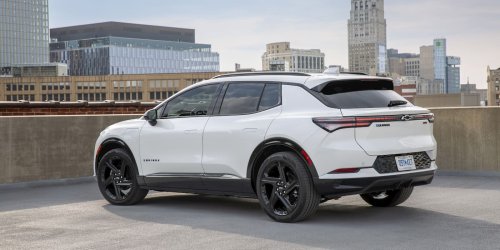
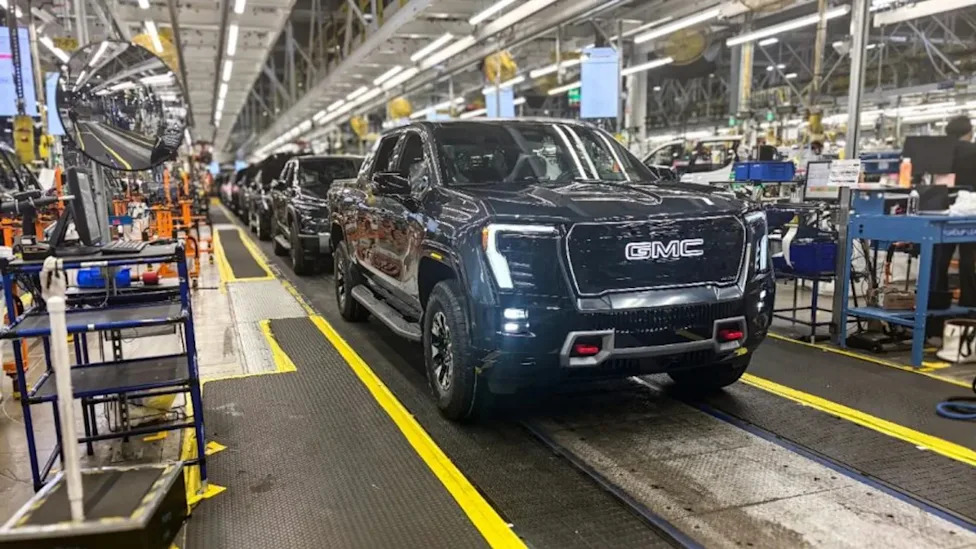
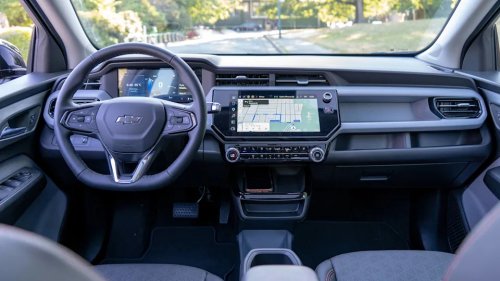
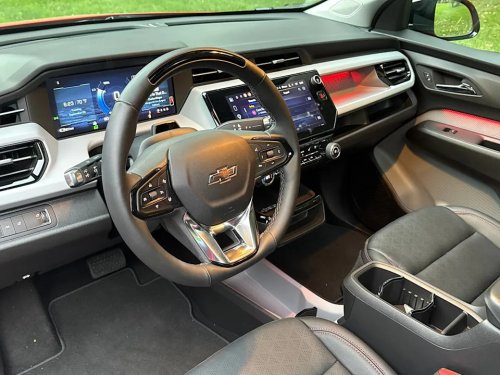
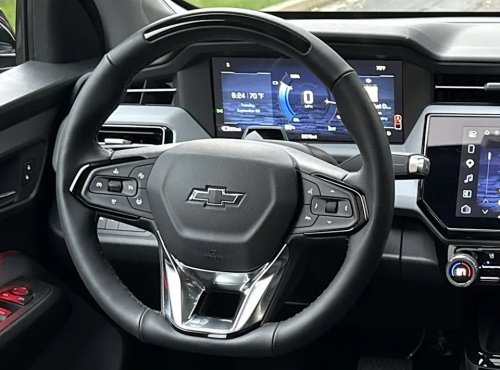
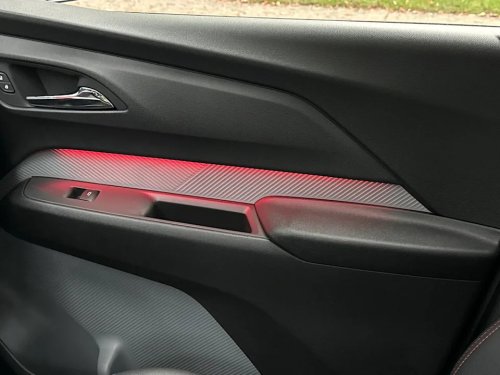
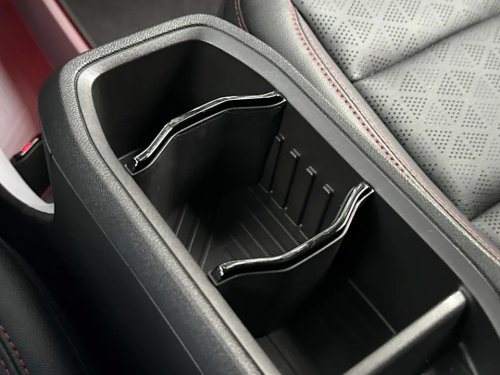
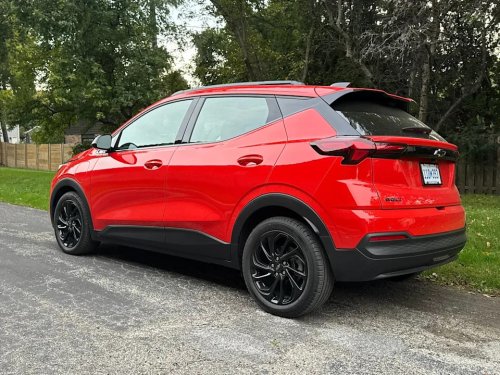
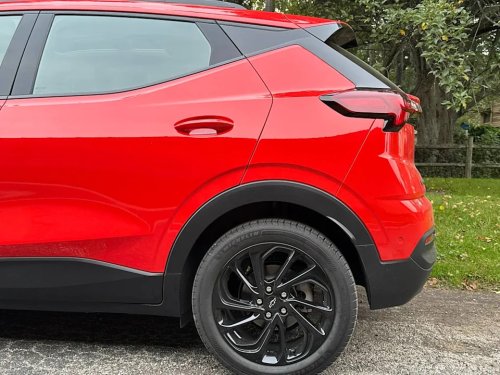
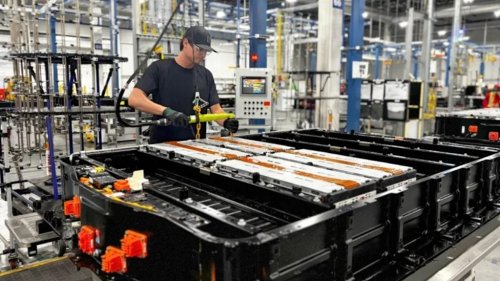
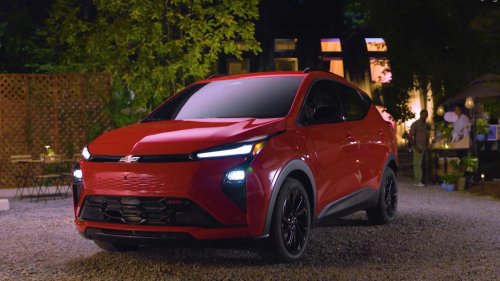
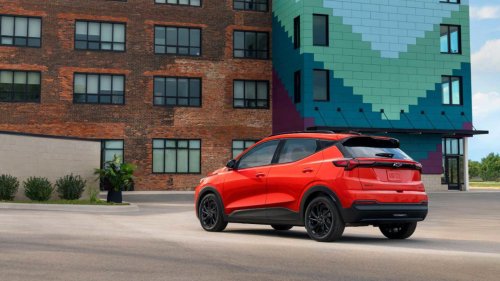
Autoblog and Yahoo may earn commission from links in this article.GM Says Building 30 Chevy Bolts at a Time Makes Them BetterThe all-new Chevrolet Bolt has been getting attention recently for offering affordable EV ownership without feeling cheap. Early reviews have praised the hatchback for its refined ride quality, practical packaging, and solid interior execution. Features like GM’s latest infotainment system, improved range, roomy cargo area, and easy daily drivability have helped make the Bolt one of the more approachable EVs on the market today. GM managed to keep costs low without stripping away the features buyers actually care about, which is a rare balance in today’s increasingly expensive EV market.Now GM says maintaining that quality comes down to a surprisingly simple production strategy. At the General Motors Fairfax Assembly plant in Kansas City, the automaker is building the 2027 Bolt in groups of 30 nearly identical vehicles at a time. Instead of mixing trims, colors, and configurations randomly across the assembly line, Fairfax sends batches of matching Bolt LT and Bolt RS models through production together. GM says the process helps workers stay focused on repeating the same tasks consistently while reducing mistakes and production complexity. Plant managers also say the strategy improves supplier coordination, saves floor space, and cuts paint shop downtime because equipment does not need to be cleaned as often between color changes.Chase BierenkovenView the 3 images of this gallery on the original articleGM’s Toyota-Inspired Production Strategy Is Paying OffFor years, General Motors has openly studied manufacturing methods pioneered by Toyota. The company has long tried to emulate Toyota’s reputation for efficiency and quality control. Much of that influence traces back to the NUMMI joint venture in California, where Toyota famously helped teach GM new production disciplines and lean manufacturing techniques. Those lessons continue to influence how GM approaches vehicle production today, especially as the company pushes for simpler, more repeatable manufacturing systems.AdvertisementAdvertisementThe new batch-build system appears to be another step in that direction. GM says quality metrics at Fairfax are already improving through a process called Electrical First-Time Quality, or EFTQ, which measures whether vehicles pass major electrical inspections without requiring rework. The factory also uses “clone” body shells to keep production moving if a vehicle needs to be pulled from the line for inspection.The lessons learned from the Bolt program are expected to carry over to future products like the Chevrolet Equinox and an upcoming Buick compact SUV. Notably, the Equinox has already earned recognition from J.D. Power as one of the more dependable mainstream vehicles on sale today, showing that GM’s quality push may already be paying off.Chase BierenkovenView the 3 images of this gallery on the original articleThe 2027 Chevy Bolt Might Be The EV Buyers Actually NeedThe 2027 Chevrolet Bolt could not be arriving at a better time. New-vehicle prices continue to climb, and many buyers are struggling to justify the cost of modern EVs. The Bolt’s formula feels refreshingly straightforward. It delivers usable range, modern technology, and everyday practicality at a price point ordinary buyers can still realistically consider.AdvertisementAdvertisementWhat makes this story more interesting is that GM is not just chasing affordability. The company appears genuinely focused on improving build quality. Building 30 nearly identical vehicles in sequence might sound boring on the surface, but if it results in fewer defects and greater consistency, customers will absolutely notice it over time. For a product meant to bring EV ownership to the masses, getting the fundamentals right matters more than flashy gimmicks.Chase BierenkovenThis story was originally published by Autoblog on May 16, 2026, where it first appeared in the News section. Add Autoblog as a Preferred Source by clicking here.