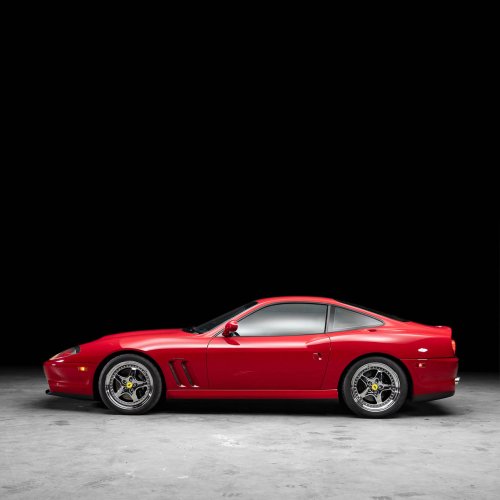
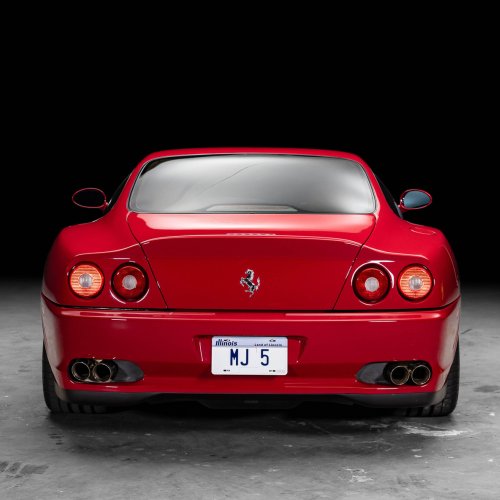
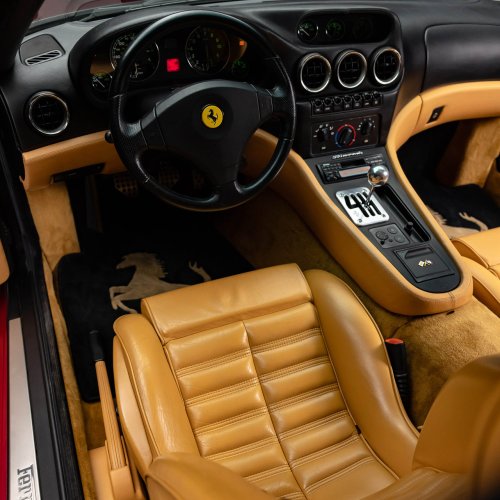
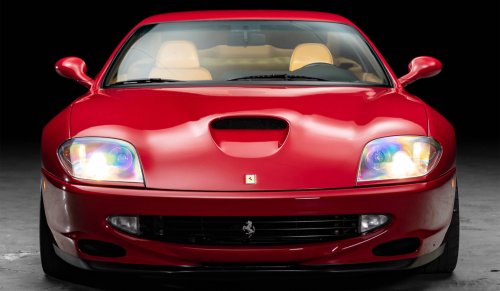
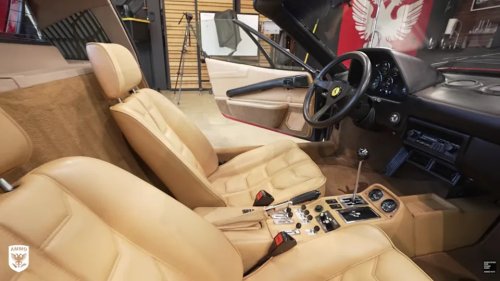
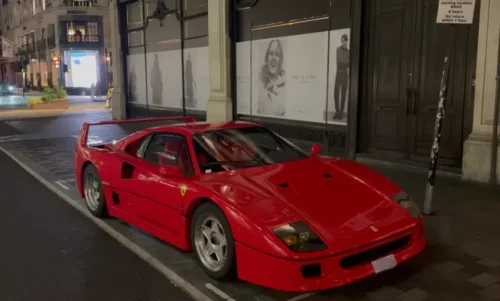
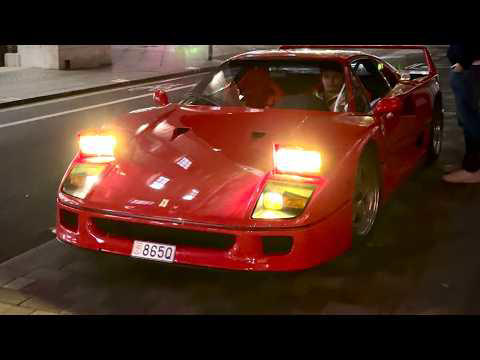
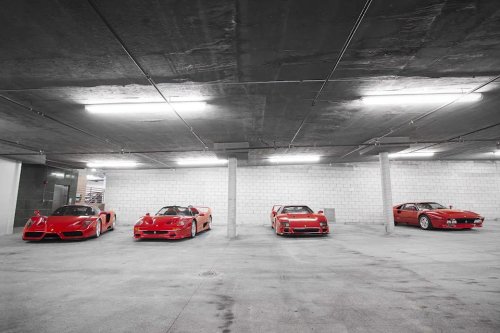
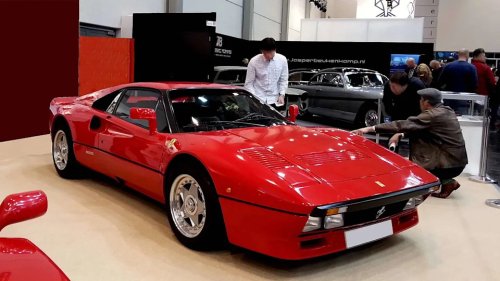
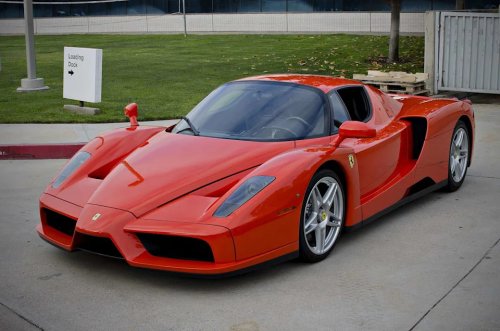
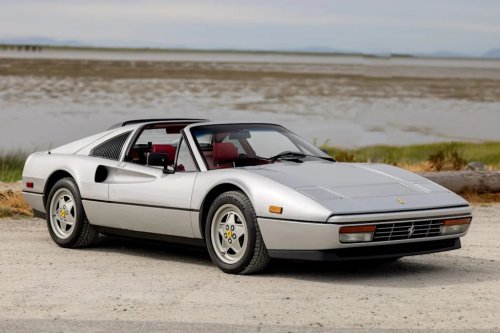
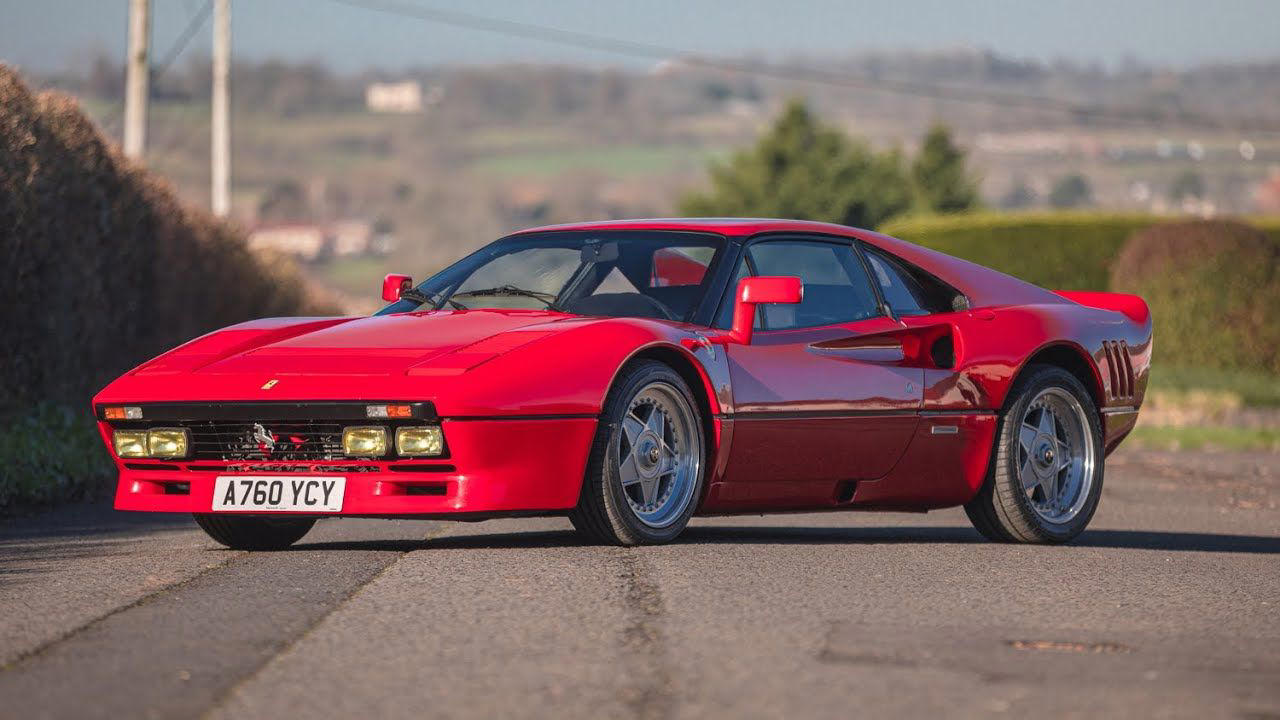
The 1984 Ferrari 288 GTO delivered performance that pushed Ferrari into a new eraThe Ferrari 288 GTO arrived in the mid‑1980s as more than a limited‑run special. It was a radical technical statement that pulled Ferrari from its analog past toward a turbocharged, homologation‑driven future. Built in tiny numbers and aimed at Group B competition, it previewed the performance, design language, and scarcity strategy that would define the company’s modern supercar era. With twin turbos, a reworked V8, and a body that looked like a 308 sharpened with a scalpel, the 288 GTO set new benchmarks for road‑going Ferraris. It laid the groundwork for the F40 and the hypercar bloodline that followed, while quietly becoming one of the most coveted Ferraris among collectors. What happened Ferrari developed the 288 GTO in response to Group B regulations that required a production‑based platform for racing. The company started from the familiar 308 GTB silhouette, then reengineered almost everything under the skin to create a car that could meet the series’ power and performance potential. The result was a mid‑engined V8 coupe with a longitudinal powertrain, extensive composite bodywork, and performance figures that eclipsed anything else in the Ferrari road lineup at the time. At the heart of the 288 GTO sat a 2.8‑liter twin‑turbocharged V8, a departure from Ferrari’s naturally aspirated tradition. The engine used forced induction to deliver supercar‑level power while still fitting within Group B displacement rules. Period specifications place output in the region of 400 horsepower, enough to push the car to a top speed above 185 mph and into a new performance bracket for Ferrari road cars. The compact V8 sat longitudinally behind the cabin with the gearbox mounted in line, a layout chosen to improve packaging and durability for potential competition use. Homologation requirements meant Ferrari had to build a series of road‑legal examples, not just a handful of prototypes. Production numbers remained extremely low, with only a few hundred cars assembled, which immediately set the 288 GTO apart from mainstream models. One documented example remained with a single owner for decades, illustrating how many buyers treated the car less as a daily driver and more as a treasured asset. That single‑owner 288 GTO, finished in the expected Rosso Corsa and kept in carefully preserved condition, has been highlighted as a benchmark for originality and long‑term stewardship in the classic Ferrari market, with its history detailed in a profile of a single‑owner 288 GTO. The 288 GTO’s chassis and bodywork showed how far Ferrari was prepared to go to meet its performance targets. Engineers used a steel tube frame combined with composite and lightweight panels to keep mass in check while still delivering the stiffness needed for high‑speed stability. The body borrowed the basic proportion of the 308 but widened the track, stretched the wheelbase, and added functional vents and intakes. The result looked familiar yet far more aggressive, with flared arches, deeper spoilers, and aerodynamic details that signaled a serious performance focus. Inside, the 288 GTO blended road‑car civility with race‑car intent. Trim materials were simpler than in Ferrari’s grand tourers, and the cabin placed the driver close to the controls with minimal distraction. Many cars were specified with lightweight features such as thinner glass and reduced sound deadening, reflecting the model’s homologation roots. Buyers who wanted more comfort could still opt for features like air conditioning, but the underlying character remained that of a focused performance machine. Group B racing was ultimately canceled before the 288 GTO could fully prove itself on the circuit, but the car had already fulfilled its role inside Ferrari. It served as a rolling test bed for turbocharged engines, composite structures, and limited‑run manufacturing. Those lessons would directly inform the development of the F40, which followed soon after and pushed the same basic concept even further. Why it matters The 288 GTO matters because it marks the point where Ferrari began to treat ultra‑low‑volume flagships as a recurring strategy rather than occasional curiosities. Later icons such as the F40, F50, Enzo, LaFerrari, and even future concepts trace their lineage back to the template the 288 GTO established: extreme performance, advanced technology, and strict production caps that guarantee long‑term desirability. One analysis of Ferrari’s top‑tier models places the 288 GTO at the start of a line of modern Ferrari flagships, highlighting how it set the pattern for everything that followed. On a technical level, the 288 GTO also represents Ferrari’s first serious commitment to turbocharging in a road‑going halo car. The company had experimented with forced induction in other models, but never at this performance level and never with such a clear link to motorsport. The turbocharged V8 layout that debuted in the 288 GTO would later become a core part of Ferrari’s engine strategy, resurfacing in later mid‑engined cars and influencing how the brand balanced emissions regulations with power expectations. The move toward turbo power did not happen in isolation. Ferrari’s earlier turbocharged road cars, such as the 208‑series models, had mixed receptions and were sometimes viewed as niche or compromised. One retrospective on Ferrari’s early forced‑induction efforts describes how the first turbocharged Ferrari road car, a small‑displacement 208, was both rare and relatively unloved by collectors, which kept values lower than other period models. That assessment of the first turbocharged Ferrari underscores how the 288 GTO reversed the narrative by pairing turbocharging with genuine supercar performance and clear motorsport intent. Historically, the 288 GTO also bridges two eras of Ferrari design. Earlier decades were defined by naturally aspirated V12 grand tourers and elegant coachbuilt bodies, while the 1980s brought sharper lines, mid‑engined layouts, and more overt aerodynamic features. A long‑view survey of Ferrari’s road cars from the 1960s onward tracks this evolution, showing how the brand moved from front‑engined GTs to mid‑engined supercars, and then to carbon‑heavy hypercars that embraced electronics and hybrid systems. Within that narrative, the 288 GTO appears as a turning point that connected classic proportions with modern performance technology, a role highlighted in a study of the evolution of Ferrari from the 1960s to today. In the collector world, the 288 GTO’s significance has only grown. Its low production numbers, clear motorsport link, and position as the first of Ferrari’s modern flagships have turned it into a cornerstone of serious Ferrari collections. High‑profile assemblages of Maranello machinery often include a 288 GTO alongside later icons like the F40, F50, Enzo, and LaFerrari, presenting them as a continuous story of technological progress. One noted collection that gathers multiple rare Ferraris under one roof treats the 288 GTO as an essential early chapter in that story, grouping it with other dream‑level models in a curated Ferrari collection. The 288 GTO’s market trajectory reflects this status. Values have climbed into territory that places it firmly among the most expensive road‑going Ferraris of its era, outpacing more common contemporaries by a wide margin. Collectors prize originality, matching‑numbers drivetrains, and documented histories, which is why single‑owner cars or examples with minimal mileage attract intense attention. The combination of rarity and historical importance has insulated the model from broader market swings that affect less significant classics. Culturally, the 288 GTO also helped define what a modern supercar should look and feel like. Its aggressive stance, deep front spoiler, and large rear haunches influenced the aesthetics of later Ferraris and competitors. The car signaled that a top‑tier performance model could be unapologetically focused, with a cabin and ride quality that prioritized speed and feedback over long‑distance comfort. That attitude carried through to the F40 and beyond, shaping expectations for how a flagship Ferrari should behave. The car’s influence can be seen in how enthusiasts and historians frame Ferrari’s history. When they chart the progression from analog supercars to hybrid hypercars, the 288 GTO is often treated as the starting point of the modern arc. It sits at the intersection of old‑school mechanical purity and new‑age engineering, with a gated manual gearbox and minimal electronic aids paired with turbocharging and composite materials. That blend gives it a unique appeal, especially among enthusiasts who value driver involvement but also appreciate technical innovation. What to watch next Looking ahead, the 288 GTO’s role in Ferrari’s story is likely to become even more prominent as the brand moves deeper into electrification and advanced driver aids. Future historians will see it as the early sign that Ferrari was willing to experiment with new technologies in its most exclusive offerings, even when those technologies challenged long‑held traditions. As hybrid systems and fully electric powertrains become more common in high‑end performance cars, the 288 GTO will stand as a reminder that change has always been part of Ferrari’s DNA. For collectors and investors, several trends bear watching. The first is how the 288 GTO continues to perform relative to later flagships. Because it is the earliest member of the modern halo family and produced in very limited numbers, it has a built‑in scarcity advantage. As more collectors seek to assemble complete sets of Ferrari flagships, from the 288 GTO through LaFerrari and beyond, demand for clean, documented examples should remain strong. Some market observers already treat the 288 GTO as a foundational piece in any serious Ferrari portfolio, which suggests long‑term support for its valuations. Another factor is how younger enthusiasts engage with the car. Many of them grew up with the F40, Enzo, or LaFerrari as poster cars, yet they increasingly discover the 288 GTO through digital media, historic coverage, and curated galleries of Ferrari hypercars. One survey of Ferrari’s greatest performance models presents the 288 GTO alongside its successors, using it to explain how the company’s halo cars evolved in design and technology. That type of storytelling, often backed by rich photography and detailed technical breakdowns, helps cement the 288 GTO’s status among new audiences who may never see one in person. Ferrari’s broader product strategy will also shape how the 288 GTO is perceived. As the company introduces new limited‑run models and explores advanced powertrains, it continues to reference its own history, including the turbocharged icons of the 1980s. Enthusiasts can expect future flagships to echo the 288 GTO’s formula of cutting‑edge engineering, extreme performance, and tightly controlled production, even if the underlying technology shifts from turbo V8s to hybrid or electric systems. That continuity reinforces the 288 GTO’s role as the template for what a Ferrari halo car should be. From a cultural perspective, the 288 GTO will likely appear more frequently in curated exhibitions, museum displays, and private events that celebrate the evolution of the supercar. Institutions and collectors who want to tell a complete story of Ferrari’s modern era increasingly recognize that the narrative feels incomplete without a 288 GTO on display. As access to these cars remains limited, such appearances will shape how the broader public understands the model’s importance. More From Fast Lane Only: Unboxing the WWII Jeep in a Crate 15 rare Chevys collectors are quietly buying 10 underrated V8s still worth hunting down Police notice this before you even roll window down



















 +25 others