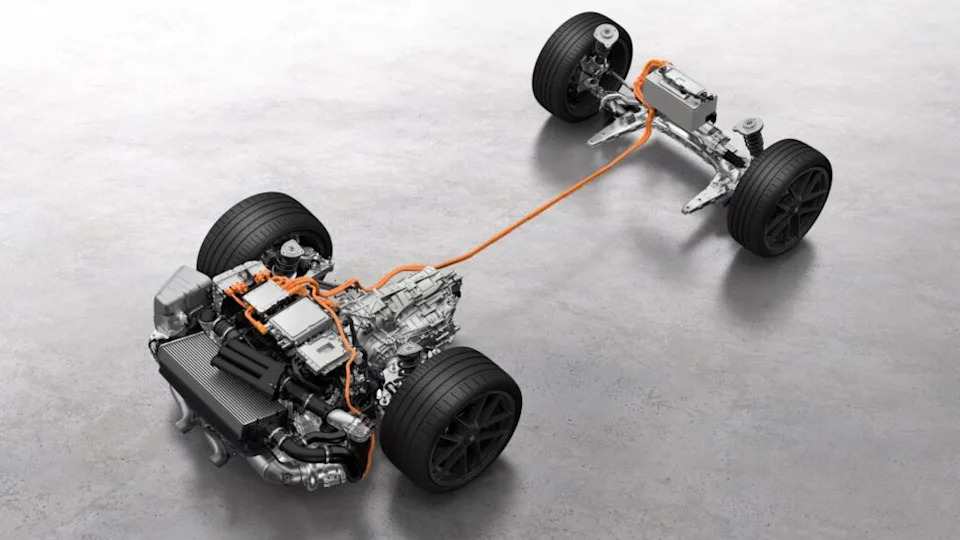
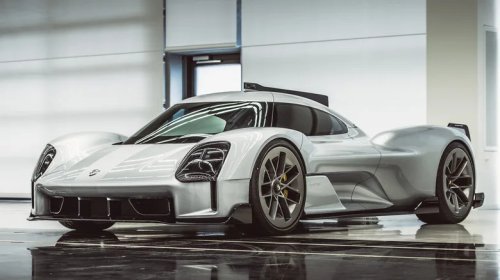
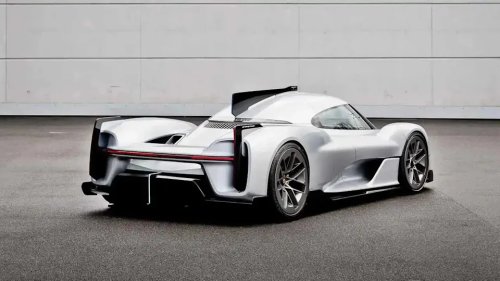
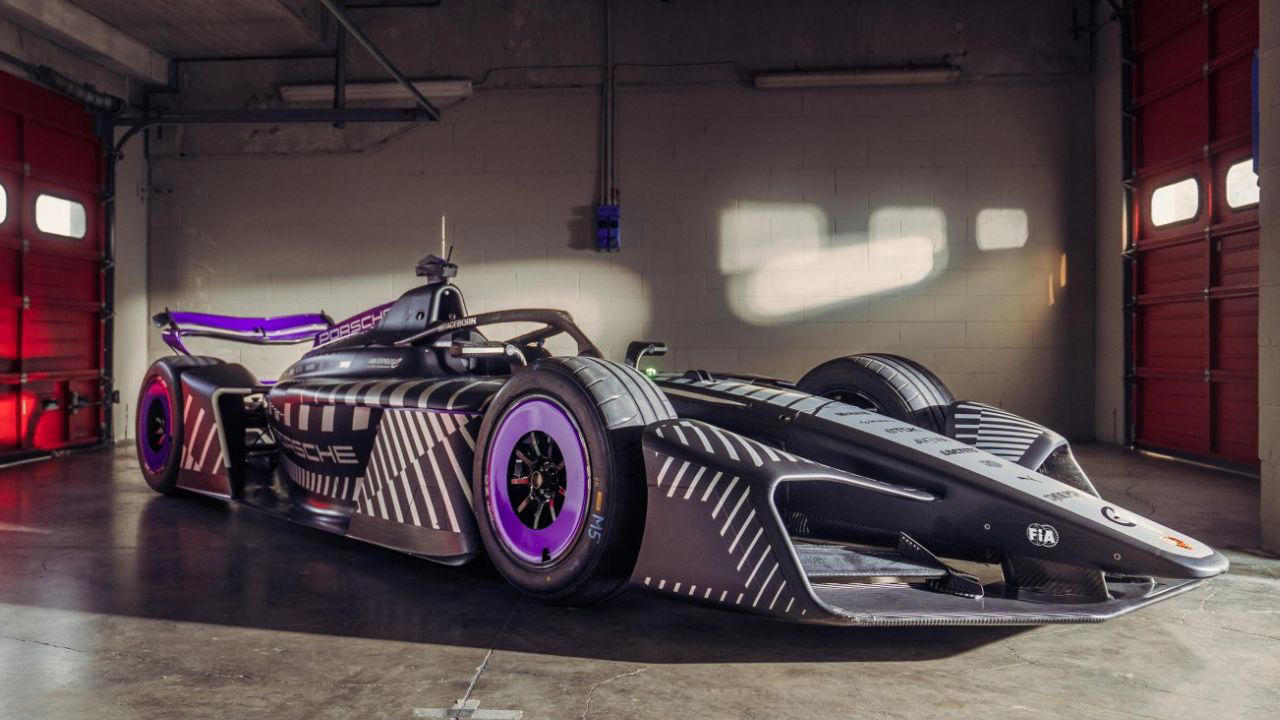
Porsche unveils next-generation 99X Electric for Formula E’s GEN4 eraPorsche has pulled the wraps off its next-generation Formula E challenger, the 99X Electric successor built for the series’ coming GEN4 regulations. The car, internally designated 975 RSE, offers the clearest signal yet of how the German manufacturer plans to stay at the sharp end of all-electric single seater racing as the technology and sporting format take another leap. Armed with a more powerful powertrain, a reworked chassis concept and a long-term commitment to the championship, Porsche is treating the GEN4 era as a fresh start rather than a gentle update. The new car doubles as a statement of intent on software, energy management and brand strategy as much as it does on outright lap time. What happened Porsche has unveiled the 975 RSE, its all-new Formula E car that will compete when the championship moves to its GEN4 ruleset. The car represents a clean-sheet evolution from the current 99X Electric, built around the GEN4 package that introduces more power, greater energy recovery and a different aerodynamic and mechanical platform compared with GEN3. Porsche presented the car as its factory entry and as the basis for its customer supply plans in the next rules cycle, positioning the 975 RSE as the centerpiece of its electric motorsport program. While the 975 RSE follows the same basic single seater format as the outgoing 99X Electric, it incorporates significant changes to weight distribution, suspension geometry and cooling. Porsche has worked within the common chassis framework to repackage its powertrain, in particular the inverter, motor and gearbox assembly, to suit the higher power ceilings and altered energy management profile that GEN4 will demand. The new car is designed around a more aggressive regeneration capability, since GEN4 regulations increase the share of race energy that must be harvested rather than drawn from the battery. Externally, the car carries a revised bodywork philosophy that reflects both the GEN4 base kit and Porsche’s own priorities. The 975 RSE features tighter sidepods and a cleaner upper surface intended to reduce drag on the straights while still generating the stability drivers need in heavy braking zones. The front and rear wings are configured to work with updated underfloor aerodynamics, which are expected to play a larger role in GEN4 than they did previously. Porsche has also focused on cooling efficiency, reshaping inlets and internal ducting to keep motor and inverter temperatures under control across a wider operating window, as described in the initial technical briefing of the 975 RSE package. Under the bodywork, the 975 RSE houses a significantly uprated powertrain. GEN4 rules raise peak power and regeneration limits relative to GEN3, which means Porsche has had to redesign the electric motor and associated electronics to cope with higher current flows and more aggressive energy harvesting under braking. The team has targeted improved efficiency both at peak and partial loads, since Formula E races often hinge on how effectively a car can deploy and recover energy over a full race distance rather than on one-lap performance alone. The power unit is built to deliver strong qualifying pace without compromising the thermal headroom needed to fight through long, traffic-heavy races on tight city circuits. Software is as central to the 975 RSE story as hardware. Porsche has built on its existing control systems from the 99X Electric to refine torque delivery, brake-by-wire coordination and traction control within the boundaries allowed by Formula E’s rules. The GEN4 environment, with more energy available but also more energy to recuperate, places a premium on predictive algorithms that can adjust deployment maps corner by corner. Porsche engineers have described the 975 RSE as a platform that will keep evolving through software updates over several seasons, rather than a static product that is frozen at launch. The new car also arrives alongside a strategic decision by Porsche to extend its commitment to Formula E. The manufacturer has confirmed that it will remain in the championship into the GEN4 cycle, aligning the 975 RSE with a longer-term factory program rather than a short-term experiment. That decision reinforces the role of Formula E as Porsche’s primary electric racing showcase and ensures that the 975 RSE will be developed across multiple seasons instead of serving as a one-off project tied to a single regulations phase, a direction backed up by Porsche’s announcement that it has extended its Formula. Why it matters The 975 RSE is more than another new race car. It represents Porsche’s attempt to shape the narrative of the GEN4 era and to position itself as the benchmark for how a traditional performance brand approaches electric competition. Formula E’s next ruleset raises the technical ceiling and the strategic complexity of the series, and Porsche has decided that it wants to be a reference point in both areas rather than a follower. On the technology front, the GEN4 package is expected to deliver substantially higher power and greater recuperation capacity than the GEN3 cars. That shift turns Formula E into a more demanding laboratory for electric drive systems, particularly in areas like inverter efficiency, fast-switching power electronics and high-density cooling. By committing to a ground-up redesign with the 975 RSE, Porsche is effectively betting that the lessons it learns under race conditions can feed into its road-going electric models, from Taycan derivatives to future battery-powered sports cars and SUVs. The brand has repeatedly framed Formula E as a test bed for software and energy management, and the 975 RSE is engineered to accelerate that feedback loop. The new car also matters because of what it signals about Porsche’s confidence in the championship itself. Committing to GEN4 means signing up for a multi-year development arc that will extend well into the second half of the decade. That choice suggests that Porsche sees value in Formula E’s mix of city-center events, manufacturer competition and technical freedom in key areas like powertrain design. The 975 RSE is effectively a rolling argument that all-electric single seater racing can remain relevant for a premium brand that already has a strong presence in endurance racing and GT categories. On the sporting side, the 975 RSE will shape how Porsche fights for wins and titles against factory rivals and customer teams. The GEN3 era highlighted how small differences in efficiency and software strategy could swing entire championships. Teams that mastered lift-and-coast techniques, regen profiles and real-time strategy often beat rivals with similar or even superior peak performance. With GEN4 promising more power and more energy to juggle, the competitive margin could grow even finer. Porsche’s decision to invest heavily in the 975 RSE’s control systems, as reflected in early technical insights into the GEN4-specific design, shows that the manufacturer expects software to be as decisive as hardware. The car also has implications for customer programs. In the current era, Porsche has supplied powertrains to other teams, expanding its influence on the grid and gathering more data across different operating conditions. The 975 RSE’s architecture is designed with that dual role in mind, serving both as a factory race winner and as a reliable, efficient package for customer entries. A strong customer footprint would not only strengthen Porsche’s competitive position but also spread its technology across a larger share of the field, increasing the brand’s visibility and giving its engineers a broader dataset for development. There is also a broader industry angle. As regulators and consumers push carmakers toward electrification, manufacturers are searching for ways to differentiate their electric products beyond simple range and charging numbers. Motorsport offers one route, by turning efficiency and performance into a story that fans can see and understand. The 975 RSE is Porsche’s latest attempt to make that connection tangible. A successful GEN4 campaign, with visible gains in energy management and pace, would give Porsche marketing and product teams a concrete narrative about how race-bred software and hardware inform future road cars. For Formula E itself, Porsche’s new car and renewed commitment are a vote of confidence at a key moment. The move to GEN4 will require significant investment from teams and manufacturers, and the series needs heavyweight brands to treat the project as a long-term partnership. The presence of a fully committed Porsche, bringing the 975 RSE to the grid and tying it to a multi-season plan, strengthens the championship’s pitch to cities, sponsors and broadcasters that want assurance about stability and technical relevance. The 975 RSE also provides an early benchmark that rivals will study closely. Even before the first GEN4 race, engineers at other manufacturers will be scrutinizing Porsche’s packaging choices, cooling solutions and software emphasis. If the car proves competitive in early testing and the opening races, it could set the development direction for the entire field, much as dominant concepts have done in other series. That influence would extend beyond Porsche’s own results and shape how GEN4 racing looks and feels for fans. What to watch next The unveiling of the 975 RSE is only the start of Porsche’s GEN4 story. The next phase will play out in testing, where the car’s theoretical advantages will be measured against reliability, drivability and efficiency. Observers will be watching how quickly Porsche can unlock performance from its new software stack and how well drivers adapt to the altered energy management profile that GEN4 demands. Early private and collective tests will provide the first clues about whether the 975 RSE meets the team’s expectations or requires significant recalibration before the season begins. One key area to monitor is how Porsche balances qualifying performance with race efficiency. In GEN3, some teams chased outright pace at the expense of energy margins, which often left them vulnerable in the closing stages of races that required careful consumption. With GEN4’s higher power ceiling, that trade-off could become even more delicate. The 975 RSE’s powertrain and software have been conceived to offer flexible mapping between aggressive one-lap modes and conservative race trims. How effectively Porsche can switch between those profiles, and how seamlessly drivers can manage the transitions, will go a long way toward determining the car’s competitiveness. Another storyline involves customer teams. If Porsche continues or expands its role as a supplier, the 975 RSE’s powertrain will appear in different chassis setups and team environments. That diversity will stress-test the underlying hardware and software, revealing how robust the package is outside the factory team’s controlled conditions. Strong customer results would validate Porsche’s engineering choices and help justify the investment in GEN4, while persistent issues could force rapid updates and raise questions about the initial concept. The interaction between the 975 RSE and Formula E’s evolving sporting format will also be worth following. The championship has been experimenting with race formats, qualifying structures and energy allocation rules in search of the right balance between strategy and flat-out racing. GEN4’s greater performance potential gives organizers more options, from higher race power levels to different approaches to energy bonuses and penalties. Porsche’s new car has been designed with flexibility in mind, but any late changes to the sporting regulations could alter the assumptions built into its control systems and race strategies. More from Fast Lane Only Unboxing the WWII Jeep in a Crate 15 rare Chevys collectors are quietly buying 10 underrated V8s still worth hunting down Police notice this before you even roll window down


















 +59 others