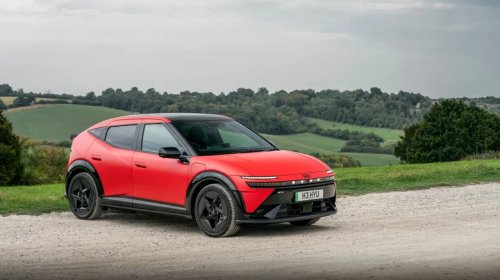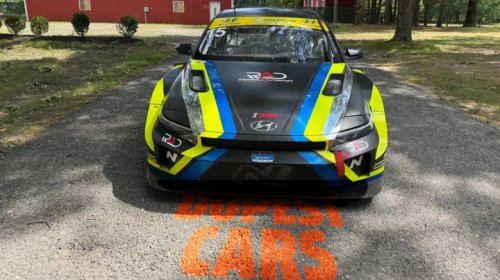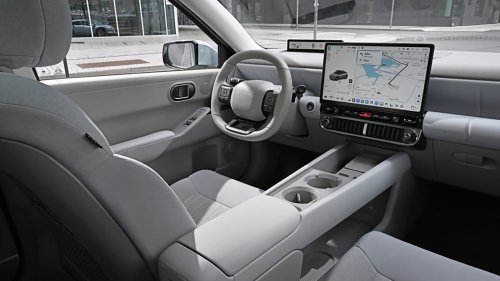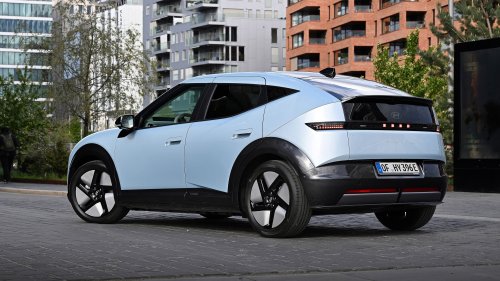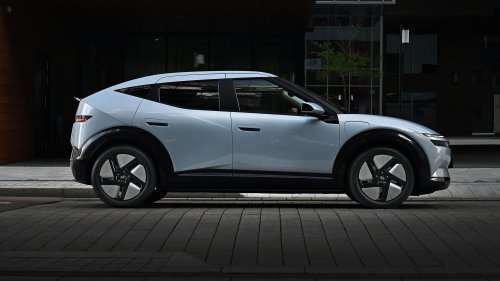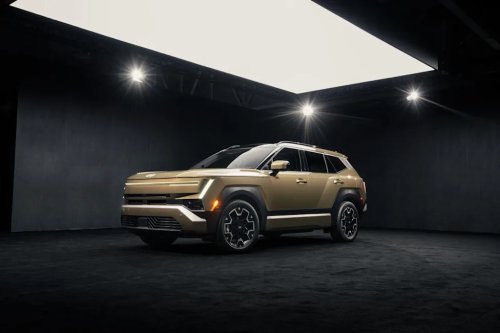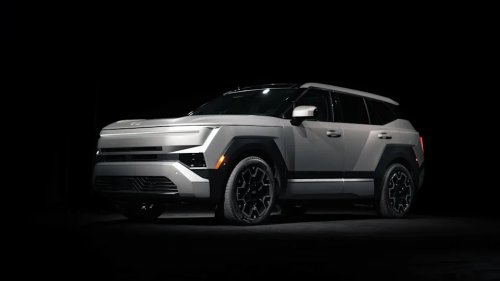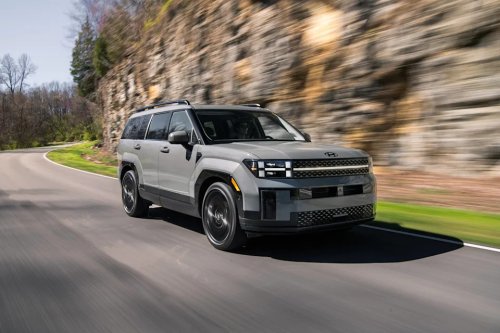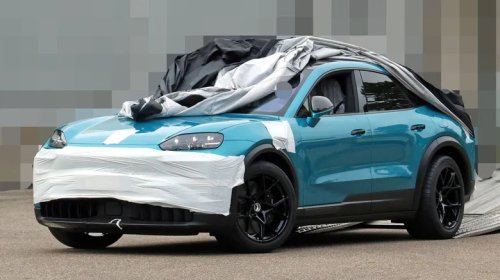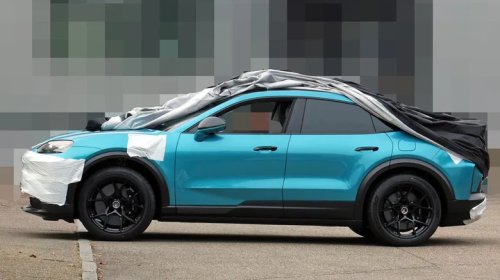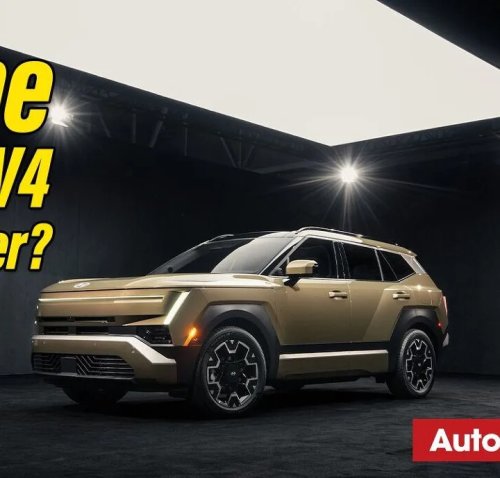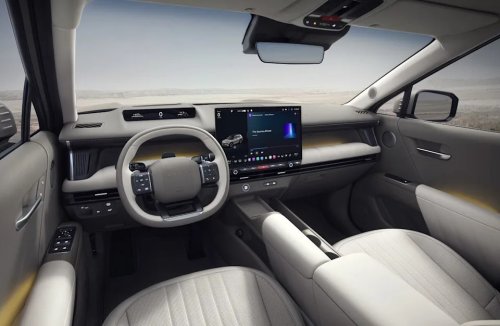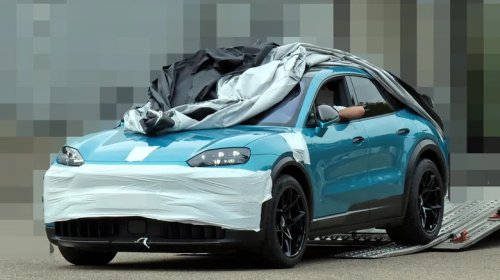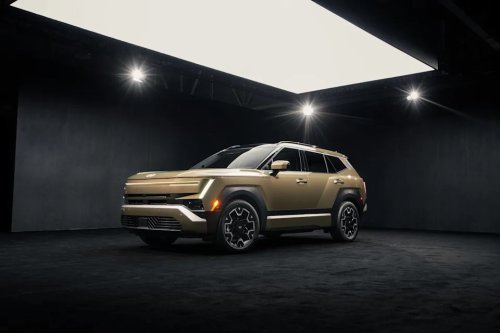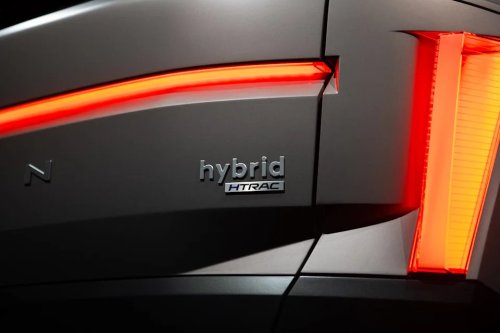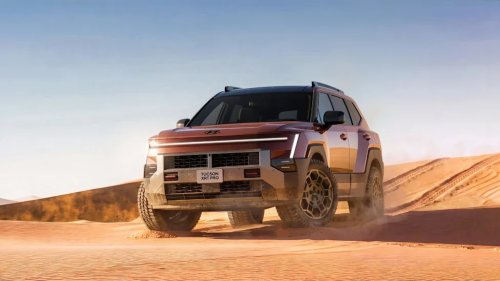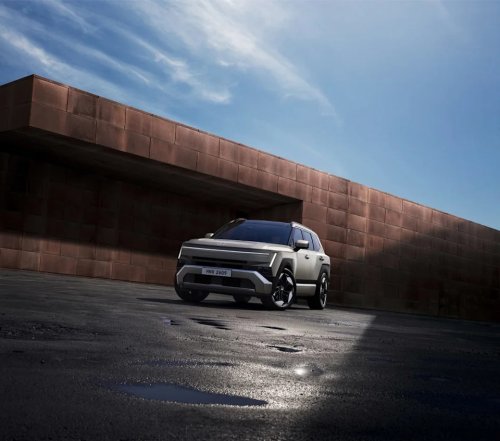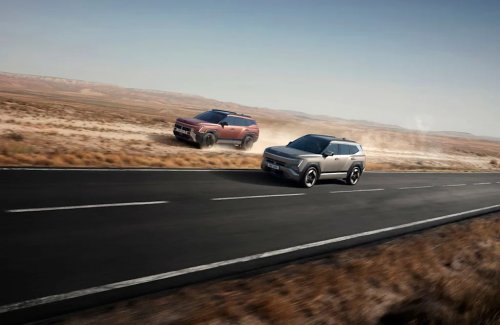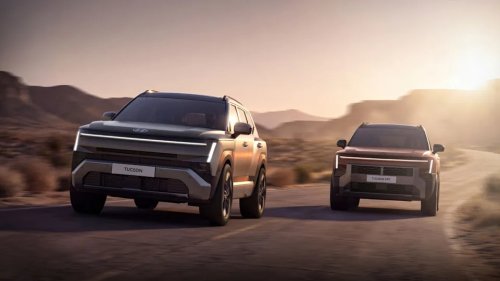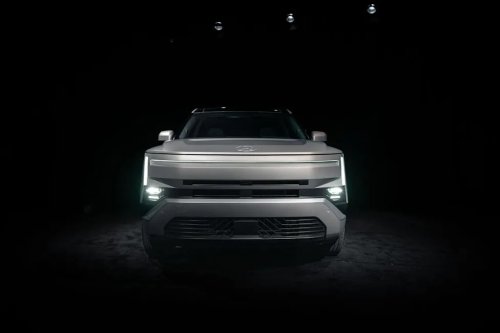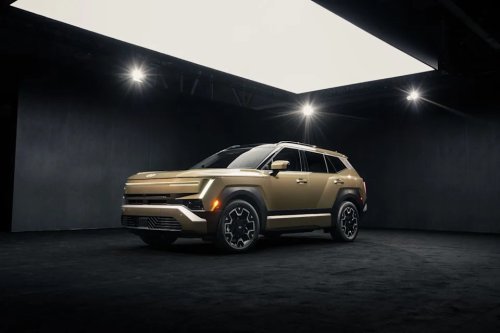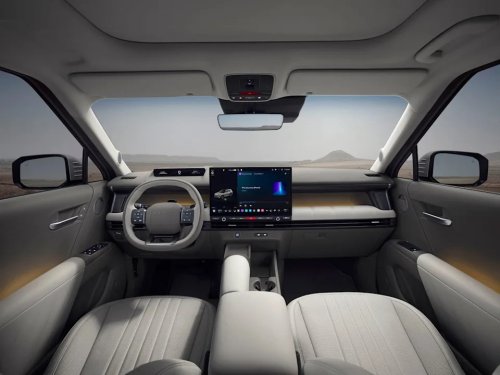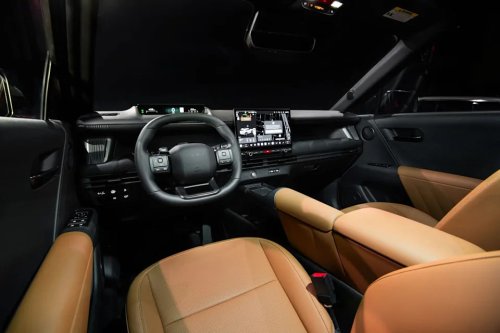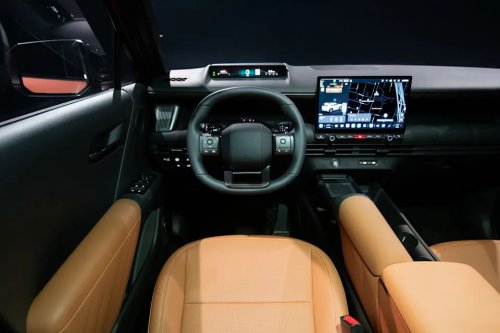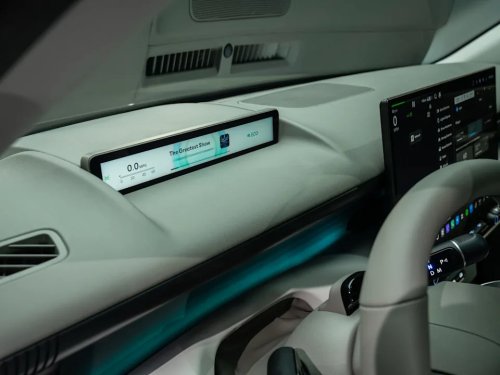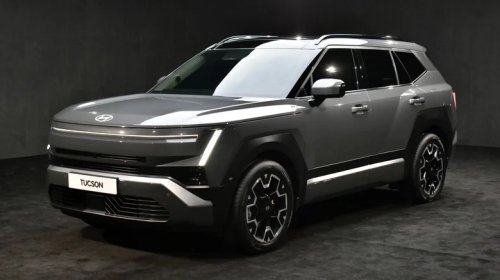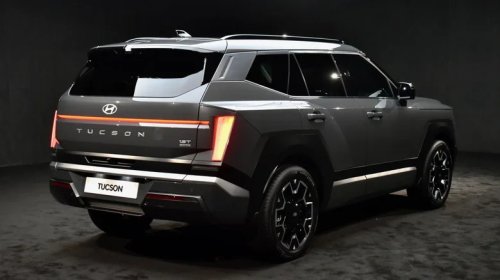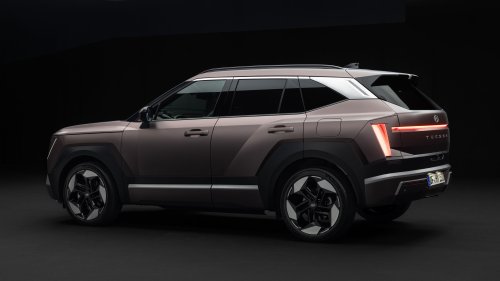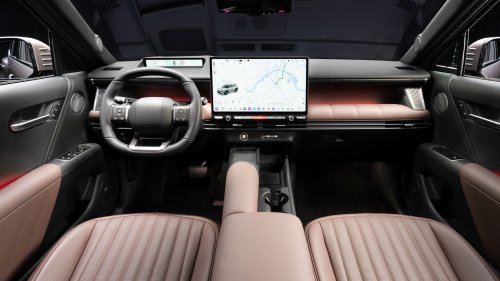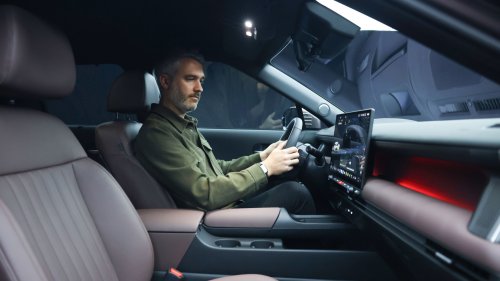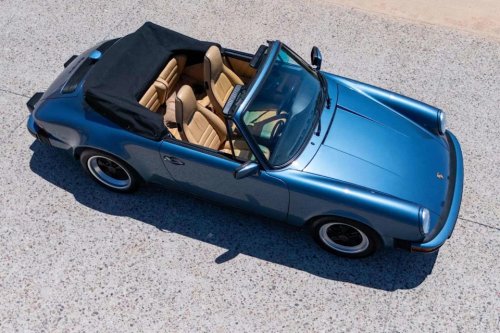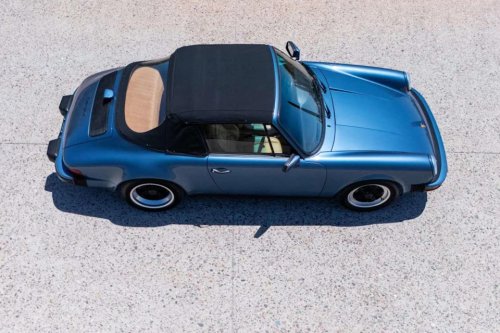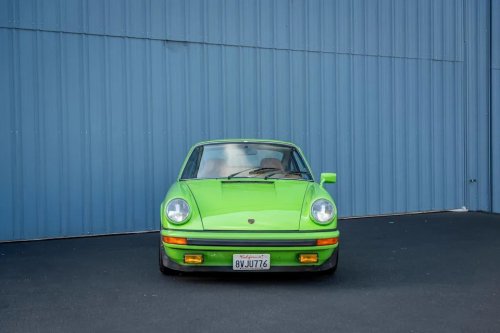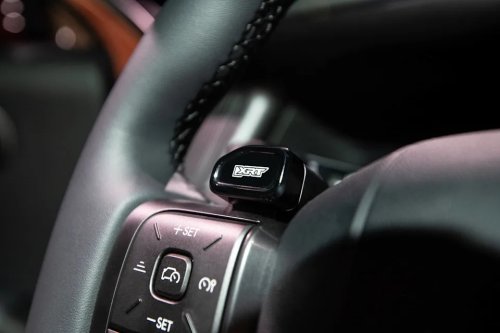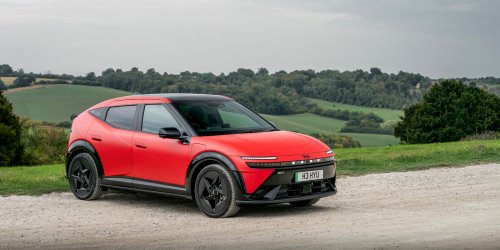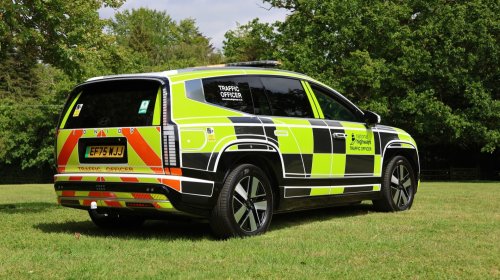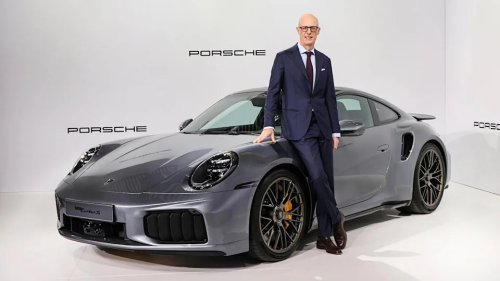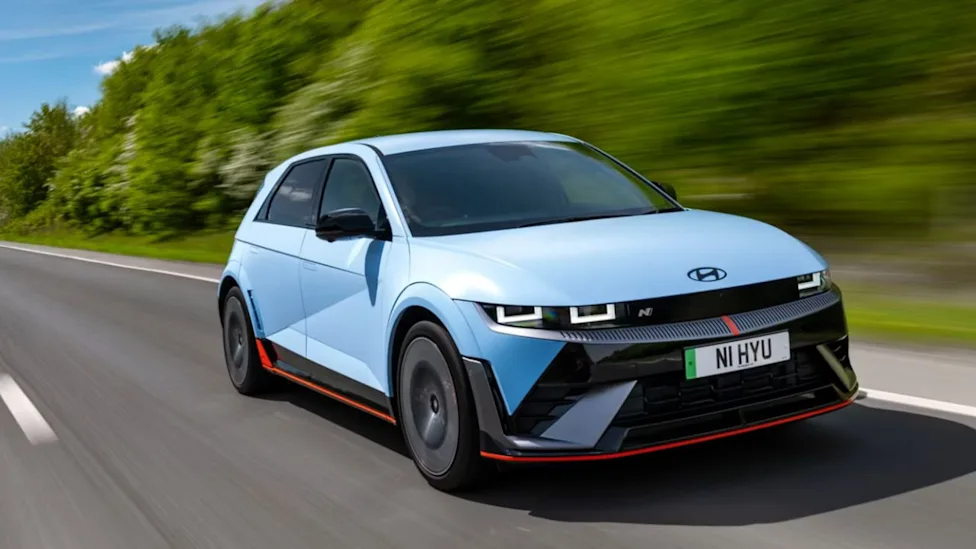
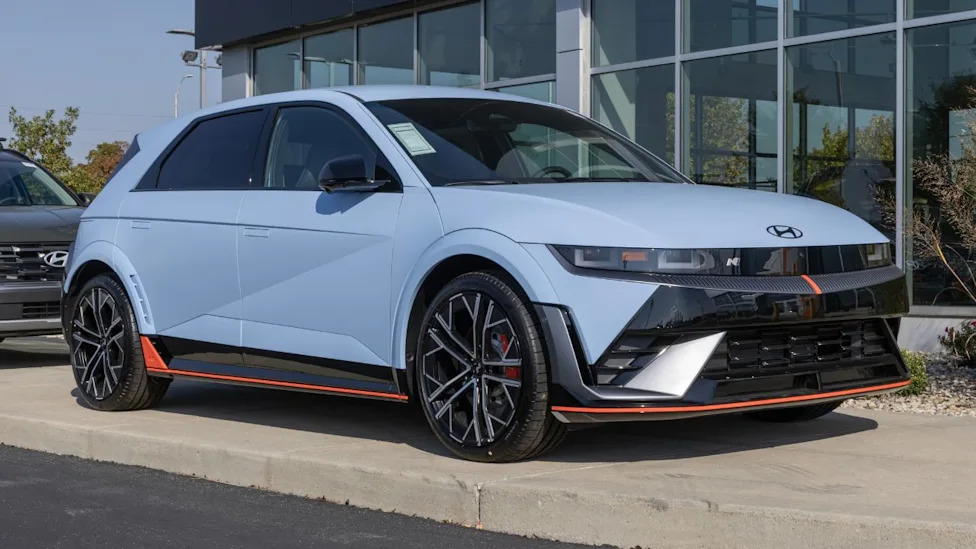
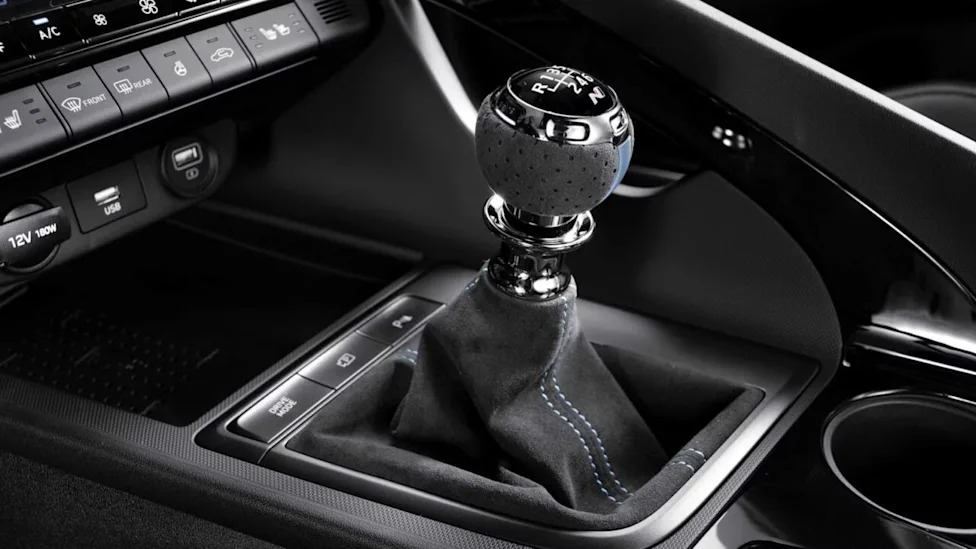



















Image Credit: Hyundai.A few years ago, the idea of automakers intentionally making electric vehicles behave more like gasoline-powered cars would have sounded absurd. After all, EVs were supposed to leave behind gears, engine noise, and many of the mechanical sensations that defined performance driving for decades.Yet Hyundai's simulated gear-shifting technology has become one of the most talked-about features in the performance EV world. What initially seemed like a gimmick has earned praise from owners, journalists, and now even one of the most respected sports car manufacturers on the planet.Porsche has openly acknowledged that it has been studying Hyundai's approach to artificial shifting and engine sounds. More importantly, company executives admit they are impressed by what Hyundai has achieved.AdvertisementAdvertisementThe comments highlight a growing trend across the industry as manufacturers search for new ways to make electric performance cars more engaging for enthusiasts.Porsche Gives Credit Where It's DueSpeaking during the launch of the new electric Cayenne, Porsche product spokesperson Ben Weinberger revealed that the German automaker has taken a close look at Hyundai's technology."We'll see what happens, but it is not a technology that we do not look at. It's very interesting. To be honest, Hyundai did a really good job at it," Weinberger told Australian publication CarSales.That's notable praise coming from a company whose reputation has been built on driving engagement and mechanical precision.AdvertisementAdvertisementPorsche executives have previously tested Hyundai's Ioniq 5 N, including Frank Moser, vice president of the 718 and 911 model lines, and Andreas Preuninger, the man responsible for Porsche's highly regarded GT models. Their interest suggests Hyundai's solution has become impossible for competitors to ignore.Why Fake Shifting WorksPhoto Courtesy: Jonathan Weiss / Shutterstock.On paper, Hyundai's system sounds almost contradictory. The Ioniq 5 N, Ioniq 6 N, and Genesis GV60 Magma use software to simulate gear changes in vehicles that don't actually have multi-speed transmissions.Drivers can use steering-wheel-mounted paddles to trigger virtual upshifts and downshifts, complete with artificial rev limits, power interruptions, and synthesized engine sounds. The result is an experience that feels surprisingly similar to driving a performance car with a dual-clutch transmission.While the technology doesn't improve acceleration or efficiency, it adds an extra layer of involvement that many enthusiasts feel is missing from traditional single-speed EVs. Instead of simply flooring the accelerator and experiencing uninterrupted acceleration, drivers are encouraged to interact with the vehicle in a more active way.Porsche Wants Its Own InterpretationAlthough Porsche is clearly intrigued by the concept, the company isn't interested in simply copying Hyundai's formula.AdvertisementAdvertisementWeinberger emphasized that no decision has been made regarding future implementation. However, if Porsche eventually adopts a similar feature, it will be developed specifically to fit the brand's identity. "If we do it, it will definitely be a Porsche-typical solution, but it would be too early to talk," he said.Should the technology appear in a future Porsche EV, many expect it could mimic elements of the company's iconic flat-six engines and PDK dual-clutch transmissions. The upcoming electric 718 Boxster and Cayman replacements could be natural candidates, although those models have faced multiple development delays.The Industry Is Searching For Driver EngagementImage Credit: Hyundai.Porsche isn't alone in exploring new ways to make EVs feel more engaging. BMW has already confirmed that its next-generation electric M models will feature simulated shifting technology.Ferrari is reportedly pursuing a different approach that uses steering-wheel paddles to alter power delivery and regenerative braking characteristics, creating a more interactive driving experience.AdvertisementAdvertisementEven Hyundai continues to evolve the concept. Patent filings suggest the company is exploring ways to incorporate physical shifters and manual transmission-style controls into future electric vehicles.As EV performance becomes increasingly standardized, with many models capable of delivering extraordinary acceleration, automakers are looking for ways to differentiate themselves beyond raw numbers.Not Just A GimmickThe success of Hyundai's system has brought about a realization within the industry. Performance has never been solely about speed.For decades, enthusiasts have valued the sounds, sensations, and interactions that make driving enjoyable. Electric vehicles naturally remove many of those traditional elements, forcing manufacturers to rethink how engagement is created.AdvertisementAdvertisementWhether simulated shifting ultimately becomes a permanent feature of high-performance EVs remains to be seen. Purists will continue debating whether artificial gear changes belong in electric cars at all.What is becoming increasingly clear, however, is that Hyundai's engineers may have identified something many competitors overlooked. The future of performance EVs isn't just about being faster. It's about making drivers feel more connected to the experience, and even Porsche appears to agree.If you want more stories like this, follow Guessing Headlights on Yahoo so you don’t miss what’s coming next.