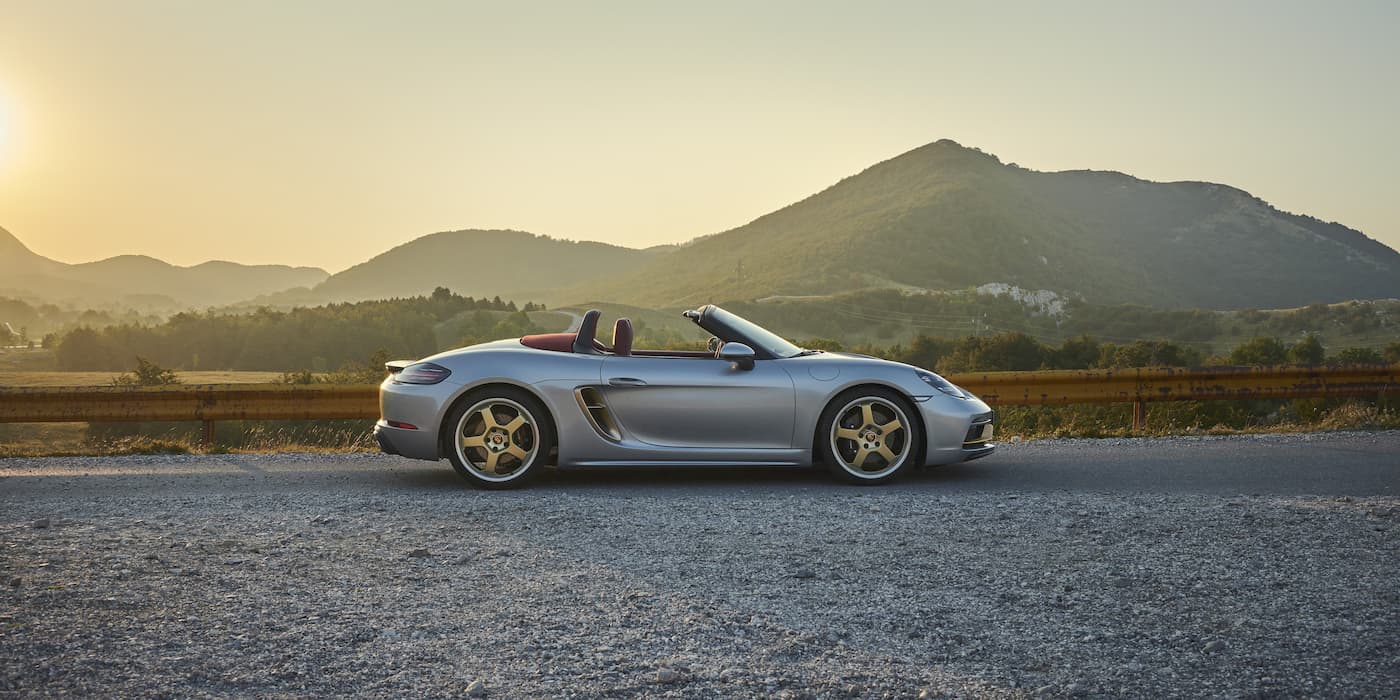
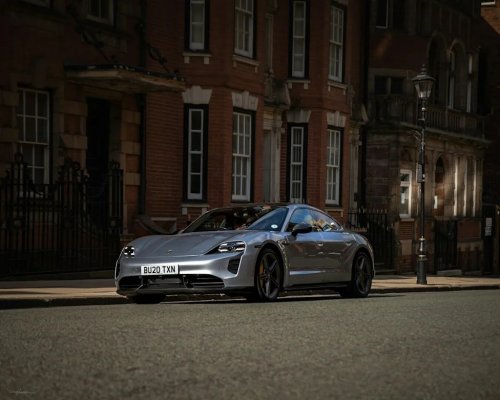
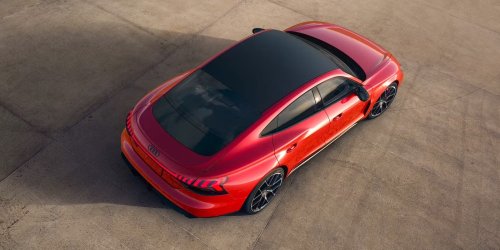
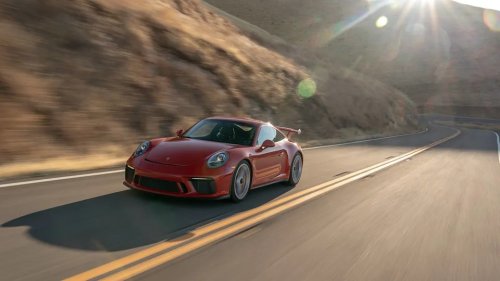
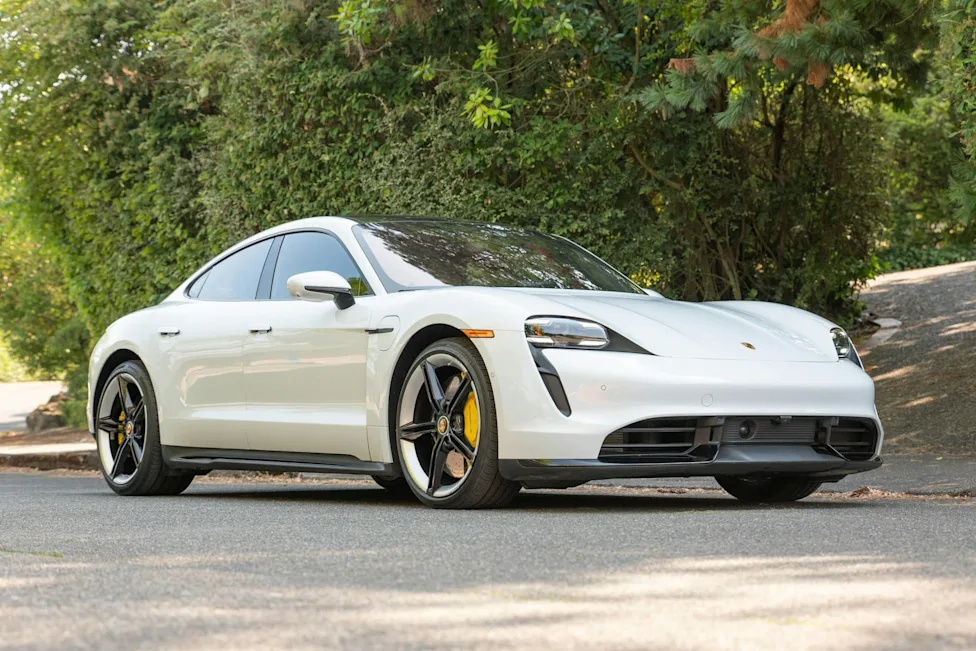
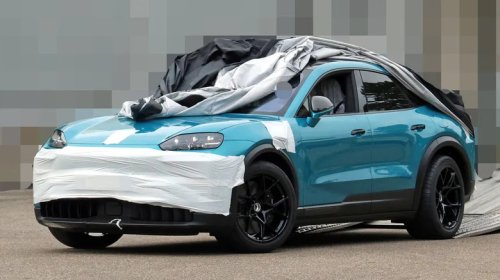
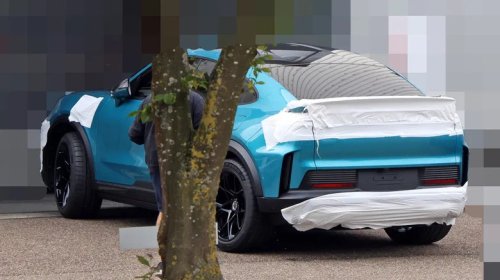
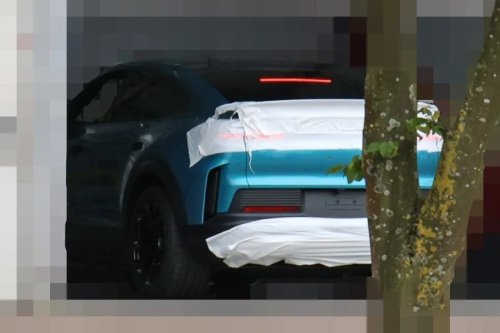
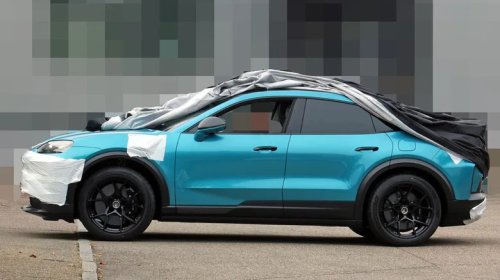
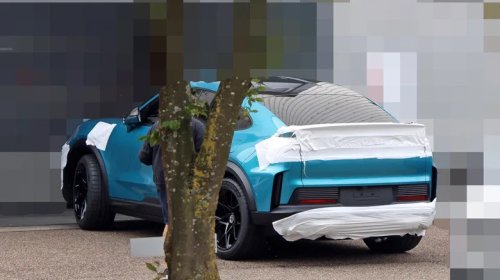
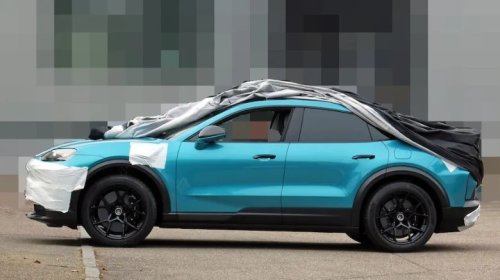
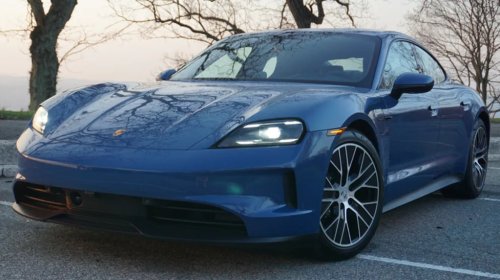
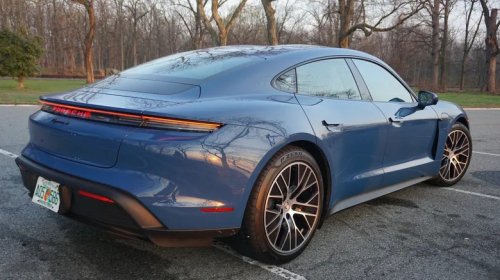
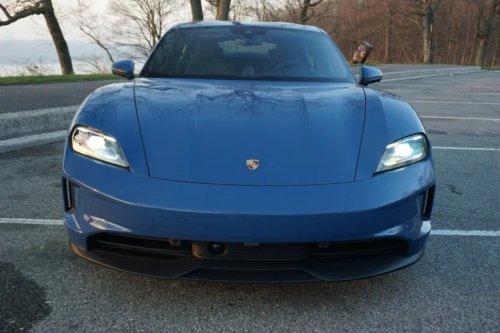
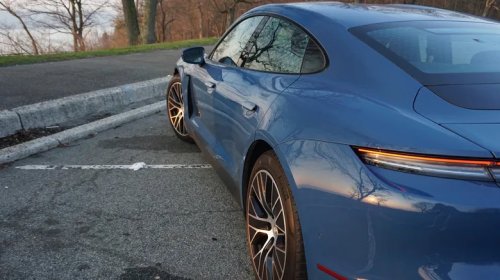
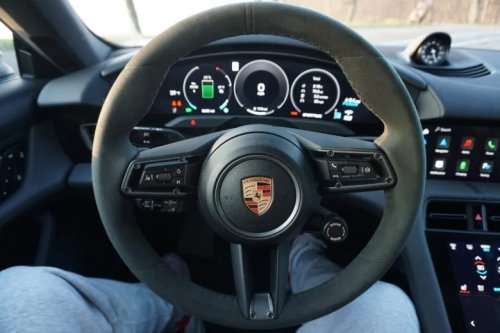
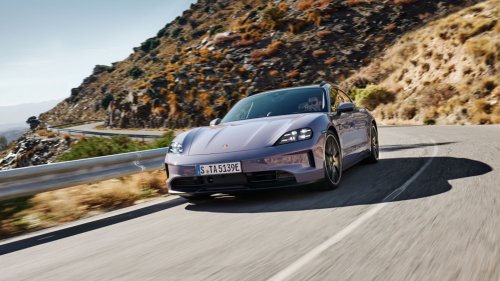
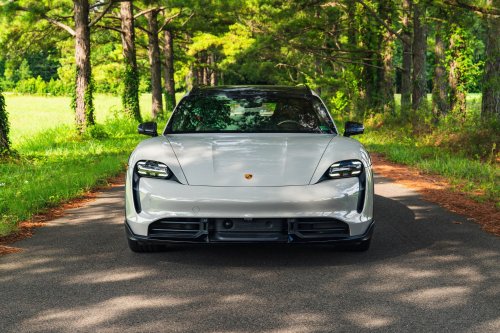
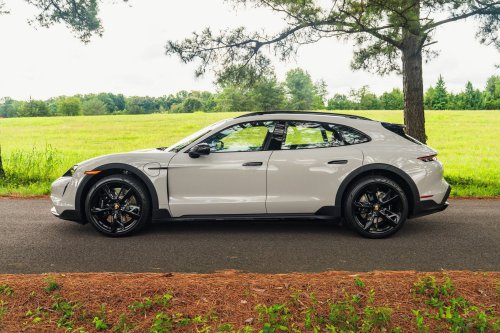
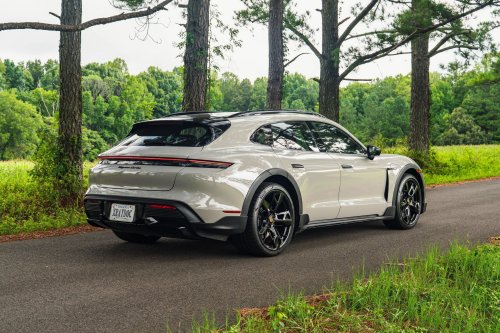
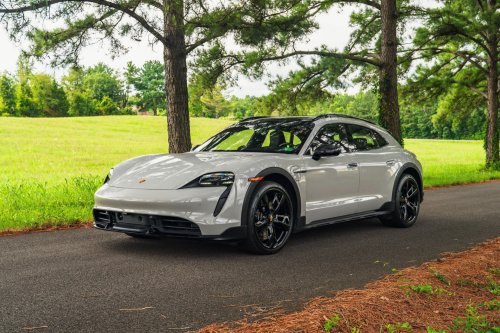
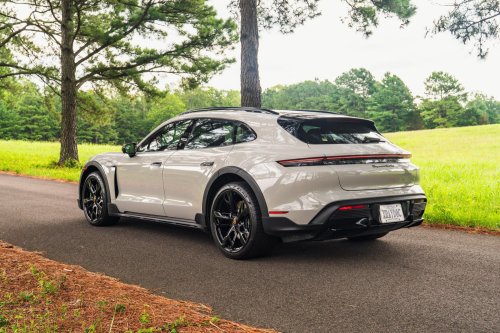
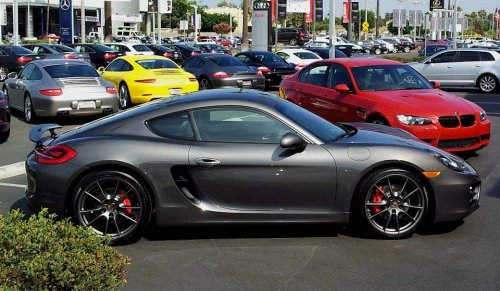
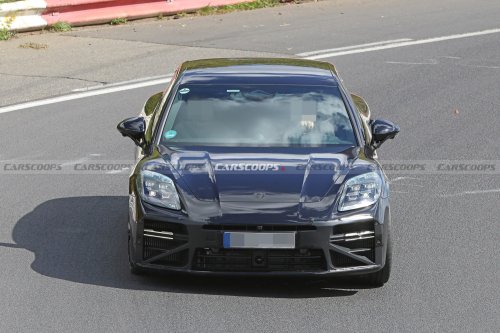
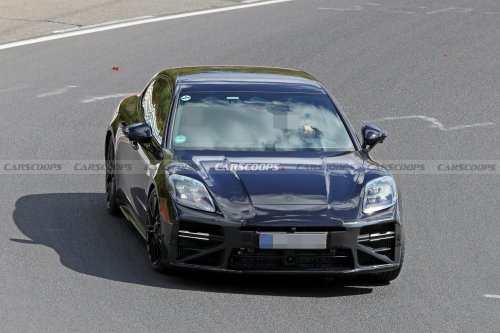
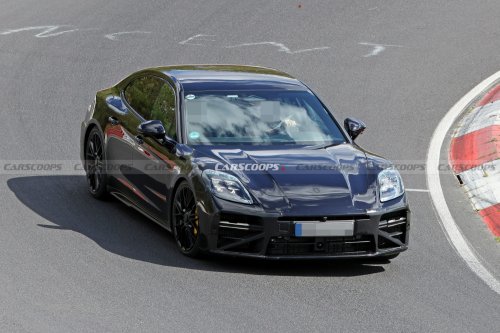
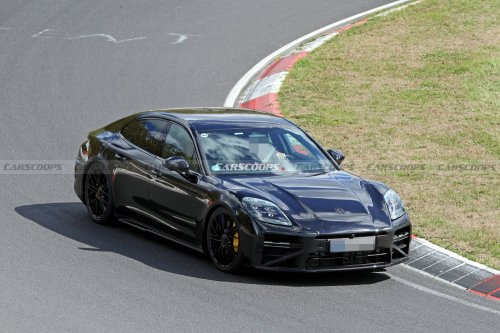
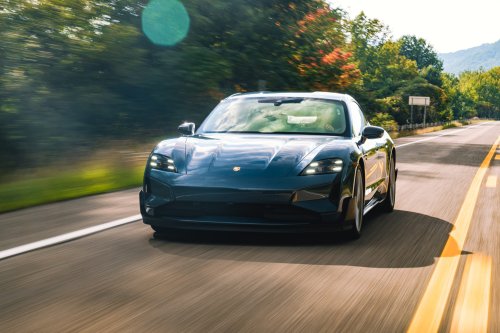
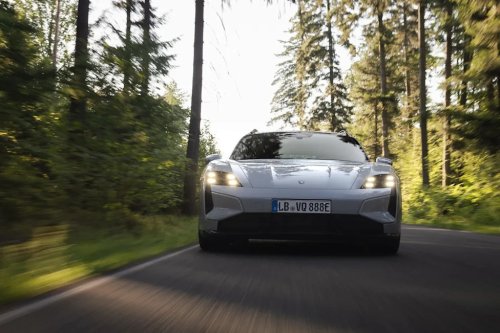
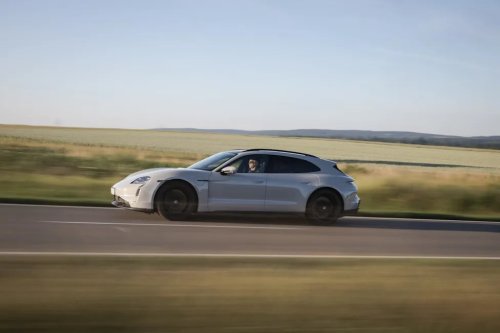
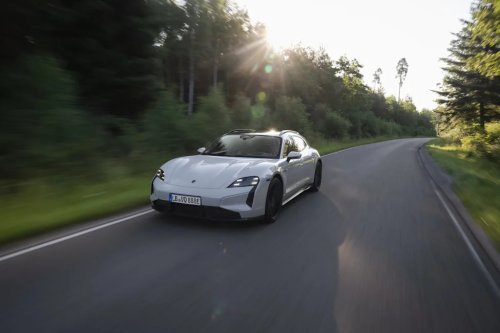
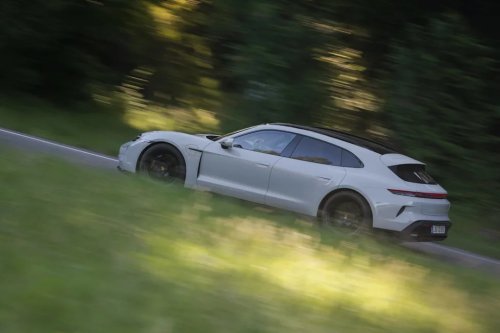
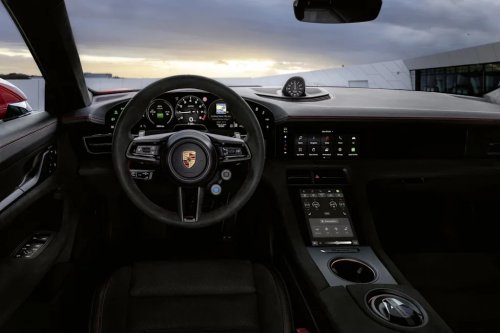
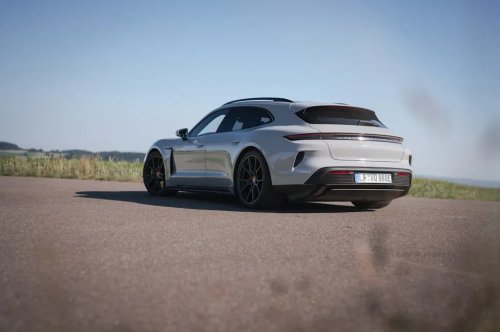
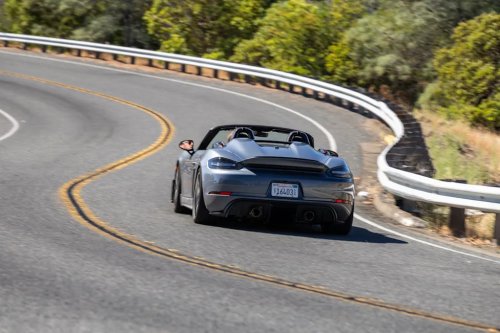
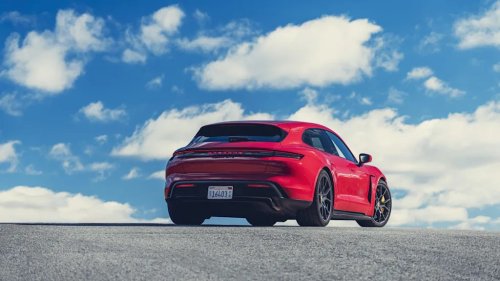
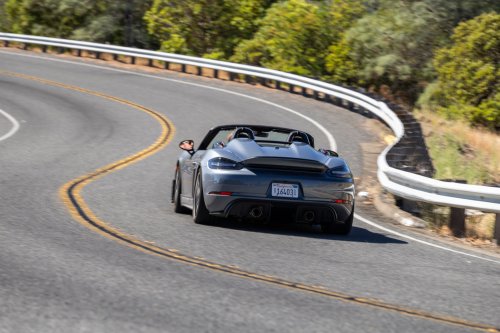
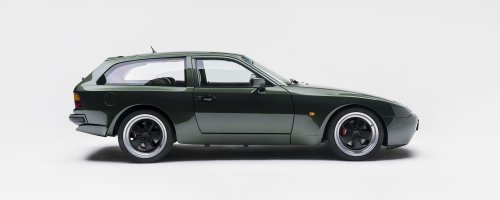
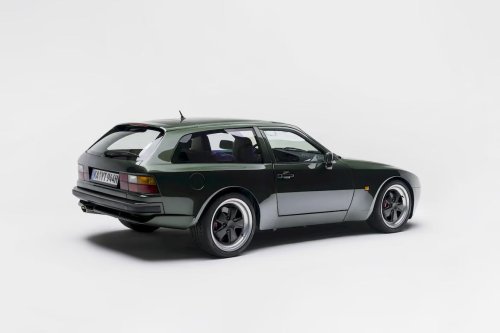
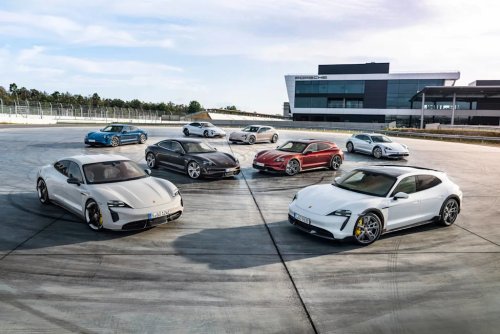
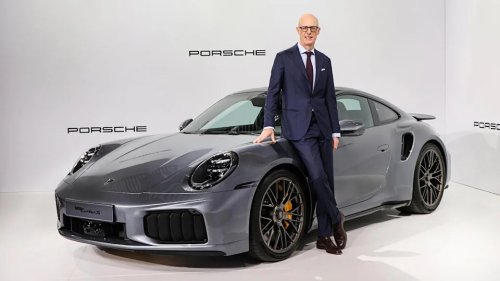
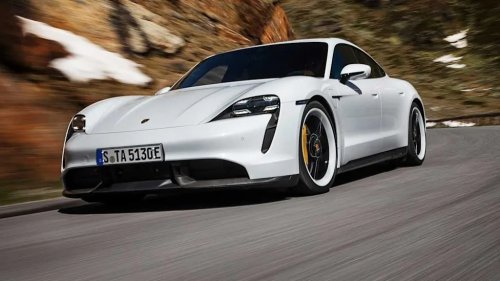
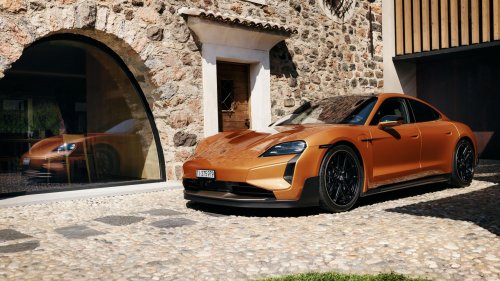
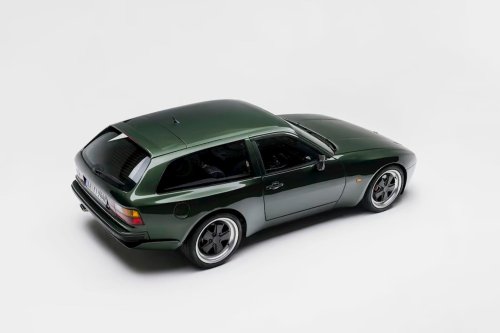
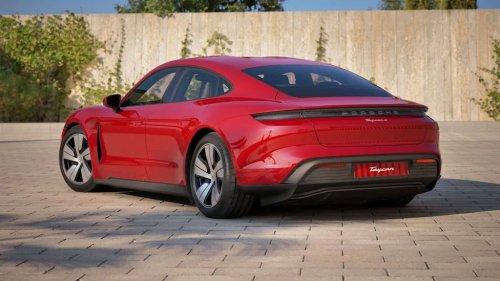
Porsche 718 Boxster (Source: Porsche) Porsche has recently gone back and forth on electrification, but its new CEO Michael Leiters said in his first major interview that the electric 718 model will be built, after much speculation otherwise. But there are still inklings that he’s not as committed to electrification as he could be. Porsche, like many German automakers, has had a bit of a complicated history with vehicle electrification. It was one of the first automakers to release a new, fully electric model with its own normal model designation (instead of being silo-ed into some sort of “e” or “i” sub-brand). And its best-sellers, the Macan and the Cayenne, are both available as BEV models now (and are doing quite well). However, the company has also been slow to electrify its “halo” models, like the 911, which have always served as the center of the Porsche brand. Despite touting the performance superlatives of the Taycan and smashing records with the Cayenne, the 911 will apparently be the last to gain the benefits of electric performance. Advertisement - scroll for more content Porsche has also waffled on electrification in general. Last year, it took a $6 billion writedown in an odd move to slow down its electrification strategy despite that its weakest regions are those where Chinese EVs are the strongest. Choosing to move more slowly when you’re already behind seems like a strange choice. This wishy-washy EV strategy was also reflected in the long rumors that the Porsche 718 would be delayed and then possibly canceled entirely. But it looks like the Porsche 718 electric is back on track, according to an interview with Michael Leiters, Porsche’s new CEO, appointed early this year. Leiters says 718 will go to market The interview with Frankfurter Allgemeine Zeitung covered several topics, but most relevant to us at Electrek are the questions about electric models. Leiters was asked a series of questions about Porsche’s relationship with the rest of the VW Group, which it shares some technology with – particularly via a platform-sharing agreement with Audi, which for example produced the Taycan and Audi e-tron GT, both based on the same platform. A similar plan is in the works for the Porsche 718, which will share a platform with the upcoming electric Audi TT. So if Porsche was considering canceling the 718, doesn’t that cause trouble for Audi? For what it’s worth, Audi always claimed there was no question about the TT platform going to production. But Porsche’s side of the agreement was more in flux. Well, Leiters put the kibosh on those rumors, stating directly that the 718 will happen. He said: “With the electric 718, we have come to the conclusion that we will build the model – because it is the best solution economically and will be a fantastic car.“ So that’s that – not only will the 718 happen, it will happen because Porsche sees it as the best money-making option going forward. The Taycan isn’t going anywhere, either Leiters was asked more questions about electric models, like whether the Taycan would need to be retired to make space for other electric models Porsche wants to introduce, including a potential super-sports car above the 911 and an even-larger SUV bigger than the Cayenne (yuck). Leiters answered that he’d rather focus on trimming down the number of variants in the Taycan model line, making it less complex. He said, straight out, that “We do not plan to discontinue the Taycan in the short term. We have invested a lot in the model and want to observe how demand develops.“ But Porsche still wants to relax Europe’s already-lax EV rules Leiters continues some of the rhetoric that came out of the last Porsche CEO, and the German and Italian auto industries as a whole, claiming that “The ramp-up of electric mobility is not developing as fast as was assumed when the CO2 targets in the EU were set.” Europe is in fact having a banner year for electrification, leading the world in EV sales growth, even ahead of China. BEVs are now the most common powertrain for new car sales in Porsche’s home country of Germany, and the continent is responding to a (purposefully-created) international energy crisis by recognizing that it needs to get off of oil, fast. But the latest moves from European government, and lobbying from automakers, don’t quite reflect that reality. Europe originally wanted to move to all-EV for new car sales by 2035, but has recently waffled on that promise, adding various adjustments to somewhat soften targets. These have been relatively minor changes so far, but they are compounding, going in the wrong direction, and automakers are still lobbying for more. For example, Leiters says in the interview that Porsche wants “more flexibility,” including “renewable fuels.” Porsche has long advocated for “e-fuels,” synthetic fuels made from captured CO2 and hydrogen from electrolysis. E-fuels can be carbon neutral if the hydrogen is produced with zero-carbon electricity (though ~95% of hydrogen currently comes from methane), but overall are not a green option. This is because they cost a lot of energy to produce (charging an EV battery is ~4x more efficient), produce as much dangerous local tailpipe pollution as an internal combustion car does, and serve to prolong the life of the internal combustion engine longer, ensuring these high levels of pollution and inefficiency continue for decades. Leiters also gives nods to the general European business community sentiment that China is not playing fairly and that regulations in Europe are too strong (despite that these two ideas are somewhat in contradiction of one another). He does recognize that China is an extremely difficult question – but I’m not sure he’s got the ideal solutions. Electrek’s Take It’s good to see that the rumors of Porsche’s retreat from EVs were overblown, and that Leiters seems ready to put the right models on the road instead of cancelling them. But in general, the interview shows that some aspects of the old thinking are still present in Leiters’ mind. He sees a target that’s hard to hit, and rather than thinking of ways to hit it, he thinks of ways to move the target to make it easier. Instead of thinking of ways to soften European EV targets because automakers are not on track to meet them, automakers like Porsche could instead think of ways to meet them. There’s not much point to a goal if you just soften that goal when you fail to meet it, setting the goal at whatever point your failure led you to just so you feel good about failing. A goal should serve to spur action, and if you are not making it there, you should figure out ways to do better. This is particularly the case when China’s EV industry is booming, and its exports are taking share all around the world, including in Porsche’s home market of Germany. Germany spent decades as the top or 2nd-largest auto exporter in the world, until China recently surged into first place, and China’s dominance is only going to rise as the world electrifies. This change is happening, whether anyone is ready for it or not. The way to catch up with a fast-moving competitor is not to hesitate, but to accelerate. Porsche, with its racing history, should be the first to recognize this. And as far as races go – humanity is currently in a race against climate change, a self-inflicted wound that instead of curing, we are continuing to allow to fester. In this race our competitor is physics, which does not care about what sort of difficulties you are having keeping up. European countries are generally not compliant with the level of action needed to solve this problem that rich countries have caused, so any move away from current targets is in a very real sense an attack on every living being on this planet, in particular the billions of humans who will be displaced by climate change and the many species at risk of extinction from climate change. There should be no question that targets need to be stronger, not weaker, as a matter of science, not opinion. Charge your electric vehicle at home using rooftop solar panels. Find a reliable and competitively priced solar installer near you on EnergySage, for free. They have pre-vetted installers competing for your business, ensuring high-quality solutions and 20-30% savings. It’s free, with no sales calls until you choose an installer. Compare personalized solar quotes online and receive guidance from unbiased Energy Advisers. Get started here. – ad* Stay up to date with the latest content by subscribing to Electrek on Google News. You’re reading Electrek— experts who break news about Tesla, electric vehicles, and green energy, day after day. Be sure to check out our homepage for all the latest news, and follow Electrek on Twitter, Facebook, and LinkedIn to stay in the loop. Don’t know where to start? Check out our YouTube channel for the latest reviews.