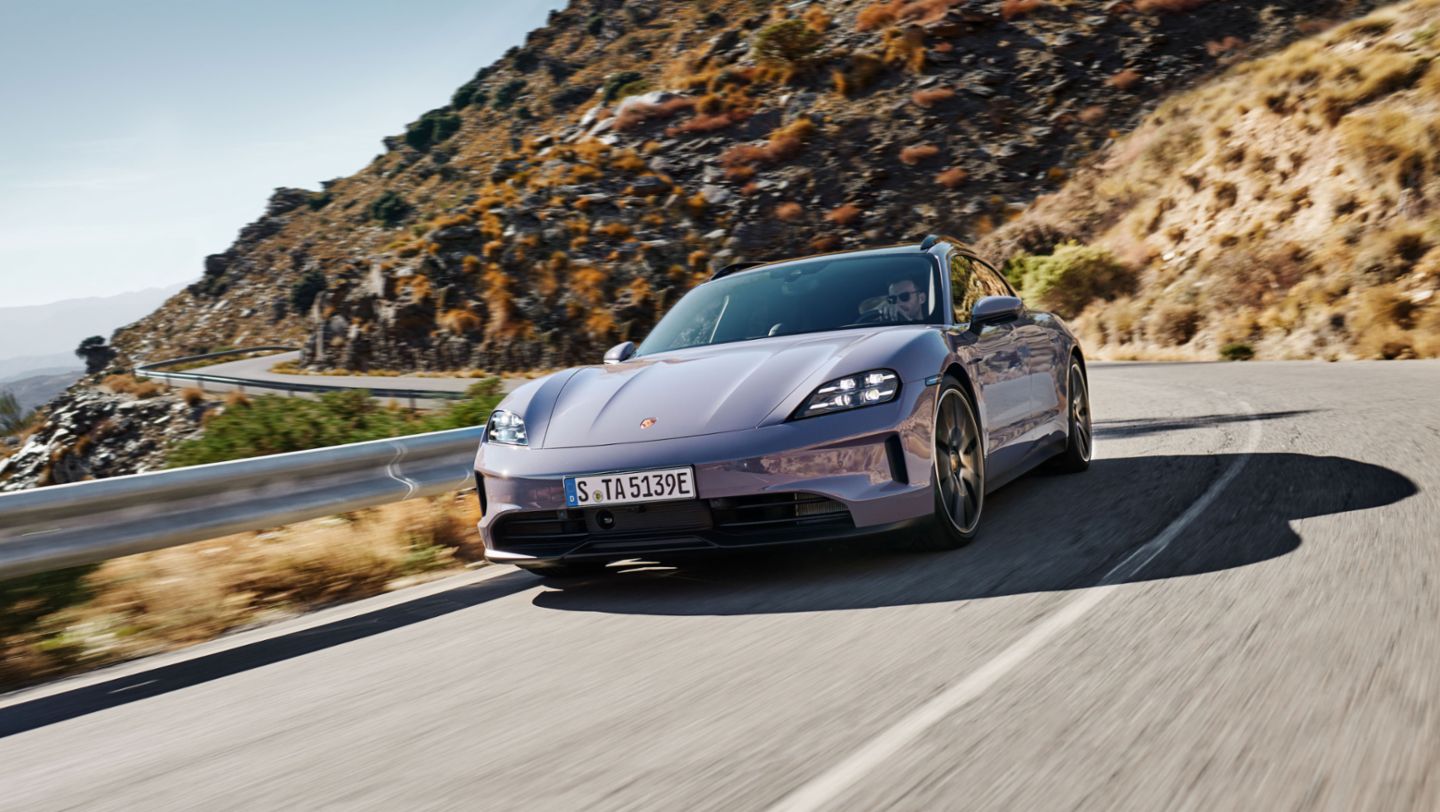
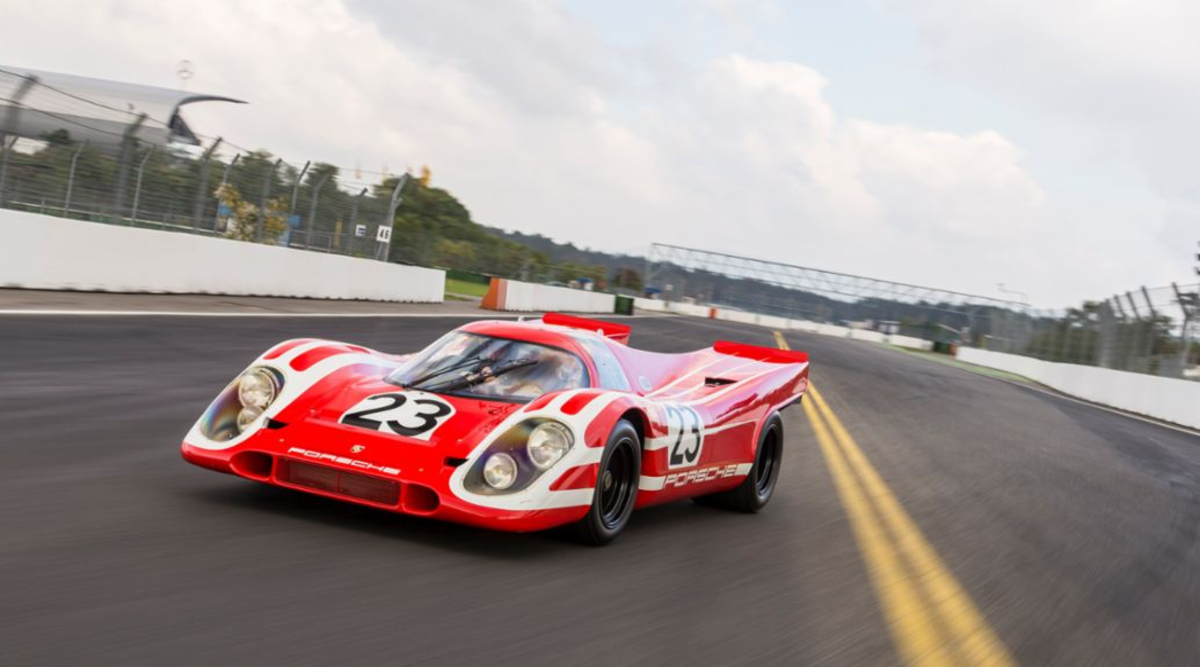
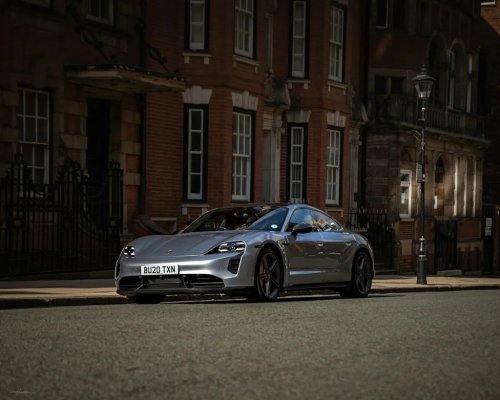
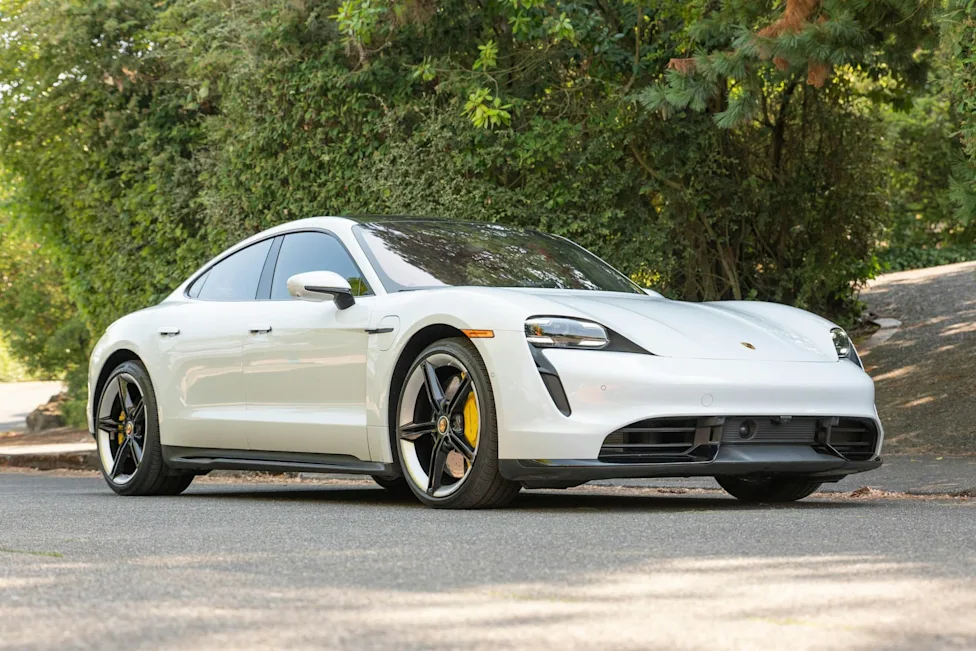
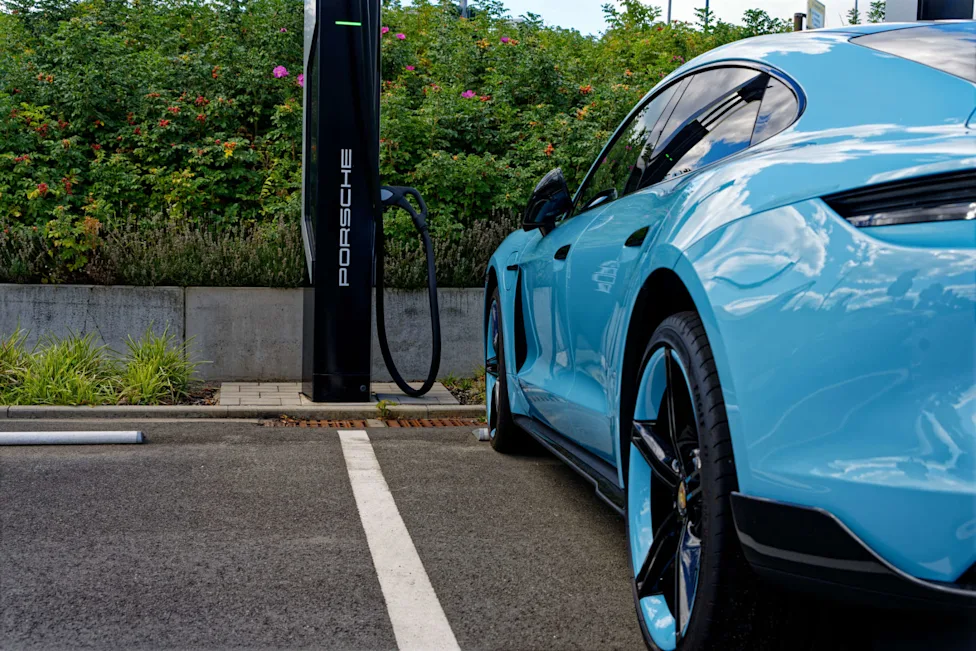
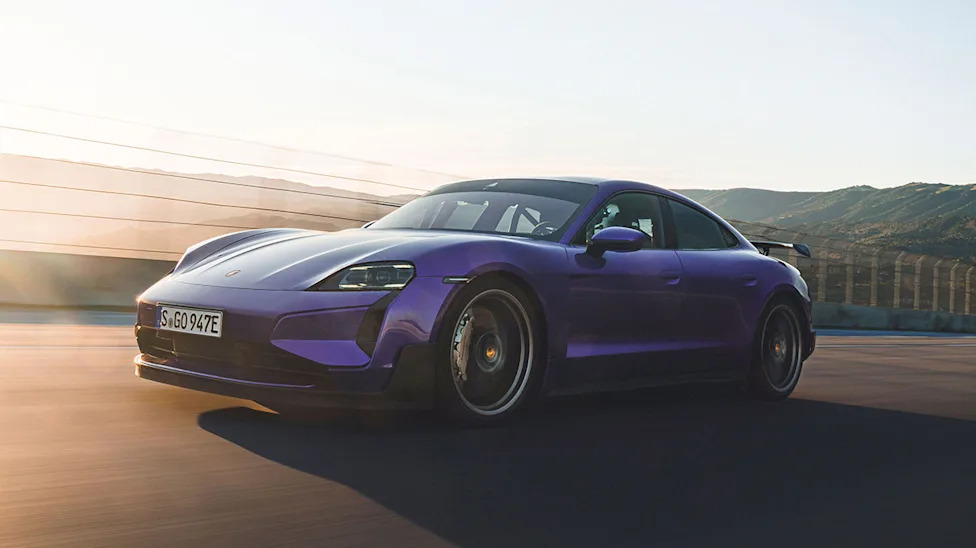
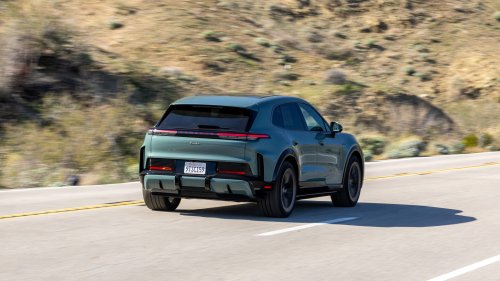
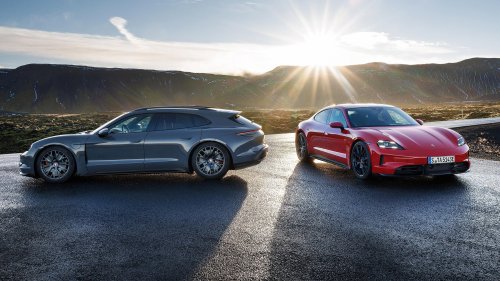
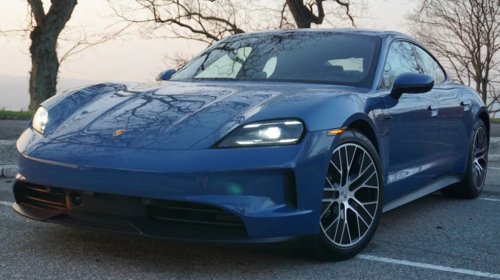
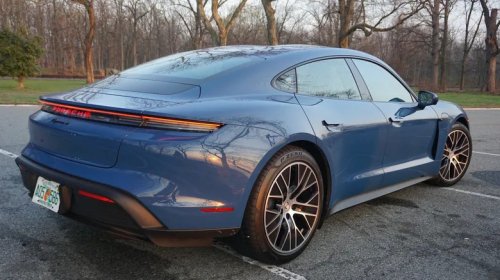
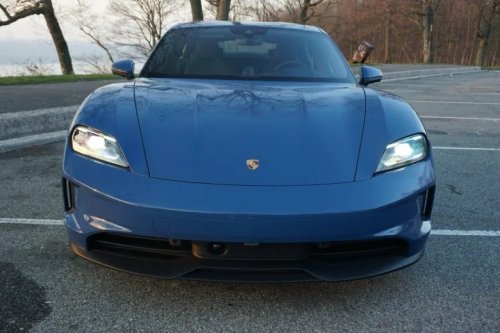
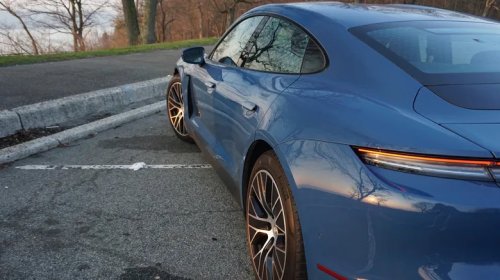
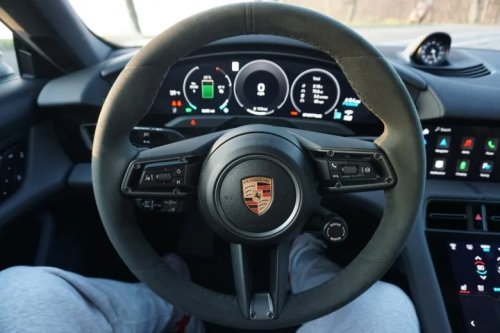
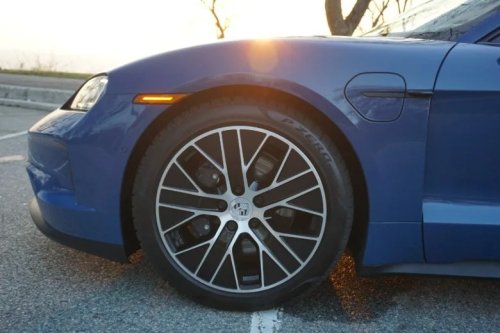
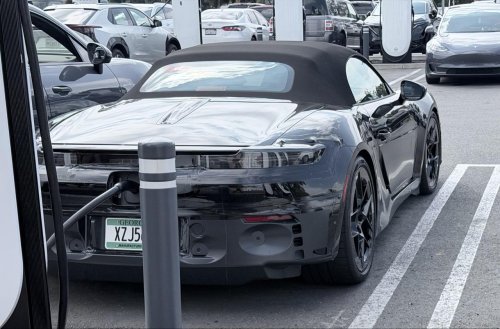
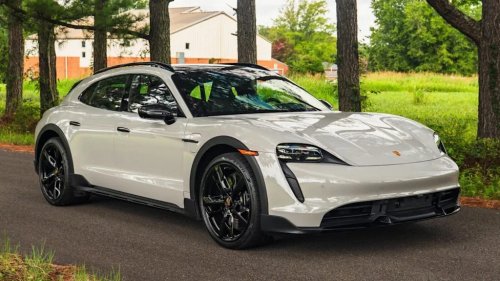
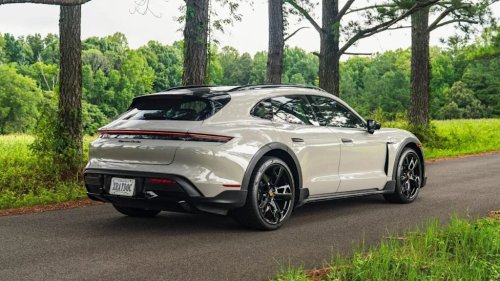
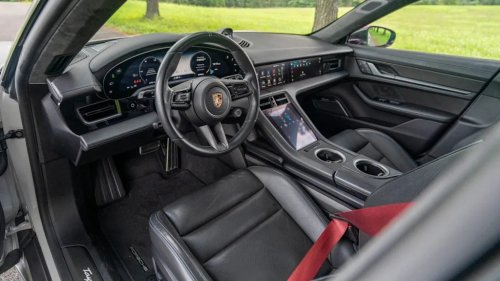
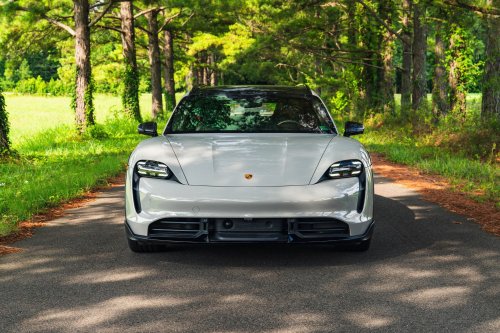
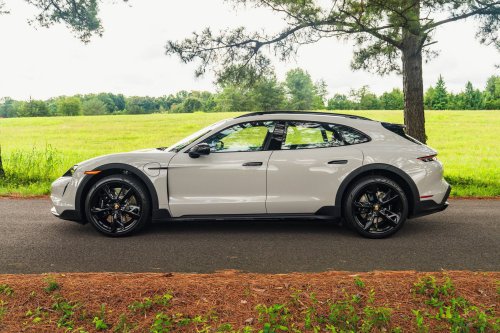
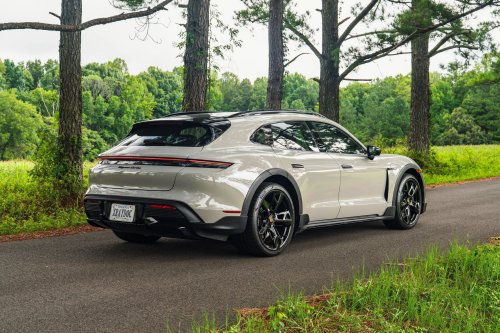
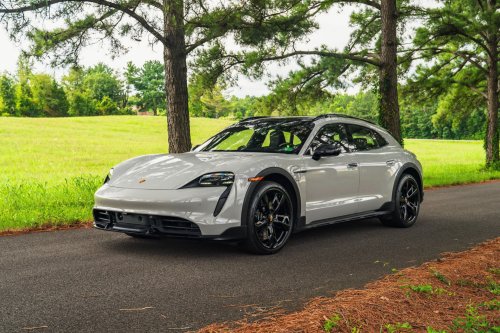
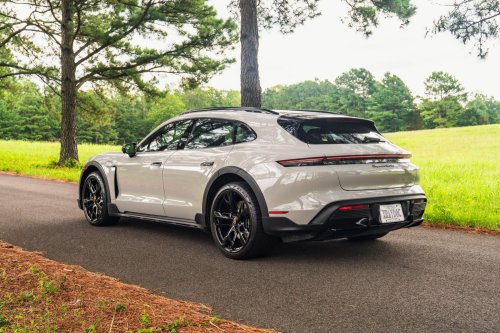
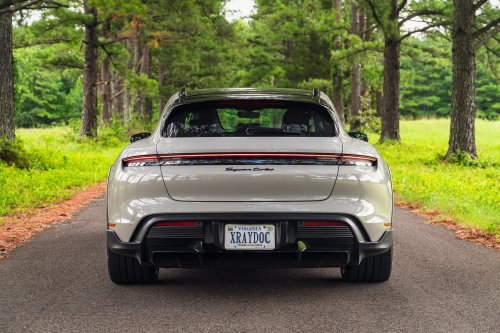
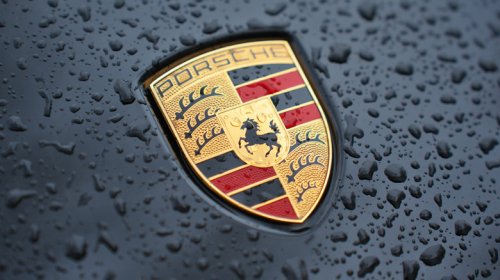
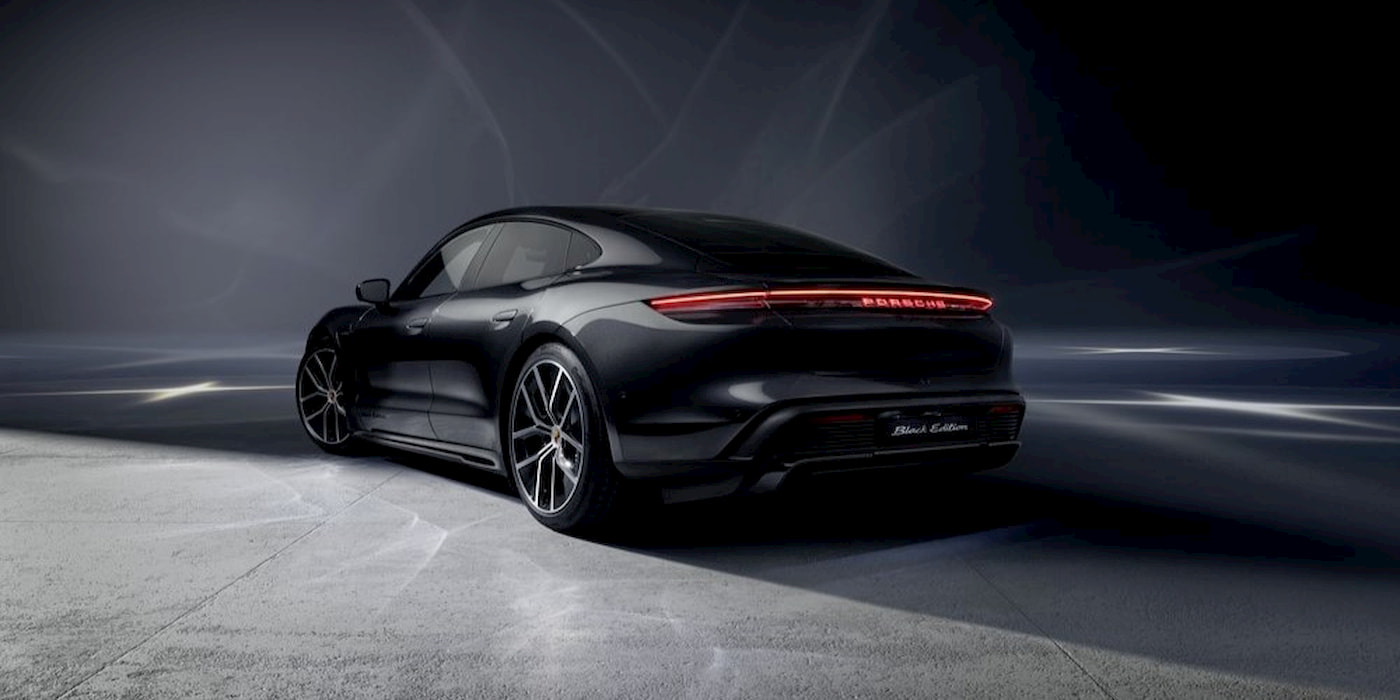
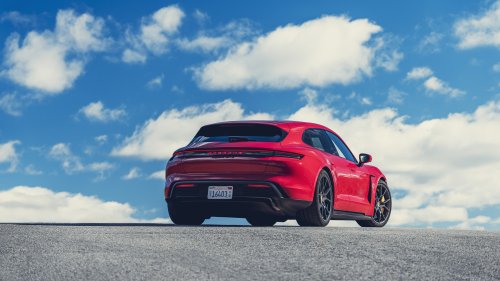
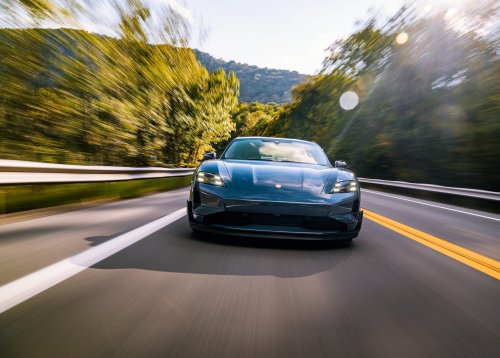
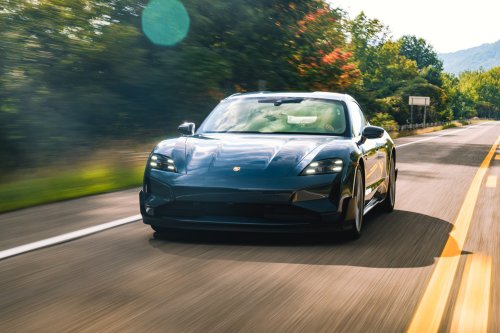
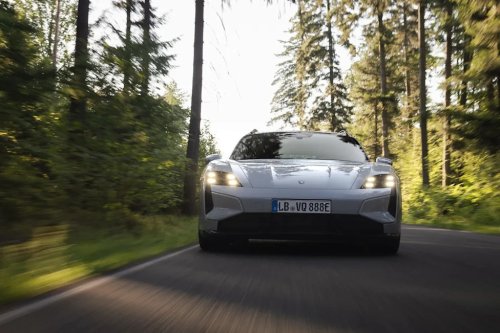
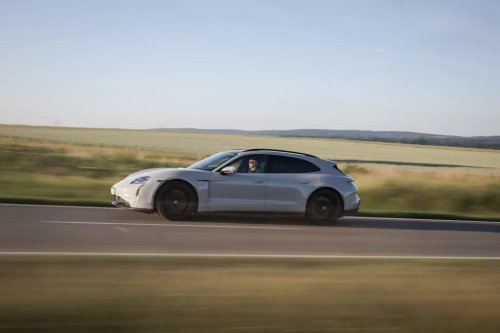
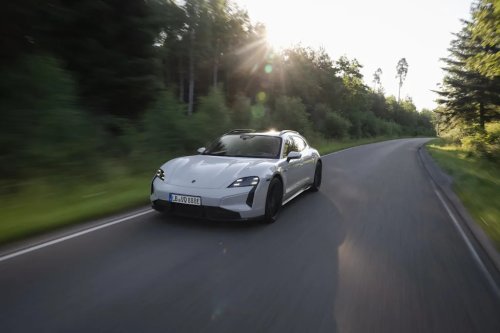
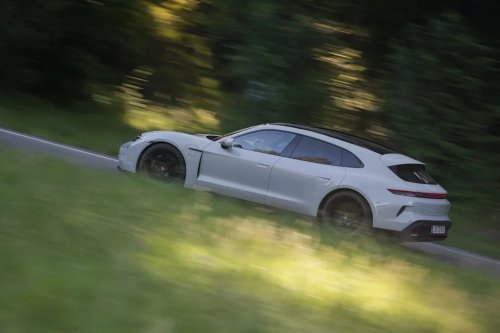
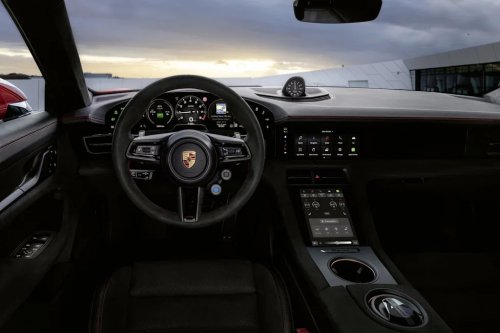
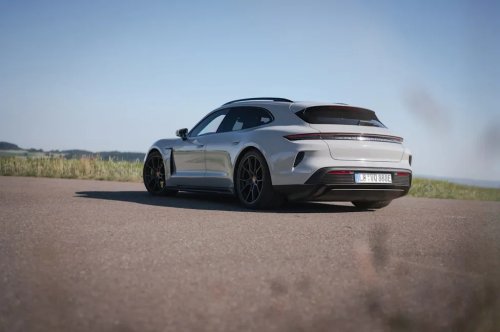
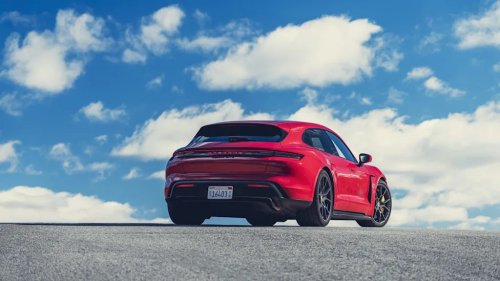
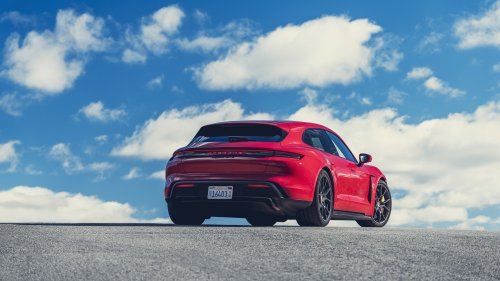
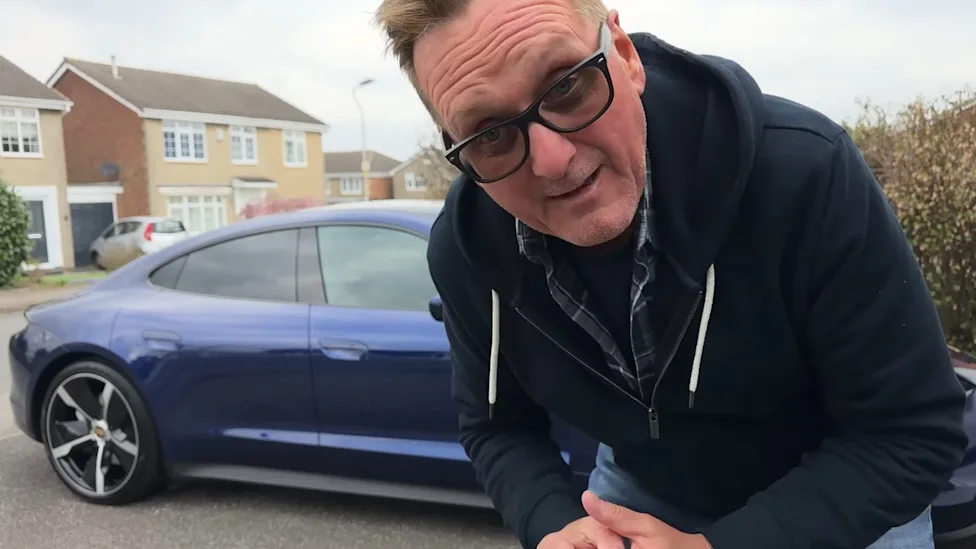
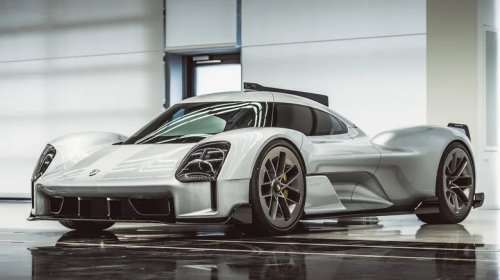
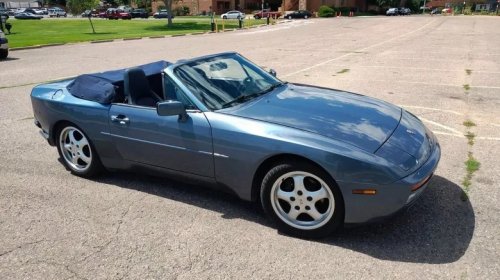
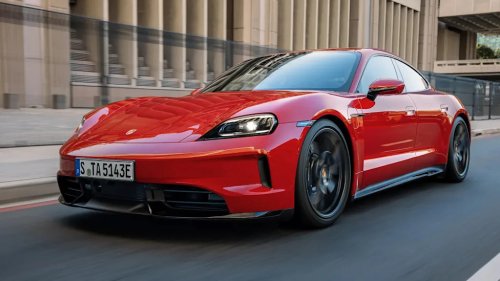
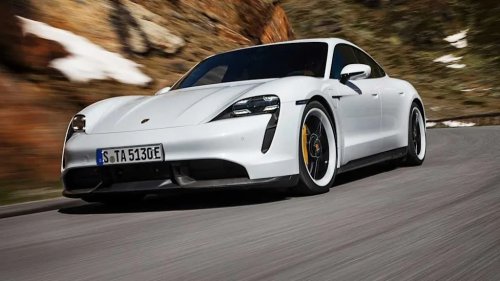
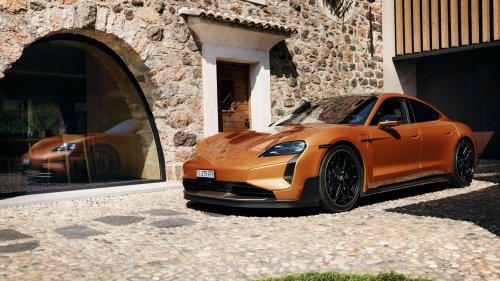
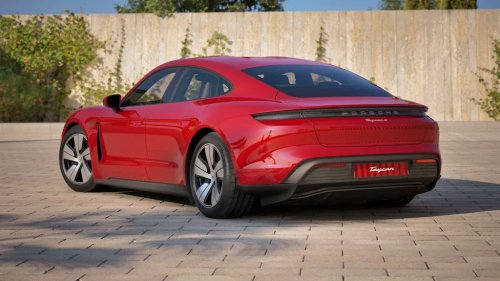
A decade ago, the automotive world was gaga over the news that Porsche had decided to move forward with the Mission E, the car that ultimately became the Taycan. The automotive world was over the moon with the news that mighty Porsche — the company that dominated Le Mans for years with its fearsome, all conquering 917 race cars — was picking up the gauntlet flung by Elon Musk when he challenged other automakers to build “compelling electric cars.” Porsche 917 Le Mans race car. Credit: Porsche Porsche was known to every automobile enthusiast as the maker of the vaunted 911 — a car that rewarded drivers who knew how to steer as much with the throttle as the steering wheel. It was a sports cars that most people could afford — if they were willing to stretch their budgets a bit. Even if they cost more than a Corvette, they were less expensive than the Ferraris and Lamborhinis of the day. And so, tensions were high before a pivotal meeting in 2015 at which Porsche management asked its workers whether they were up to the challenge of building a battery electric Porsche. The answer was a resounding “Yes!” The Porsche Taycan went on sale in 2019 and immediately became a hit in the marketplace. Its success helped the company to start thinking about other electric vehicles, such as battery powered versions of the its Cayenne and Macan models and the Panamera sedan. Development of electric versions of its 718 series cars — sold as the Cayman coupe and Boxster roadster in the US market — was hampered by the challenge of fitting a big battery into a small chassis. Just last week, Car and Driver claimed the long gestation period for those cars may soon be over and they are now expected to go on sale in 2027. Sad News From Stuttgart It came as somewhat of a shock last week when Germany’s business weekly WirtschaftsWoche reported that the Porsche works council, which represents the interests of the people who build the cars at Porsche, has agreed in principle with a plan presented by company management to end Taycan production. “The company has decided to phase it out by 2030,” the magazine said, citing company sources. According to Motor 1, the reported deal is not yet signed but sketches out a gradual winding down of production instead of a sudden exit. That would give Porsche several more model years to sell and update the Taycan. Global deliveries have dropped from about 41,000 units in 2023 to roughly 16,000 in 2025, with around 6,000 shipped in the first half of 2026 as buyers move toward electric SUVs. The rumors also landed just months after reports that Porsche wants to unify the Taycan and Panamera strategy, raising questions about whether a future electric Panamera might replace the Taycan outright. Many Reasons, One Result There are a number of factors affecting the decision to end production of the Taycan, First, Chinese manufacturers are now offering models that are significantly less money than the Taycan but with equal or greater performance. The Porsche crest on the hood carries far less cachet in a country that only recently discovered the delights of private car ownership for the masses. As a result, sale in China are well below expectations. Second, the US is a major market for Porsche, but a combination of lower interest in electric cars, thanks to the current administration’s opposition to EVs, together with higher import tariffs has resulted in sharply lower sales for all Porsche vehicles in the US. Taken together, sales declines in two of its primary markets has led to a 90 percent reduction in profits for the company this year. That kind of economic pain is primarily what caused the company to do a radical rethink of its production plans. Platform Whack-A-Mole Sharp eyed readers will note, however, that Porsche has not said there will be no replacement for the Taycan, at least not yet. Volkswagen Group has been struggling to develop competitive platforms for its various electric cars for well over a decade. The Volkswagen brand began with the MEB platform, which was going to be replaced with the SSP platform. But SSP was delayed several times, and so the Volskwagen brand transitioned to the MEB+ platform. Meanwhile, Audi and Porsche have developed the PPE 800 volt platform that is the basis for several Audi models. The Taycan, however, is built on the J1 platform, which is now so old it is practically a relic. What was once state of the art back in 2015 is yesterday’s news. When Herbert Diess was the head honcho at Volkswagen, he spearheaded the Trinity program, which was intended to form the basis of all future electric cars from Volkswagen Group. Diess got ousted, but his vision was not entirely eliminated and is now called SSP — one platform to rule them all! Once scheduled to appear in 2025, its debut has now been pushed back until 2028 at the earliest and possibly longer. So….the Taycan we know and love is ending production in 2030. The new all conquering EV platform from Volkswagen is being perfected as we speak and will be ready to go by the end of this decade and possibly sooner. Idle Speculation Is that enough information to speculate that a Taycan successor is in the works, or is that a bridge too far? We don’t know, because we still depend on teletype machines at our global headquarters for news from the outside world. But our readers are all above average and so we ask you, what do you think? Is Porsche playing its cards close to the vest here or will the Taycan really be relegated to being a museum piece in Stuttgart? Here’s one interesting side note, as long as we are talking about the Taycan. I never have known what the name means, but while researching this story, I went to Wikipedia and found this bit of history. “The name Taycan is a reference to the steed on the coat of arms of the city of Stuttgart that is found on the Porsche crest. In Turkish, tay means colt or young horse, and can means lively.” That’s interesting and I’m glad I learned about the derivation of the name before the car goes out of production!