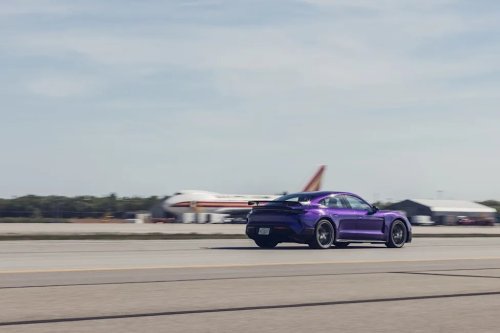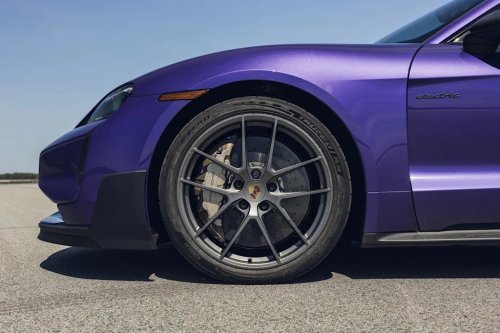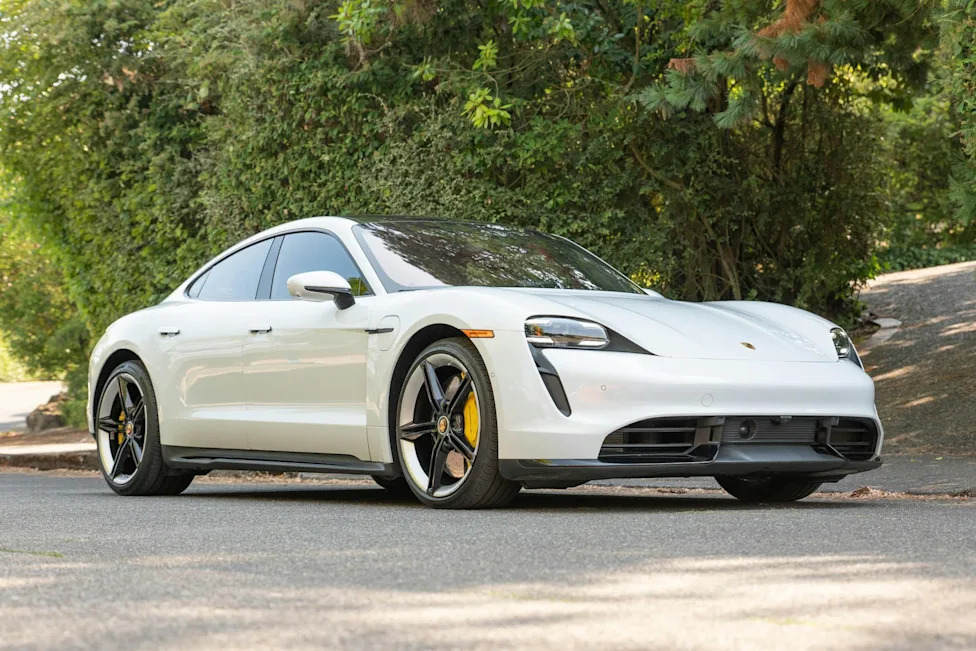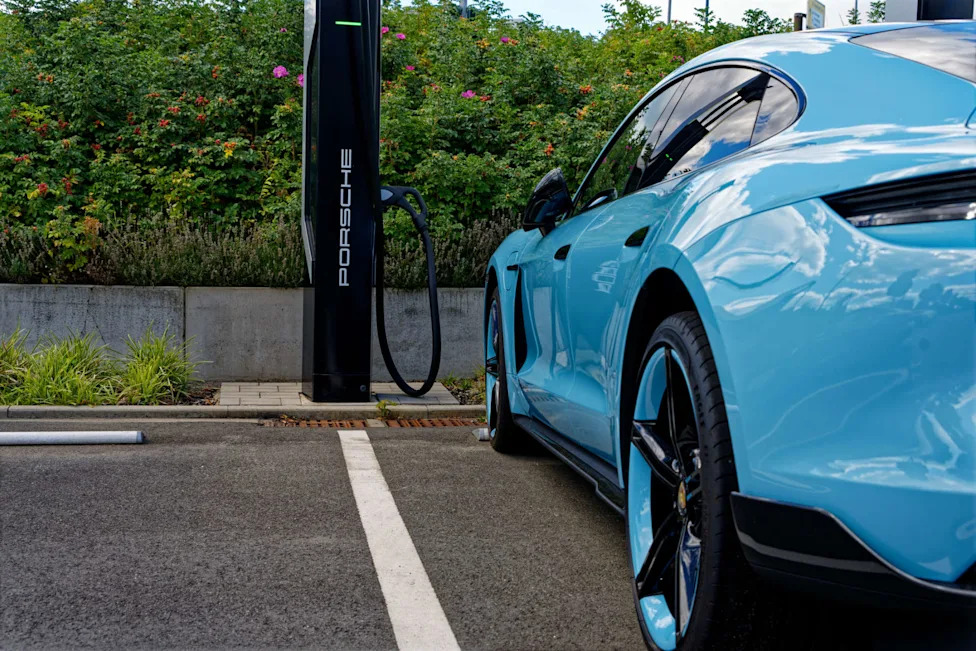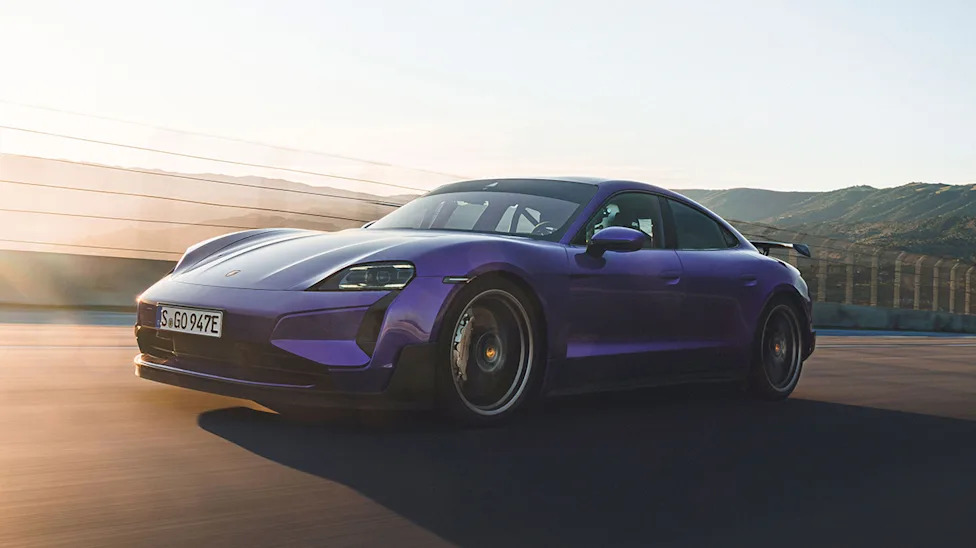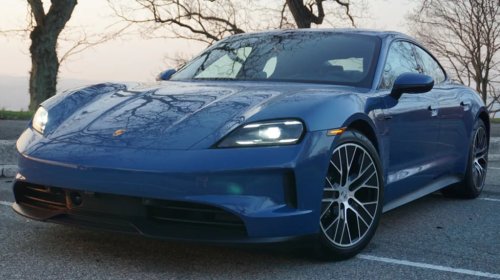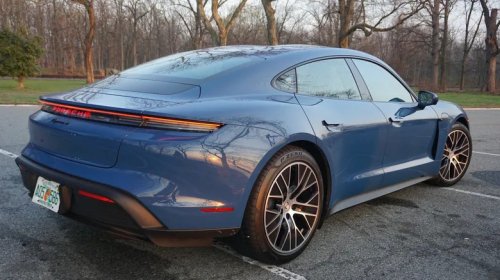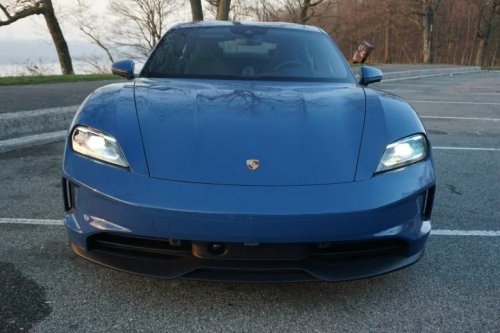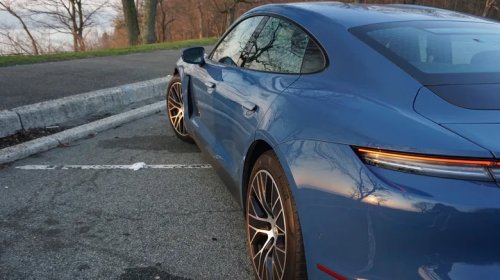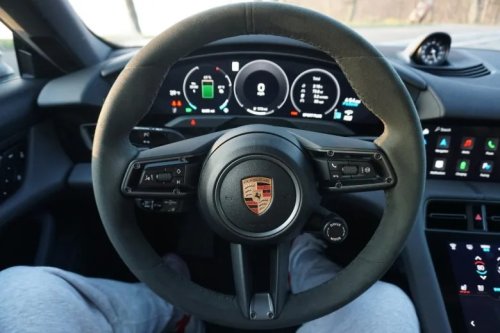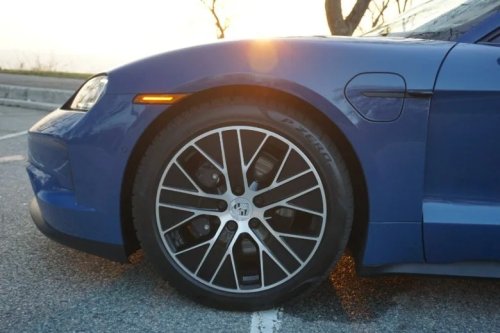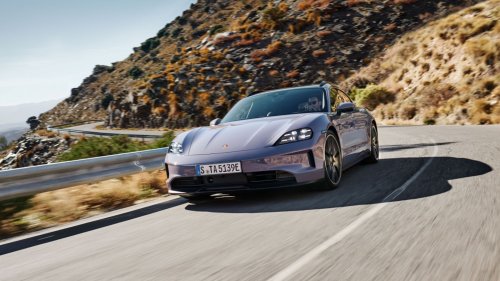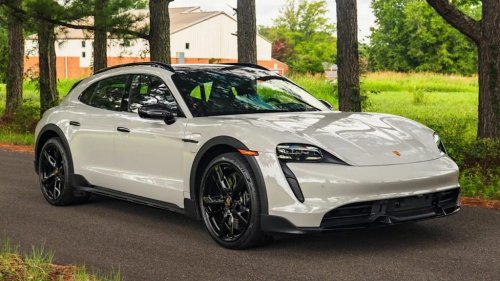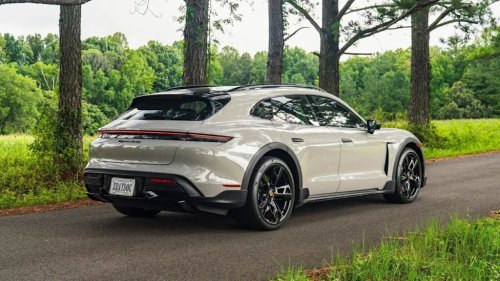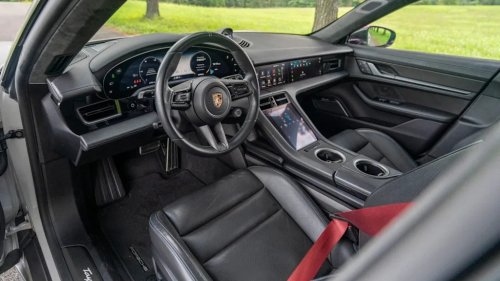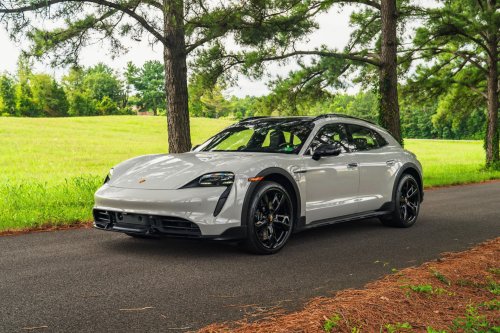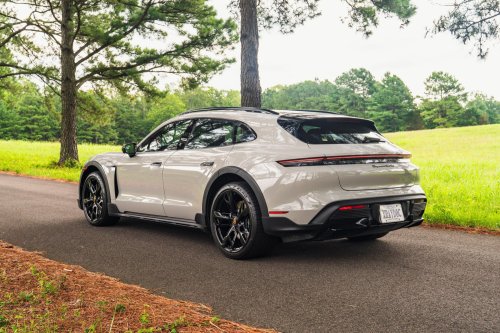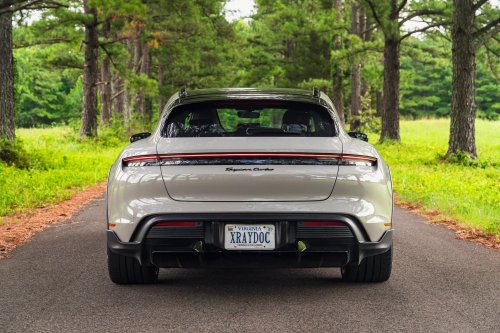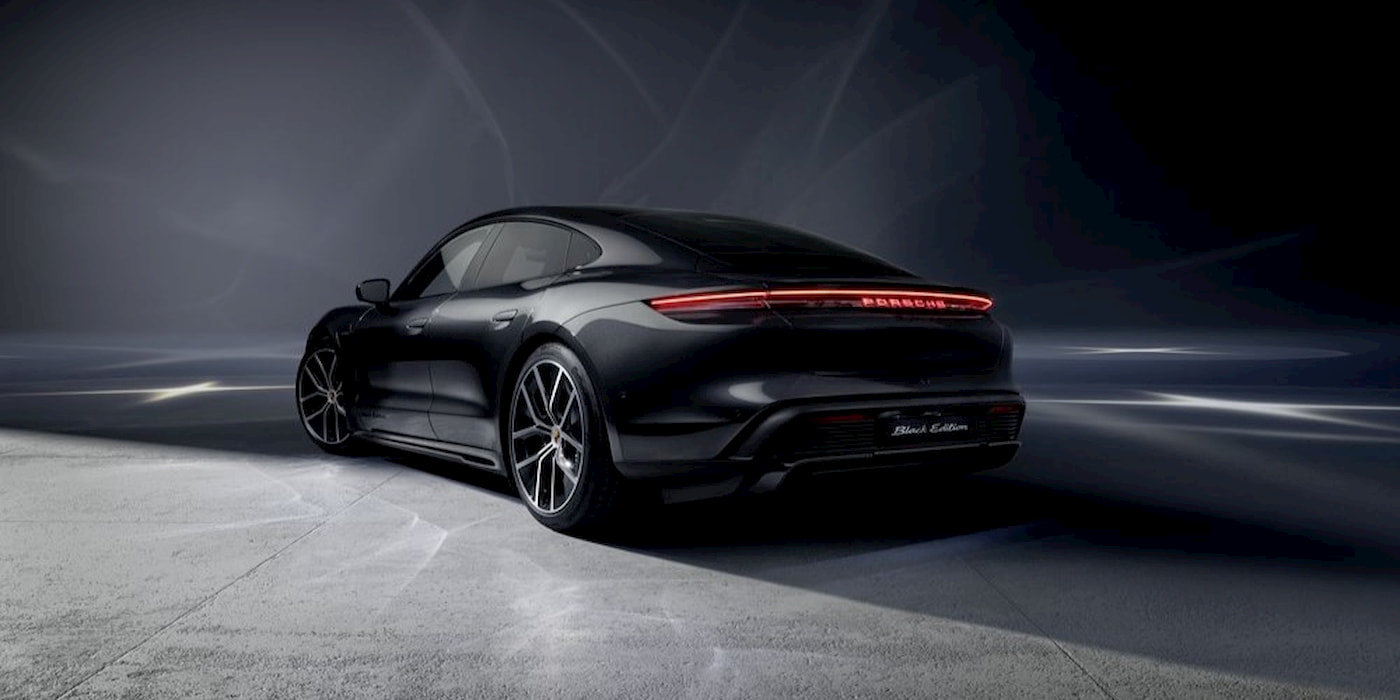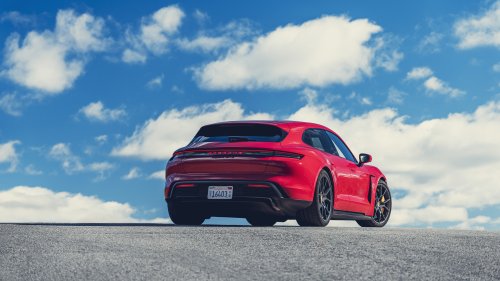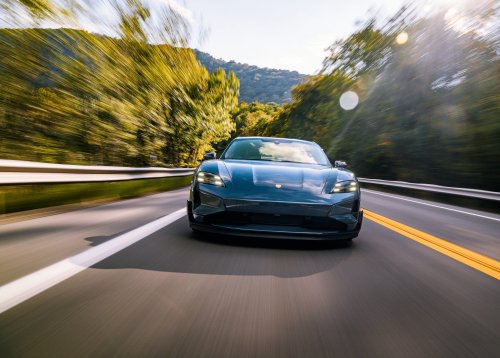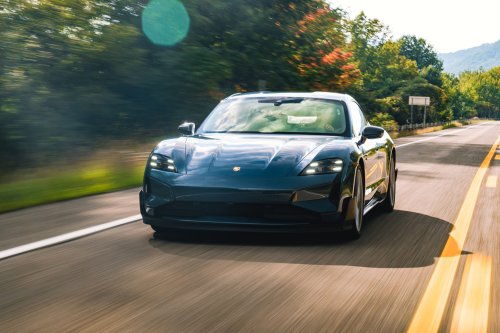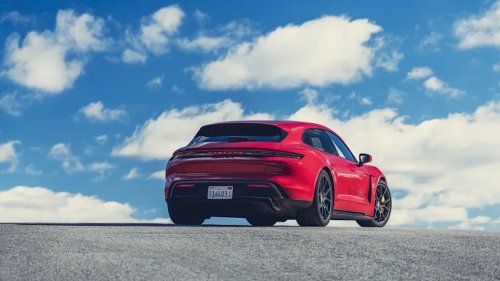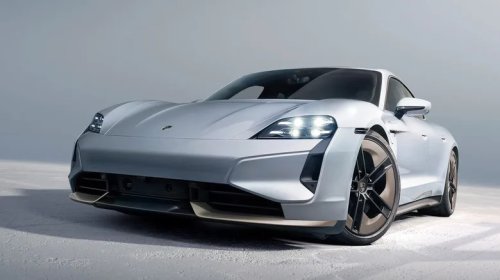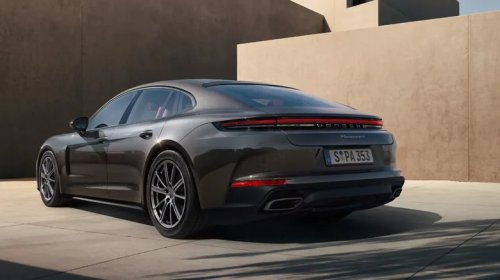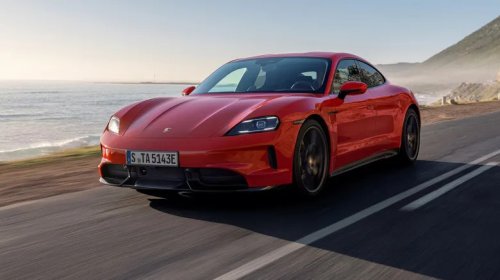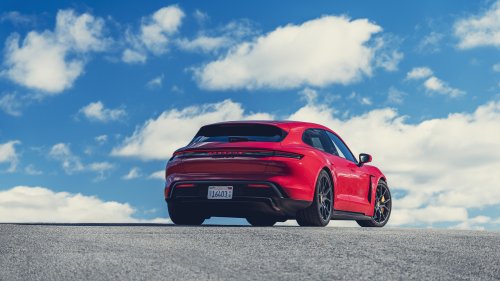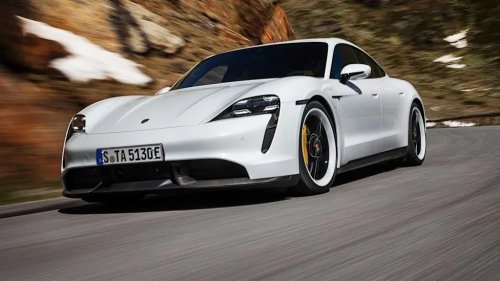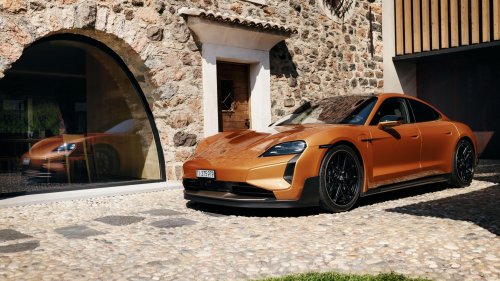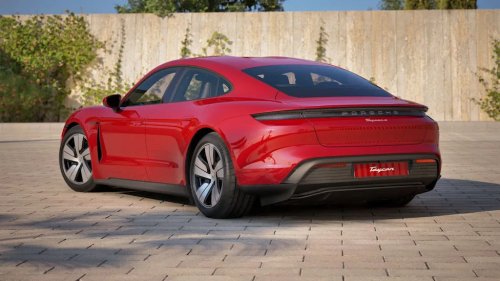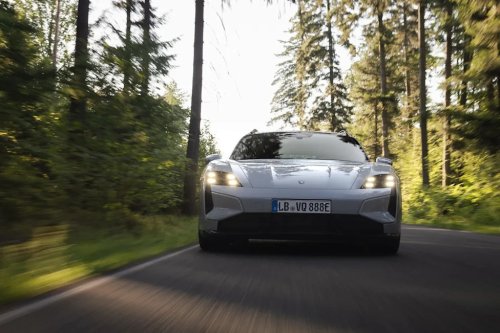
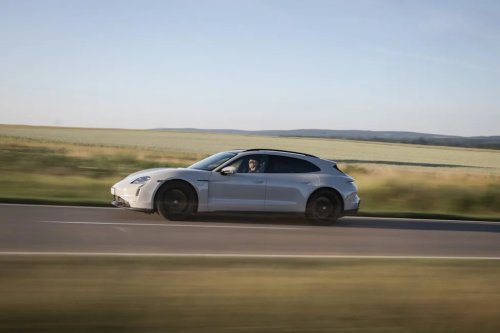
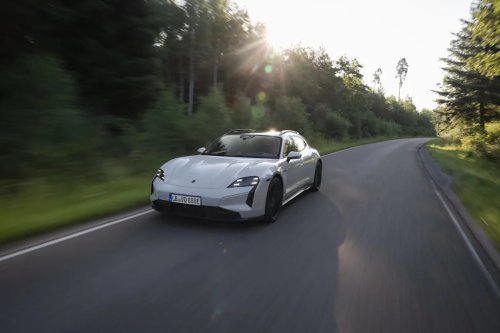
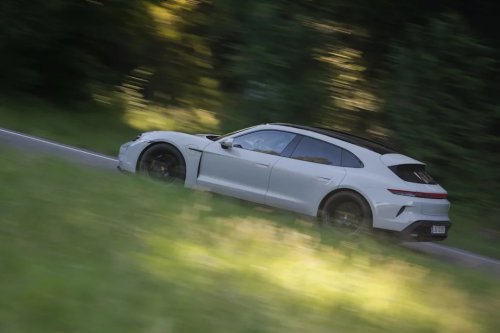
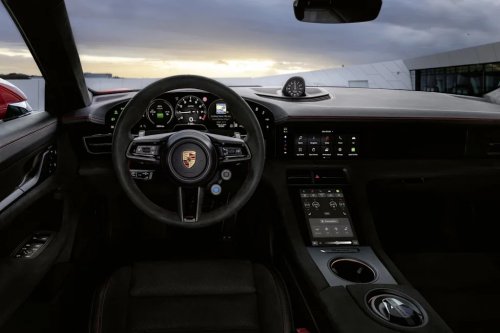
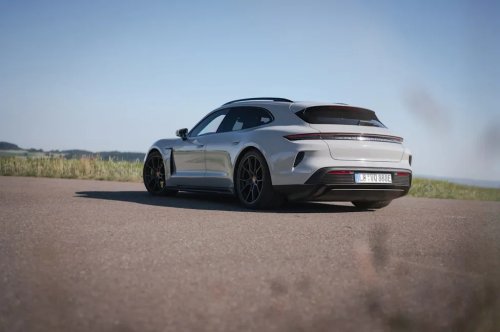



















The 2027 Porsche Taycan Turbo S Is Sharp as EverRossen GargolovThe Porsche Taycan was once Stuttgart's hottest property, the EV that pretty much got buyers forming lines when it was launched for 2020. Much has changed since then, with Porsche tripling its all-electric range to include the Macan Electric and new Cayenne Electric. The Taycan already got a major technology enhancement in 2024, adding more range and performance across the board. For 2027, it gets another one. Is it enough to keep it ahead of competitors?Our expert editors test every vehicle we review. Read more about how we test and review cars here.The LowdownRossen GargolovThe Taycan has used the same core chassis since its launch but has already received multiple revisions. For 2027, the biggest upgrade is Porsche's electronic virtual gearchange system, E-Shift, which does a convincing impression of changing between real ratios. A more significant enhancement for everyday use is the standardization of Porsche's 105-kWh battery across the entire lineup. Infotainment software has also been improved and streamlined, and the addition of a NACS DC fast-charging port, which allows owners to use Tesla Superchargers, is another useful update for 2027.AdvertisementAdvertisementVehicle Tested: 2027 Porsche Taycan Turbo SBase Price: $223,750Price as Tested: $223,750Location: Stuttgart, GermanyMore SpecsPowertrain: 2 electric motors, all-wheel drivePower: 764 hp continuous, 938 hp overboostTorque: 818 lb-ft0–60 mph: 2.3 sec (mfr est)Battery Capacity: 105 kWhWeight: 5082 lb (mfr est)Range: 298 miHow Does It Drive?PorscheWinding through the suburban lanes of Pforzheim, Germany, the Taycan Turbo S is short of space to show off its mighty performance. With 764 hp always available, accompanied by up to 818 lb-ft of torque, only brief spurts of full-throttle action were prudent on public highways.The Turbo S is the second-fastest Taycan under the maxed-out Turbo GT. Acceleration is naturally ferocious under wide-open throttle; a 2025 Cross Turismo obliterated the 0–60-mph sprint in just 2.2 seconds during Hearst Autos testing, and although the longroof variant has been discontinued for the U.S., the performance of the hatchback is similar. But the Taycan Turbo S provided a sense of linear power delivery under less throttle pressure too. I had no difficulty maintaining a safe, legal cruising speed of over 100 mph on a derestricted section of autobahn using only light pressure from my right foot.AdvertisementAdvertisementPorsche has proved consistently able to deliver similar driving dynamics seemingly regardless of a car's body style or size. The 2027 Taycan exemplifies this characteristic, with steering precision and initial responses on a par with the brand's more focused sports cars. Low-speed reactions and maneuverability are excellent while high-speed stability is lash-down. As before, the Taycan is a rewarding sedan to pilot through twisting back roads, offering precise apex taking and limited (but enjoyable) feedback through the steering wheel. Braking performance has always been one of the Taycan's strengths, and that remains true, with the pedal delivering powerful retardation and no sense of when this switches between regeneration and mechanical braking.PorscheThe E-Shift system works in both simulated automatic and manual modes, both of which deliver shift severity that corresponds with the selected drive mode. Once E-Shift is engaged, the Taycan's instrument cluster transforms with a rev counter and a gear-position indicator, although the rpm being reported is a figure that corresponds to what a combustion engine would be doing, not the speed at which the electric motors are actually turning.The results are convincingly close to one of the brand's PDK dual-clutch transmissions doing its thing. Simulated shifts are snappy, and I appreciated the realism of being able to hit a (synthesized) rev limiter. My only criticism was that downshifts didn't slow the two-and-a-half-ton Taycan as quickly as I would like. But there was plenty of fun in launching the all-wheel-drive Turbo S with the full 938 hp allowed by its limited-time overboost function and attempting to grab second "gear" at the perfect time.Everyday driving in the Taycan remains pleasant as well. The Turbo S's standard adjustable air suspension provided situationally appropriate ride quality—plush at highway speeds, firmer and more purposeful when I amped up the pace on a back road. The Taycan still manages to feel smaller and lighter than it is, with the commendably low seating position making this a rare EV that a driver sits in, not on.What's It Like to Live With?PorscheThe Taycan Turbo S comes well appointed, as it should, considering its price. Standard equipment includes 18-way adjustable sport seats, a 14-speaker Bose surround-sound audio system, and the Sport Chrono package (complete with the dashtop clockface).AdvertisementAdvertisementAll 2027 Taycans are fitted with a dual-screen infotainment system featuring an upper 10.3-inch display and a lower 8.4-inch screen, both touch sensitive. Porsche has updated the user interface with faster processing and smoother menu navigation. In practice, I found that this system worked flawlessly and noticeably quicker than the old one. Graphical enhancements include clearer layouts, minimalist icons, and some dynamic animations. Porsche has also included a 3-D model of the Taycan as the centerpiece of the infotainment stack for a bit of levity.While I didn't get the opportunity to charge the Taycan during my test in Germany, Porsche claims a range of 298 miles and a maximum DC fast-charging speed of 320 kW. That equates to a charge time of 18 minutes from 10 percent to 80 percent, or 33 minutes at a lower 150-kW charging speed. The addition of a passenger's-side NACS DC fast-charging port will significantly expand charging options too.Should I Buy One?PorscheIt's hard not to see the Taycan as the benchmark electric sedan, and even more so as a benchmark for electric performance vehicles as a whole. While the Turbo S test car's sticker price of $223,750 remains high, the virtues of the Taycan's exquisite steering and effortless performance are available at lower prices in lesser trims. Also, the democratization of the bigger battery pack means range is going up across the lineup.Despite that praise, the Taycan's future is not immediately clear. The basic car is getting long in the tooth, Porsche has already canceled several future electric models, and the market's appetite for expensive EVs is slackening, certainly in the United States. Given the arrival of the Macan Electric and the Cayenne Electric, Porsche's EV future might be SUV shaped. So the chance to buy a new Taycan might well be diminishing quickly.Highlights and LowlightsWe Love:The snappy, satisfying acceleration rate.The precise and rewarding steering.The unflappable handling at high and low speeds alike.We Don't Love:The steep price per horsepower.The removal of the Cross Turismo model.The busy digital instrument cluster.Favorite DetailPorscheIt may be a gimmick, but Porsche's E-Shift system is the strongest execution of a fake paddle-shifting system I've tried yet, albeit at a much higher cost than the one Hyundai offers as standard with the Ioniq 5 N. The future may be void of manual transmissions and hydraulic steering, but paddle shifting may stick around forever.AdvertisementAdvertisementYou Might Also LikeIf You Can Only Own One Car, Make It One of TheseThese Are the Most Popular Cars by State