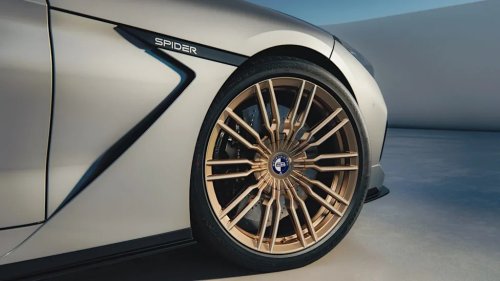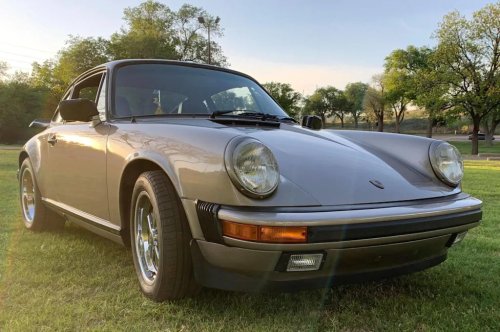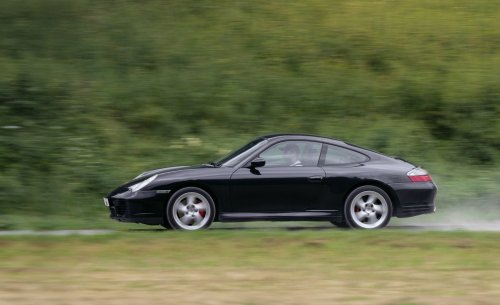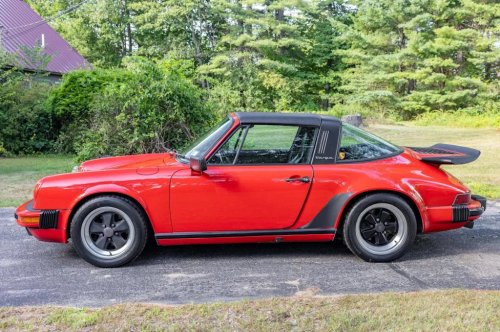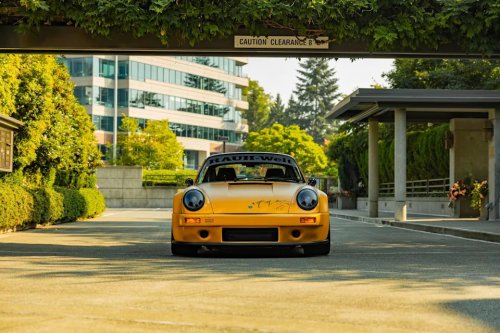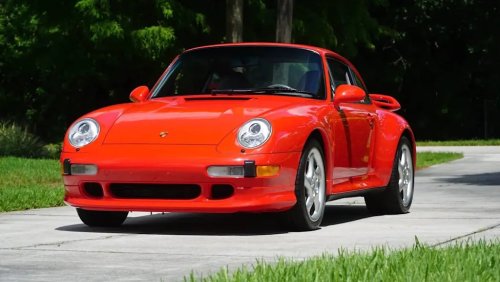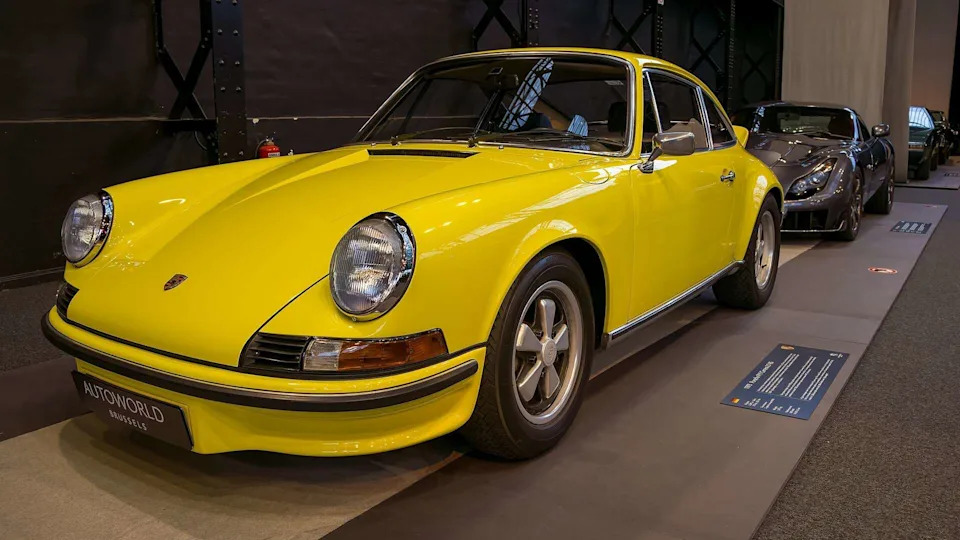
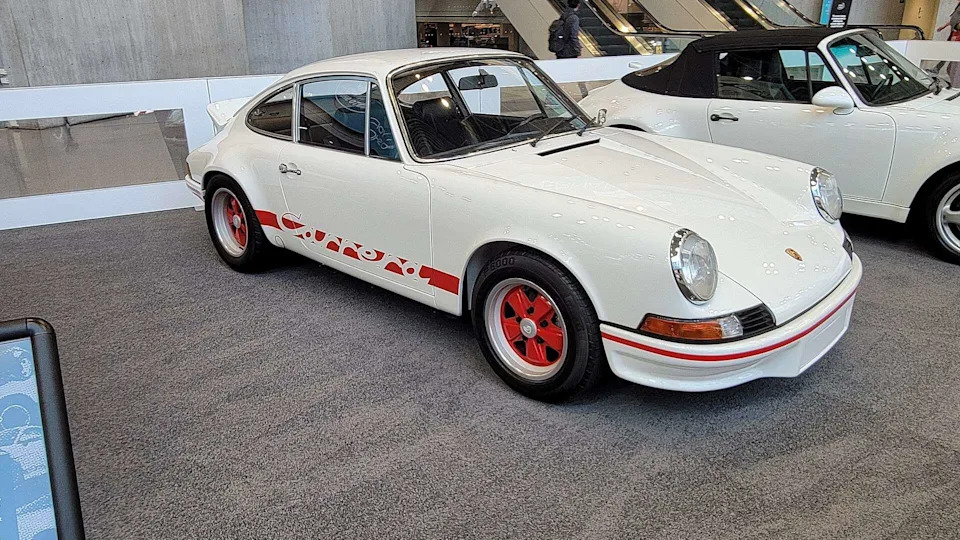
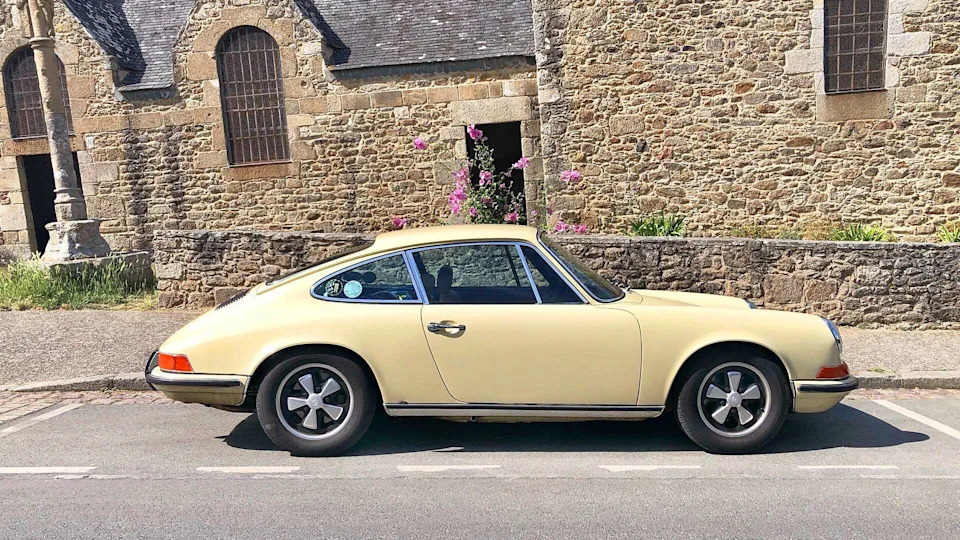



















A Porsche 911 Carrera RS 2.7 buyer will spend most of the inspection on the engine number, the body shell and the paperwork. The wheels get a glance. That is a mistake, because Carrera RS 2.7 Fuchs wheels are the one component that can quietly confirm or undermine a car's originality, and they are the easiest part of the story to swap without anyone noticing.A Carrera RS 2.7 on its forged Fuchs wheels. Photo: Clemens Vasters, CC BY 2.0, via Wikimedia Commons.Why the Carrera RS 2.7 Fuchs wheels matter more than they lookThe forged Fuchs wheel debuted on the 911 S for the 1967 model year. It was styled by Porsche's Heinrich Klie and manufactured by Otto Fuchs, and it was a genuine piece of engineering: a one-piece forged aluminum design that was light, strong and good for brake cooling. On the Carrera RS of 1972 and 1973 it became part of the car's visual identity, and today it is one of the first details people look at in photographs.That visibility is exactly the problem. A wheel that looks correct is not necessarily the wheel the car left the factory with. Fuchs wheels are widely reproduced and restored, a set can be refinished by a shop that never kept the originals, and the markings that identify an original wheel can themselves be faked. Specialists who write about early Porsche wheels say as much, advising buyers to consult an expert on whether a given wheel is appropriate, genuine and original, and noting that stamps and numbers can be reproduced.What the market is actually paying forHere is the distinction that matters for value. A car sold as original is making a claim about every component, and in a market where the best Carrera RS examples are priced as blue-chip assets, buyers and their advisors tend to price in doubt. A car with its original, date-correct wheels carries one fewer question. A car with replacement or unverifiable wheels invites a discount negotiation, even when everything else checks out. That is market interpretation rather than a published pricing rule, but it follows the pattern we have seen on other marques, where small, checkable details decide whether a car is read as untouched or merely restored.The same logic applies across the 911 family. The wheel is not what separates an RS from a 911 T of the same year, but it is one of the things that tells you whether the car in front of you has had one careful owner or several creative ones.A 1973 Carrera RS 2.7 in profile; the wheel finish is part of the car's originality story. Photo: Charles from Port Chester, CC BY 2.0, via Wikimedia Commons.What buyers should verify before purchaseTreat the wheels as an audit, not a glance. Before money moves, work through these checks, ideally with a marque specialist who has handled authentic RS wheels:Date stamp against the build date. Every original wheel should carry a production date stamp that precedes the car's build date by a plausible interval. A wheel dated after the car left the factory was fitted later, whatever the seller says about it.Part number and width by corner. The standard RS 2.7 road car ran narrower wheels at the front and wider at the rear. Confirm that each corner carries the correct part number for its width, and that the two fronts and two rears are consistent with each other.Four wheels, one story. Check whether all four wheels date to the same short window. A set with one or two outliers has probably been mixed, which is common and not fatal, but it is a negotiating fact.Stamps that look right and are not. Stamps and numbers can be reproduced. Look at font, depth, spacing and whether the stamping sits cleanly under the finish or was struck after refinishing.Refinishing and polishing history. Ask what was removed during stripping and refinishing. Aggressive polishing, sanding of the spoke faces or recutting of the lip changes the wheel. Look for evenly applied paint, intact edges and any evidence of repair or straightening.Center caps and cap-hole detail. Early and late Carrera RS wheels differ in cap detail, so confirm the cap style and hole pattern fit the car's production period.Tire and rim condition. Check for curb damage, cracks near the hub and corrosion at the bead seat. A wheel can be perfectly correct and still be unsafe to drive on.Paper that connects the wheels to the car. Look for photographs, restoration invoices, prior auction listings or marque-specialist inspection reports showing which wheels the car wore and when.If the seller cannot answer the first three, assume the wheels are not original and price the car accordingly. That is not a reason to walk away. It is a reason to know what you are buying.Restored, replaced or original: what each choice does to valueOriginal wheels in honest, used condition are not the same as original wheels that have been restored properly, and neither is the same as a correct-looking replacement set. A well-documented restoration by a specialist can be perfectly acceptable, and many top cars have had wheels refinished. The problem is undocumented work. If the finish has been redone, the question is who did it, what was preserved, and whether the stamps survived. A wheel that has lost its identifying marks to over-zealous refinishing is no longer evidence of anything.A 1973 911 T on Fuchs wheels: the same wheel family, a very different value conversation. Photo: Rundvald, CC BY-SA 4.0, via Wikimedia Commons.The takeaway for sophisticated buyers is the same one that applies to the numbers on a block or the tag on a fender. On a 911, the engine number tells you what the powertrain is; the wheels help tell you whether the rest of the car has stayed true to it. We have made the same argument about Corvette matching numbers, about Jaguar E-Type stamps and certificates, about the Hemi 'Cuda broadcast sheet and about the Mercedes Pagoda body number. The pattern holds: the details nobody photographs are the ones that settle the argument.Sources for the historical facts about Fuchs wheel origins and sizes: Road Scholars and Porsche Classic. Market commentary is MCC's interpretation, not a published valuation.Get the free Collector Car Market Brief: auction results, price moves and what's crossing the block, in your inbox every weekday morning. Sign up at moderncarcollector.com/briefFollow our Instagram page and follow us on Facebook.