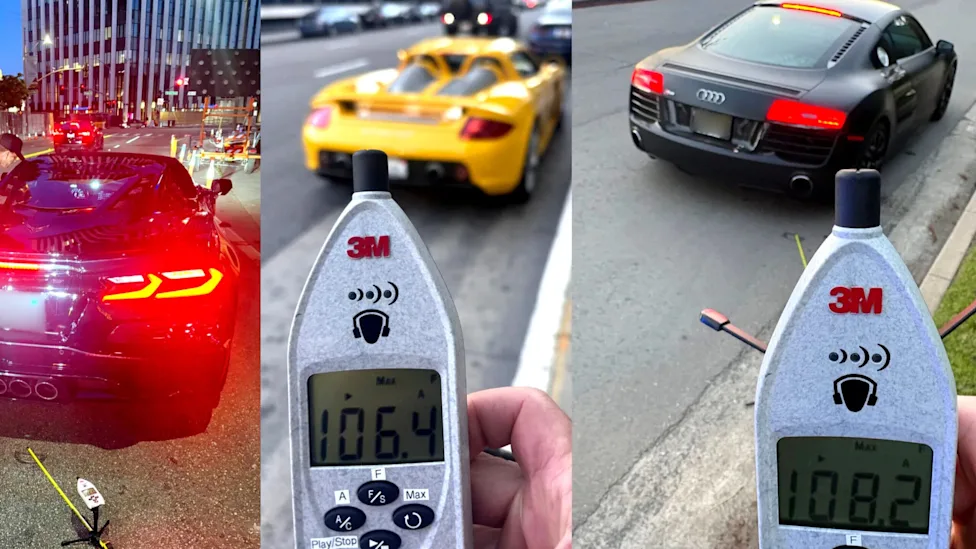
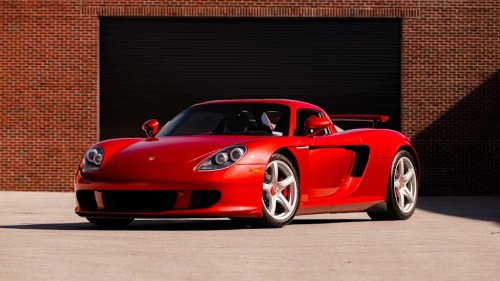
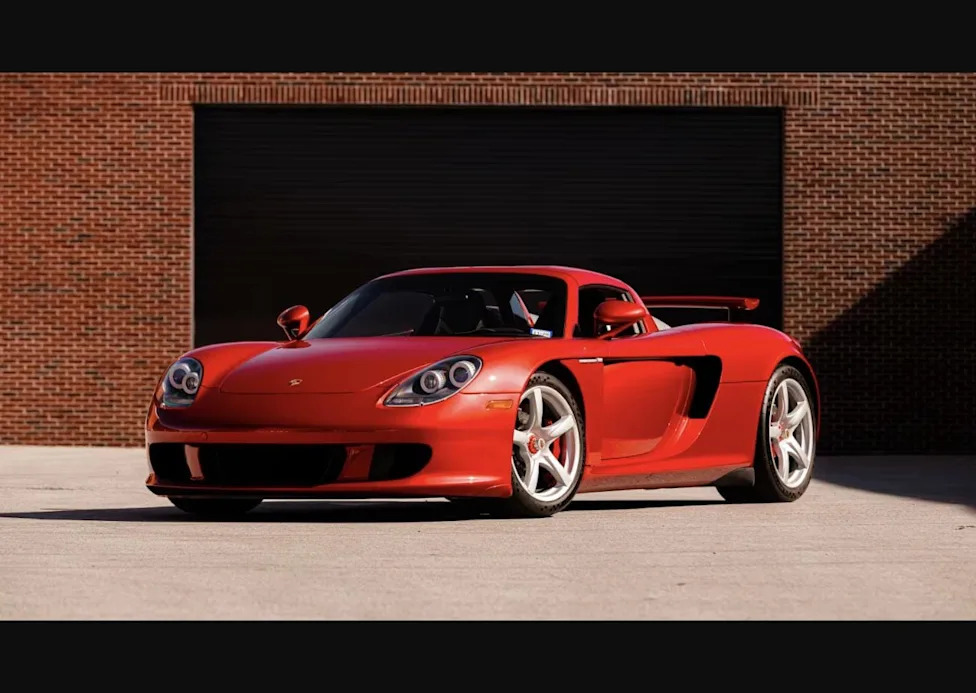
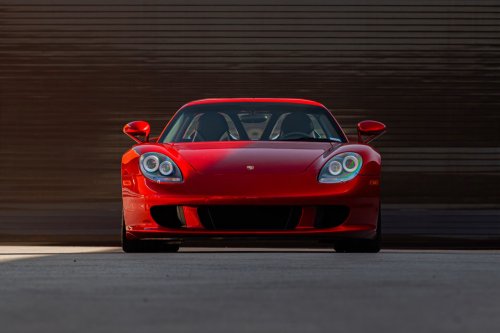
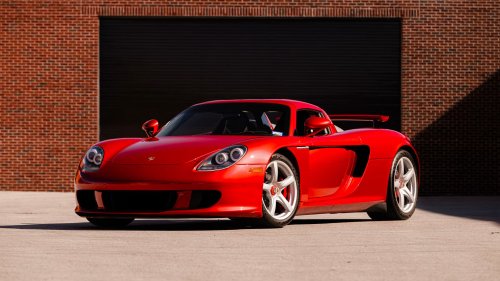
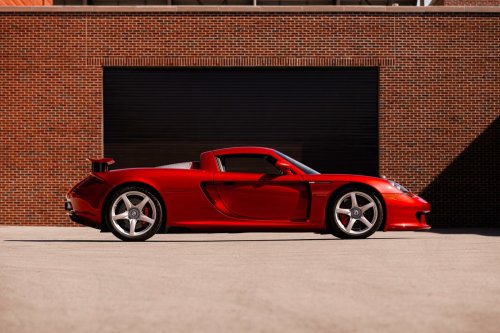
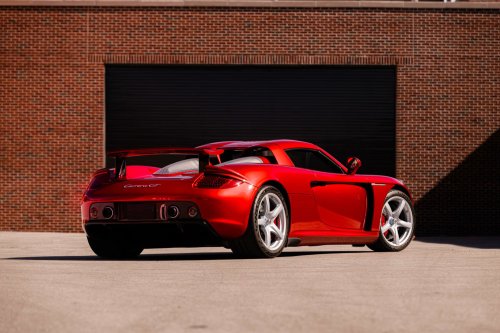
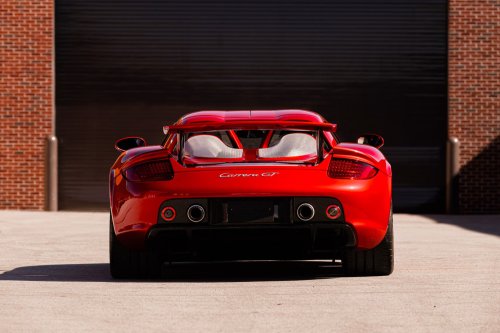
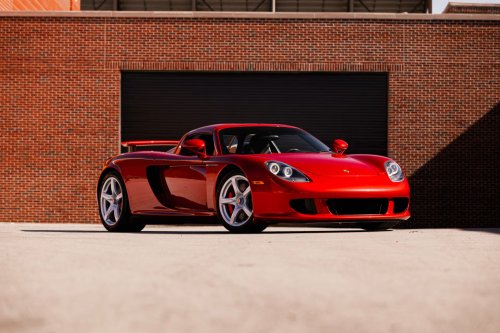
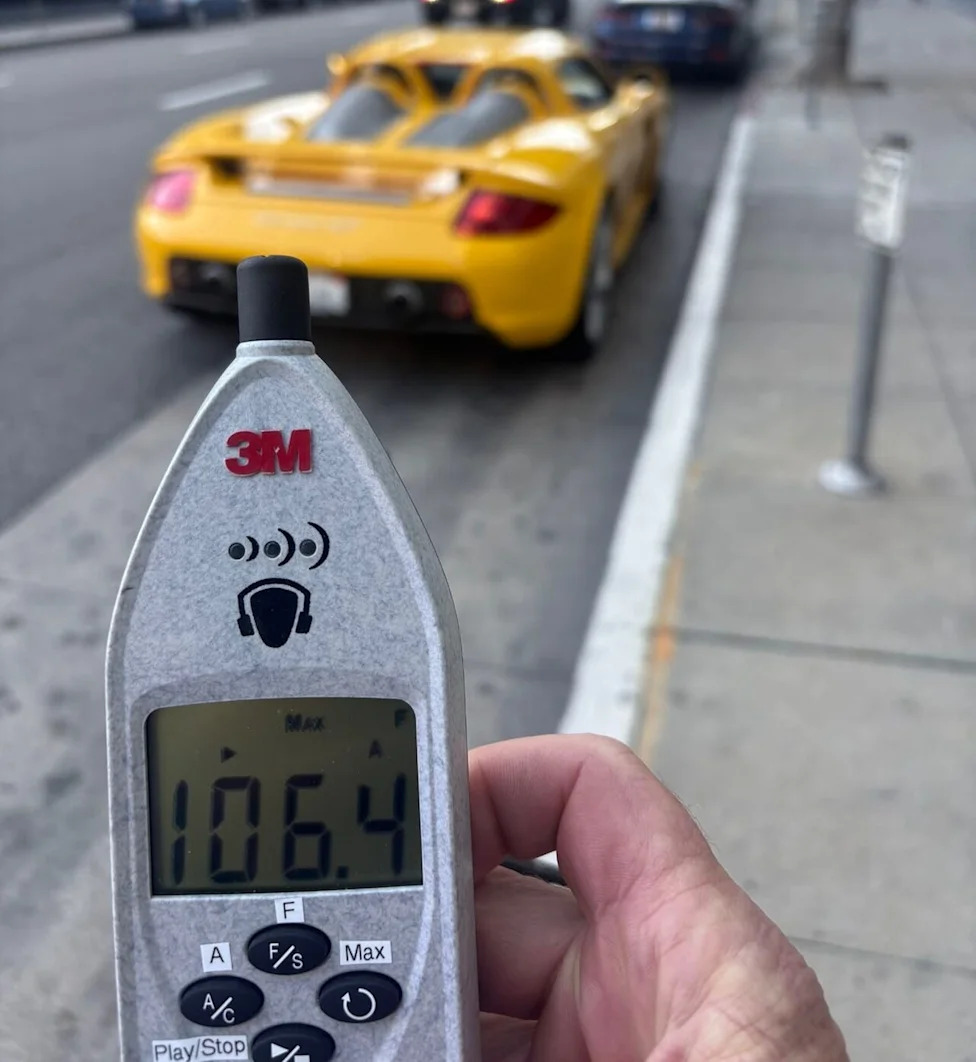
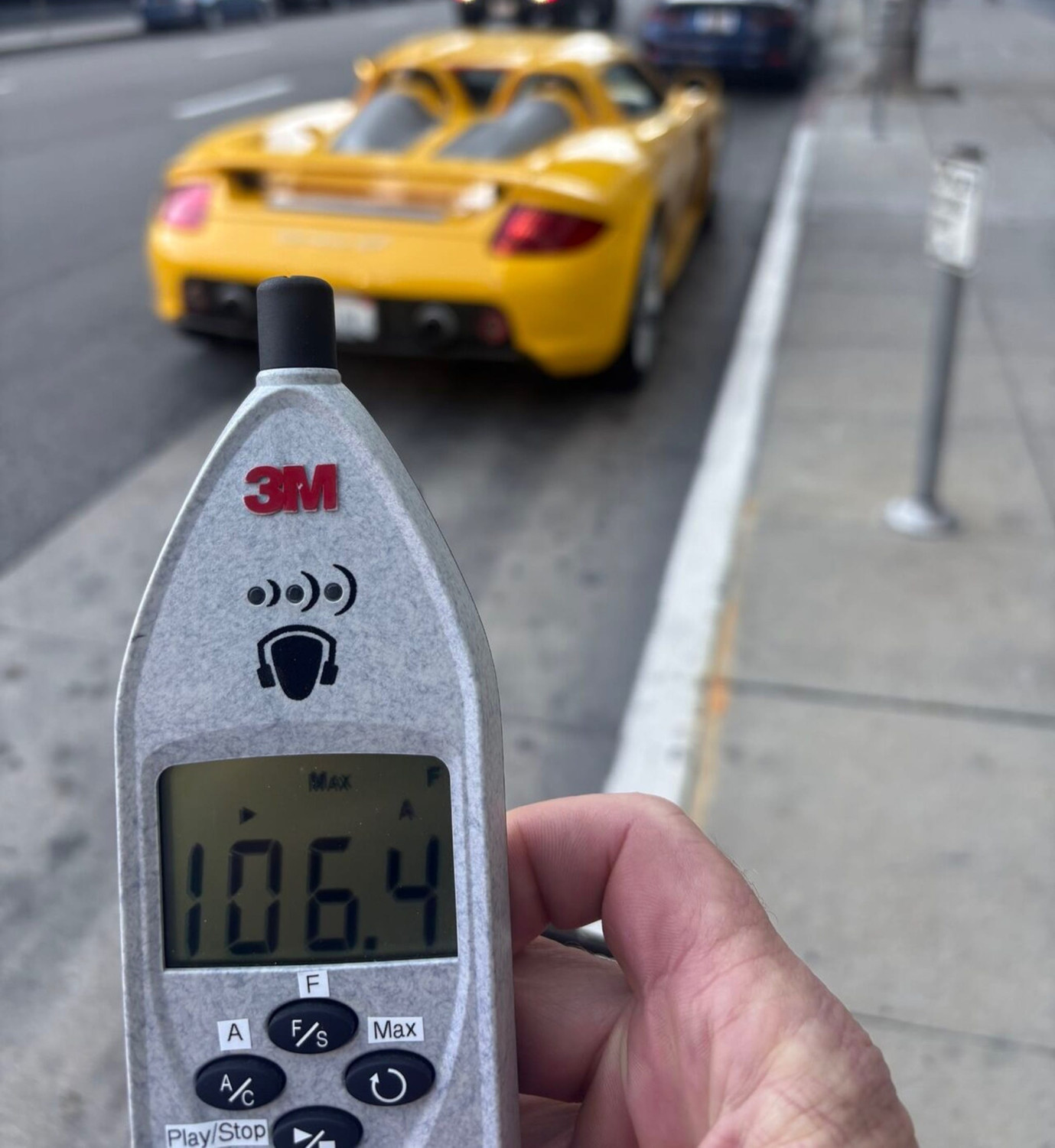
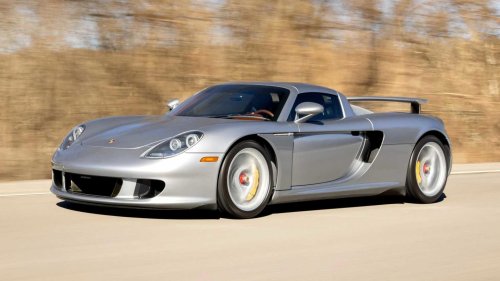
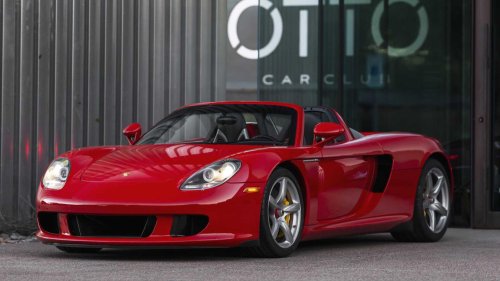
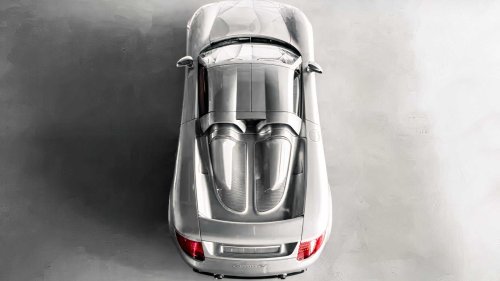
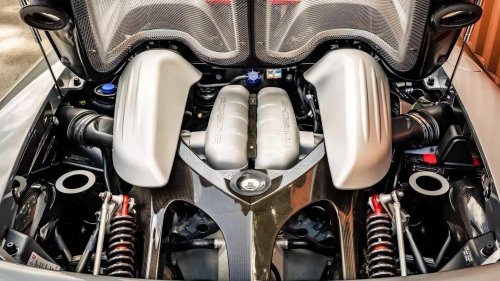
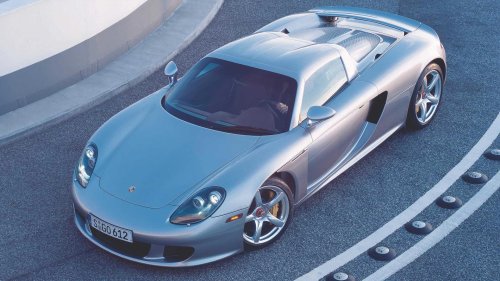
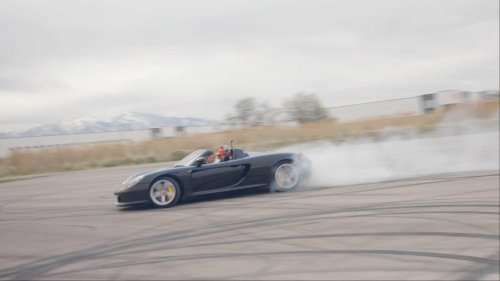
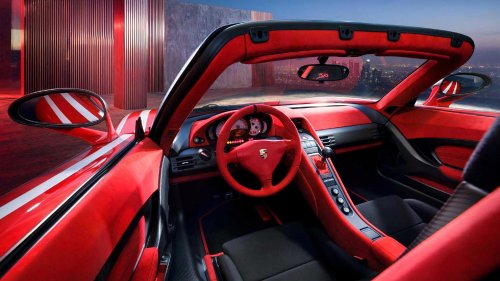
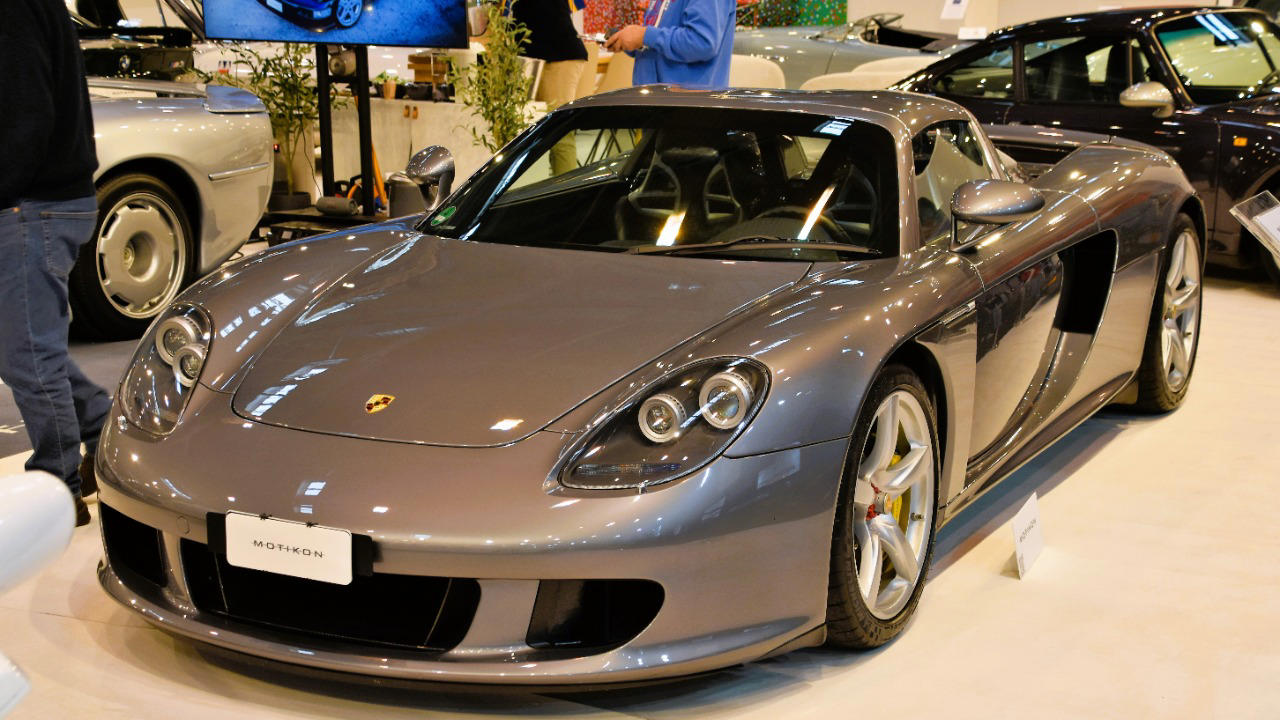
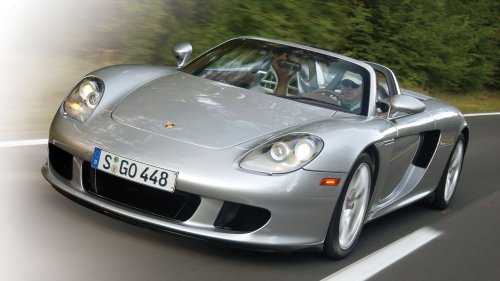
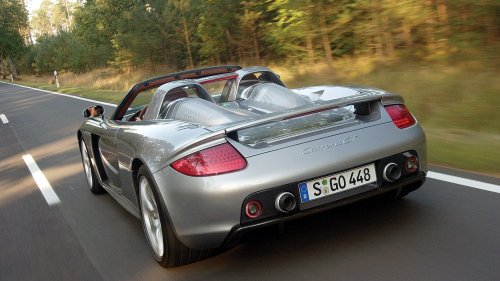
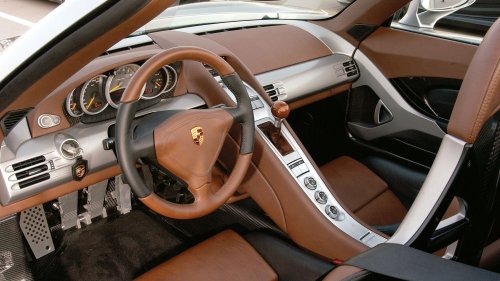
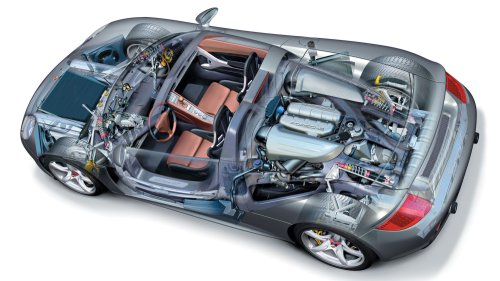
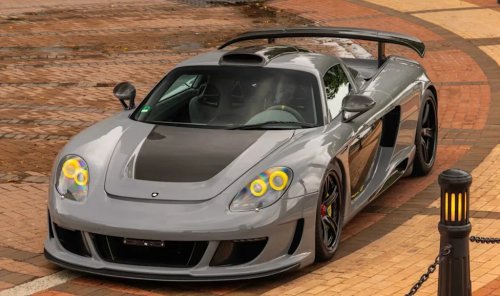
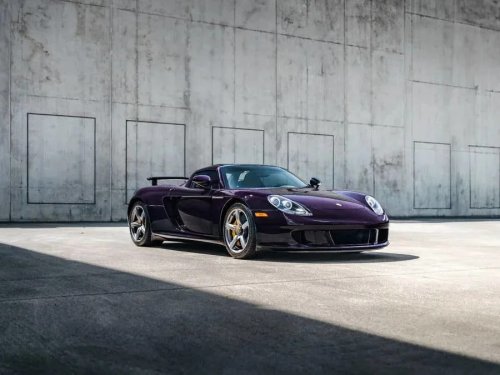
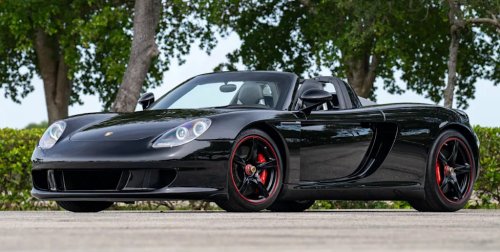
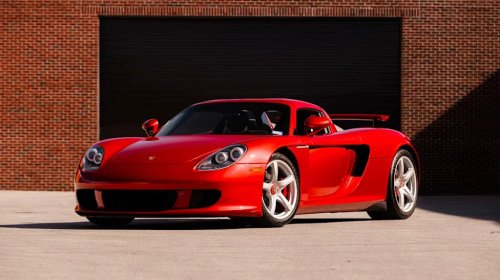
Beverly Hills Finally Went After Loud Supercars And Even A Porsche Carrera GT Didn’t Get a PassA Porsche Carrera GT getting pulled over in Beverly Hills is usually the kind of thing that attracts crowds and camera phones. This time, though, the attention came from police holding a decibel meter behind the car while nearby residents reportedly reacted with something closer to relief than excitement. That’s the part nobody in the exotic car world expected.You Should Read This Next140 MPH Chevy Malibu Police Chase Ends In Violent Rollover After Driver Tries To Outrun Arkansas TrooperMercedes-Maybach Refuses to Kill the V12 as America Becomes the Last Safe Haven for 12-Cylinder LuxuryFerrari 488 Pista Destroyed in Moscow Crash as Rapper Navai’s Speed Claim Faces ScrutinyAbandoned 455 Pontiac Trans Am Found Rotting in Junkyard as Muscle Car Fans Debate Whether It’s Worth SavingBeverly Hills police have officially started cracking down on loud exhaust systems using specialized training and calibrated sound-testing equipment. And the first enforcement wave didn’t target beat-up street racers or bargain tuner cars. Officers stopped high-dollar machinery including a Porsche Carrera GT, Chevrolet Corvette C8, and Audi R8. For a city known as much for supercars as luxury boutiques, that shift matters.AdvertisementAdvertisementThe department recently partnered with PipeDown Solutions for what officials described as specialized loud exhaust enforcement training. According to the department, this marked the program’s first appearance in Southern California. After classroom sessions and hands-on instruction, officers moved directly into real-world enforcement. And they immediately started writing citations.Photos released by the department showed officers testing several exotic cars roadside. One image captured a yellow Porsche Carrera GT being measured at 106.4 decibels. Another showed an Audi R8 registering 108 decibels. The Corvette C8 reportedly hit 116 decibels during testing.Those numbers are not small. A chainsaw operates in roughly the same sound range. The difference is that a Carrera GT’s V10 soundtrack is something enthusiasts usually celebrate, not something neighbors call police over. Still, Beverly Hills appears to have made a decision about where it stands.California already regulates vehicle exhaust noise under standardized testing procedures, but enforcement has historically been inconsistent. A lot of enthusiasts have long argued that noise citations often came down to officer opinion or subjective judgment. That’s where this new approach changes the equation.AdvertisementAdvertisementInstead of relying on whether a car “sounds loud,” officers are now using formal SAE J1492 testing procedures. The process uses a calibrated sound meter positioned at a specific angle and distance behind the exhaust while the engine is held at a prescribed RPM level. Different vehicles require different RPM targets depending on the car. That detail matters because it gives departments something they can defend in court.The handheld equipment seen in the department’s photos appears specifically designed for enforcement testing. Officers can now generate an actual decibel reading tied to California’s established limits rather than simply making a judgment call during a traffic stop. For drivers, especially exotic car owners, that changes the risk calculation significantly.California generally limits many passenger vehicles and newer models to 95 decibels under the testing standard, though things can become more complicated depending on factory certifications, vehicle age, and exhaust configurations. Still, numbers like 106.4 dB and 116 dB are well beyond the threshold that typically draws attention. And that’s where the story turns.According to officers involved in the enforcement operation, nearby residents repeatedly approached police to ask what was happening. Once they learned the stops involved loud exhaust enforcement, the reactions reportedly sounded almost identical. Finally. About time.AdvertisementAdvertisementThat response says a lot about the growing divide between enthusiasts and communities increasingly frustrated with noise in wealthy urban areas. Beverly Hills has never exactly been hostile to expensive cars. Ferraris, Lamborghinis, McLarens, and Porsches are practically part of the local scenery. But residents appear far less willing to tolerate the sound that often comes with them.More Stories Like ThisInside South Carolina’s $100 Million Driver Data Machine and Why Drivers Should Be Paying AttentionMcLaren Built A Le Mans Hypercar Too Extreme For Racing Rules And VIP Buyers Are Getting The Real MonsterMotorcycle Left Hanging From Traffic Light After Violent Crash In CanadaFor enthusiasts, that creates a difficult reality. Many performance cars, especially older exotics like the Carrera GT, were engineered during an era when raw sound was considered part of the experience. Loud exhaust wasn’t viewed as a public nuisance. It was part of the identity of the machine itself.Now that same character trait can become a legal liability.AdvertisementAdvertisementThe Carrera GT in particular represents something bigger than just another loud sports car. It’s one of the most celebrated analog supercars ever built, known for its screaming naturally aspirated V10 and notoriously aggressive driving dynamics. Seeing one pulled over for exhaust testing sends a message that no car is too rare, expensive, or culturally important to avoid scrutiny.And enthusiasts are paying attention.This also highlights how modern enforcement is evolving. Noise complaints used to be difficult to quantify consistently. That gave drivers room to challenge citations or argue subjectivity. With standardized testing equipment and formalized training entering local departments, enforcement becomes harder to dismiss.That could have broader implications far beyond Beverly Hills.AdvertisementAdvertisementIf other Southern California agencies adopt similar programs, drivers of modified performance cars may face much more aggressive oversight. Exhaust modifications have long been one of the most common changes enthusiasts make, especially in states with large performance communities. California already maintains some of the strictest vehicle regulations in the country, and adding more precise roadside sound enforcement only tightens the pressure.Here’s the part enthusiasts won’t like hearing.This kind of enforcement tends to expand once cities see public support for it. The fact that residents reportedly applauded the operation will almost certainly encourage additional crackdowns. Local governments respond to complaints, and wealthy residential areas are rarely tolerant of anything perceived as disruptive.That leaves car enthusiasts stuck in a familiar position. Many see exhaust sound as part of automotive culture and identity, especially with high-performance machines built around emotional driving experiences. But cities increasingly view excessive noise as something to regulate aggressively, especially when technology makes enforcement easier.AdvertisementAdvertisementBeverly Hills just showed how serious that can become.When police departments start putting calibrated decibel meters behind million-dollar supercars and residents cheer it on, this stops being about one loud Porsche. It becomes a warning shot for performance car culture in places where regulators and residents are losing patience. The bigger question now is how far other cities are willing to take it once the technology and training start spreading.