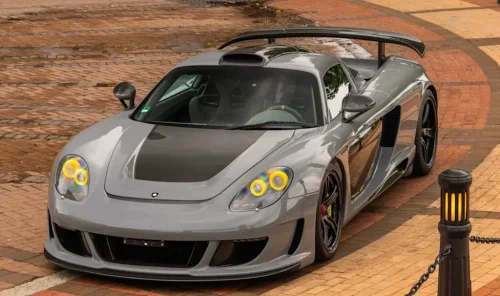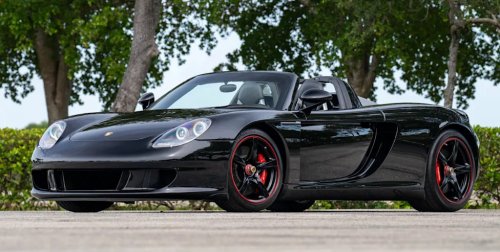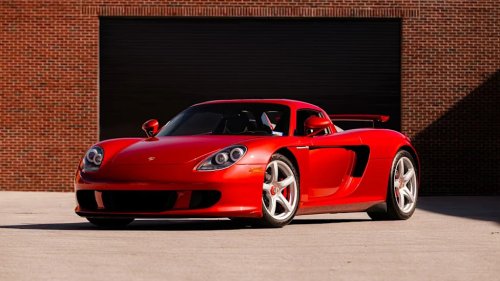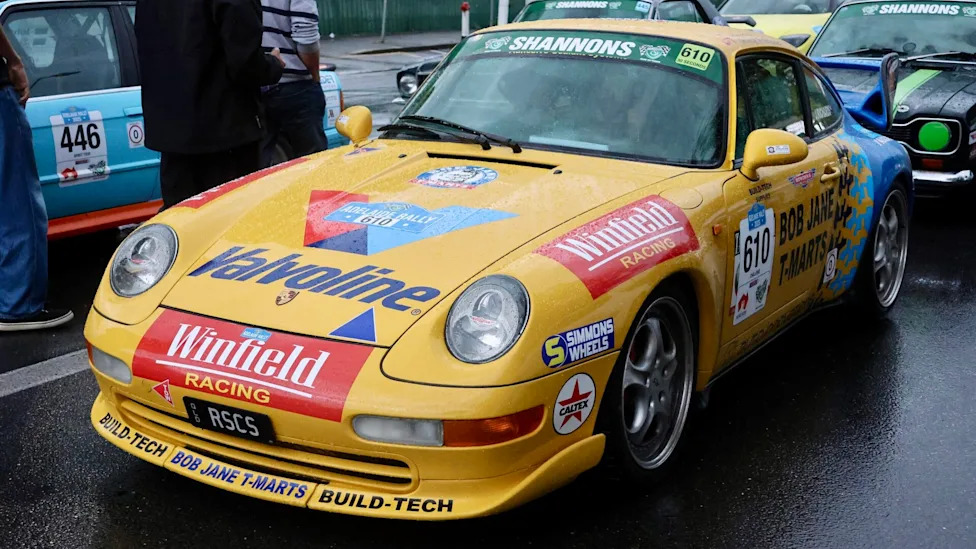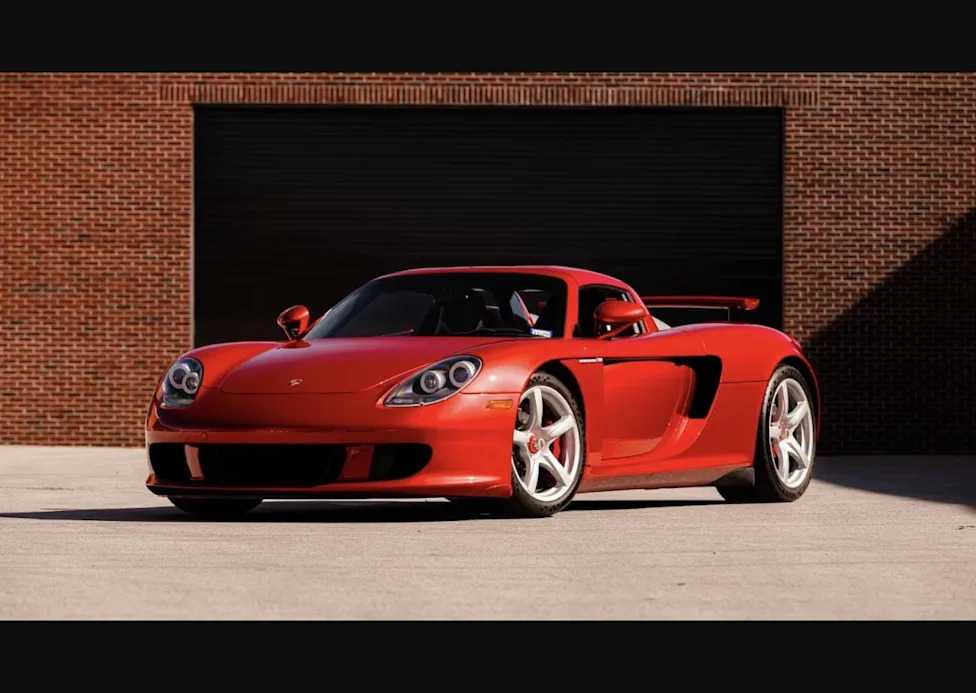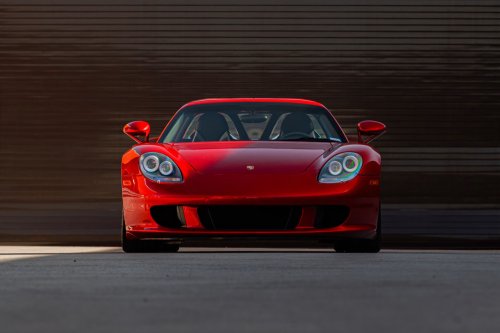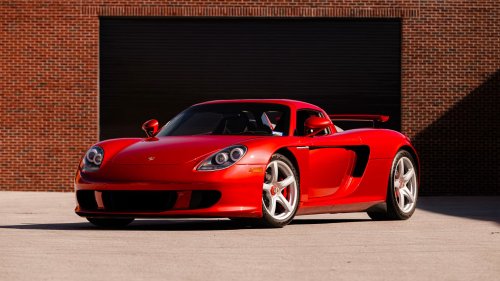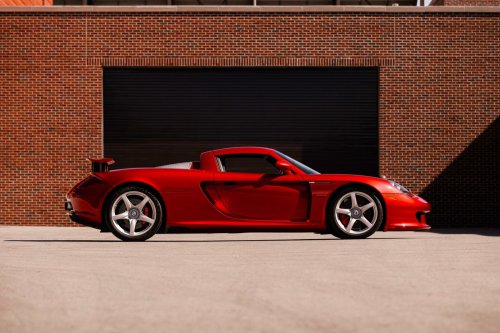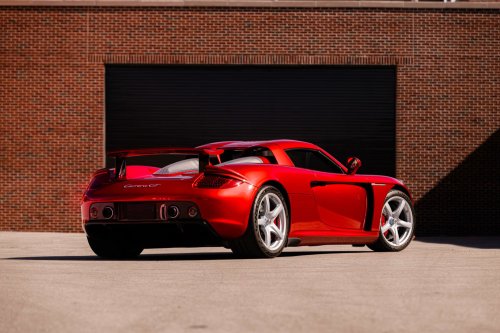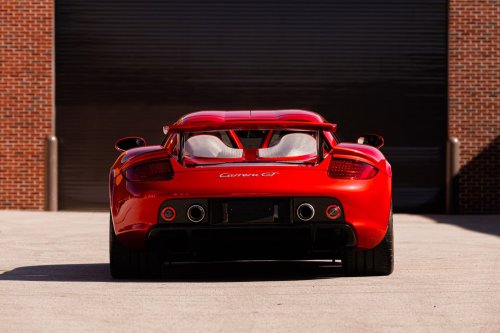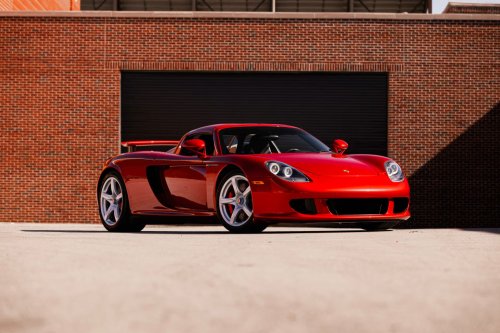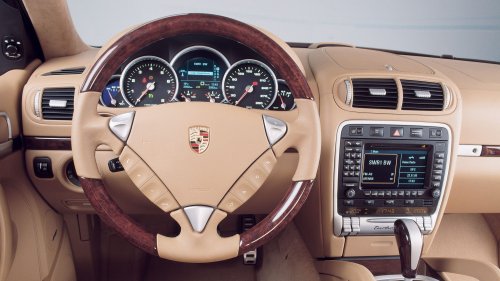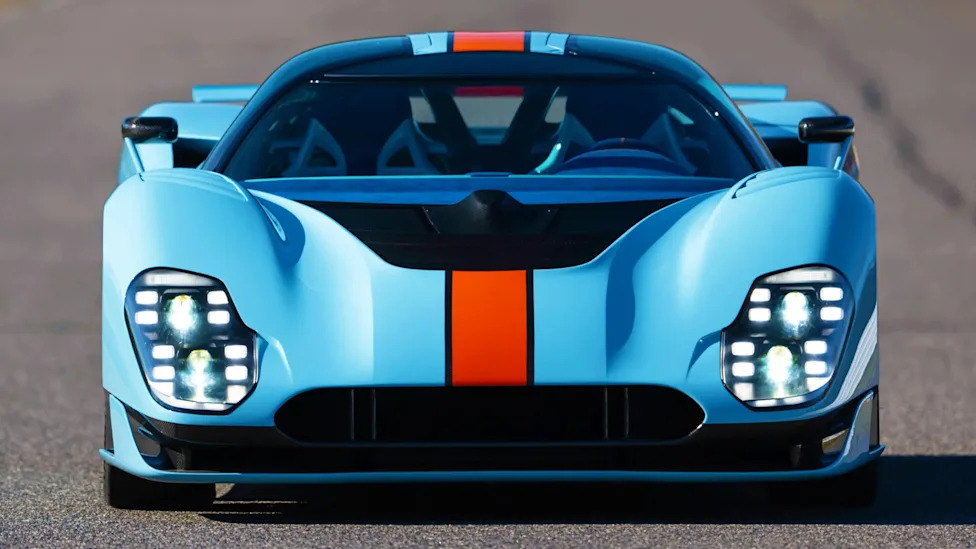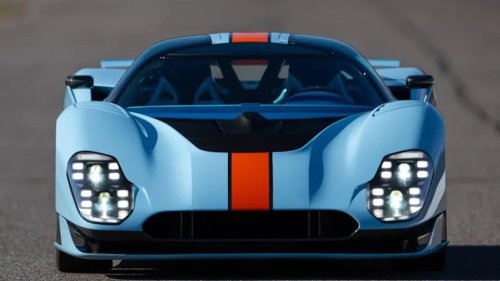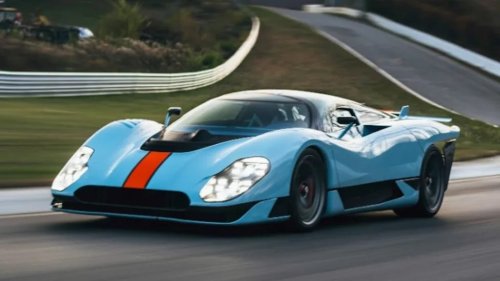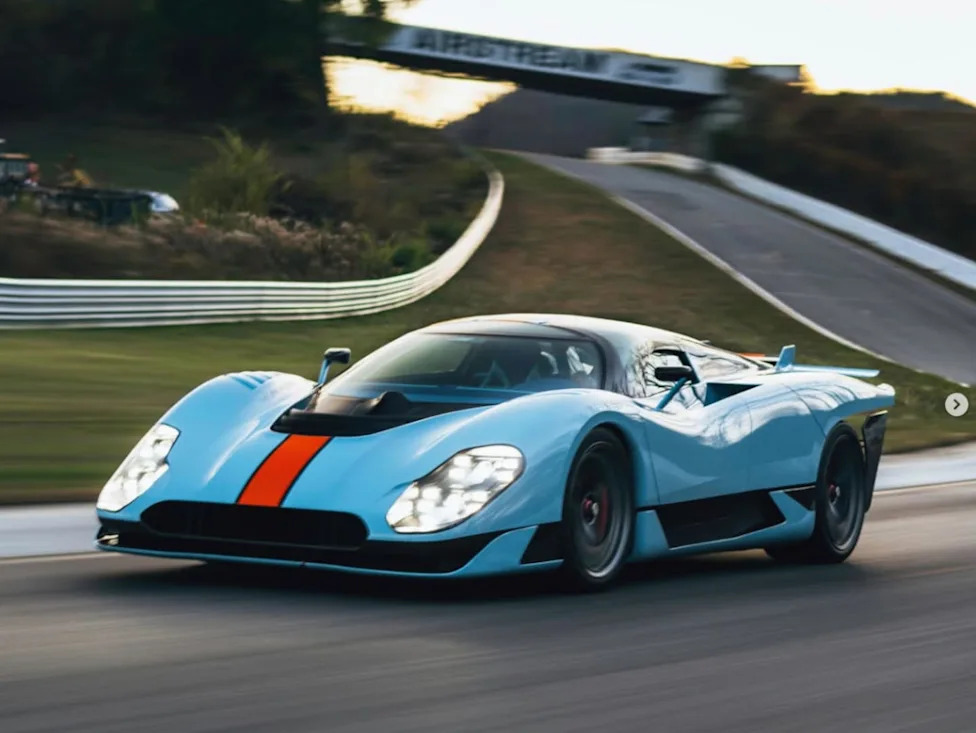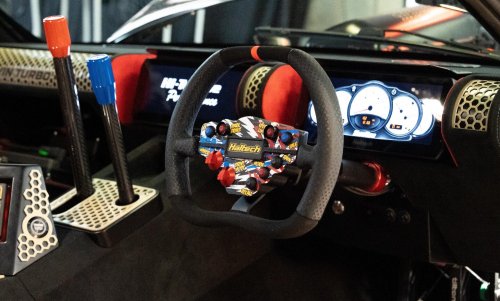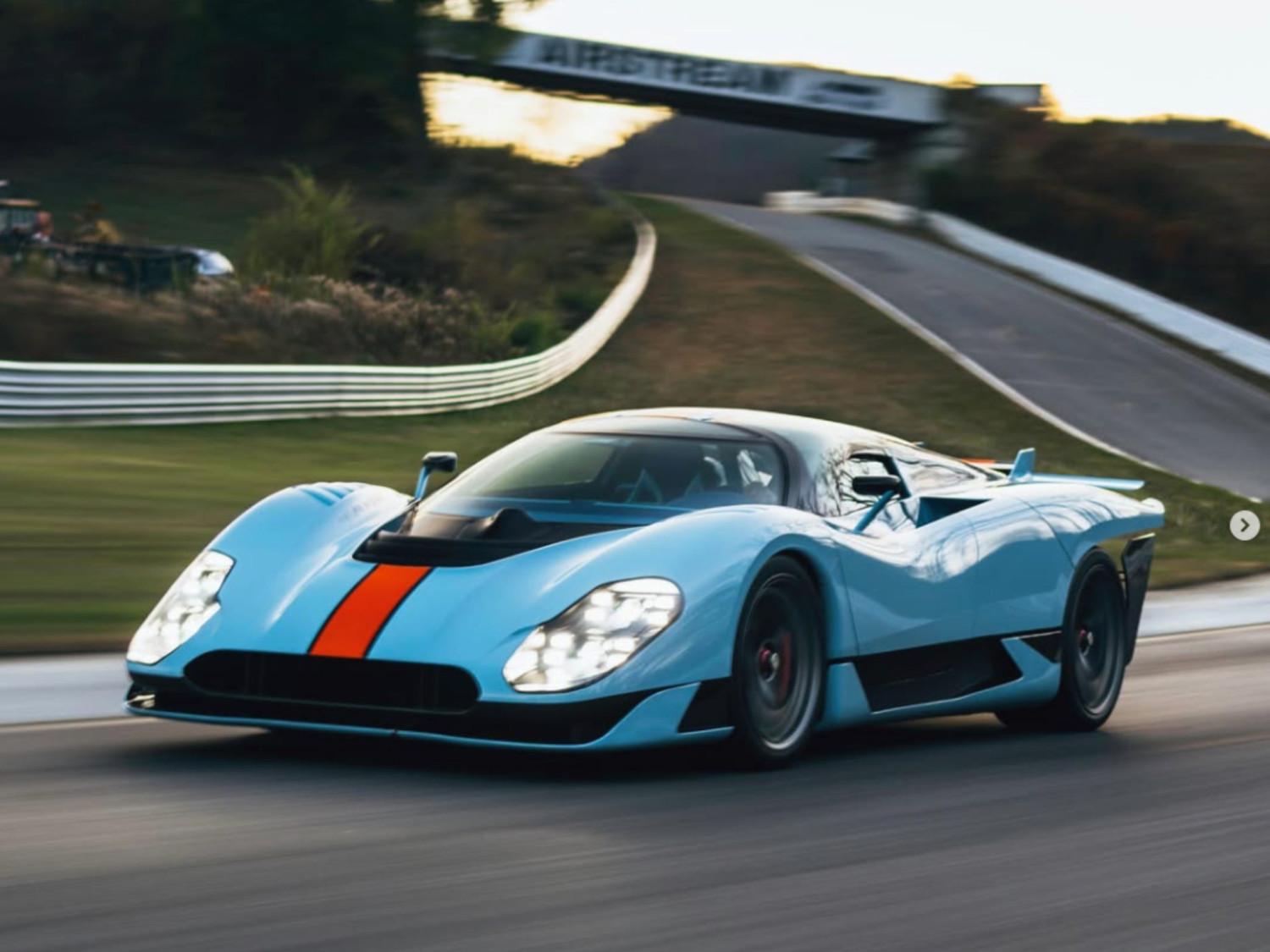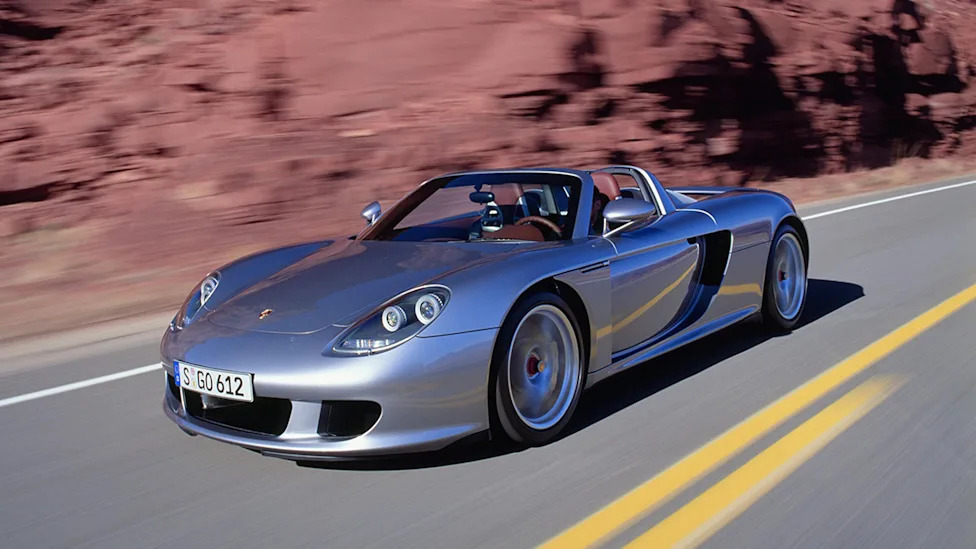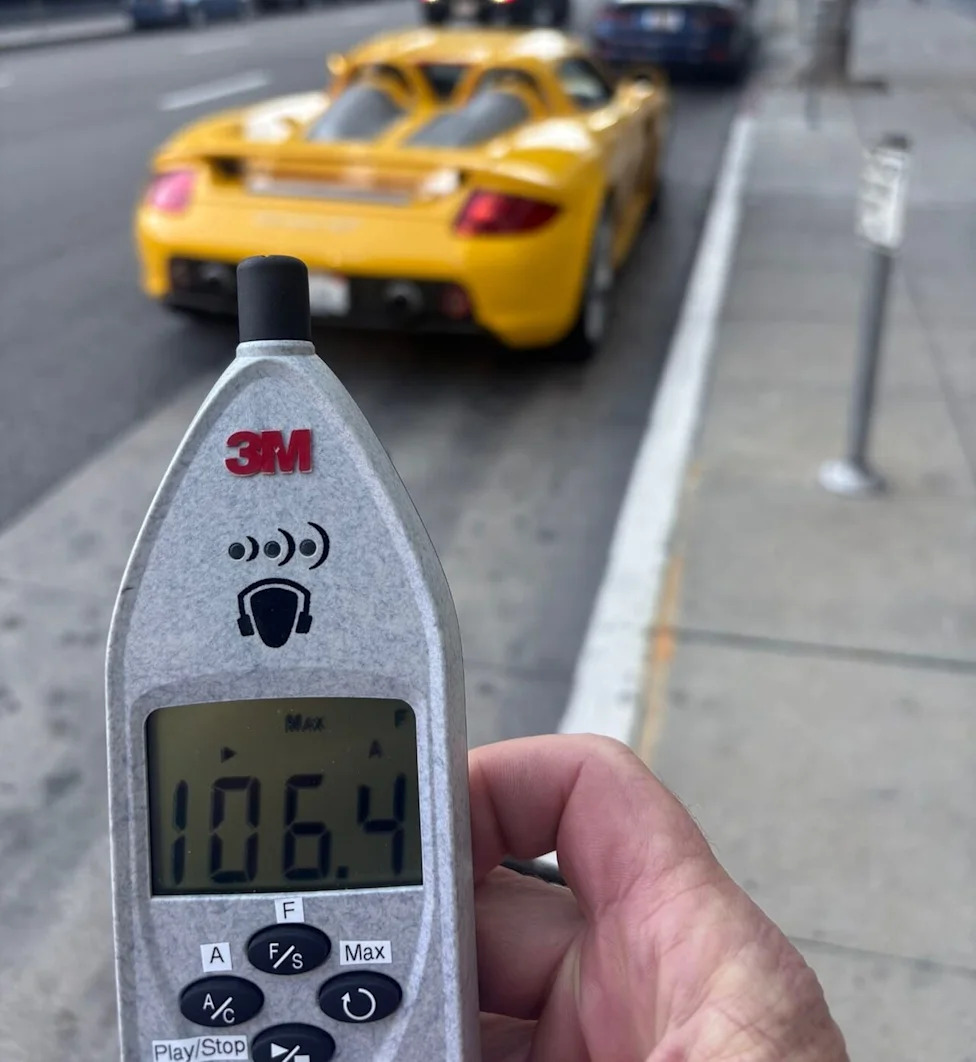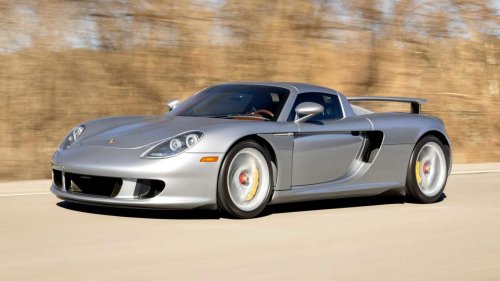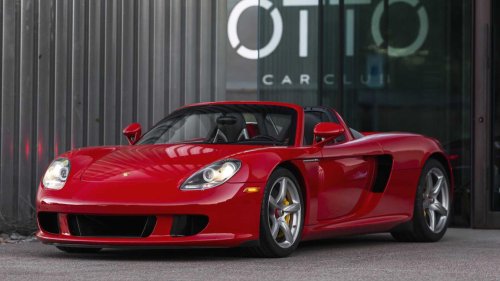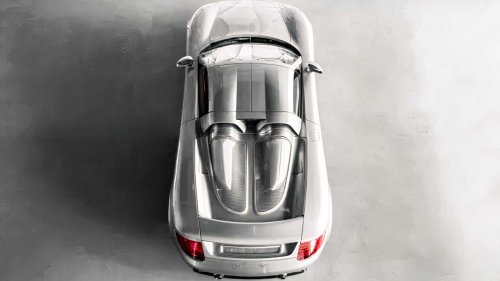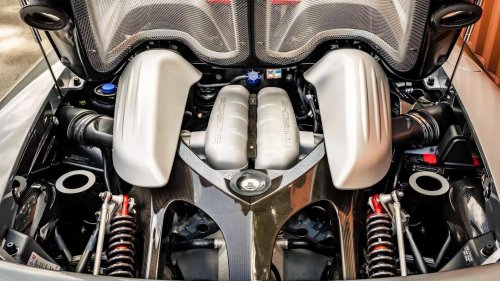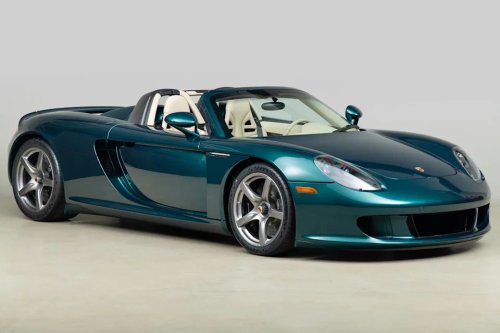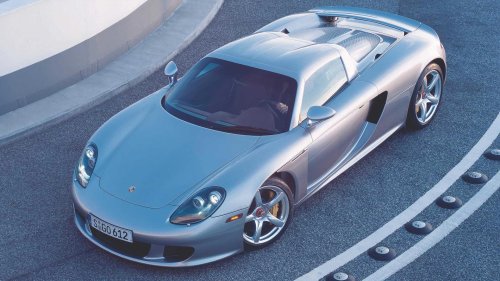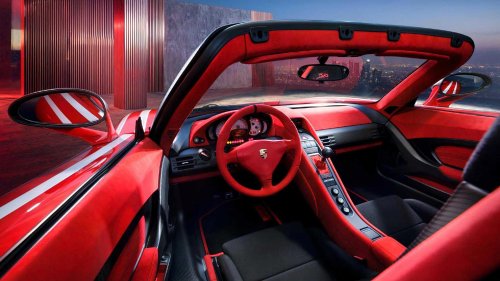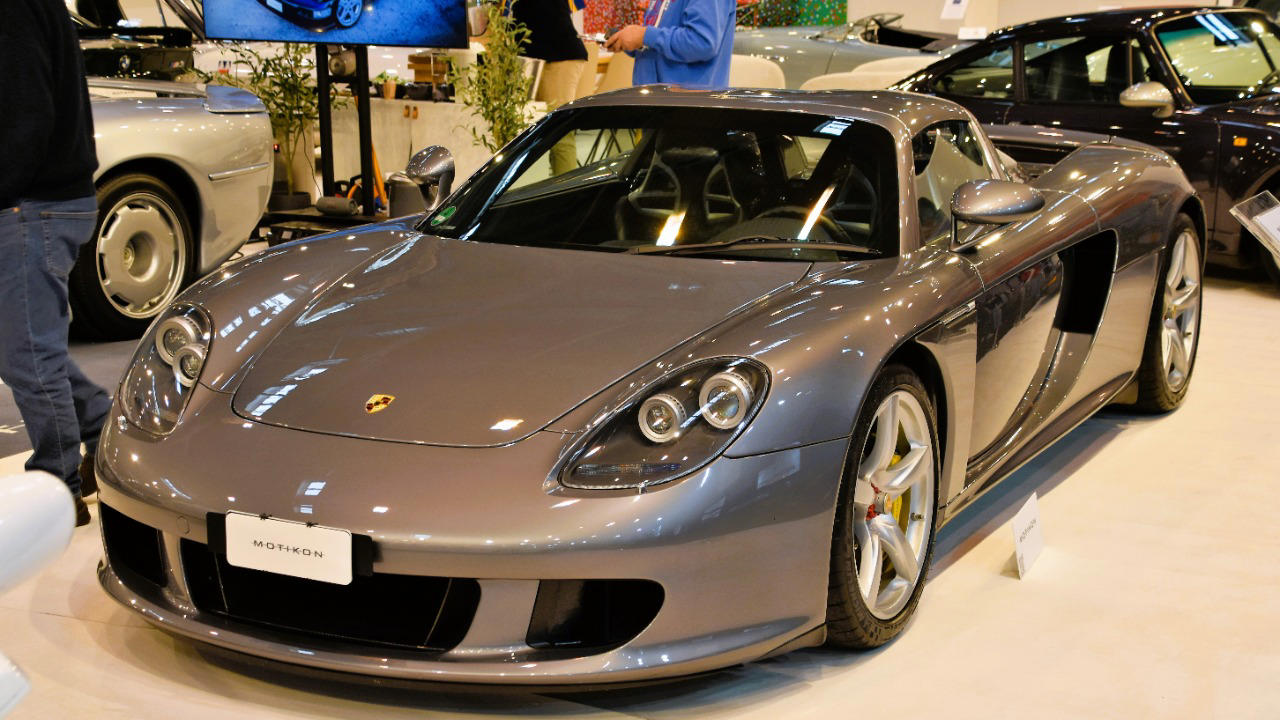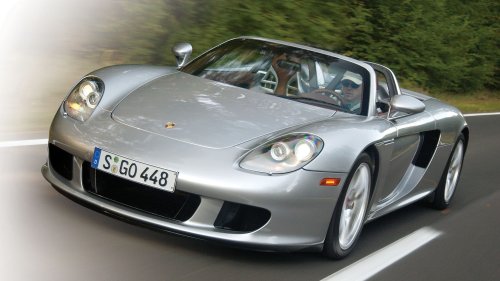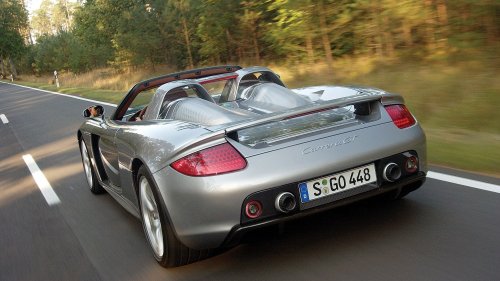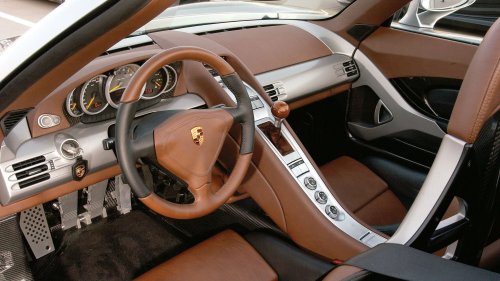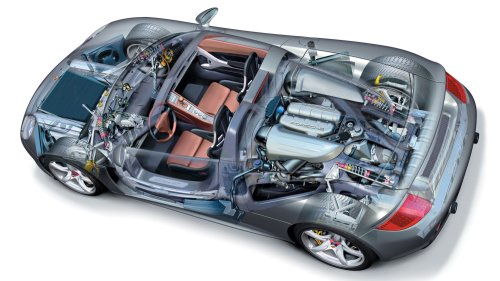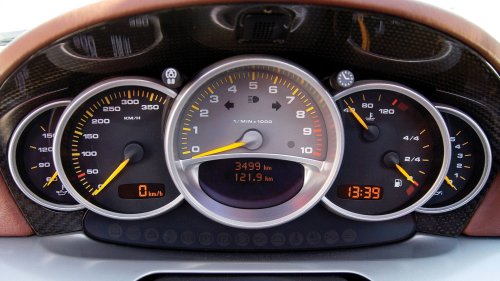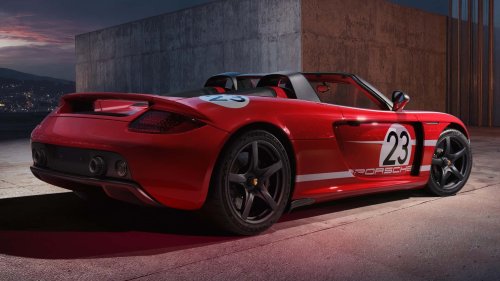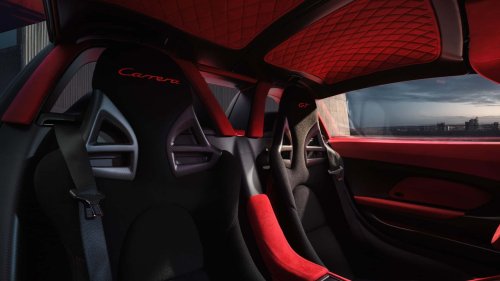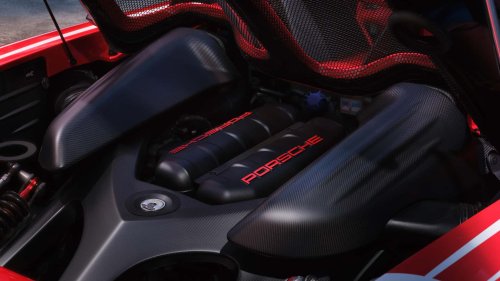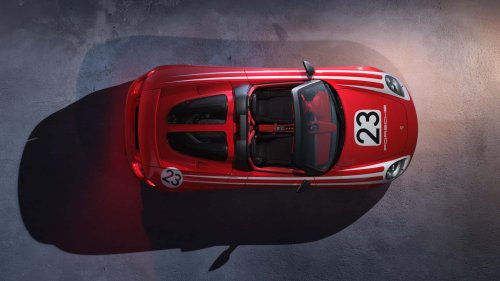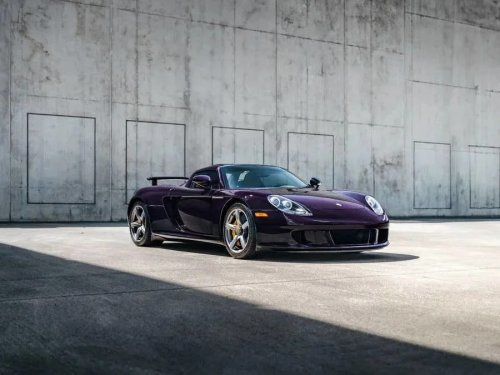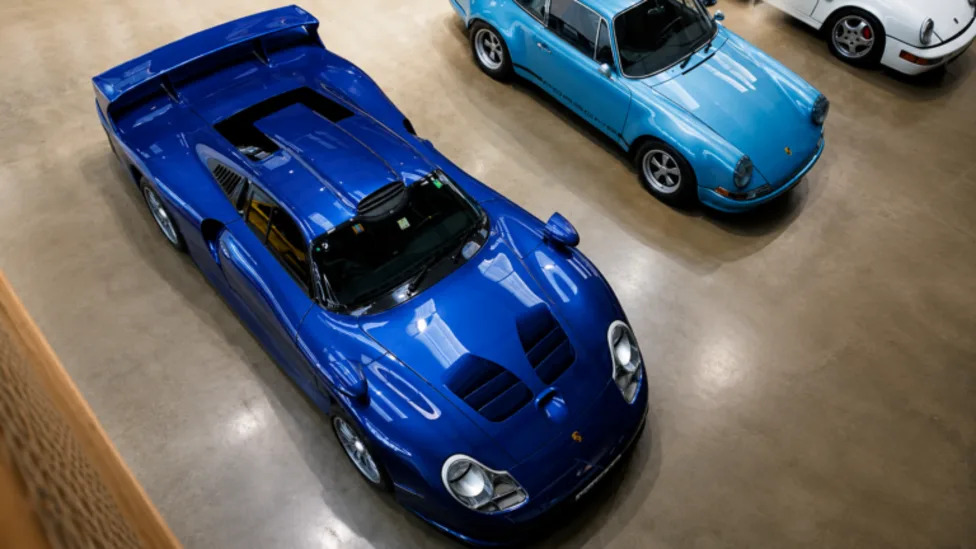















Porsche Carrera GT Owners, Rejoice: Tuthill Has Fixed the Car’s Scariest FlawThe Porsche Carrera GT has a reputation that precedes it into every room. The clutch engages with sudden aggression, the rear suspension reacts harshly to any lapse in focus over uneven surfaces, and the geometry, in Richard Tuthill's own words, "was never quite sorted in the way it should have been."That's the car Tuthill is now quietly fixing, alongside building one of the most ambitious restomod projects in recent memory.During a tour of Tuthill's Wardington facility in Oxfordshire, he described his hands-on experience with a customer's Carrera GT.AdvertisementAdvertisement"The clutch is known for being tricky. I don't find it that tricky. As long as you apply a certain methodology, you can get away with it. But we're going to fix that because it does give some drivers anxiety if you're in a rush or something," he said. The geometry work goes further. "I know for a fact technically the front geometry and the rear geometry aren't working in harmony. So we have redesigned all of this… It changes everything. So now you can drive this car like you stole it and you don't have to be fearful of how the rear will react when it hits a bump."All the rear components bolt on without touching the structure, which matters enormously when you're dealing with a car worth serious money.He also has a view on where values are headed. "I think these are massively underrated… I reckon these will double in value in the next two years." That's a self-interested take from someone about to improve one, so factor that in accordingly.The GT ONE Is the Bigger Story HereTuthill's broader mission isn't limited to sorting out other manufacturers' road cars. The company's own GT ONE – a 22-unit, £1.5 million limited run built around a 993-generation 911 donor – is its most adventurous project to date. The first production car is currently taking shape at Wardington, and per Tuthill, every unit is already spoken for.AdvertisementAdvertisementThe concept draws from the Porsche 911 GT1 Strassenversion, a street-legal homologation special that Porsche built to meet racing eligibility requirements for Le Mans competition against McLaren and Mercedes during the late 1990s. Tuthill's version weighs 1,200 kg, takes 3,500 hours to build, and wears a full carbon fibre body designed by Florian Flatau – who previously spent time at Singer and contributed design work to the E-Legend EL1. Power comes from either a naturally aspirated flat-six producing over 500 bhp or a forced induction version pushing past 600 bhp, with both manual and seven-speed dual-clutch gearboxes on offer. The front and rear ends open clamshell-style, there's a full FIA roll cage inside, and carbon-ceramic brakes sit behind the wheels. CFD work shaped the aerodynamics. The whole thing rides on a longer wheelbase than a standard 911.Richard Tuthill's own words on the project capture what he's actually trying to do with it:"We have taken the best bits but focused on producing a wonderful road car." That's the line that separates this from most limited-run builds, which tend to optimise for spectacle over usability. The roughly 20 GT1 homologation cars Porsche built at the time – divided between 993-headlight and 996-headlight variants – were, as Tuthill points out, road cars shaped primarily by the demands of racing development rather than everyday usability. The GT ONE is the inverse of that philosophy.Tuthill's facility also houses the final examples of the 911K – 33 units, all sold, priced at £850,000 including the donor car – as well as a next-generation K product visible in early CAD form during the facility tour. The K uses a 3.1-litre engine spinning to 11,000 rpm in a package weighing 850 kg wet. It's one of those cars that makes the numbers feel irrelevant the moment you're actually in it. Tuthill describes the GT ONE similarly: raw enough to be engaging, resolved enough to be genuinely liveable on public roads.AdvertisementAdvertisementFor a company that built its name on Safari rally cars and ice driving programmes, moving into £1.5 million road cars is a significant step. The fact that all 22 are gone before the first one has been delivered suggests the market agrees with the direction, even at that price. Pretty damn high, and apparently not high enough to slow anyone down.