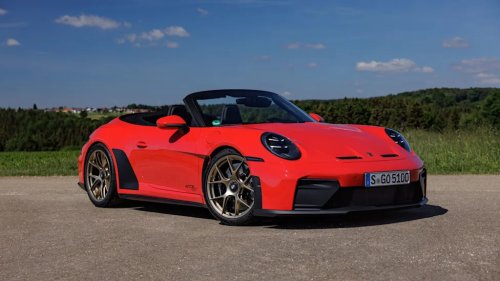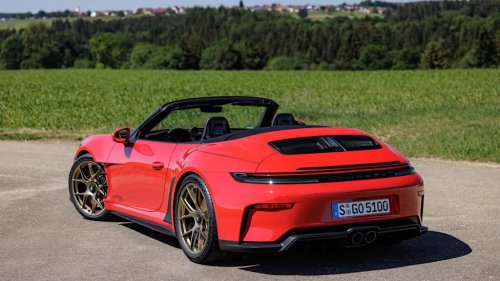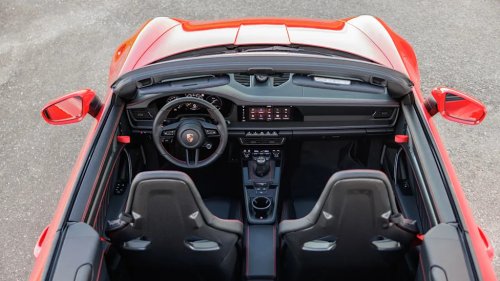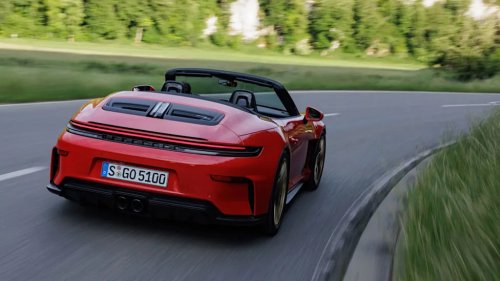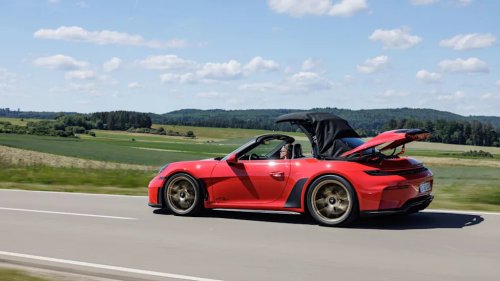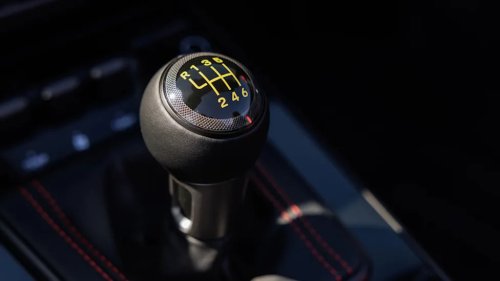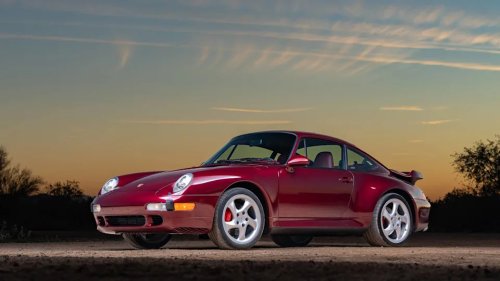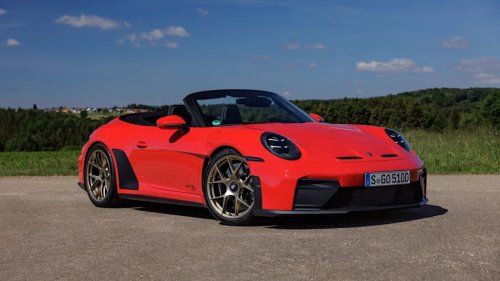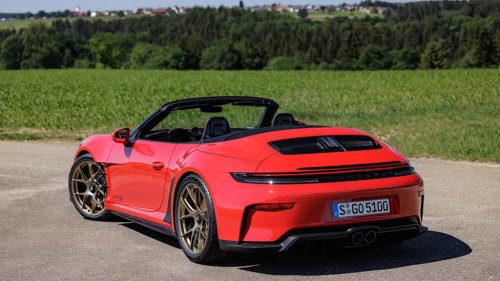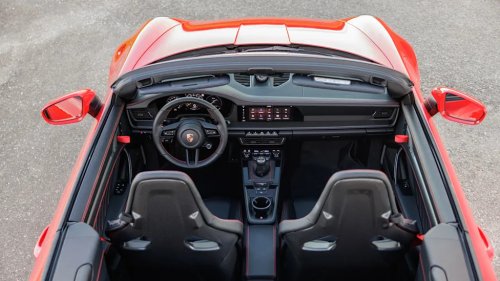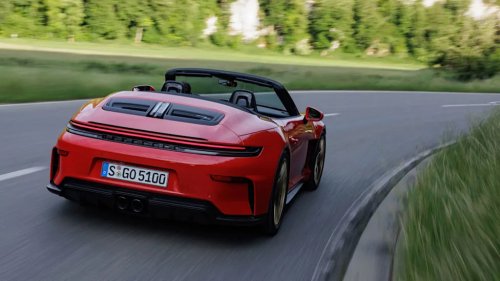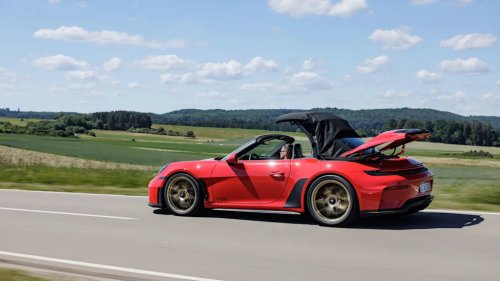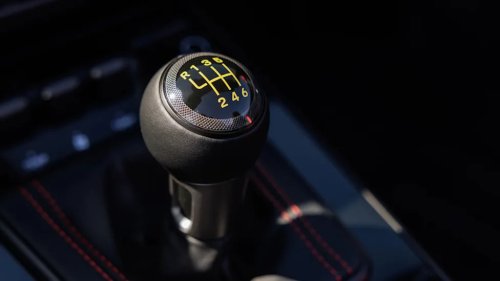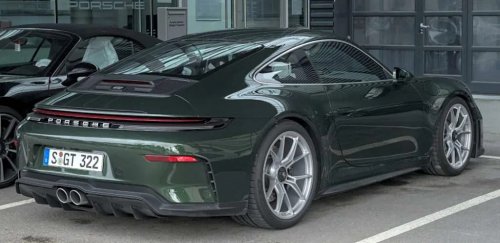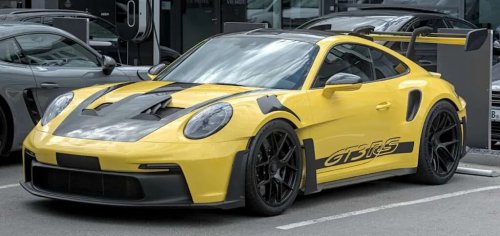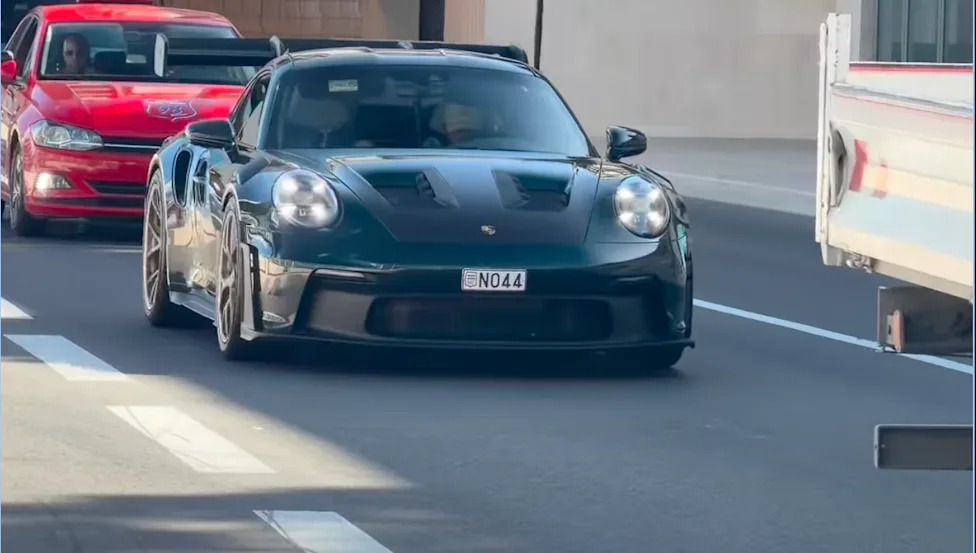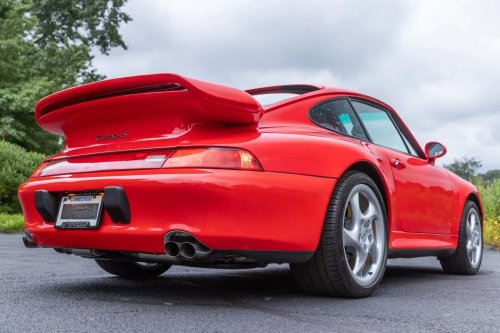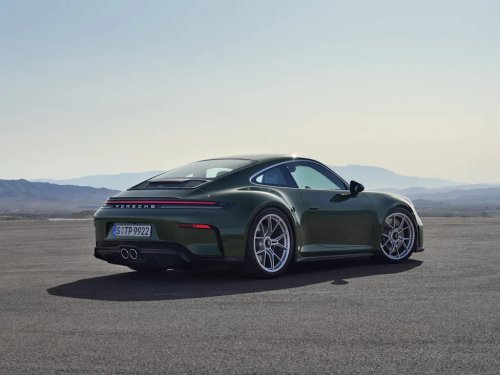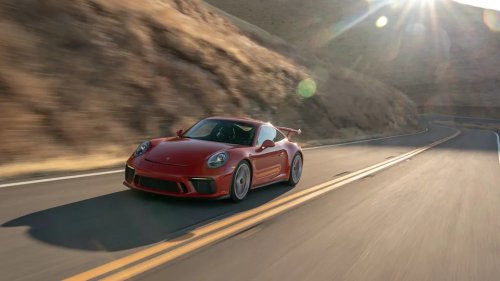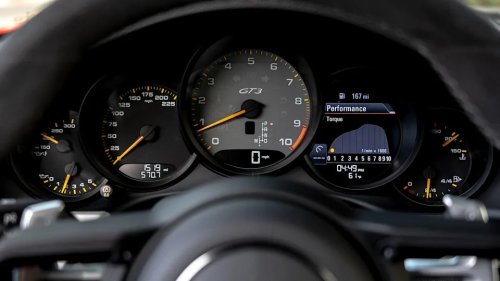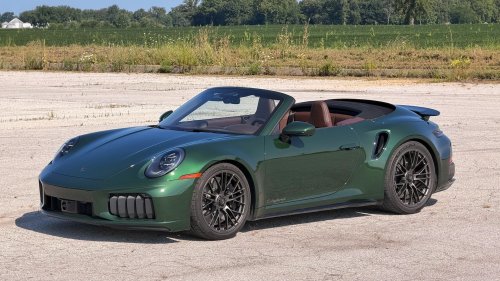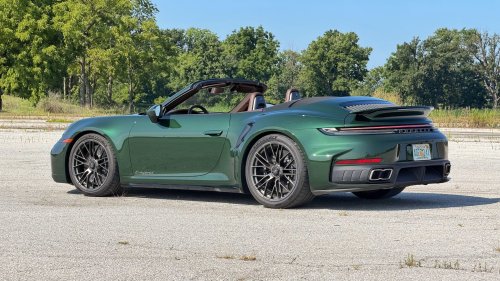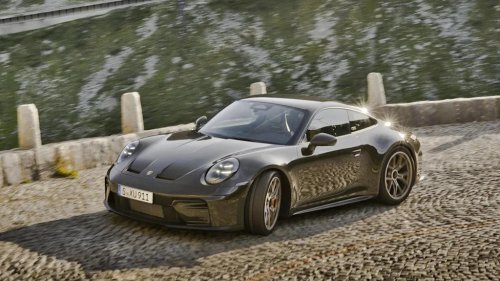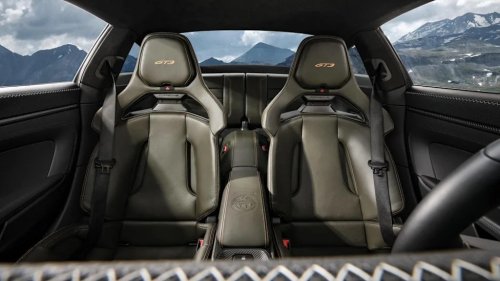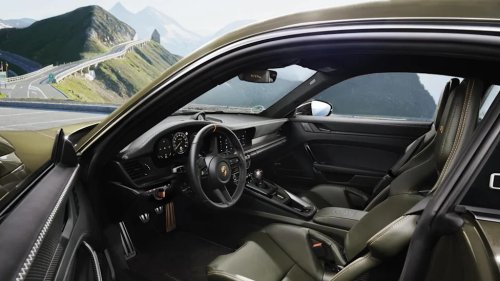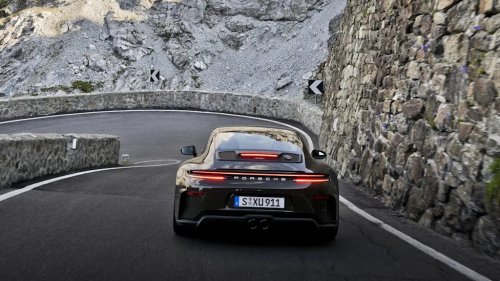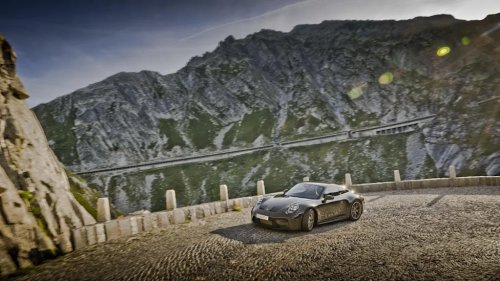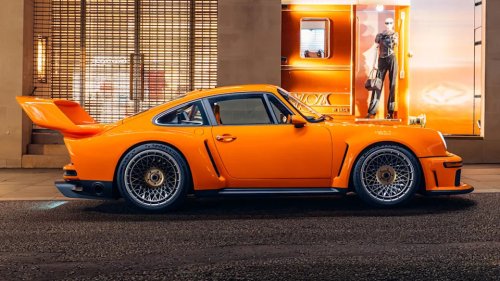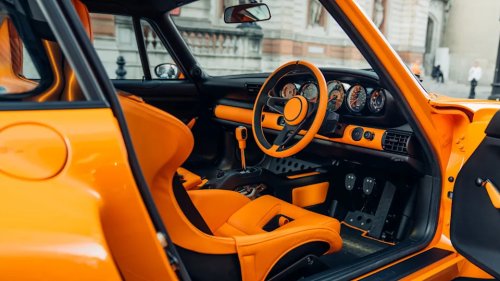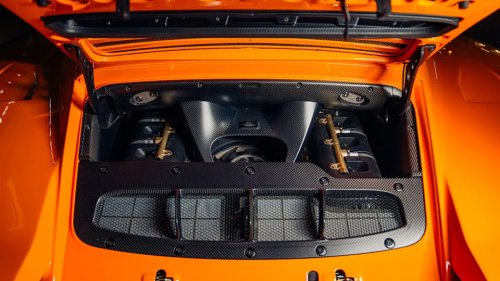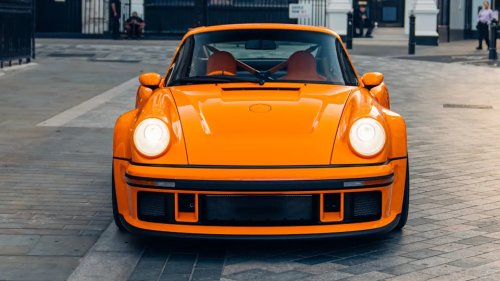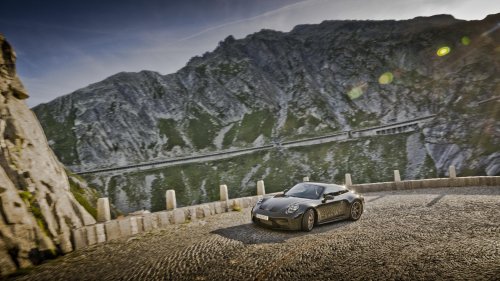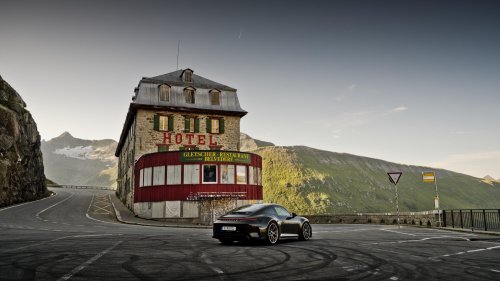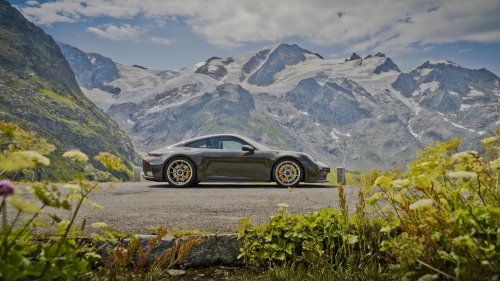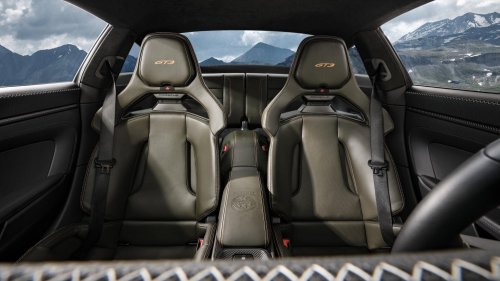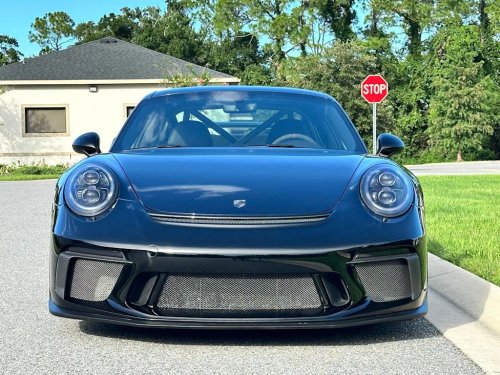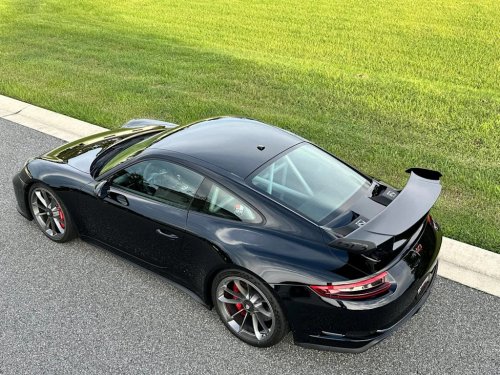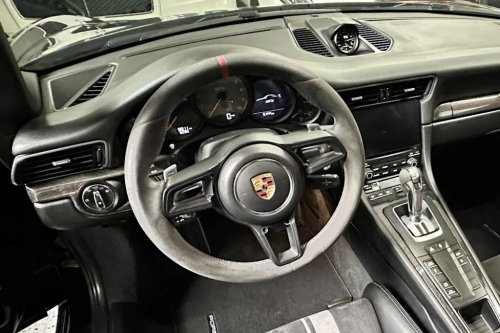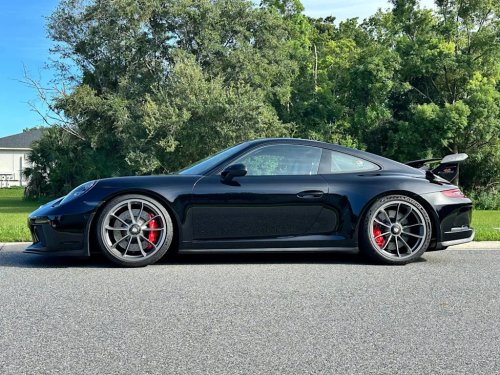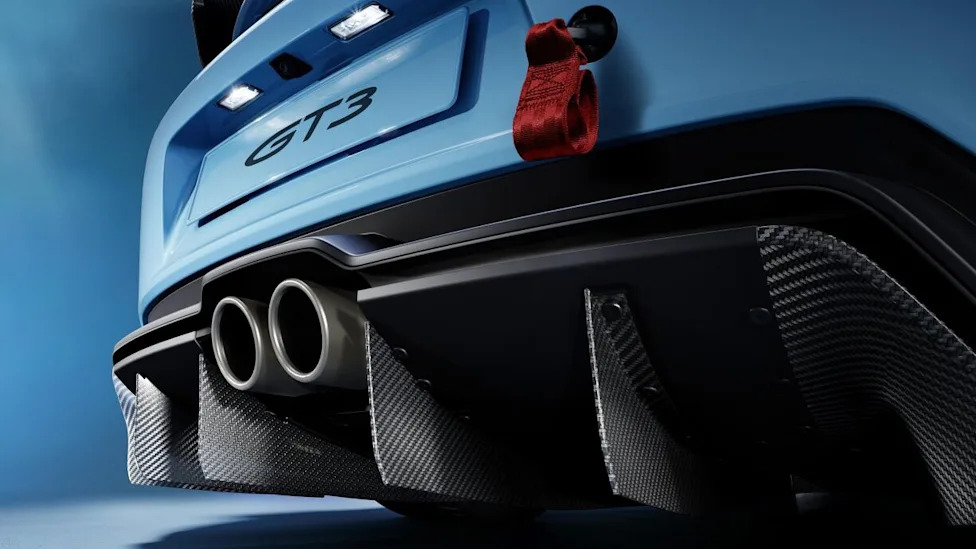
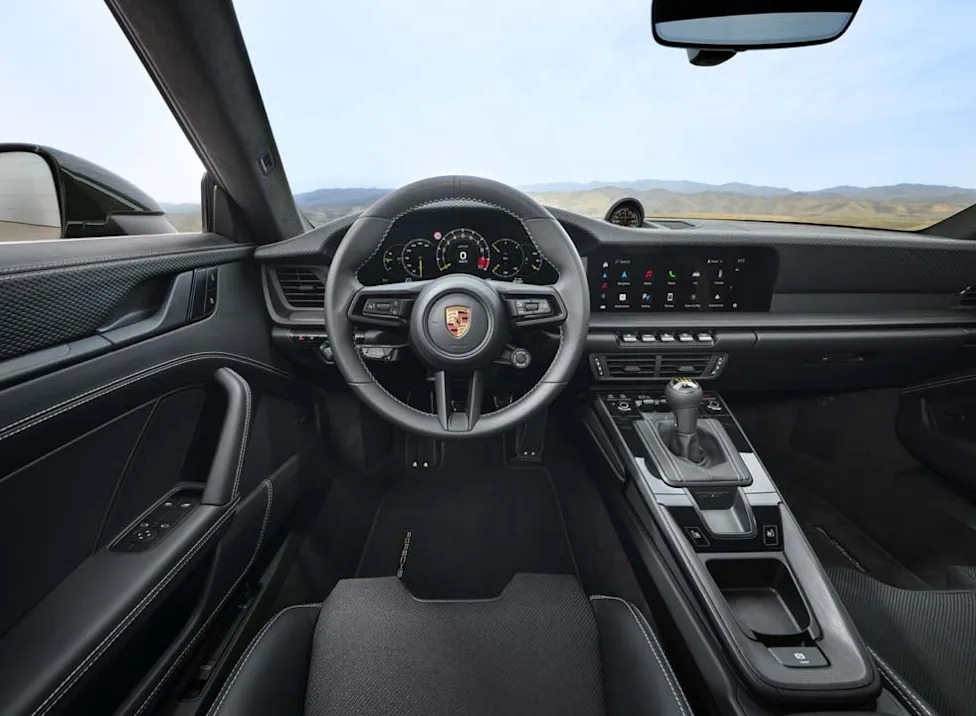
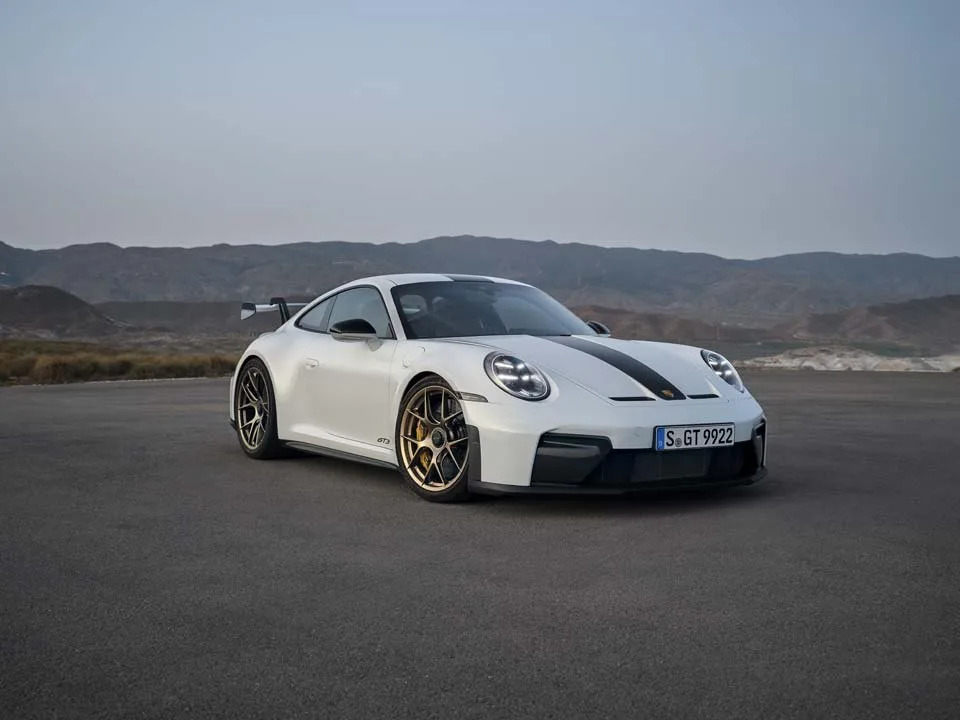



















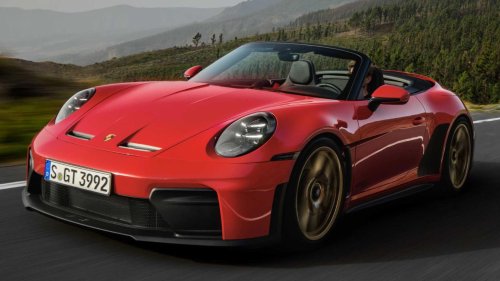
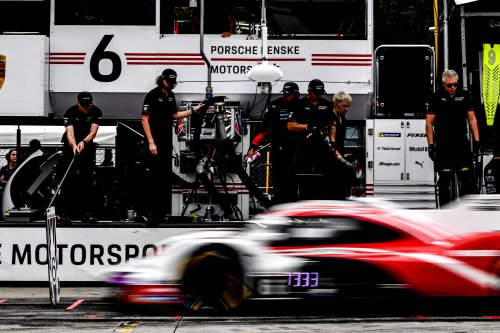
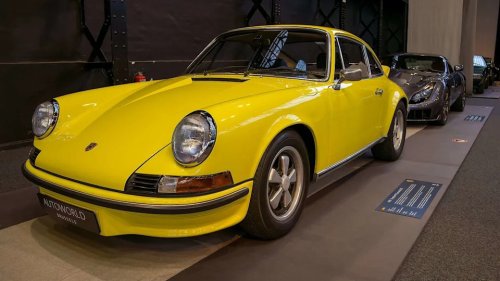
porsche 911 gt3 s turbo future comes into focusPorsche's next 911 GT3 is expected to move to turbocharging, marking a major change for the model's long-running naturally aspirated formula as European emissions rules continue to tighten, according to.The shift is a compliance-driven move rather than a performance-led pivot, with the current 992-generation 911 nearing the end of its cycle and special editions effectively filling out the remaining schedule.The reasoning is straightforward. Porsche has already pushed the naturally aspirated GT3 engine hard while keeping it compliant. This includes increasing displacement to 4.0 liters and adding a gasoline particulate filter. The team has also put in extensive race-derived work in the rotating assembly, valvetrain, oiling and cooling systems, intake, and exhaust. However, tightening European emissions laws leave turbocharging as the remaining path if Porsche wants to preserve performance.porsche 911 gt3 s turbo future comes into focusThat matters because the GT3 has carried Porsche's naturally aspirated identity longer than the rest of the 911 range. Its engine has also remained central to the company's racing division, while the street car has continued to sit near the top of lap-record lists despite no major horsepower or torque increase in recent generations. The current GT3 is listed at 502 hp and 331 lb-ft.AdvertisementAdvertisementThe next GT3 will need the full turbo hardware package, including intake and exhaust plumbing, oil coolers, and intercoolers. However, Porsche already fits similar systems to nearly every other 911 model, making the work more a matter of adapting existing hardware to GT3 standards than developing an entirely new layout.The open question is which turbo system Porsche uses. The GTS T-Hybrid's hybridized single-turbo setup is an obvious candidate, but it has weight and complexity problems. The GT3 remains the direct link to Porsche's sports-car racing program, and current GT3 class rules do not require that added hybrid hardware.porsche 911 gt3 s turbo future comes into focusPorsche's GT division will likely draw from the non-hybrid twin-turbo system used elsewhere in the 911 family. The 3.0-liter twin-turbo flat-six in the 911 Targa already makes 473 hp and 390 lb-ft, placing it close to the current GT3's horsepower figure while exceeding its torque output. Porsche would not need a dramatic output increase to match or improve current GT3 performance targets under race conditions.Timing is less tidy. The new GT3 is likely to arrive sometime in 2029 as a 2030 model. Either way, the next generation is being framed around a clear technical break: the GT3's naturally aspirated era is nearing its limit.