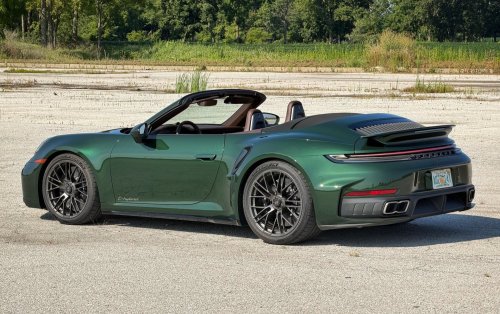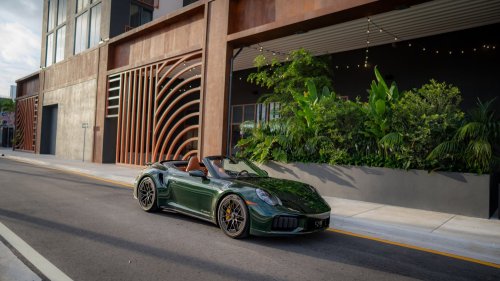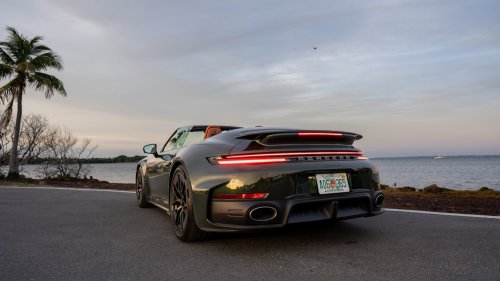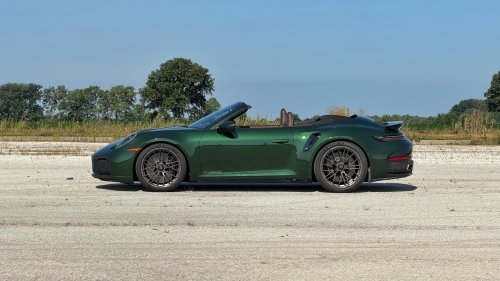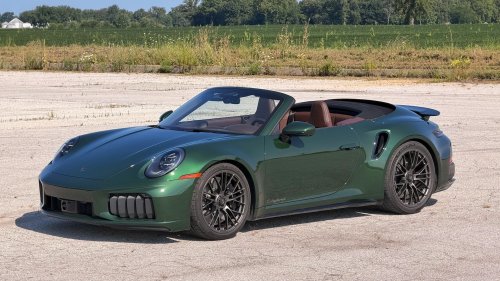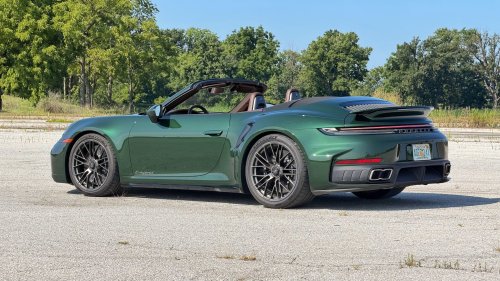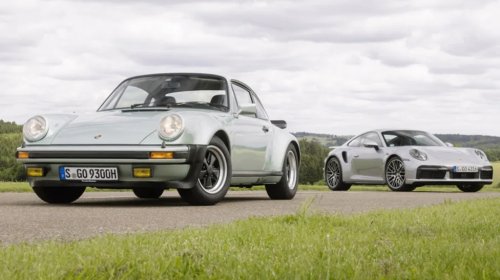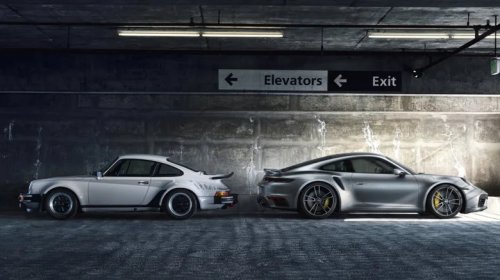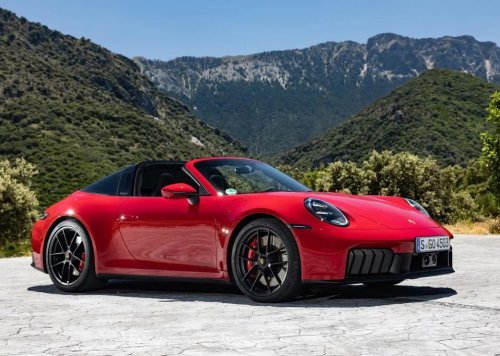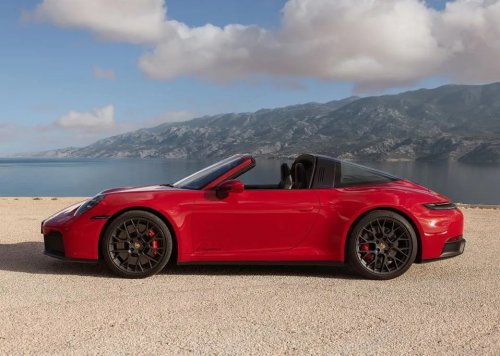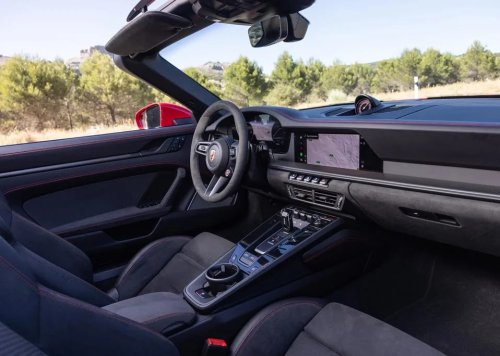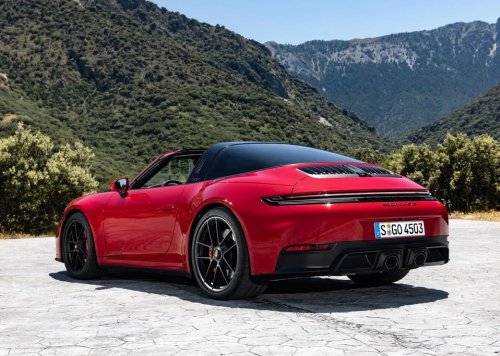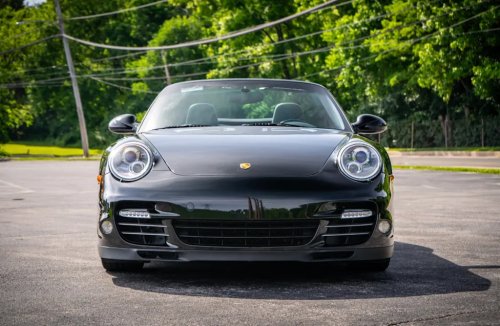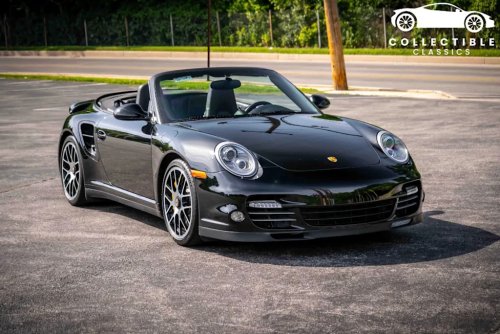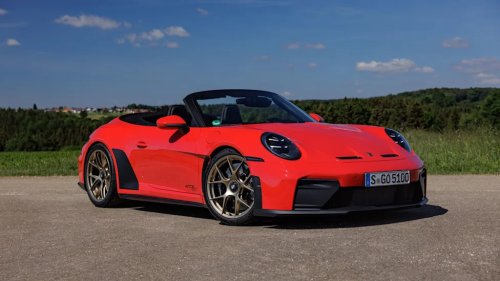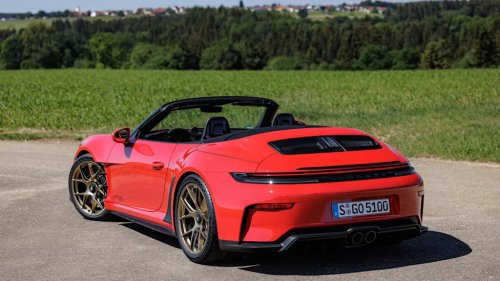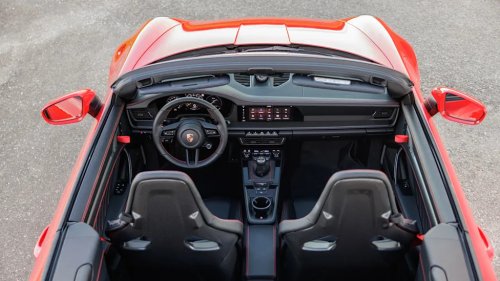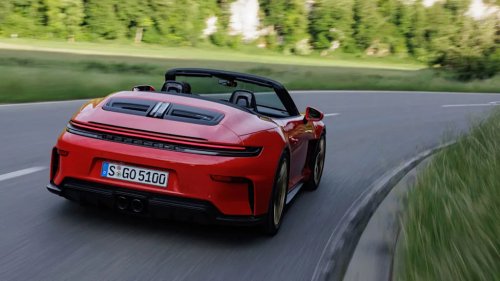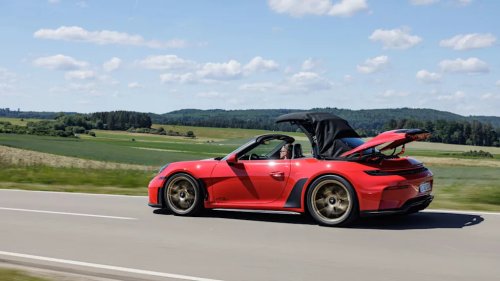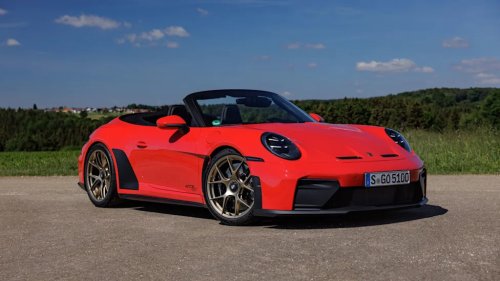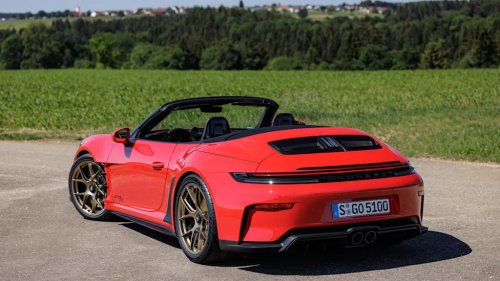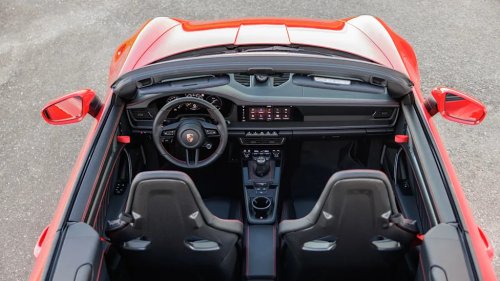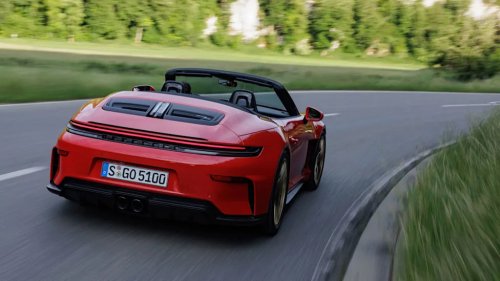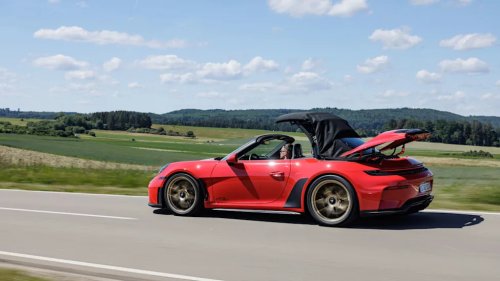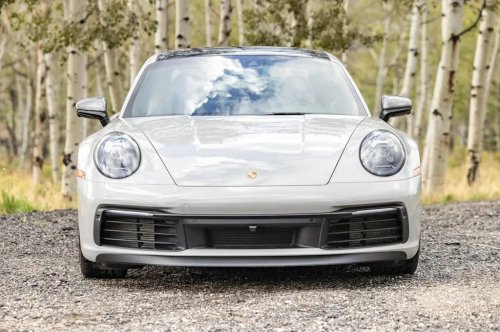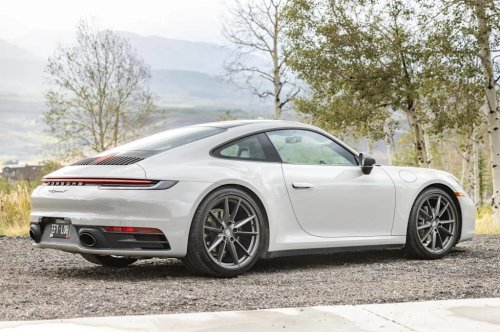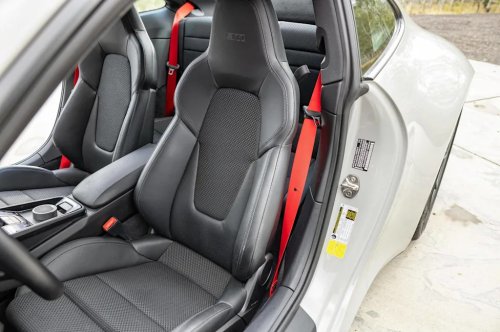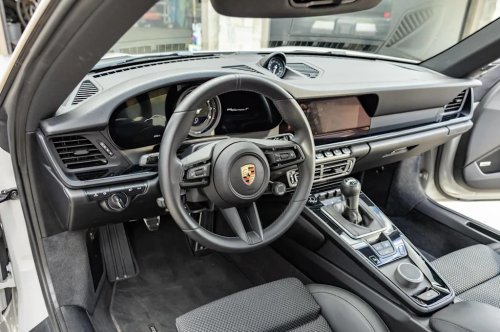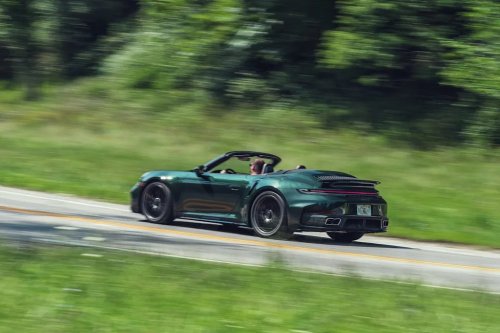
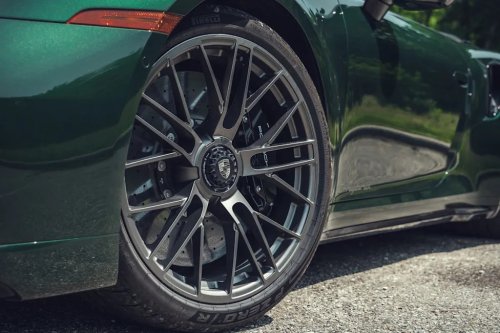
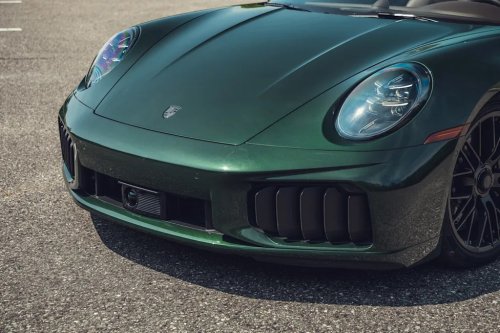
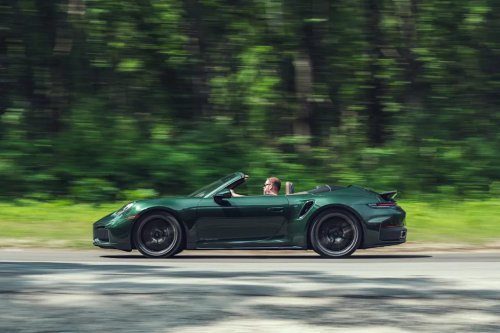



















Tested: 2026 Porsche 911 Turbo S Cab 911-MaxxesMichael Simari - Car and DriverThe Porsche 911 Turbo is one of those cars that's overqualified for public roads, and it has been since 1975. Dig into the throttle for more than a few seconds and you warp into the realm of a viral traffic stop for your local PD. So maybe you save the 911 Turbo's talents for your nearest road course, and that's a good answer for the coupe. But what about the ragtop variant? What do you do with a car like the 2026 911 Turbo S Cabriolet, a four-seat convertible that hits 60 mph in 2.2 seconds?Well, way back when the 911 Turbo S Cabriolet ran quarter-miles in the 11-second range, I took one to a drag strip, thinking I could properly exercise it there. That proved incorrect, because the NHRA rules said that convertibles couldn't break 13.49 seconds without a roll bar, and my first run in the 11s earned me a vigorous scolding. So for the remainder of my runs, I hewed to the letter if not the spirit of the law and mashed the brakes just before the timing lights, ending up with preposterous time slips—13.6 seconds to 60 mph, that kind of thing. The new Turbo S Cab's quarter-mile performance is probably in the one-strike-you're-out bracket: 10 seconds flat at 138 mph. Put the top down and you might outrun sunburn.Michael Simari - Car and DriverThis invigorating acceleration is enabled by a new 3.6-liter flat-six that employs two electric turbochargers and an electric motor mounted betwixt the crankshaft and eight-speed PDK dual-clutch transmission. This system, like Porsche's 919 LMP1 racer, turns turbochargers into a new form of horsepower force multiplier. At low rpm, the high-voltage battery sends juice to the electric motors in the turbos, enabling lag-free spooling before any exhaust gases make their way to spin the compressors. At higher rpm, once the turbos are spinning the old-fashioned way, the electric motors can function as generators—there's no whoosh from wastegates, because excess boost is harvested by the turbo motors for regen, which can be sent directly to the battery or propulsion motor. Sending surplus boost back into the system as electric power is both elegant and effective. On its own, the 3.6-liter makes 631 horsepower and 560 pound-feet of torque, with the hybrid side bringing the net total to 701 horses and 590 pound-feet.AdvertisementAdvertisementBesides the horsepower upgrade, the hybrid Turbo S Cab improves on its predecessor's fuel economy, with the EPA combined rating rising from 16 to 18 mpg. Our observed fuel economy—17 mpg—reflects the fact that when you have 701 horsepower, it's hard to resist using it.The hybrid hardware and inherent convertible weight penalty mean that this 911 is the first we've tested that crosses the two-ton barrier, weighing in at 4005 pounds. Trust, however, that it feels anything but ponderous. To pick just one silly stat, the 911 Turbo S Cab reaches 170 mph in 17.1 seconds. That's slightly quicker than the amount of time it takes a BMW M3 Competition to reach 150 mph, and the BMW M3 is not exactly a pokey machine. All of the Turbo S's acceleration stats are hyperbolic—100 mph in 5.2 seconds!—but it's not a one-trick drag racer. On the skidpad, it pulled 1.10 g's, and stops from 70 mph required just 132 feet.In tacit acknowledgement that the 911 Turbo S is a borderline hypercar, the latest coupe comes standard as a two-seater, with rear seats installed as a no-cost option if you insist. The Cabriolet, however, is four seats only, which speaks to the duality of its mission. Yes, it can post numbers with the best of the best, but it's also a mellow flaneur, happy to burble along top down at 30 mph on the palm-tree-lined thoroughfares of its natural habitats. That's an activity best partaken in a Turbo S without the optional sport suspension and in the default Normal mode. Ramping up to Sport renders the sound and shift quality more aggressive but still street-friendly; Sport Plus is probably a bit much unless you've found fresh pavement far from society. Besides extending the front chin spoiler to a worm-scraping approach angle, Sport Plus uncorks the standard titanium sport exhaust such that the wide-open-throttle interior sound level hits a symphonic 98 decibels. As is 911 Turbo tradition, a good portion of that racket also issues from the air intake event horizons where unsuspecting atmosphere is violently yoinked toward six highly pressurized cylinders.Michael Simari - Car and DriverThe price for this wide-bandwidth alfresco performance: $286,650, before options. But a lot of the good stuff is standard: carbon-ceramic brakes, center-lock wheels, and the electrohydraulic Porsche Dynamic Chassis Control, which nulls body roll via active anti-roll bars. (That system also enables a quicker response from the front-end lift system, which costs $3160.) The standard sound system is a 12-speaker Bose setup that supports Dolby Atmos, so the $4210 Burmester upgrade isn't really a must-have. Of course, this being a 911, you can go nuts with carbon-fiber windshield-wiper arms and the like, but we daresay that a minimally optioned 911 Turbo S Cab is nonetheless a satisfying drive experience and one of the premier means of occasionally terrifying three passengers under open skies.AdvertisementAdvertisementLogically, if you want to fully exploit 911 Turbo S performance, you get a coupe. And if you want to indulge in classic droptop 911 see-and-be-seen sun worship, a standard Carrera Cabriolet is just dandy for that at about half the price of a Turbo S. But logic doesn't guide the 911 Turbo S Cabriolet, or its buyers. To the question of "What do you do with a car like that?" the answer is pretty simple: You don't overthink it. Every now and then, you mash the throttle for as long as you dare, cackle like a maniac, and hope you get away with it.Michael Simari - Car and Driver➡️ Skip the lot. Let Car and Driver help you find your next car.Shop New Cars Shop Used CarsYou Might Also LikeGift Guide: Best Ride-On Electric Cars for KidsFuture Cars Worth Waiting For: 2025–2029