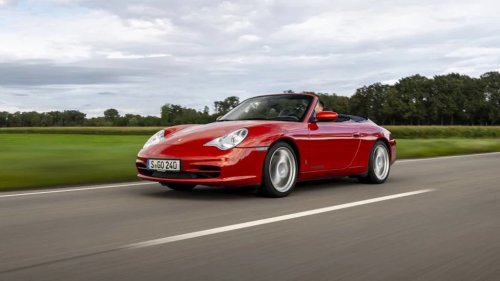
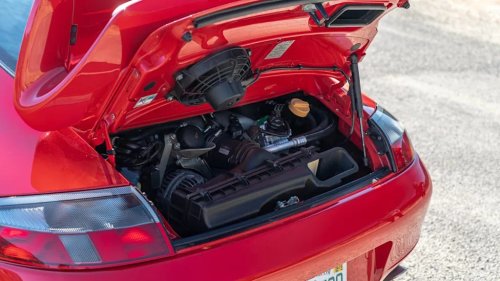
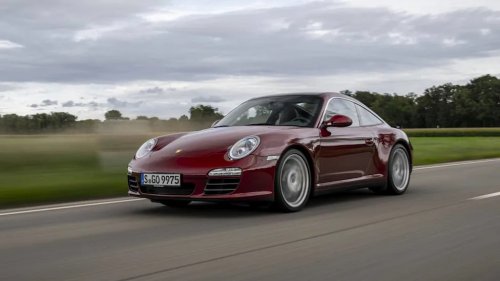
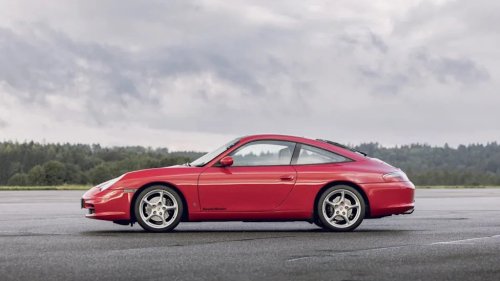
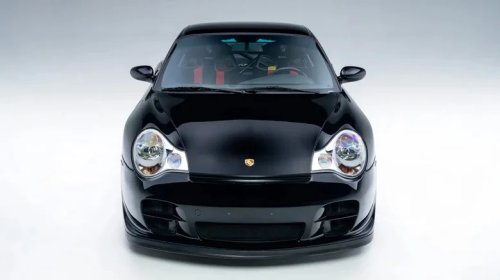
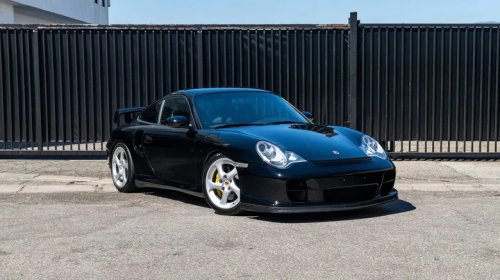
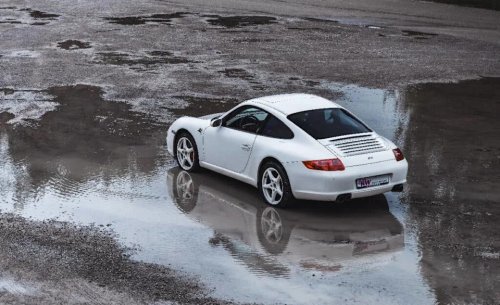
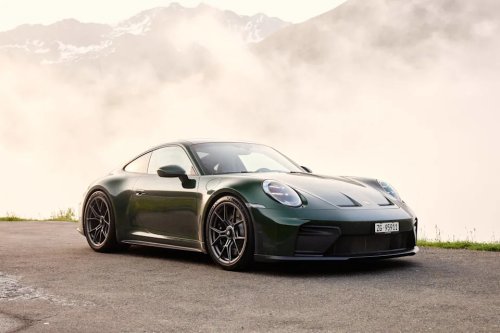
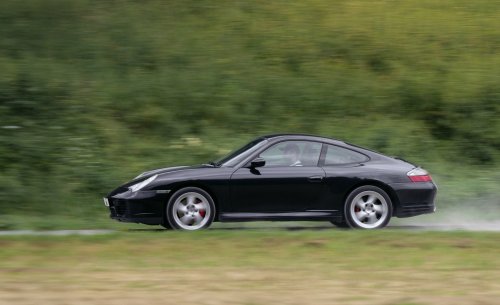
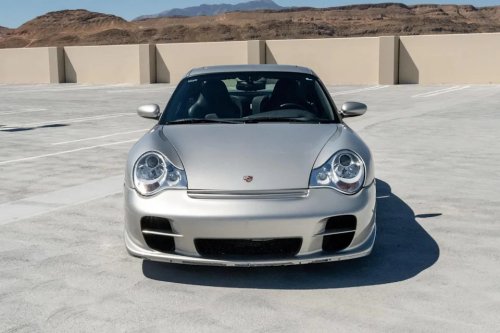
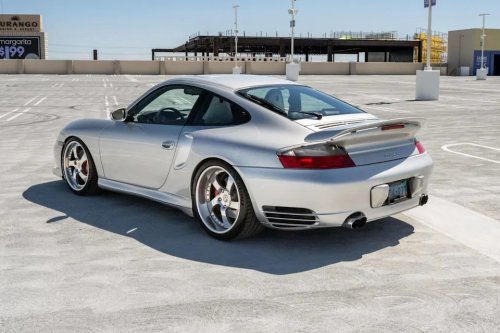
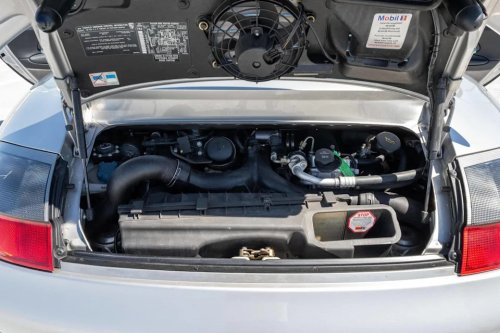
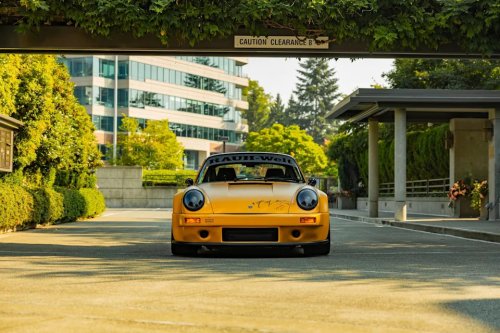
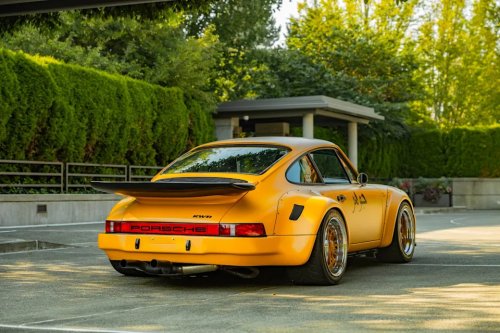
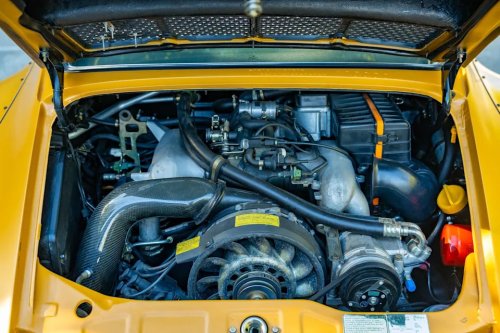
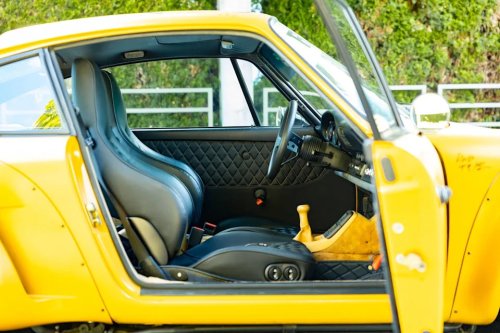
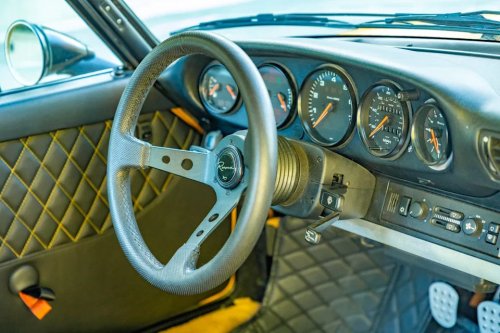
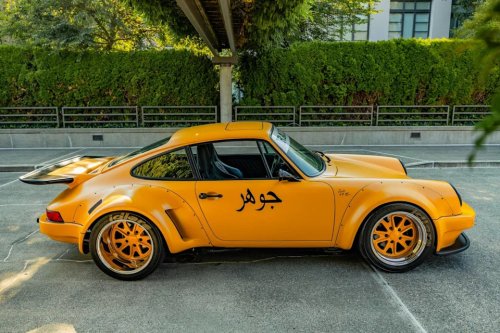
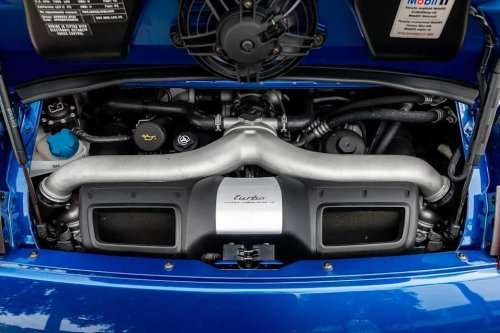
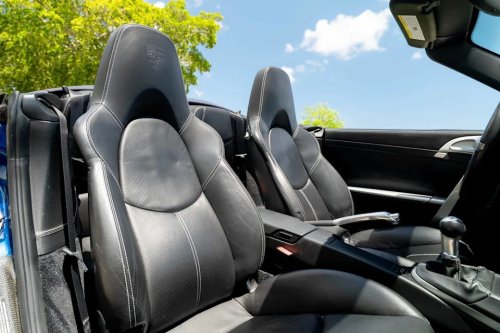
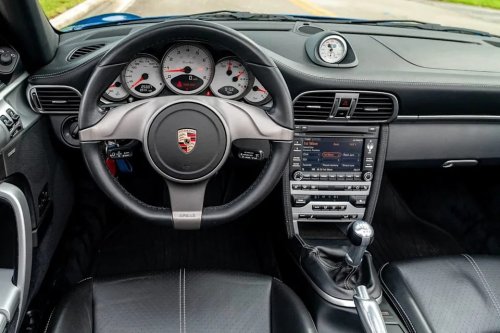
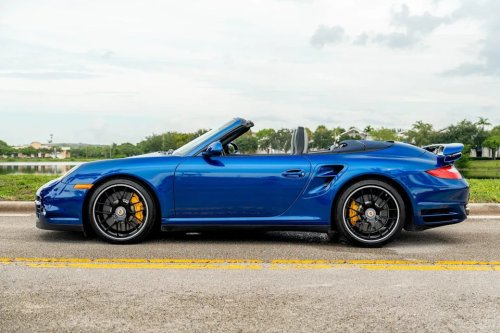
Autoblog and Yahoo may earn commission from links in this article.At the IAA International Motor Show in Frankfurt, Germany, crowds gathered to see what Porsche would unveil in 1997. Everyone there knew a new 911 was coming. Everyone knew something else, too. Porsche was in trouble. Lengthy production times, handmade cars, and dated production facilities had squandered the brand's already narrow margins. A new leaf had to be turned, and the latest 911 would mark the start. 29 years later, and the mark left by Porsche's turn-of-the-millennium sports car has entered a new chapter.The 996 ArrivesView the 3 images of this gallery on the original articleAdvertisementAdvertisementTo get there, we have to go back first. 1997's new 911 did the unthinkable: it ditched air-cooling. The dated, anachronistic outlook on the technology had come to an end at Porsche. From then on, the brand would try its hand at something relatively new: being a serious car company with serious profit margins. To do so, the 996-generation 911 used a new, water-cooled engine that would be shared with an upcoming entry-level roadster, the Boxster. More than that would be shared. The cars were identical from the B-pillars forward to help cut costs, and the interiors would be nearly identical as well.It was time to “break with old habits,” says August Achleitner. From 1989 to 2000, he served as Head of Technical Product Planning, Vehicle Concepts, and Package. His lengthy title meant one thing: Achleitner was in charge of the 996. “Porsche needed a car in a lower price segment to help generate a higher volume of sales. So this led to the idea of the Boxster and the 996 sharing parts.” The 911 still had to be the 911, but some of that could be sprinkled upon a smaller, more volume-focused car to help pad the brand's newfound desire to make money.By the time the 911 landed in the media's hands, it was well known that Porsche had chosen to part out the 911 for another car. No one much cared, owing largely to the success of the Boxster concept. People were excited for both.From what we can see, no one cared much about how the 996 looked in the day. Period reviews focus almost exclusively on the new water-cooled engine and how the car drives. All the usual 911 clichés were thrown around then, as they are now. "Slick-shifting," "balanced," "playful," and a litany of other praises followed. At the time, no one seemed to care much that the 996 made less power than the M3 of the day or that it cost nearly as much. Later versions, a Targa, Turbo, and Carbiolet, as well as all-wheel drive 4 and 4S models, all received similar praise.Need New Tires? Save Up To 30% at Tire RackFind the perfect tires for your exact vehicle and driving style. Click here to shop all top-tier brands, including Michelin, Bridgestone, and more, directly at Tire Rack.When Did The Tide Turn On The 996?What happened? It's not clear. At some point after the debut of the 997-generation 911 in 2005, people flipped on the 996. Perhaps this is the fault of the 997 911 and subsequent 987 Boxster. Porsche's strategy worked. It was making money, led in no small part by the Boxster and Cayenne SUV. It spends the money on making its newer cars more distinct items, including honing the 911's edge.No matter when it happened, one thing is certain: the 997 is an objective upgrade over the 996. Most folks prefer the looks. We've all heard the term "egg" to refer to the 996's lights. The return of the round lights on the 997, coupled with more power, more options, better handling, and a nicer interior, probably did in the 996. Age helped out here, too. Maintenance problems, like the famed IMS bearing, began to pop up on older 996s. Inteiors started to fade, crack, and fill with foam from the car's bad HVAC blower motors. Most owners dumped theirs for 997s. The 996 turned into the depreciated, expensive-to-run German luxury sports car it was always going to be.Y2K Nostalgia, Millennials, And The 997 Brought Back The 996PorscheAt some point in the last six or so years, the tide has shifted again. Now, as then, it's tough to pinpoint when. Instead, it's easier to look at a simple fact of life: people age. The best example of this is the muscle cars of the 1960s. The baby boomers watched those cars with lust in their eyes and empty pockets. Then, they aged. They got jobs, made money, and bought the cars of their youth. If you were born in 1987, you're a Millennial, and like the boomers before you, you've aged, gotten a job, and now have the money to make the unattainable cars of your youth a reality.AdvertisementAdvertisementNostalgia is a powerful thing. No greater pair of rose-tinted glasses exists. Whatever faults the 996s had, and few they were, have been painted over by now. The best examples are rapidly becoming worth more money. Turbos can clear six-figures, GT3s, well, those never depreciated really, but even basic Carrera models are now a $30,000 proposition. Time, money, depreciation, and a few decades of Millennial aging have turned the 996 911 into the one thing no one thought it could be: collectible.This story was originally published by Autoblog on Jun 1, 2026, where it first appeared in the Features section. Add Autoblog as a Preferred Source by clicking here.