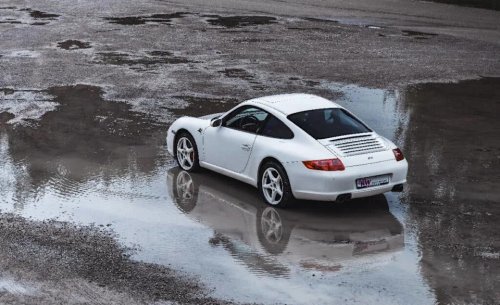
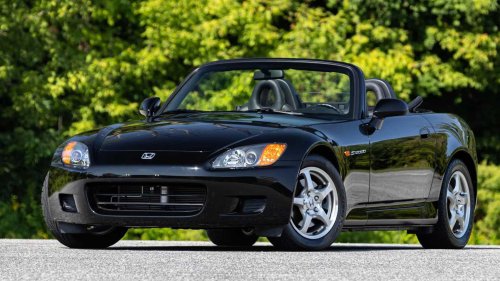
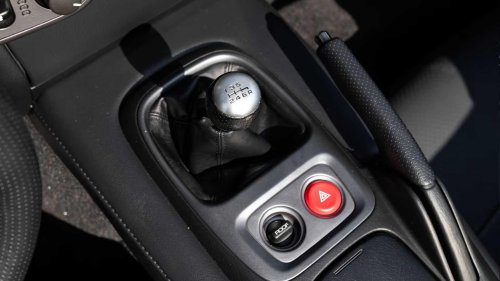
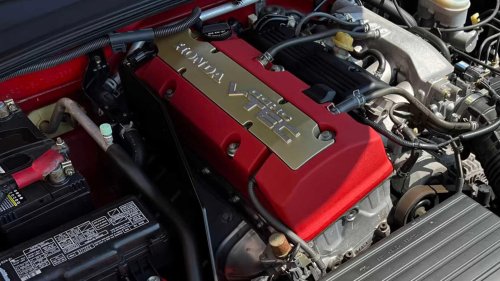
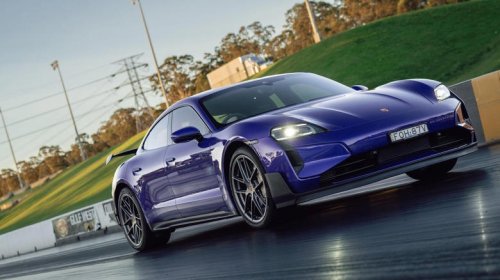
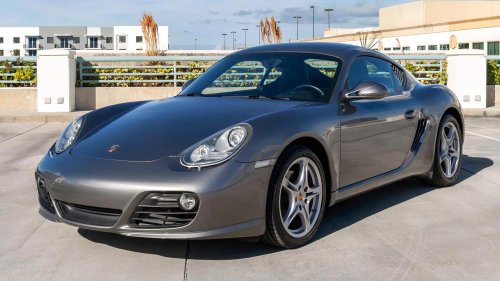
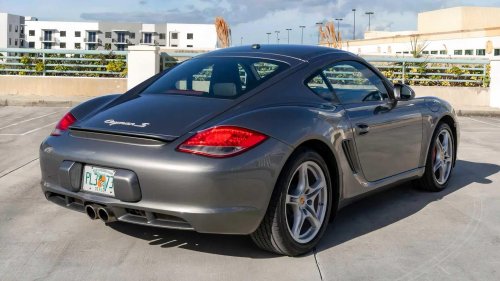
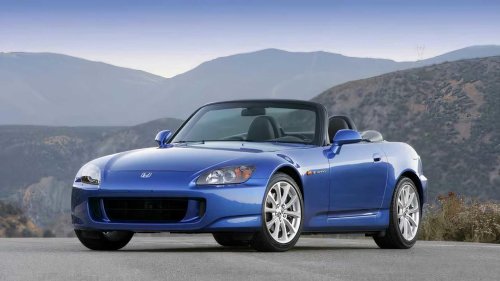
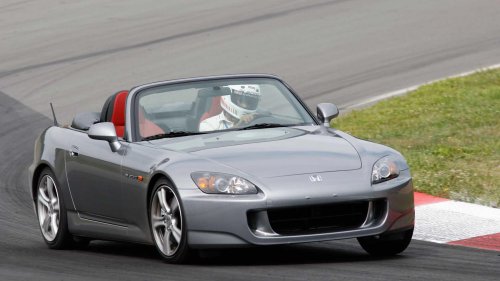
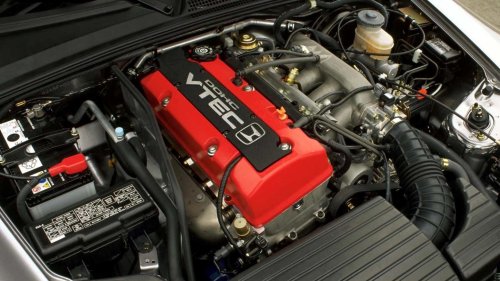
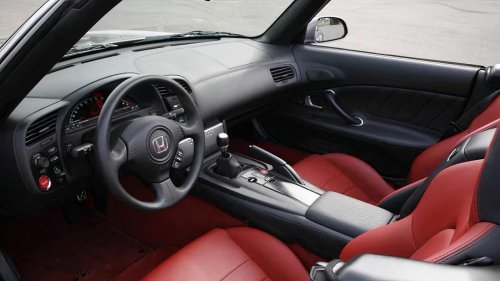
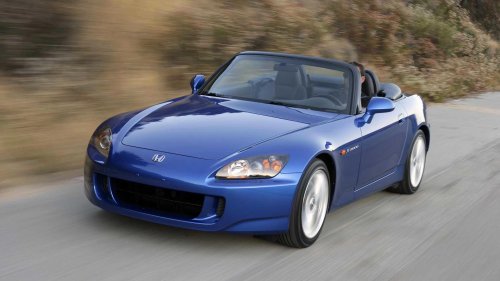
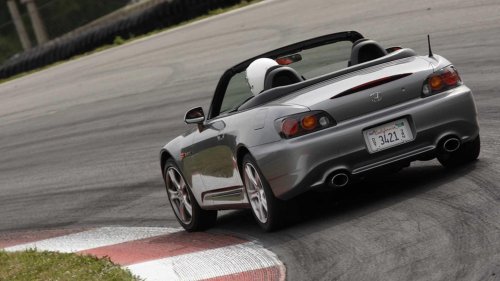
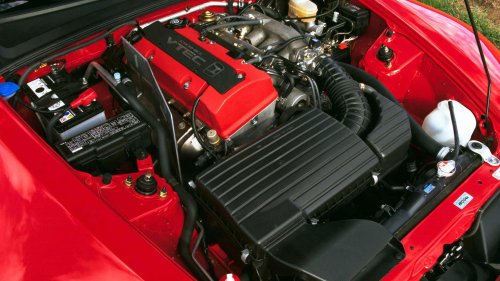
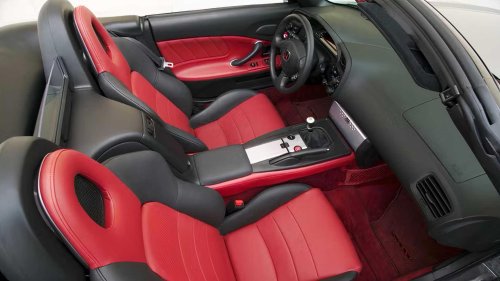
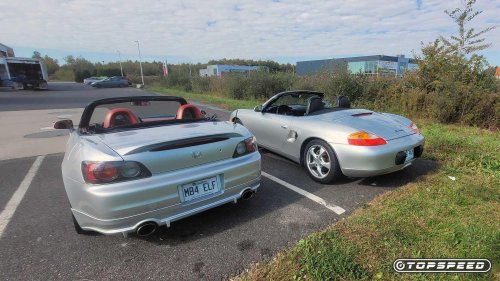
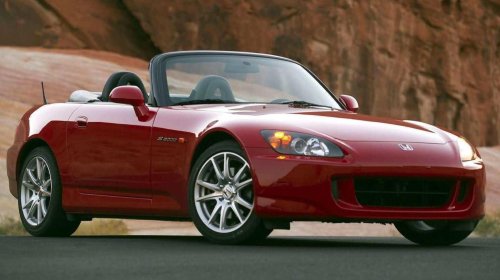
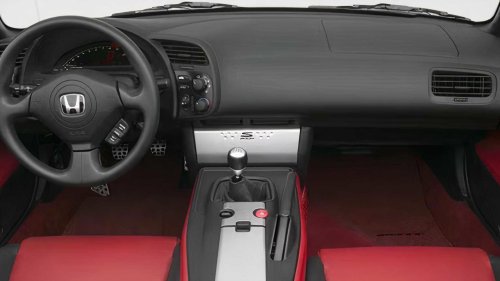
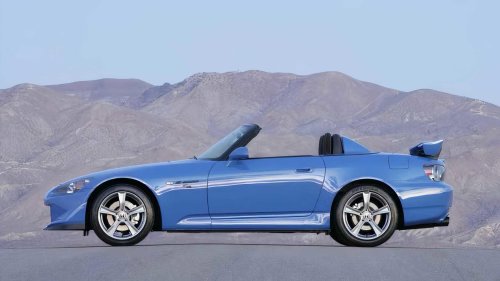
Performance car culture has changed dramatically over the last decade. Once, a Porsche crest automatically commanded respect at every track day, canyon run, and autocross event. The assumption was simple: if you owned a Cayman S or Boxster S, you had bought one of the purest driver’s cars money could buy. But the used performance market has evolved into something far more interesting.Today, lightweight Japanese sports cars with exceptional chassis tuning and bulletproof reliability are increasingly exposing the weaknesses of aging German machinery. That shift becomes painfully obvious at amateur track days, where lap times are only part of the story. Confidence behind the wheel, predictable handling, consumable costs, and durability often matter far more than outright horsepower. And that is precisely where one Japanese icon has quietly built a reputation for humiliating far more expensive European sports cars.Against used Porsche Cayman S and Boxster S models now occupying similar price brackets, here this Japanese contender delivers an experience many drivers ultimately trust more. And in the hands of a committed driver, it can leave Porsche owners asking uncomfortable questions about where their money actually went. Why Used Performance Cars Are Making Badge Prestige Matter Less Than Ever Bring A Trailer The modern used sports car market has changed dramatically over the last decade. Cars that once occupied completely different financial brackets are now competing for the same buyers, and that overlap has started exposing an uncomfortable truth for traditional badge loyalists: prestige does not always translate into the best driving experience. A used Porsche Cayman S or Boxster S may still carry the social weight of Stuttgart engineering, but on track, reputation alone means very little once the helmets go on and lap timers start running.That shift has created a growing appreciation for lightweight Japanese performance cars that prioritize feedback, simplicity, and durability over luxury branding. Enthusiasts are increasingly discovering that a well-balanced analog sports car can feel more rewarding than a heavier, more expensive European alternative loaded with prestige and expectations. Track days have especially become the great equalizer. Drivers quickly learn that confidence, predictability, and communication often matter more than outright horsepower figures. A lighter car with sharp steering and approachable limits can carry immense speed through corners while allowing drivers to push harder with less intimidation. Maintenance Costs Put A Limit On How Much Fun You Can Have Bring A Trailer Aging German sports cars can become expensive to maintain once consumables, repairs, and reliability concerns enter the equation. Tires, brakes, cooling systems, and specialist labor costs all add up quickly when a Porsche is driven the way it was intended to be driven. This changing landscape is why so many hardcore enthusiasts are beginning to prioritize driver engagement over status symbols. The modern performance community increasingly respects cars that deliver genuine connection and repeatable track capability rather than simply wearing an expensive badge. How The Honda S2000 Became The Lightweight Track Weapon That Exposes Porsche Weaknesses Honda When Honda launched the S2000 for the 2000 model year, it felt almost absurdly uncompromising. Here was a naturally aspirated roadster producing 240 horsepower from just 2.0 liters, revving to 9,000 RPM, and paired exclusively with a six-speed manual transmission. At a time when most sports cars chased torque and comfort, Honda built something razor sharp and unapologetically demanding. That purity is exactly why the S2000 became a track legend. The AP1-generation car weighed roughly 2,800 pounds, significantly lighter than many contemporary Porsche Boxster S models. Its near-perfect 50:50 weight distribution, double-wishbone suspension setup, and exceptionally rigid chassis created a car that behaved with astonishing precision once pushed hard.On tighter technical circuits, that balance became a genuine advantage over heavier German rivals. While the Cayman S often enjoyed a power advantage, the S2000 could claw back time under braking and through transitional corners thanks to its agility and responsiveness.Track-day instructors frequently describe the S2000 as one of the best “momentum cars” ever built. Maintaining speed becomes addictive because the chassis communicates every ounce of available grip. Drivers quickly learn to trust the car’s front-end bite and neutral balance. Racing instructor and SCCA Hall of Famer Randy Pobst once described the S2000 as “one of the purest steering cars ever made,” and that praise still echoes through track communities today. The steering rack remains among the quickest and most communicative ever fitted to a production sports car.Honda Meanwhile, the Porsche can occasionally feel more clinical. The mid-engine Cayman S undoubtedly possesses immense capability, but it also isolates the driver slightly more. The S2000 demands participation. It rewards commitment. It punishes laziness. That interaction is precisely why so many experienced drivers remain obsessed with it decades later. The Engine Itself Also Plays A Major Role In The Experience HondaHonda’s legendary F20C and later F22C1 powerplants encourage drivers to chase every last RPM. Unlike turbocharged engines that flatten power delivery into a wave of torque, the S2000 builds intensity progressively until the tachometer swings toward redline. On track, that creates an emotional connection many modern sports cars struggle to replicate. The Porsche may feel faster exiting slower corners, but the Honda often feels more alive everywhere else. And because the car constantly communicates its limits, drivers frequently discover they can push harder than expected. That confidence becomes devastating on a circuit. Steering Feedback, Chassis Balance, And Cornering Precision That Give Drivers Confidence Honda There is a reason experienced drivers obsess over steering feel. Horsepower figures may dominate online arguments, but steering communication determines whether a driver can consistently extract performance lap after lap. The Honda S2000 excels here in a way few modern sports cars can match. Every input feels immediate. The front axle reacts with surgical precision, while the chassis rotates progressively enough to let drivers adjust cornering attitude mid-turn without panic. There is very little slack in the system. The car feels alive beneath you. That confidence transforms the driving experience.Many Porsche Cayman S models from the same era possess superb balance, but they also carry more weight and more complexity. As speeds rise, the Porsche feels planted and secure. The Honda feels alert and eager. On a flowing circuit filled with rapid direction changes, that agility can become a serious equalizer. Drivers comfortable with the S2000’s personality often carry astonishing corner speed because the chassis communicates grip levels so transparently. A Truly Lethal Weapon In The Right Hands Honda One longtime track-day coach on S2000 forums famously summarized the difference this way: “The Porsche is easier to drive quickly at seven-tenths. The Honda is easier to trust at ten-tenths.” That distinction matters enormously. Trust is what separates a fast car from a truly rewarding one. The S2000 encourages drivers to attack braking zones aggressively because the chassis remains composed. Its steering provides immediate feedback regarding front-end grip, allowing drivers to make tiny corrections instinctively.Even the car’s reputation for snap oversteer has become somewhat misunderstood over time. Early AP1 models could indeed punish abrupt throttle lifts, particularly with inexperienced drivers. But skilled owners quickly learned that the chassis rewarded smoothness and commitment rather than timid inputs. The result is a sports car that feels deeply mechanical and interactive in ways many newer performance cars simply do not. The Porsche, by comparison, can occasionally feel too polished. Its capability is undeniable, but some drivers argue that it filters too much sensation away from the driver in pursuit of refinement.Honda The Honda does the opposite. It amplifies every sensation. You feel the tires load up. You sense the rear differential working. You understand precisely how much grip remains available. That transparency turns the S2000 into an extraordinarily effective learning tool for serious drivers. And once mastered, it becomes brutally fast in the hands of someone who knows how to preserve momentum. The Cost-Per-Lap Math Honda Track driving is one of the fastest ways to destroy a bank account. Tires vanish. Brake pads evaporate. Fluids require constant replacement. Reliability becomes critical because every mechanical failure means lost track time and escalating repair costs. This is where the S2000 begins humiliating Porsche ownership economics. A used Cayman S may initially appear affordable at around $25,000 to $35,000, depending on condition, but maintaining one for regular track use can become punishingly expensive. Porsche parts pricing remains notoriously high, and labor costs often escalate quickly due to the complexity of mid-engine packaging.Brake jobs alone can become painful. Consumables for a Cayman S regularly cost substantially more than equivalent components for an S2000. Tires disappear faster as well because the Porsche carries more weight and generates greater thermal load during hard sessions.Honda The Honda’s simplicity becomes its greatest financial weapon. The F20C and F22C1 engines have earned legendary reputations for durability when properly maintained. Owners routinely subject these engines to repeated high-RPM abuse with relatively few catastrophic failures. Parts availability also remains strong, and aftermarket support is enormous. Track-day veterans often point out that an S2000 owner can complete multiple events for the cost of one heavily consumable-intensive Porsche weekend. The value proposition is driven even higher when we consider the S2000's average price sits at just over $33,000, according to Classic.com, with some dipping below the $30,000 mark. That Math Changes Driver Behavior William Clavey | TopSpeed When drivers are not terrified of repair bills, they push harder. They experiment more aggressively with braking points and corner entry speeds. They develop faster because the car feels financially approachable. A Porsche owner nursing expensive Michelin Pilot Sport tires and massive brake rotors may subconsciously hesitate. The Honda owner usually just keeps lapping. Fuel economy also favors the lighter Japanese car, particularly during transportation to and from events. Insurance costs remain lower. Basic maintenance is dramatically cheaper. Then there is reliability.Older German sports cars often develop reputations for unpredictable electrical issues, cooling problems, or oil leaks as mileage climbs. The S2000, meanwhile, behaves with the durability of a Civic despite operating at race-bike engine speeds. That reliability earns enormous respect within track communities. It also explains why many experienced drivers would rather own an S2000 and spend the remaining budget on tires, coaching, and seat time than stretch financially for a Porsche badge. Because ultimately, seat time makes drivers faster, not prestige. Why Hardcore Track-Day Drivers Still Respect Japanese Engineering Over German Status Symbols Honda Among casual enthusiasts, Porsche still commands enormous respect. And deservedly so. The Cayman S remains one of the finest sports cars ever engineered. Its balance, braking performance, and mid-engine composure are genuinely world-class. But hardcore track-day drivers often evaluate cars differently. They value consistency over image. They care about communication more than prestige. They prioritize durability, predictability, and operating costs because those factors determine how often they can actually drive at the limit. That is precisely why Japanese performance engineering continues earning such fierce loyalty.Cars like the Honda S2000 and Nissan GT-R built reputations not through luxury, but through repeatable excellence under punishment. The GT-R famously terrorized Porsche owners for years by delivering devastating all-weather pace and astonishing launch performance for a fraction of the cost of European exotics. The S2000 represents the lighter, purer version of that same philosophy. It strips performance driving down to fundamentals: steering feel, chassis balance, gearbox precision, and driver engagement. There are no gimmicks hiding underneath. If you are fast in an S2000, you earned it. That authenticity resonates deeply within enthusiast culture.Honda Track paddocks are filled with stories of lightly modified Japanese cars embarrassing supposedly superior European machinery. Often, it comes down to accessibility. Japanese performance cars invite drivers to explore their limits repeatedly without fear of catastrophic repair bills. And that freedom creates better drivers. The S2000 Defined Its Identity Through Deliberate Execution Honda Ironically, the S2000’s greatest strength may be that it never tried to imitate Porsche. Honda approached the sports car formula with entirely different priorities. Instead of emphasizing luxury and refinement, it focused obsessively on response, weight balance, and mechanical purity. The result is a car that still feels shockingly modern from behind the wheel. More importantly, it remains one of the few affordable sports cars capable of genuinely humbling more prestigious machinery on a technical racetrack.That does not mean the S2000 is objectively “better” than a Cayman S in every measurable category. It is not faster in a straight line, nor is it more luxurious or refined. But on track, where communication and confidence matter most, the Honda often feels more exploitable, more trustworthy, and ultimately more rewarding. And for many drivers, that matters far more than the badge on the hood.Sources: Honda, Porsche, Classic.com



















 +67 others