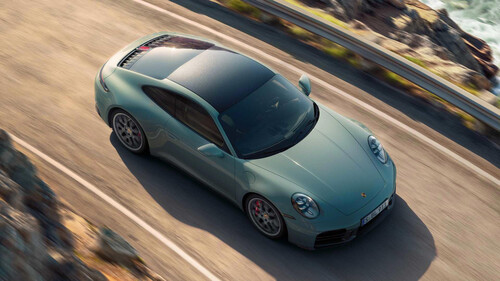
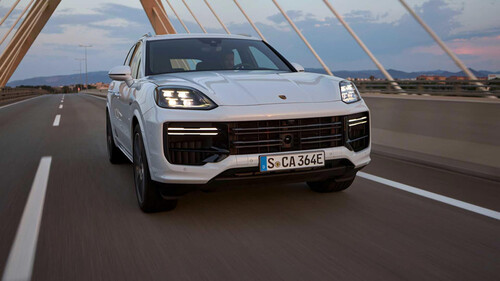
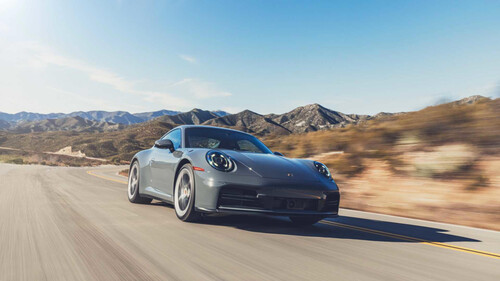
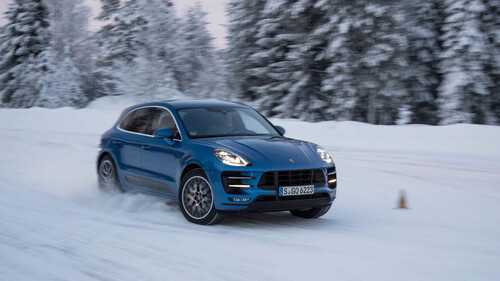
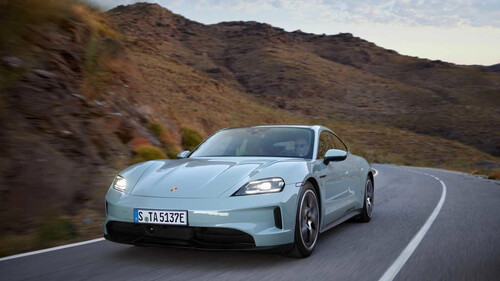
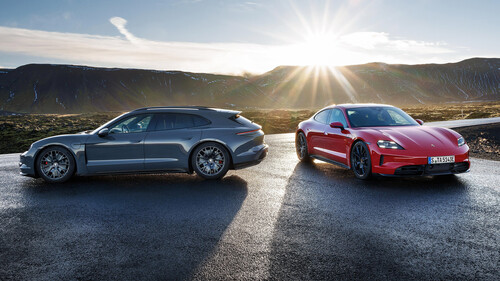
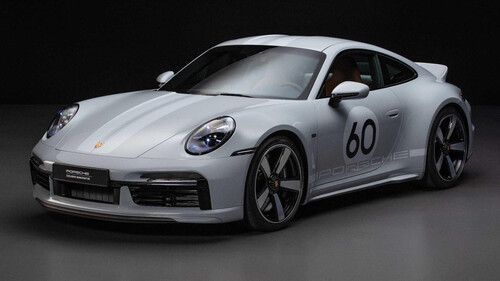
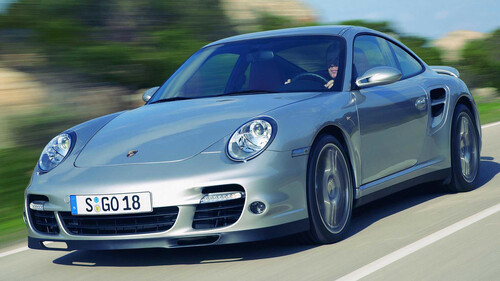
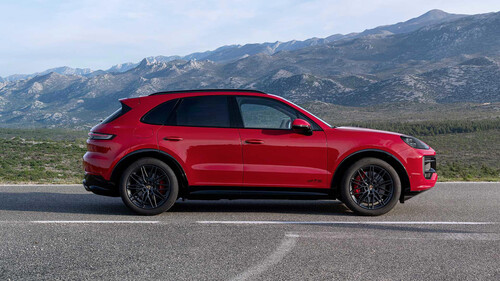
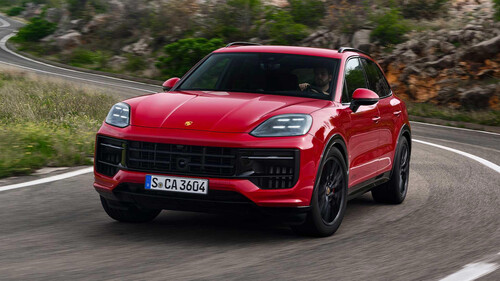
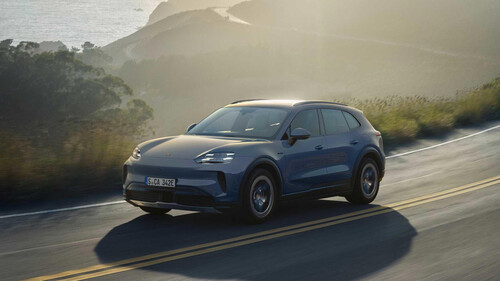
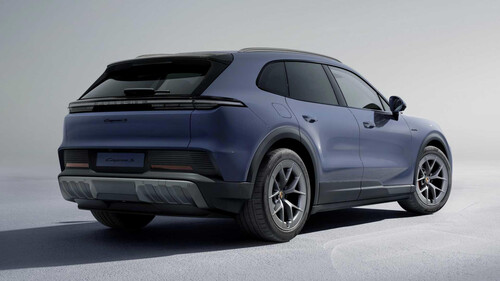
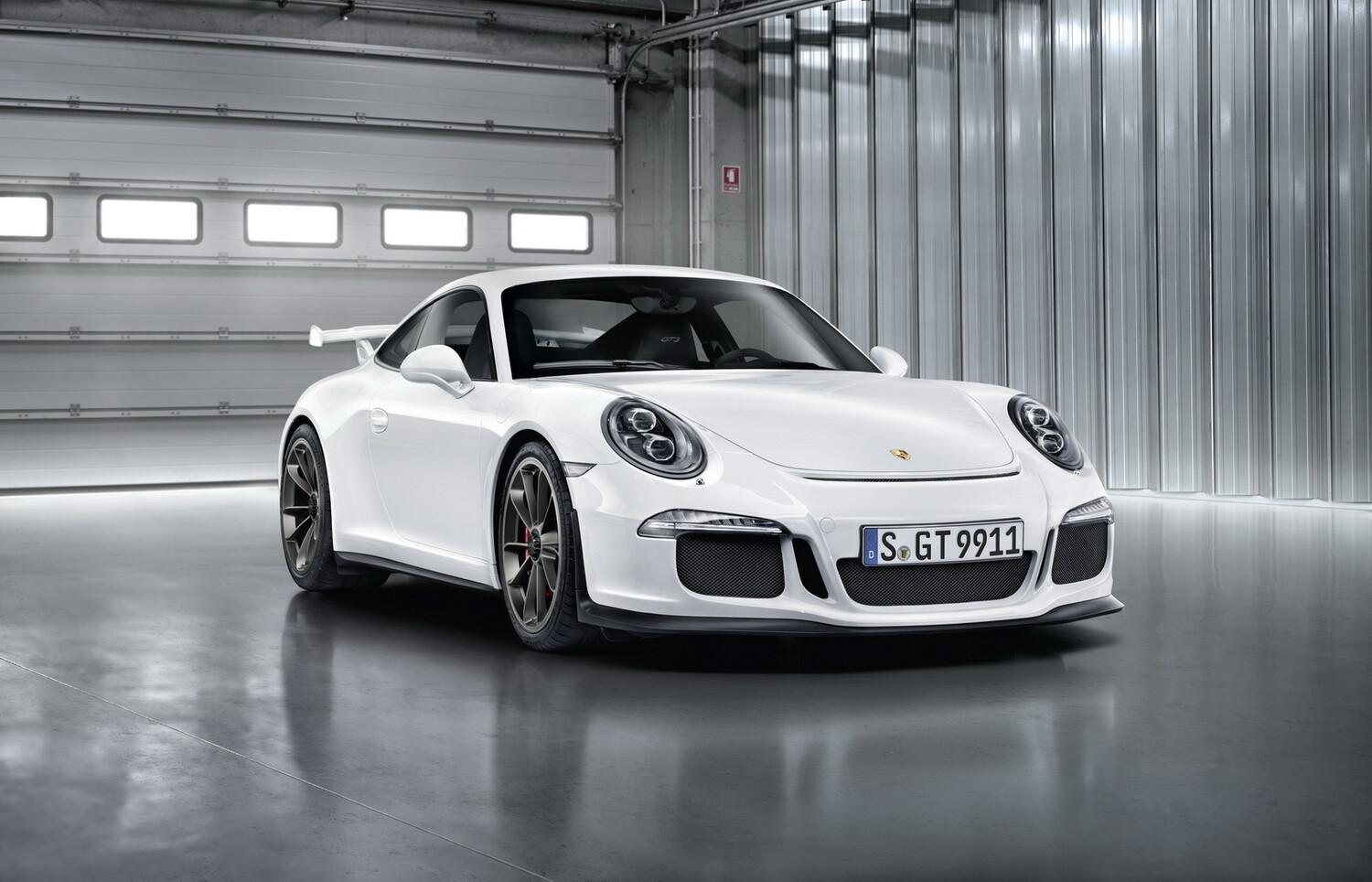
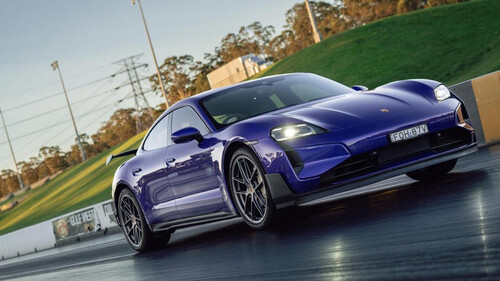
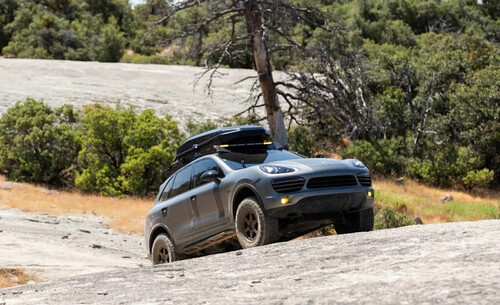
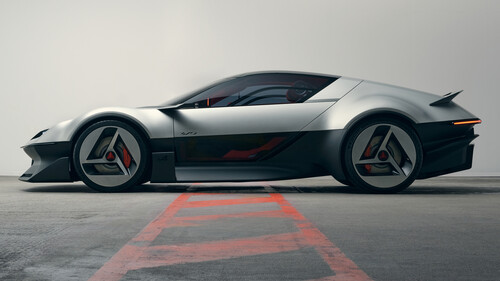
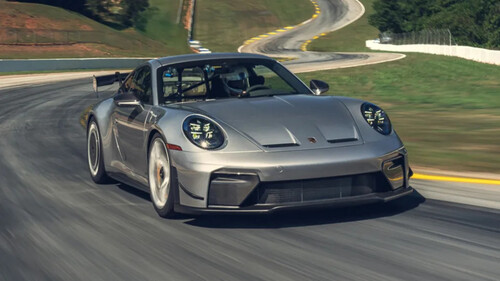
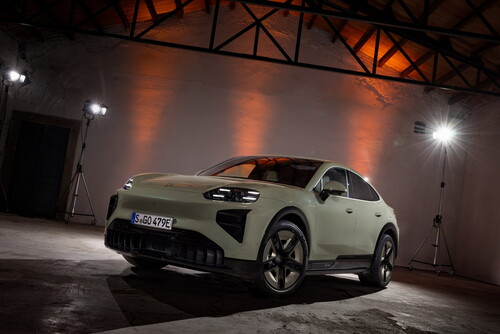
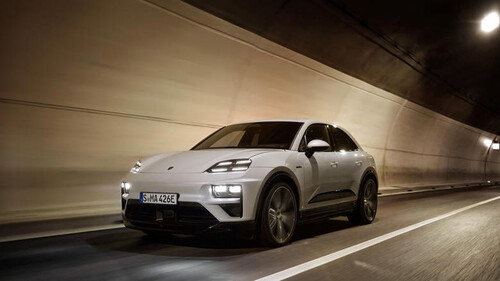
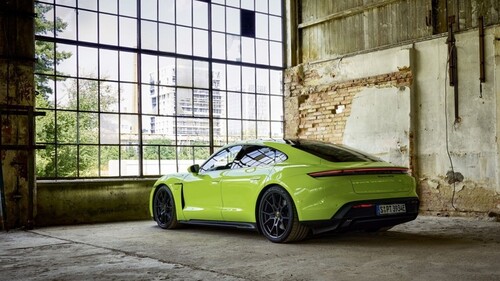
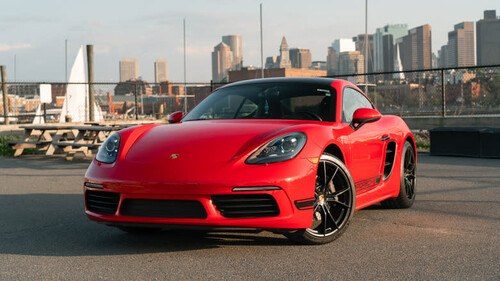
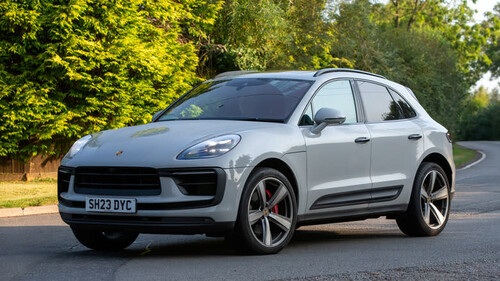
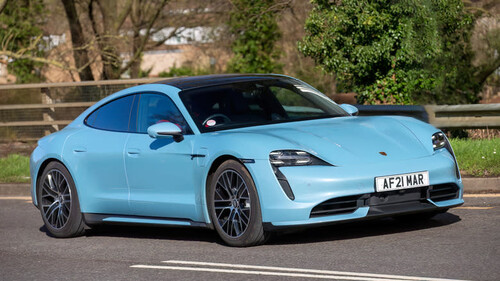
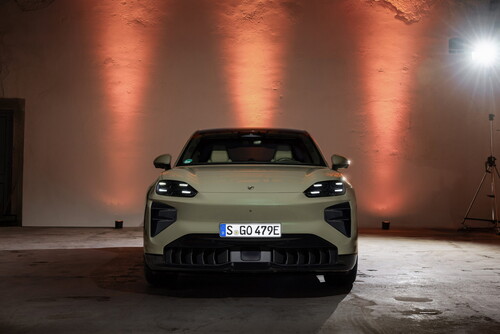
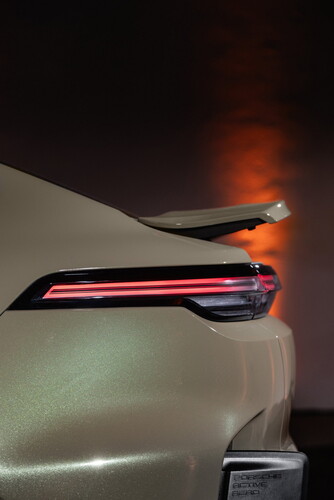
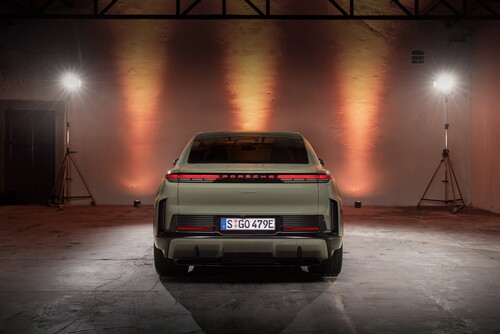
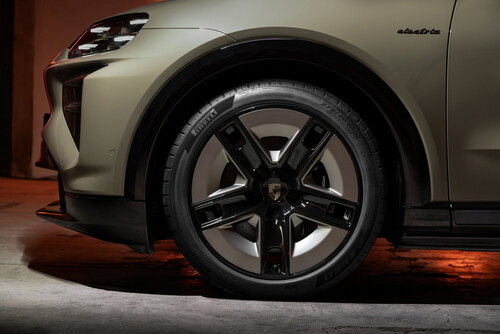
Porsche's 16% Sales Drop Hides a Deliberate Lineup OverhaulPorsche's headline number for the first half of 2026 looks grim on its own: 122,306 cars delivered worldwide, down 16 percent from the 146,391 it moved a year earlier. Before anyone drafts the obituary, though, read the model-by-model breakdown. This isn't a company whose customers are walking away. It's a company that has deliberately pulled two of its bread-and-butter models off the board mid-cycle, and is eating the volume hit while it swaps the lineup underneath itself. The clearest evidence sits right at the top of the range: the 911 was up 19 percent, to 30,534 cars. When your most expensive, least practical, most emotionally driven model is the one growing, demand is not the problem.Here's what the numbers are actually telling you, and why a few of them matter if you're shopping.The 718 hole is the story nobody's pricing in yetThe 718 Boxster and Cayman collapsed to 2,789 deliveries, down 73 percent, for the simple reason that Porsche stopped building them in October 2025. That's not a slump, it's a discontinuation working its way through the pipeline. The practical fallout is bigger than one bad line on a spreadsheet: the entry point to a new, combustion Porsche sports car no longer exists, and the electric replacement isn't here. Anyone who wanted a naturally aspirated, mid-engined Porsche now shops the used market, and the supply is finite by definition.Related ArticlesMcLaren M6GT: Bruce McLaren's Lost 1960s Road Car Rebuilt by MSODream Giveaway Offers Chance to Win a Frame-Off Restored 1970 Oldsmobile 442 W30AdvertisementAdvertisementThat's the part worth acting on. The final-run ICE 718s, the GTS 4.0 with the manual, the Spyder RS, the GT4 RS, are exactly the kind of last-of-their-kind, high-revving analog cars that tend to hold value and then quietly climb once buyers realize the factory won't make another. If you've been circling one, understand that you're now buying an appreciating-candidate collectible, not a depreciating toy, and price accordingly.The Macan is a dead model walking (outside the EU)The Macan tells the transition story in miniature. It moved 35,315 units, down 22 percent, split between 19,695 combustion cars and 15,620 electric ones. Porsche is still selling the gas Macan alongside the electric version in most markets outside the European Union, where the ICE car is already gone, but production ends at the end of July 2026. If you specifically want the combustion Macan, that's your window, and it's closing in weeks.Manage your expectations on this one, though. Unlike the 718, the Macan is a mainstream compact SUV built in large numbers. A run-out ICE version is a last-chance purchase, not a future auction star, so buy it because you want it, not as an investment. And if you're buying the outgoing model, negotiate like it's outgoing.China's plunge is a choice, not just a woundChina fell 32 percent, to 14,501 cars, and for the first time in a long while Porsche sold fewer vehicles there than in Germany. The reflex is to read that as pure weakness in a brutal market, and the price war among domestic Chinese EV makers is genuinely savage. But Porsche's own explanation includes a phrase enthusiasts should learn to translate: a continued focus on "value-oriented sales." That's the polite way of saying the company is deliberately supplying below demand rather than discounting to chase volume.AdvertisementAdvertisementWhy should you care if you'll never buy a car in Shanghai? Because that strategy exists to protect pricing and residual values, and residuals are what determine your lease payment, your insurance replacement value, and what your car is worth when you sell it. A manufacturer that floods a market with discounts torches the resale value of every car already on the road. Porsche choosing margin over volume is, in the long run, the owner-friendly call, even if it makes the delivery chart look ugly.The U.S. lost a price leverNorth America stayed Porsche's biggest region at 37,712 cars, but slipped 13 percent, and Porsche points partly to the expiration of U.S. tax incentives for electric and hybrid vehicles. That's a regulatory shift with a direct wallet consequence: the federal credits that quietly knocked money off the effective price of an electrified Macan, a Cayenne E-Hybrid, or a Taycan are gone, so those cars now cost more to put in your driveway than the same car did in 2025 even before any sticker change. If you're running lease math on an electrified Porsche, the tailwind you might remember from last year isn't there anymore.Two new products, one strategySales boss Matthias Becker called the half in line with expectations and pointed to two recent reveals: the 911 GT3 S/C and the Taycan's new E-Shift system. Look at those side by side and you can see the whole company's bet. The GT3 S/C is the first GT3 with a folding roof, powered by the 4.0-liter naturally aspirated flat-six that spins to 9,000 rpm, and it's offered exclusively with a six-speed manual. No PDK, no compromise, pure analog theater at $273,000 before the delivery fee.Related ArticlesMecum Monterey 2026 Spotlight: The Ultra-Rare BRABUS Porsche 911 Turbo S 900 Rocket RNo Reserve: This 2,000-Mile 2023 Porsche 911 GT3 Touring Is a Future Icon On Bring a TrailerAdvertisementAdvertisementThe Taycan E-Shift chases the same feeling from the opposite direction: eight simulated gears you row through with paddles, complete with fake shift shove, drag torque that mimics engine braking, and a synthesized soundtrack. It's optional on most Taycans and standard on the Turbo GT. Strip away the powertrains and both cars are selling the same thing, engagement and drama, one with a real gearlever and one with software pretending to be one. That's the tell for where Porsche thinks its pricing power lives: not in raw speed, which every heavy EV now has, but in how a car makes you feel.Quietly funding all of it is the Cayenne, still the strongest single line at 38,141 deliveries even down 9 percent, with the new Cayenne Electric only starting to reach customers at the end of June. Enthusiasts love to sneer at the SUVs, but the Cayenne and Macan are the reason a manual-only, open-top GT3 can exist at all.The practical takeaway: a 16 percent drop that a manufacturer planned for reads very differently than one that blindsided it, and the 911's growth suggests the core business is fine. The real questions land in the autumn, when Porsche says it will detail its Strategy 2035 at its Capital Markets Day. That's where you'll learn whether the electric 718 is still happening, how far the combustion reprieve for the Macan and Cayenne extends, and whether "value over volume" is a temporary posture or the new house style. Until then, if you want a new combustion 718, you're already too late, and if you want the gas Macan, you have until the end of the month.Join our Newsletter, follow our Instagram page, and follow us on Facebook.