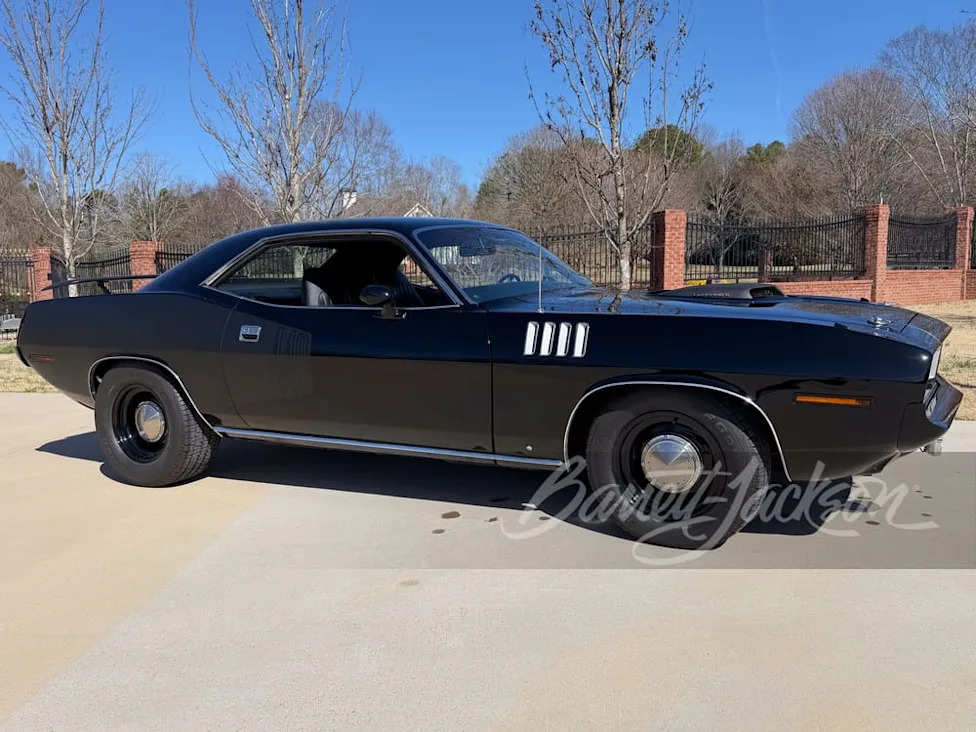
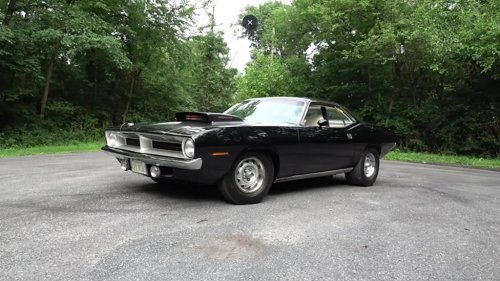
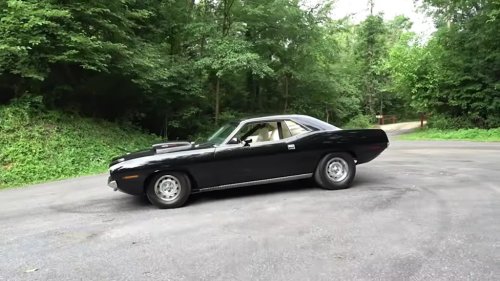
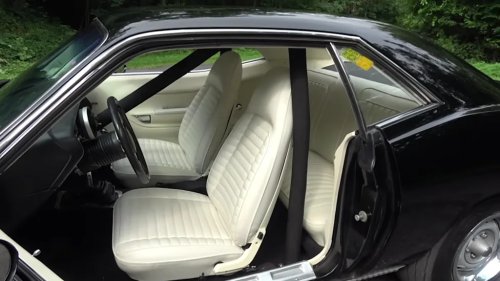
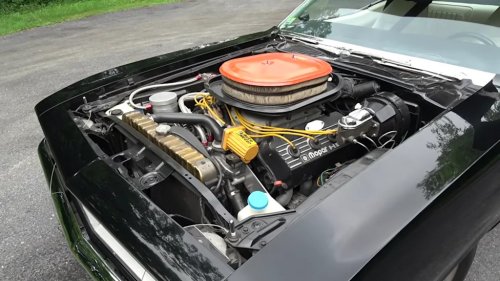
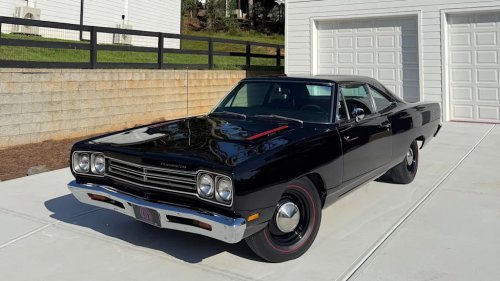
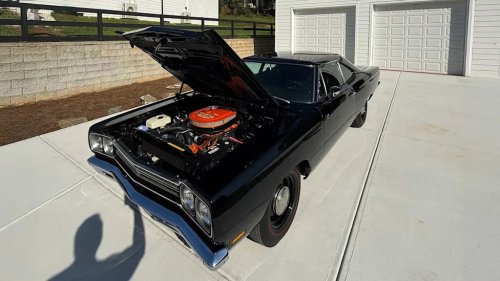
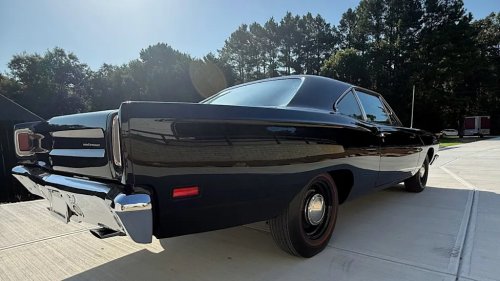
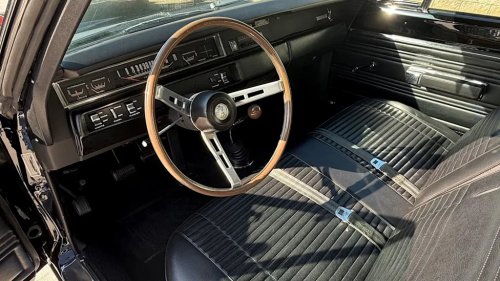
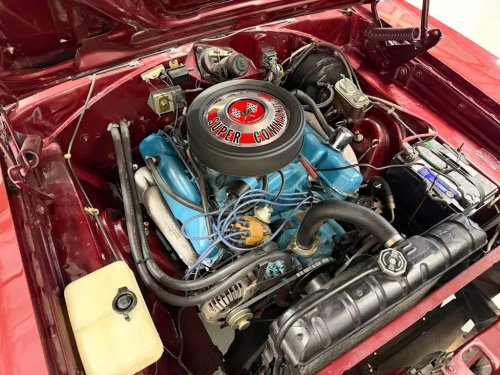
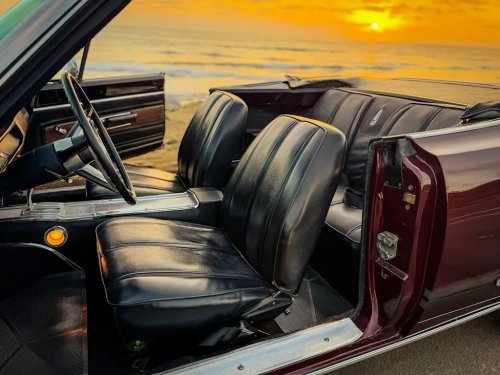
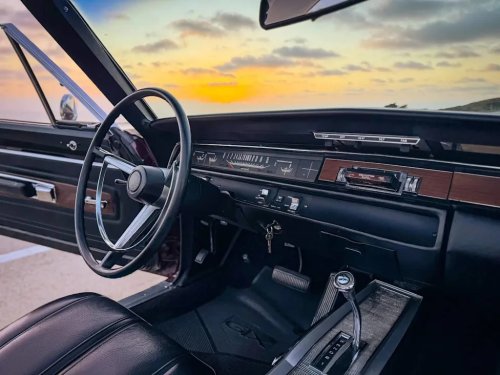
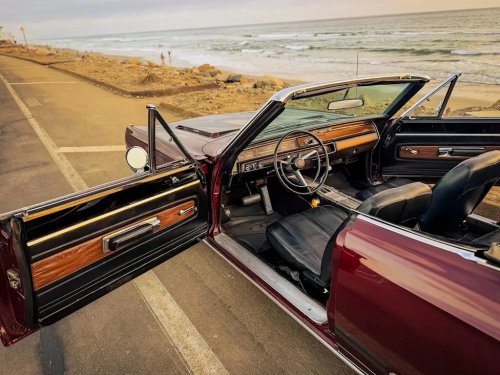
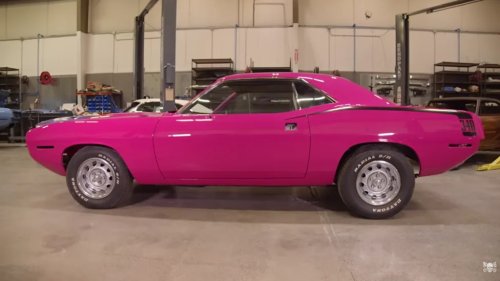
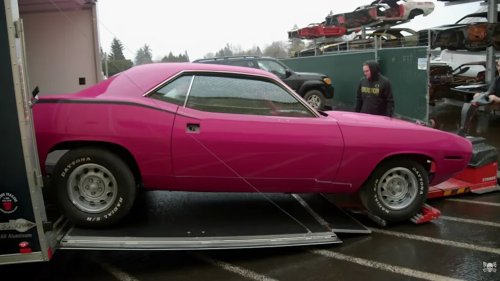
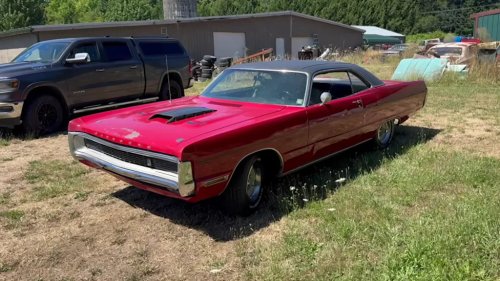
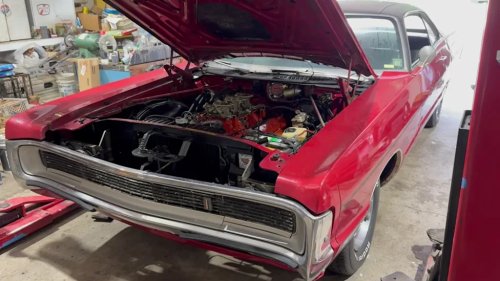
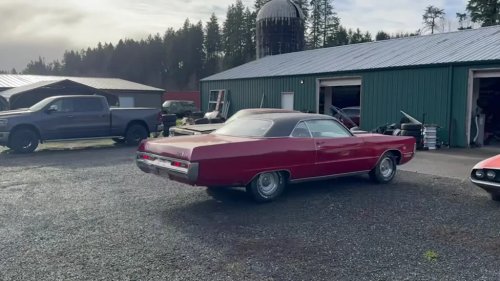
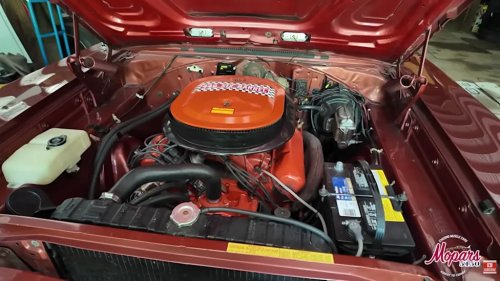
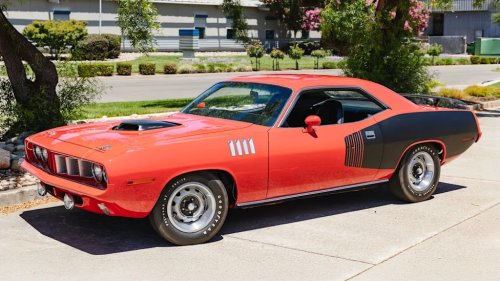
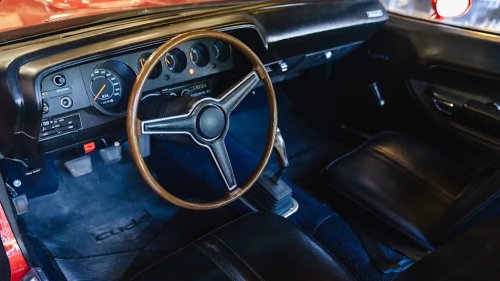
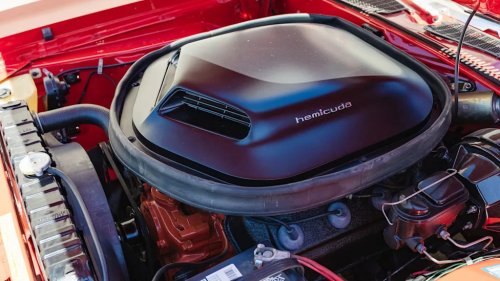
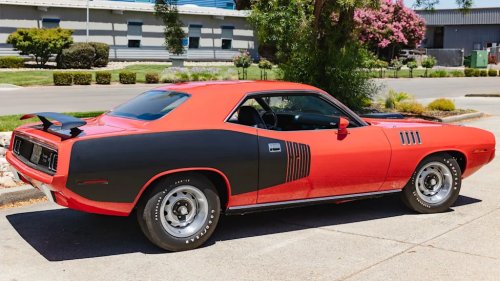
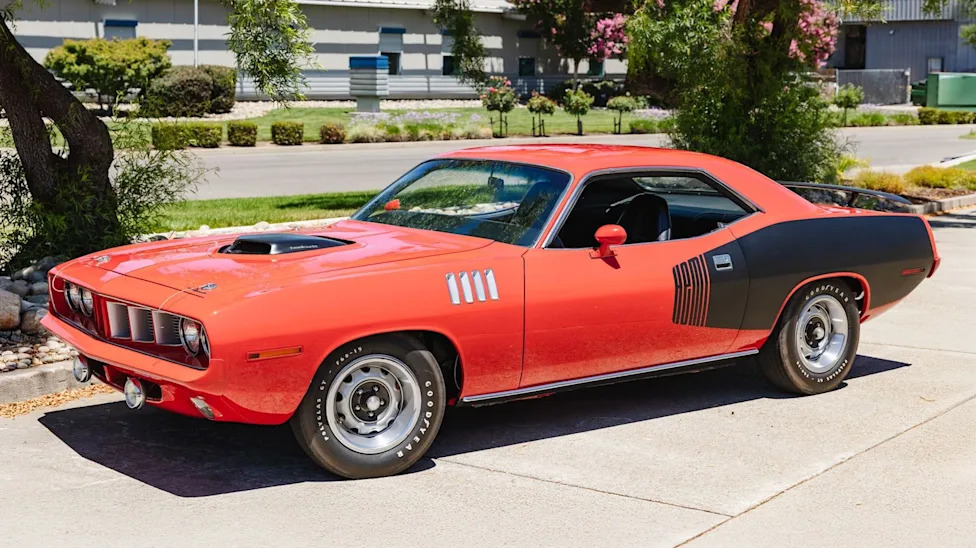
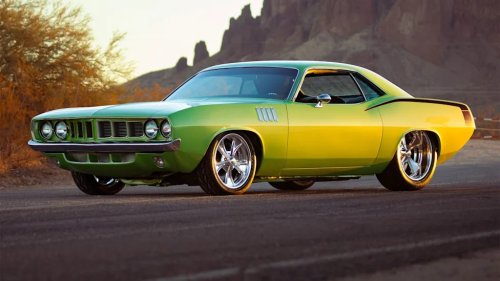
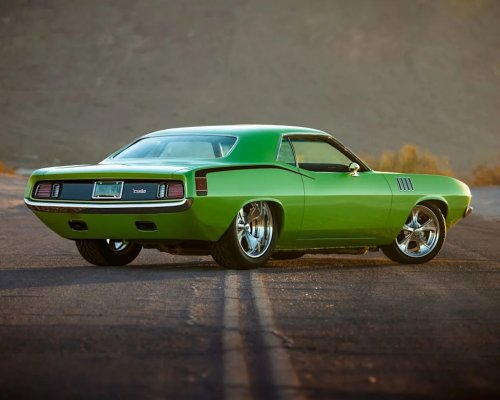
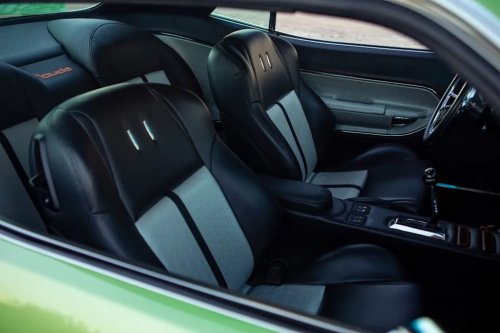
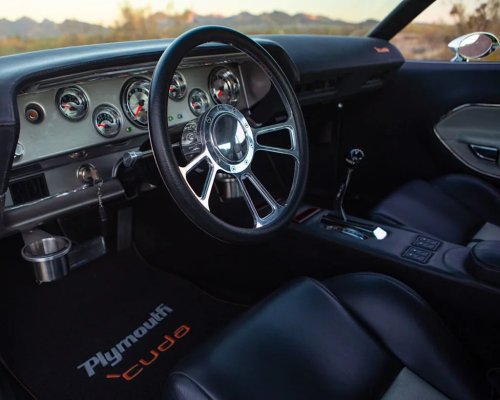
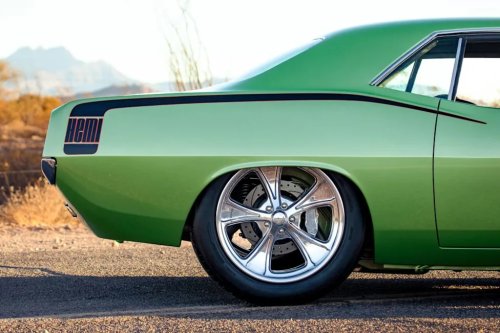
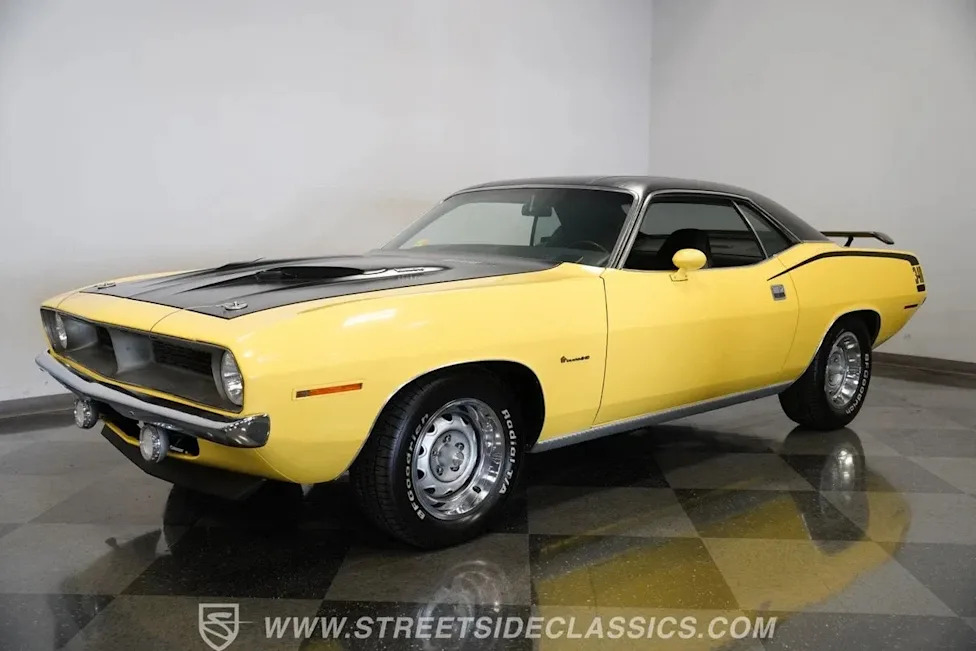
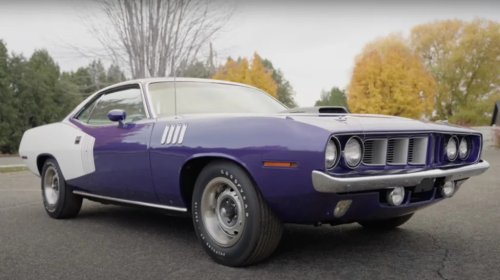
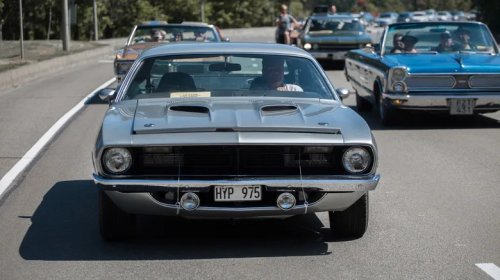
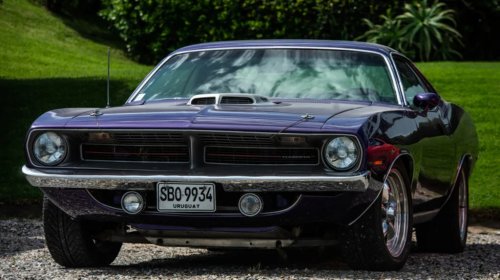
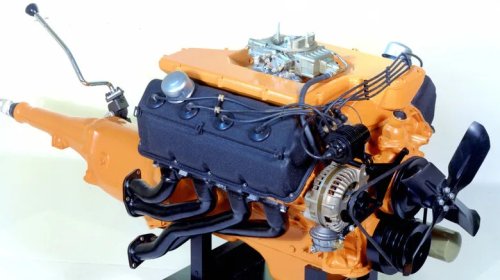
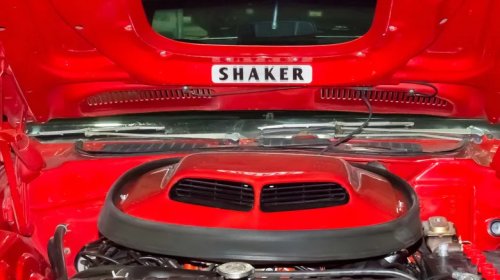
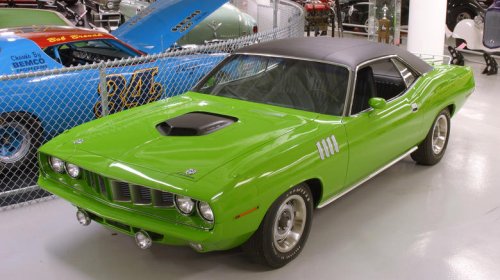
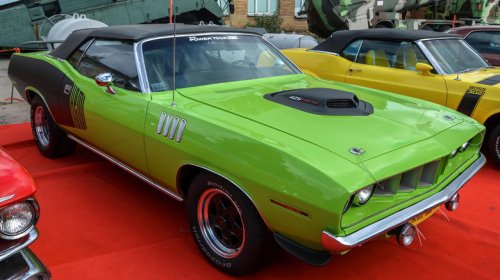
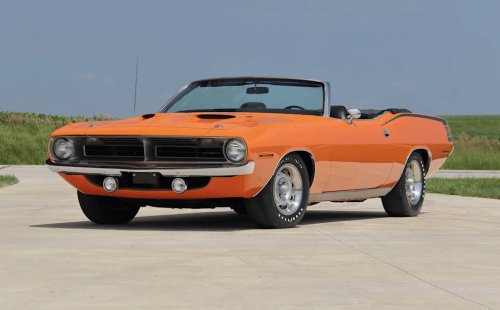
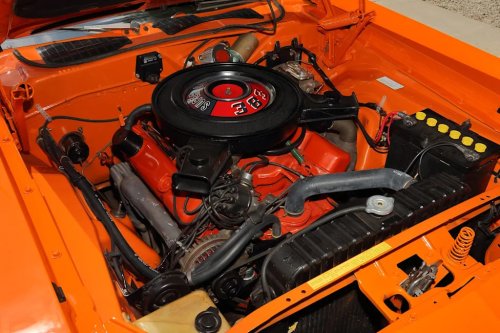
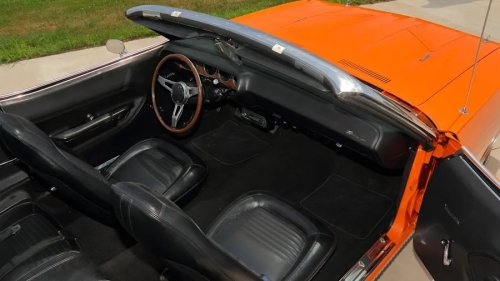
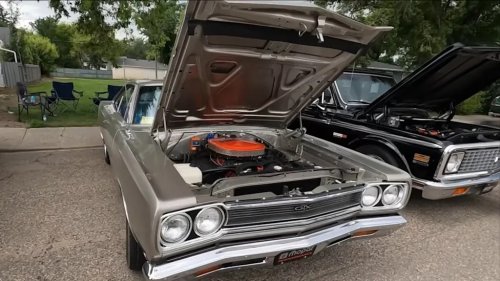
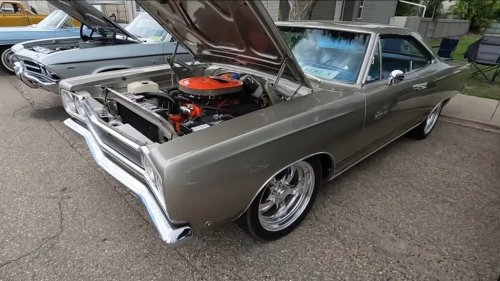
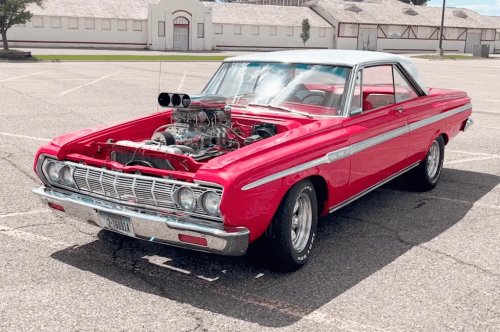
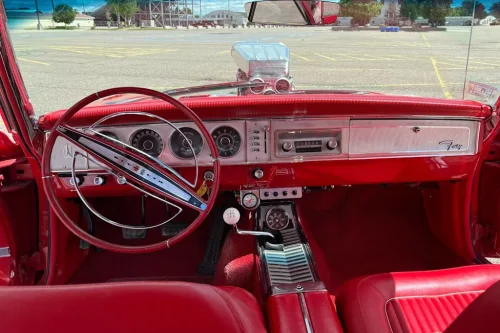
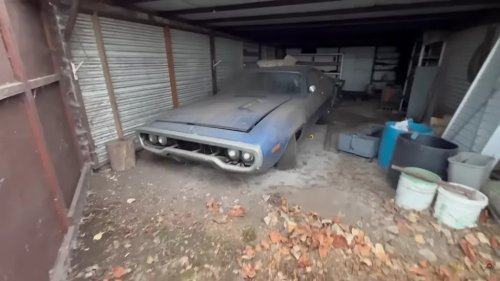
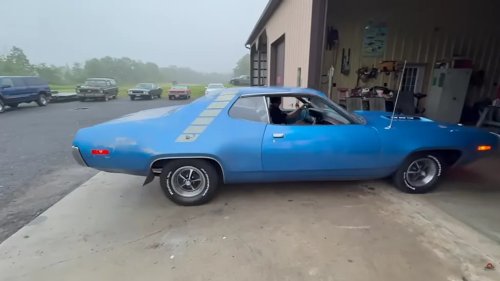
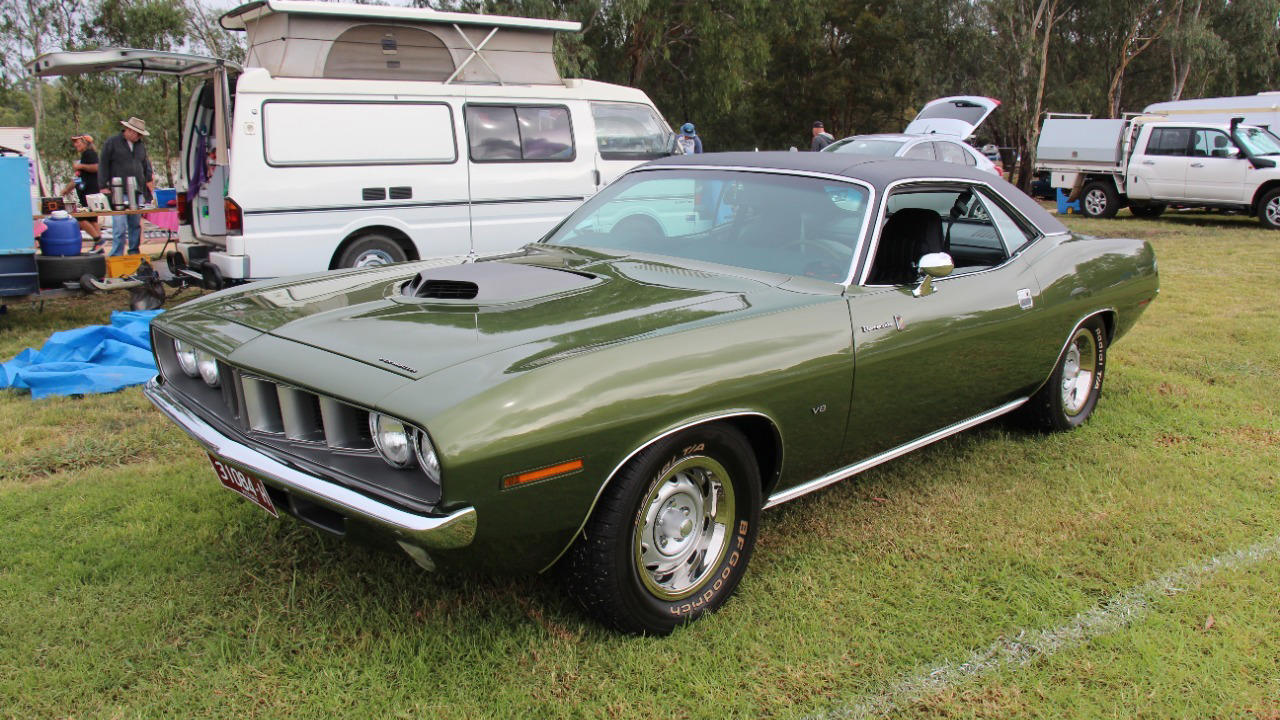
Plymouth’s 1971 Hemi ’Cuda arrived just as emissions rules ended the muscle eraThe 1971 Plymouth Hemi ’Cuda landed in showrooms just as federal emissions rules, rising insurance premiums, and changing fuel standards began to choke off Detroit’s wildest performance cars. It marked both the peak of Plymouth’s factory drag-strip bravado and the start of the muscle market’s retreat. That tension between ultimate expression and imminent extinction is what makes the 1971 Hemi ’Cuda one of the most studied and expensive American cars of its era. Today, the car sits at the center of a booming collector niche that treats low-mileage examples like blue-chip stock. Its significance, however, goes beyond auction headlines, tracing the exact moment when horsepower culture collided with new environmental and safety priorities. What happened By 1971, Plymouth’s Barracuda line had already completed its transformation from compact economy coupe to full-fledged pony car. The third-generation body, introduced for 1970, was wider and lower, with a long hood and short deck that framed Chrysler’s most aggressive engines. At the top of that range sat the 426 cubic inch Hemi V8, officially rated at 425 horsepower and around 490 pound-feet of torque in street trim. That figure had been established for earlier Hemi models and continued to define how the 1970 and 1971 Hemi ’Cuda were marketed. The 1970 Hemi ’Cuda had already proven that Plymouth would sell drag-race hardware right off the lot. Period figures for the 426 Hemi in that car, which carried over mechanically into 1971, quoted 425 horsepower and 490 pound-feet, numbers that still circulate in modern breakdowns of the 1970 Hemi ’Cuda. For 1971, the car gained a more aggressive face, with quad headlamps set into a shark-like grille, plus unique fender gills and revised taillights. Underneath, the Hemi package still required heavy-duty suspension, a 9.75-inch Dana rear axle, and either a four-speed manual with pistol-grip shifter or a three-speed TorqueFlite automatic. What changed around the car was the regulatory climate. New federal emissions rules pushed automakers to lower compression ratios and prepare for unleaded fuel. Insurance companies, reacting to a wave of accidents and rising claim costs, began to surcharge high-compression engines and youthful buyers. Together, those forces started to thin demand for top-tier muscle cars just as Plymouth finished perfecting its formula. Production numbers tell the story. While earlier Barracudas sold in relatively healthy volumes, the Hemi option remained rare and grew even rarer for 1971 as costs, fuel worries, and insurance penalties mounted. Contemporary records show that only a tiny fraction of Barracuda buyers chose the 426 Hemi. Exact totals vary across sources, but all agree that 1971 Hemi ’Cuda coupes and convertibles together numbered in the dozens rather than the thousands, setting the stage for their later collectability. The car’s rarity becomes tangible in the few surviving examples that have barely been driven. One well-documented 1971 Hemi ’Cuda, ordered new with virtually every available option, remained with its original owner for decades and accumulated only 2,014 miles. That car, chronicled as a kind of sealed artifact from the early 1970s, carried a full complement of features that ranged from the Shaker hood scoop and Rallye gauges to high-end interior trim, essentially turning it into a time-capsule Hemi ’Cuda. Stories like that show how quickly the Hemi ’Cuda moved from new-car status symbol to garage-bound treasure. Owners sensed that the combination of massive displacement, rising restrictions, and low production might never be repeated. Some parked the cars early, either to protect their investment or because the insurance and fuel realities made regular use impractical. Meanwhile, the broader muscle market was peaking. Across Detroit, 1970 and 1971 brought high-water marks for compression, carburetion, and styling aggression. Plymouth’s own lineup included 440 Six Barrel engines, wild graphics packages, and drag-oriented axle ratios. Yet behind the scenes, engineers were already preparing for lower compression pistons and exhaust gas recirculation systems that would blunt performance in the years that followed. Many historians therefore point to 1971 as the last fully unrestrained model year for classic American muscle. Analyses of the period argue that by 1972, tightening emissions standards and the pivot to net horsepower ratings had taken a visible bite out of output across the segment. One detailed review of the era describes 1971 as the last great year before compression ratios fell and big-block options began to disappear, a shift that affected everything from Plymouth and Dodge to Chevrolet and Ford, and that framed 1971 muscle cars as a final performance summit. In that context, the 1971 Hemi ’Cuda was both a continuation of the 1970 car and a farewell act. It carried the same brutal Hemi hardware, now wrapped in styling that would appear for only a single year before the Barracuda line started its decline. What looked like just another model-year update at the time now reads as the end of an era. Why it matters The 1971 Hemi ’Cuda matters on three levels: as a performance benchmark, as a symbol of regulatory turning points, and as a case study in how scarcity and cultural memory drive collector values. On the performance front, the Hemi ’Cuda captured the peak of Chrysler’s street-legal race engineering. The 426 Hemi had already proven itself in NASCAR and drag racing, and its transfer into a relatively compact E-body coupe gave buyers a factory hot rod that could run quarter miles in the low 13-second range in stock form. That performance, combined with the car’s distinctive styling, made it one of the most feared stoplight contenders of its day. Its influence grew larger as the muscle era faded. When compression ratios dropped and catalytic converters arrived, enthusiasts began to look back at 1970 and 1971 as a golden moment. The Hemi ’Cuda, with its massive displacement and unapologetic styling, became shorthand for everything that had been lost in the shift toward cleaner, safer, but slower cars. That nostalgia feeds directly into modern valuations. Among American performance cars, Hemi ’Cudas occupy the top tier of auction results, often trading hands for seven-figure sums when they combine original drivetrains, low mileage, and rare configurations such as four-speed manuals or convertibles. Market analyses of high-end muscle regularly cite Hemi-powered Plymouths as examples of how a factory rating of 425 horsepower, coupled with extremely low production, can translate into prices that rival European exotics. One overview of the segment points to Hemi muscle as being worth millions in the right specification, with the Hemi ’Cuda frequently highlighted as a million-dollar muscle car. The time-capsule 1971 Hemi ’Cuda with 2,014 miles illustrates how that value is created. The original buyer specified almost every option, including performance hardware and comfort features, then drove the car sparingly. Over time, the untouched condition of its paint, interior, and drivetrain turned it into a reference example that collectors and restorers study to understand how these cars left the factory. That level of originality is rare for any vehicle, but it is especially unusual for something that began life as a high-performance toy. Beyond price tags, the 1971 Hemi ’Cuda crystallizes a broader story about how policy choices reshape car culture. Federal emissions rules were not targeted at a single model, yet their effect fell heavily on large-displacement, high-compression engines. The Hemi’s design, with its hemispherical combustion chambers and big valves, thrived on high octane fuel and generous compression. Once those conditions started to disappear, the business case for continuing such engines in mass-produced street cars collapsed. Insurance changes added another layer. As underwriters began to tie premiums to engine codes and performance options, the cost of owning a Hemi ’Cuda rose sharply for the young buyers who most desired it. That economic pressure pushed some customers toward smaller engines or entirely different vehicles, further shrinking the audience for top-spec muscle. The 1971 Hemi ’Cuda, already expensive and specialized, became even more of a niche purchase. The car also matters as a touchstone in the ongoing debate over how to balance performance with environmental responsibility. Enthusiasts often point to the Hemi ’Cuda as an example of unfiltered automotive excitement, while critics highlight its thirst, emissions, and safety compromises. That tension still plays out today in discussions of high-output internal combustion engines, even as modern technology allows far cleaner and more efficient performance. Interestingly, the Hemi ’Cuda’s legend has grown in parallel with the rise of modern muscle. Contemporary cars such as the Dodge Challenger Hellcat and Chevrolet Camaro ZL1 borrow styling cues and marketing language from early 1970s icons, including the Barracuda. At the same time, their existence depends on sophisticated emissions controls, electronic stability systems, and crash structures that regulators began to require in the years after 1971. In that sense, the original Hemi ’Cuda stands as both ancestor and foil to the current crop of high-horsepower machines. For collectors and historians, the 1971 model year marks a line in the sand. Analyses that compare output figures before and after the early 1970s show a clear drop in rated horsepower for many engines once compression fell and net ratings replaced gross measurements. The Hemi ’Cuda sits on the high side of that divide, with its 425 horsepower rating still quoted in gross terms and its performance largely unencumbered by emissions hardware. That makes it an anchor point when charting how quickly regulations reshaped what American performance looked like. What to watch next The story of the 1971 Hemi ’Cuda is still evolving, especially in the collector market and in how enthusiasts reinterpret the muscle era under modern constraints. On the valuation front, the key question is whether Hemi ’Cuda prices can continue to climb or whether they have reached a plateau. Market observers track auction results for low-mileage, highly documented cars to gauge demand. The time-capsule 2,014-mile example and similar survivors provide bellwether data points. If such cars continue to attract intense bidding, that suggests ongoing appetite among high-net-worth collectors for analog, big-block icons even as the industry moves toward electrification. Another area to watch is how younger enthusiasts engage with cars like the Hemi ’Cuda. As generations that did not grow up with carbureted V8s gain purchasing power, their preferences will shape which classics hold value. Some may be drawn to the Hemi’s raw character and historical significance. Others may gravitate toward later performance cars that blend speed with amenities and safety. The way museums, media, and online communities frame the Hemi ’Cuda’s story will influence how it resonates with those new audiences. There is also a technical dimension. Restorers and parts suppliers continue to refine how they preserve and recreate period-correct components for Hemi ’Cudas. The more that original cars are studied, the better the industry becomes at replicating factory finishes, casting marks, and assembly quirks. That, in turn, raises expectations for authenticity in high-end restorations and can widen the gap between driver-quality builds and concours-level cars. More from Fast Lane Only Unboxing the WWII Jeep in a Crate 15 rare Chevys collectors are quietly buying 10 underrated V8s still worth hunting down Police notice this before you even roll window down The post Plymouth’s 1971 Hemi ’Cuda arrived just as emissions rules ended the muscle era appeared first on FAST LANE ONLY.



















 +75 others