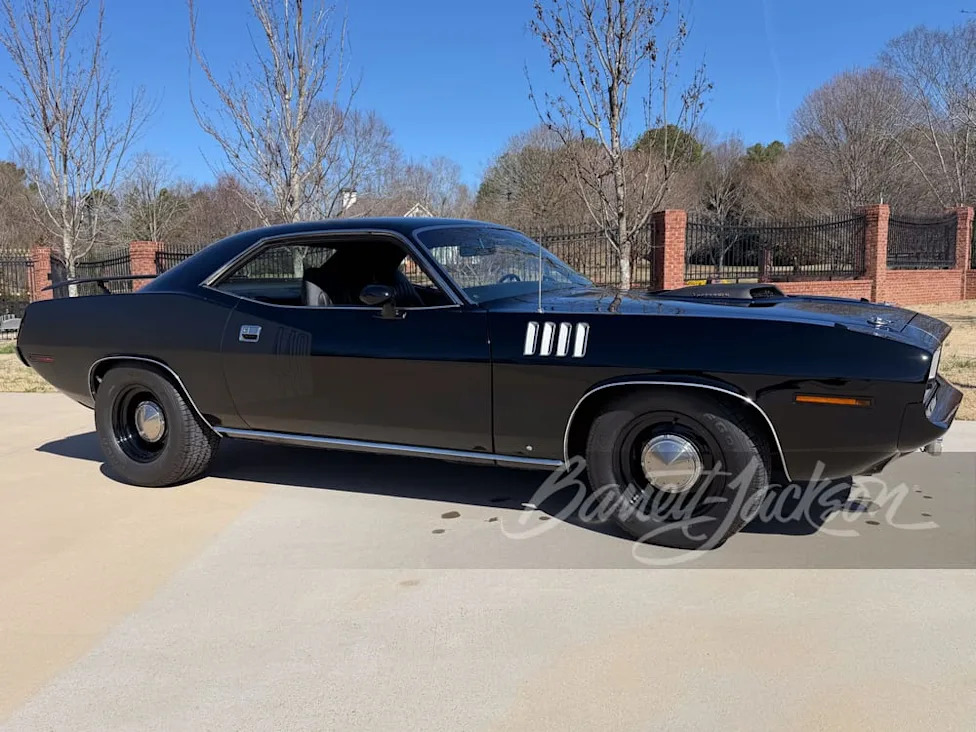
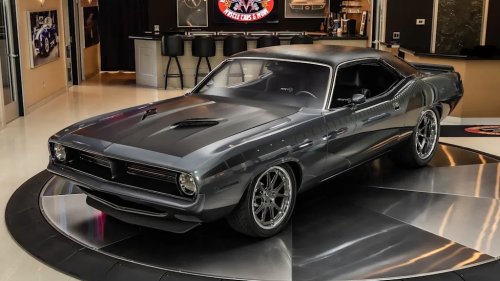
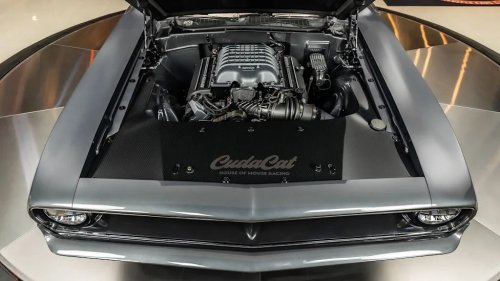
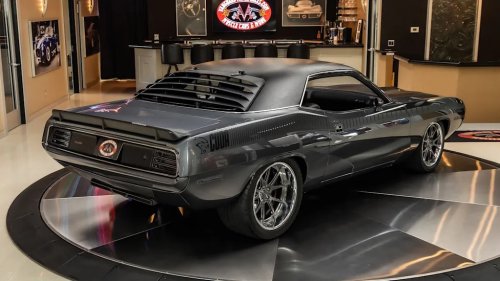
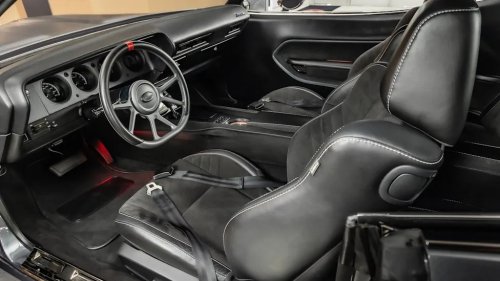
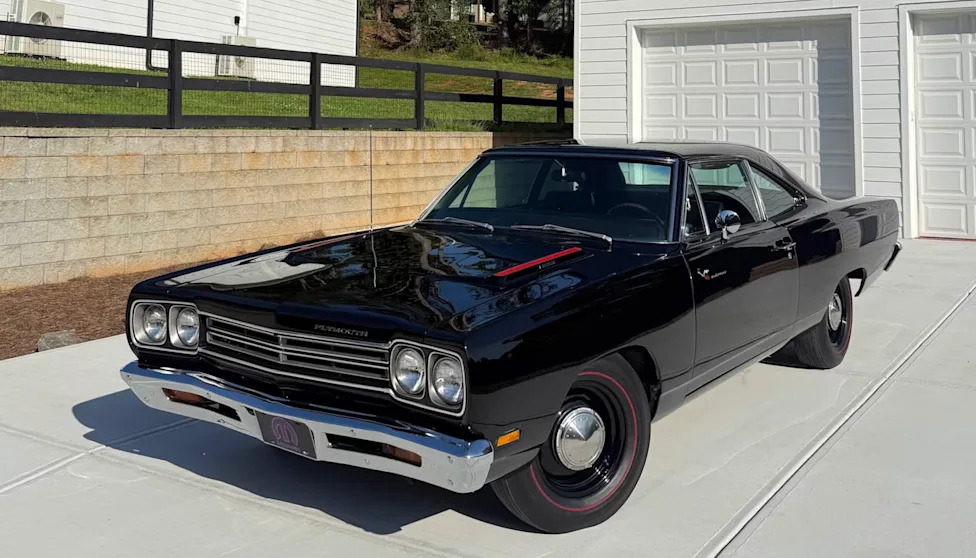
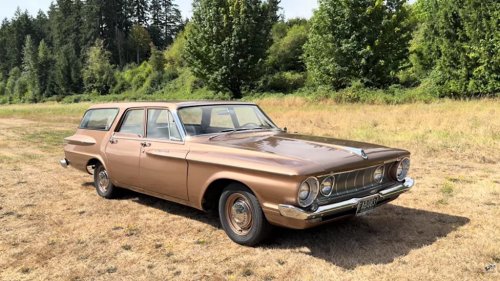
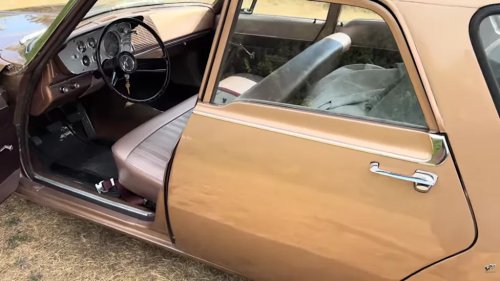
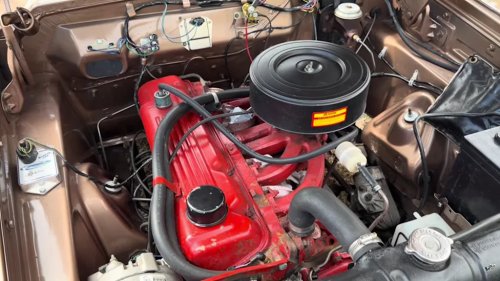
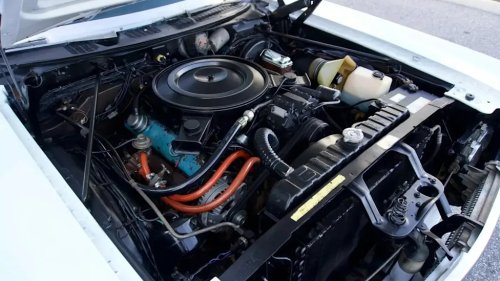
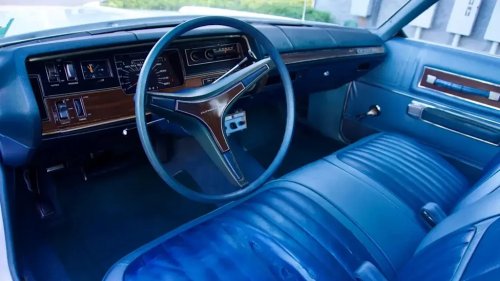
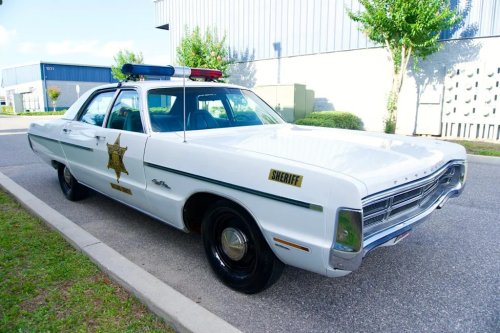
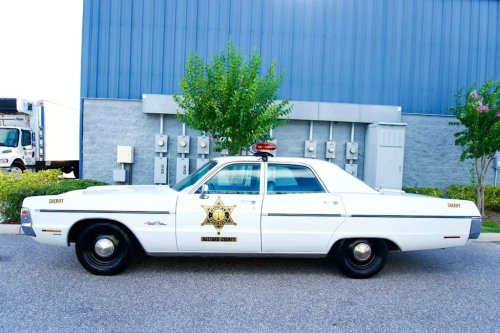
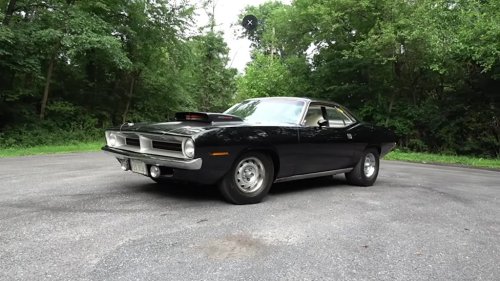
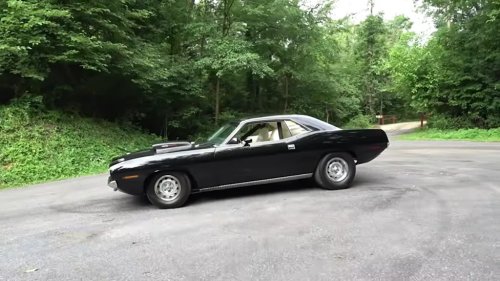
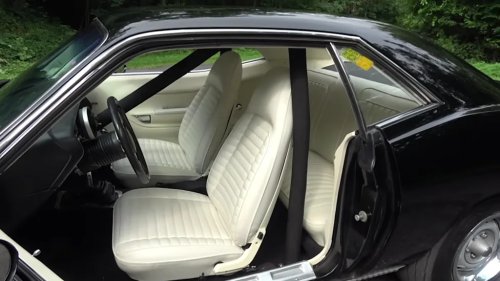
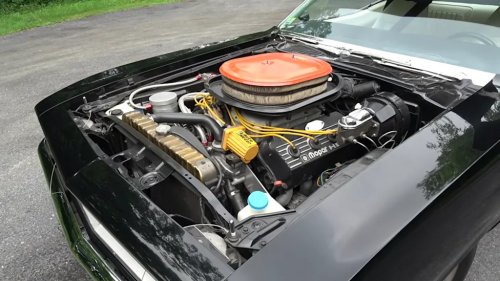
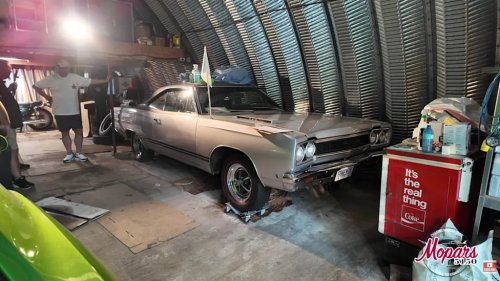
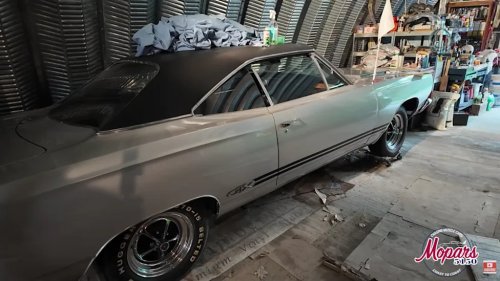
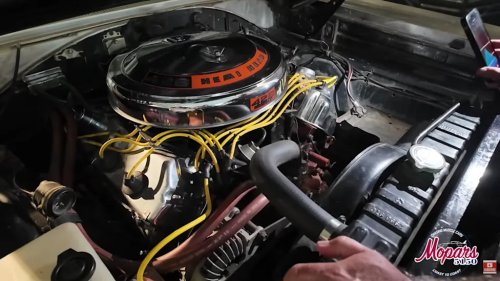
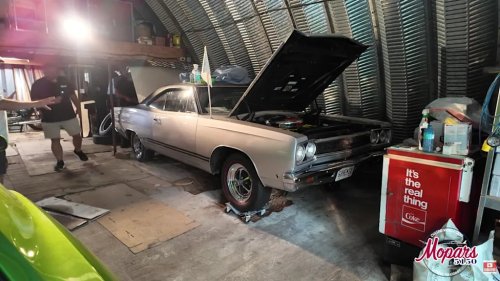
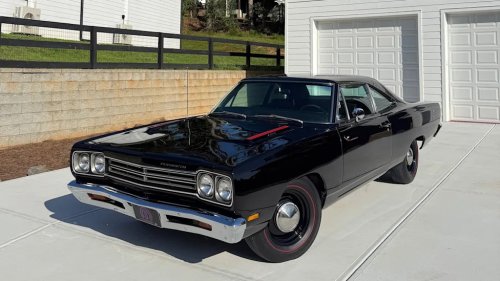
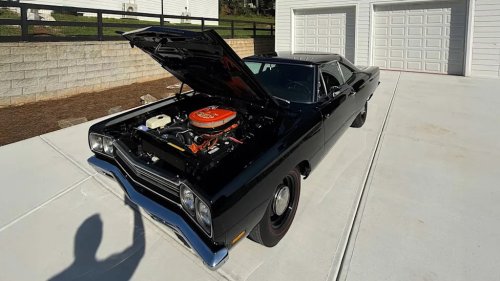
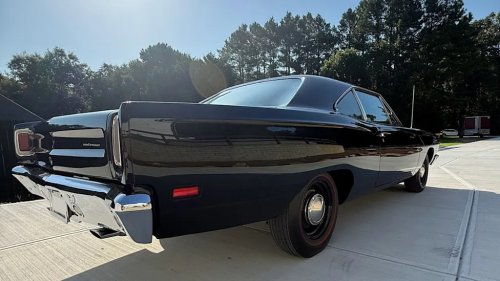
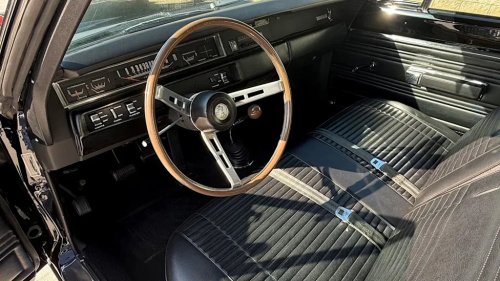
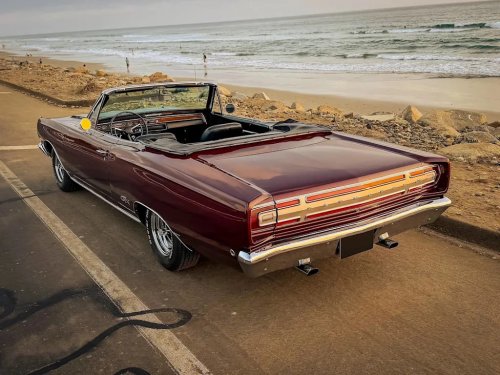
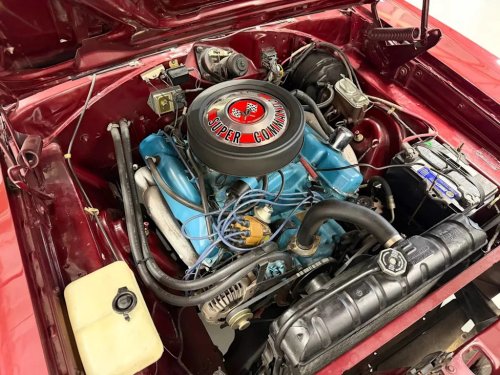
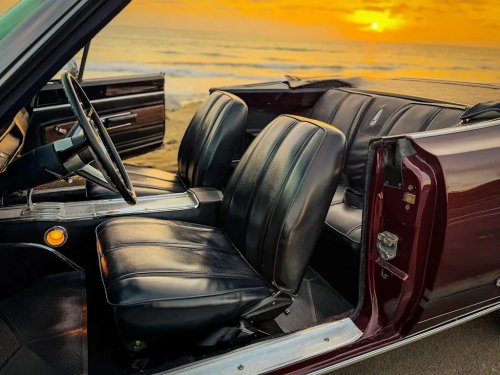
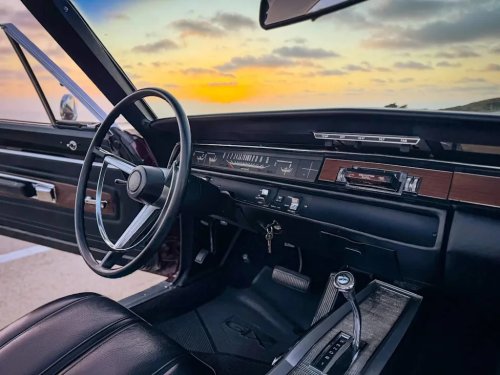
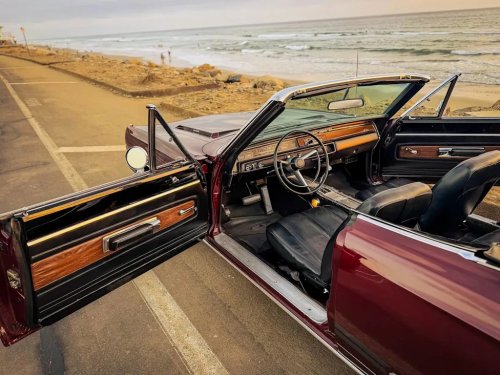
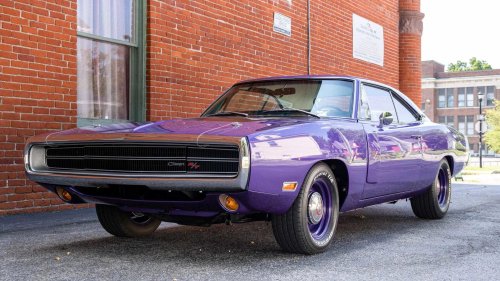
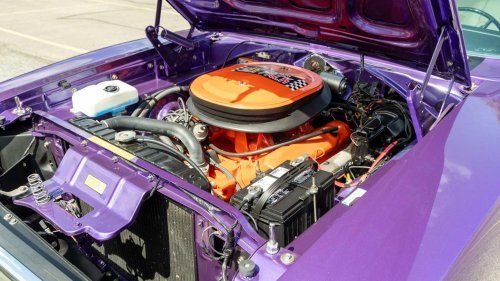
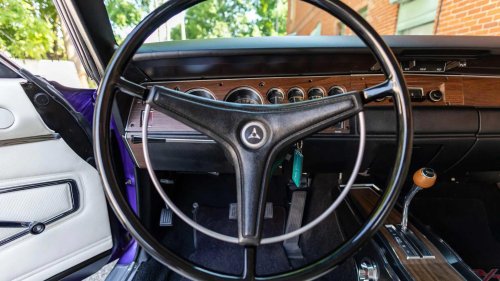
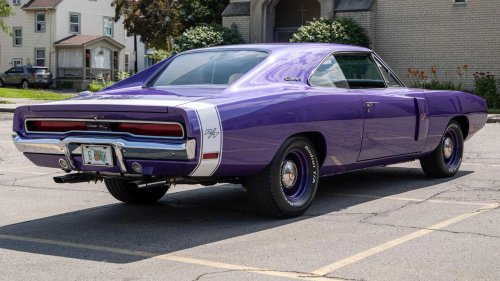
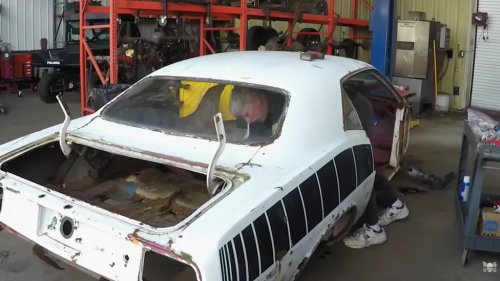
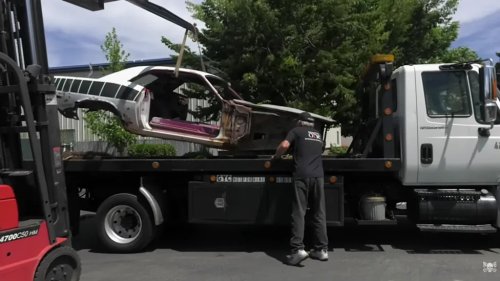
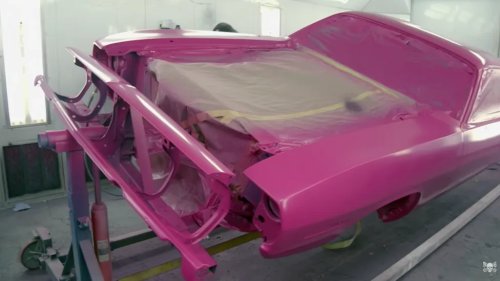
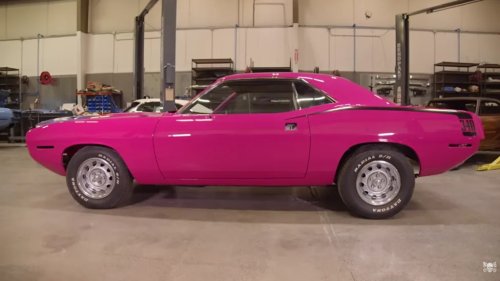
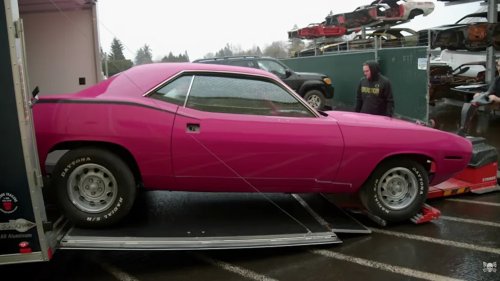
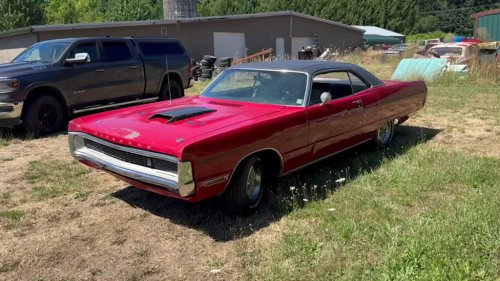
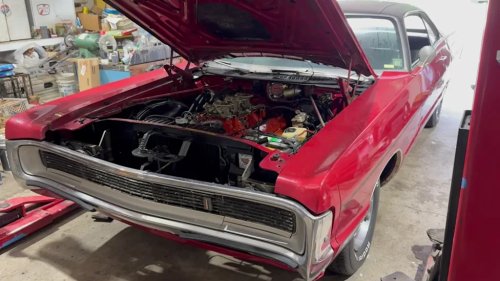
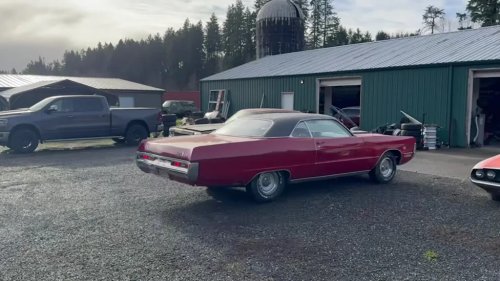
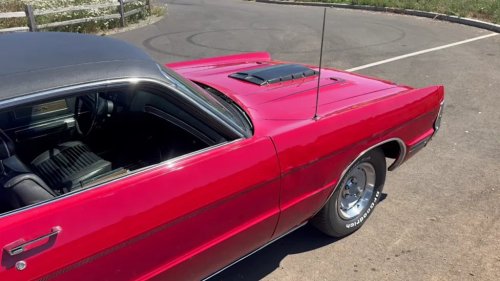
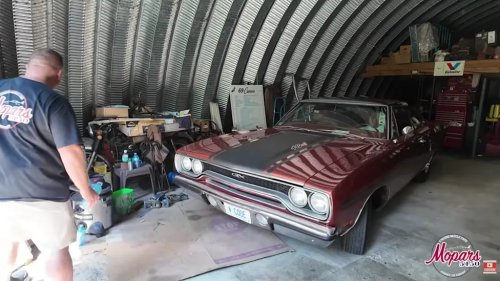
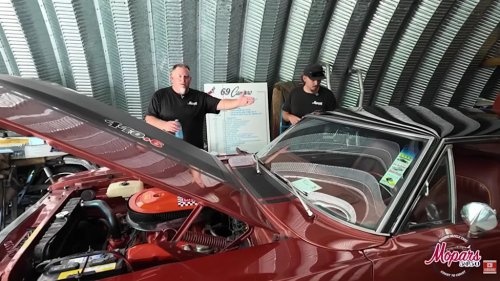
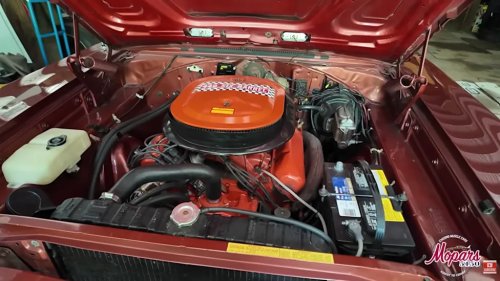
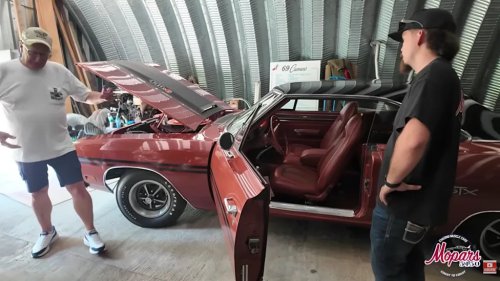
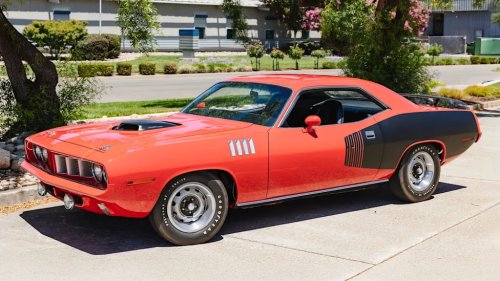
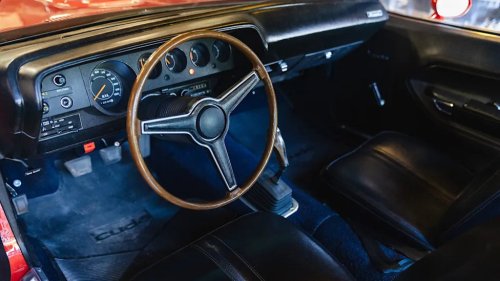
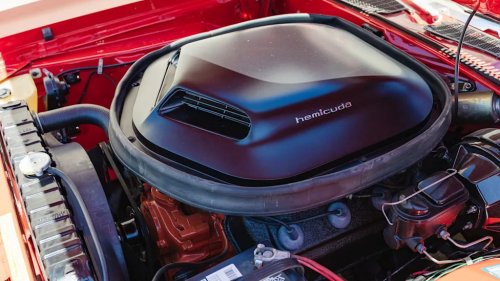
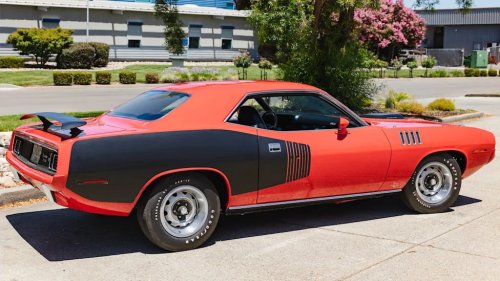
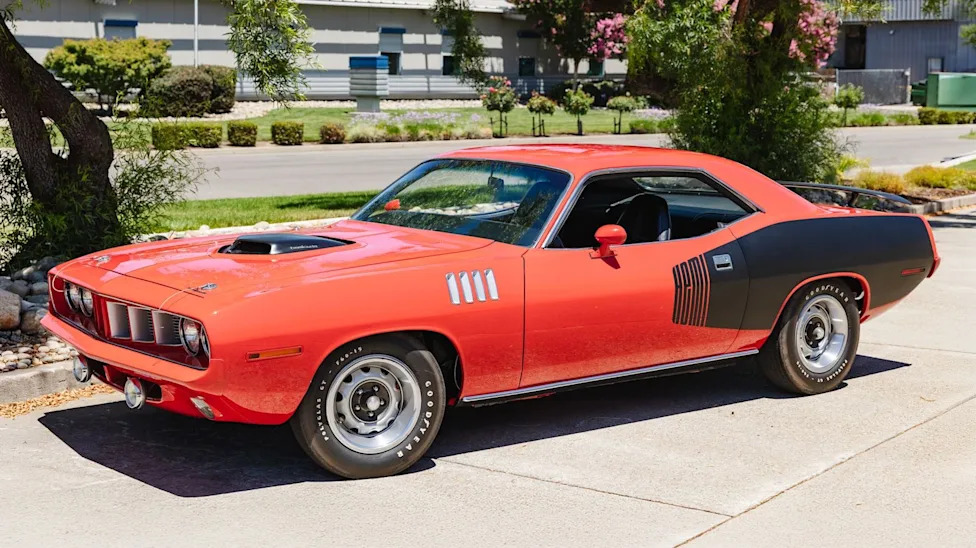
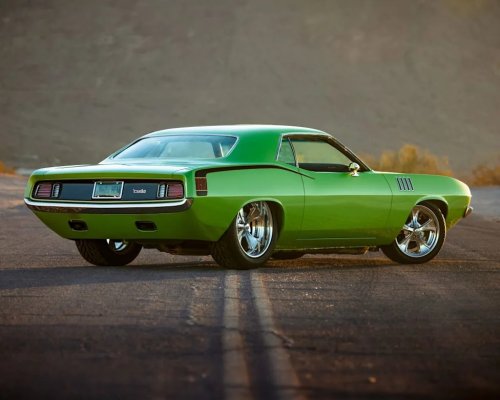
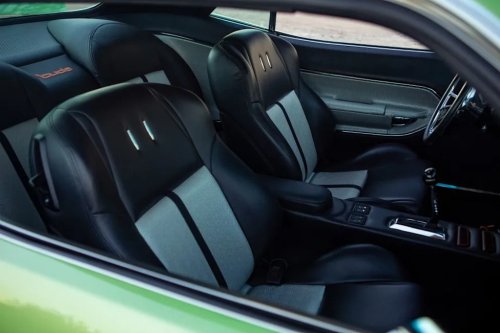
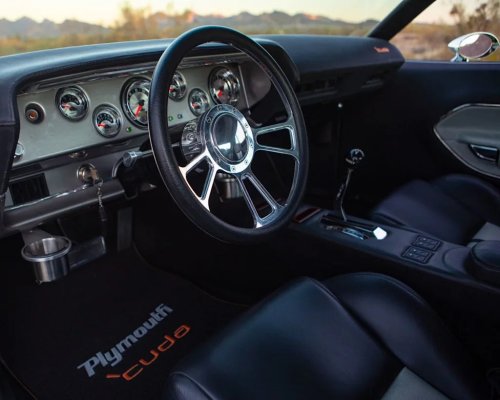
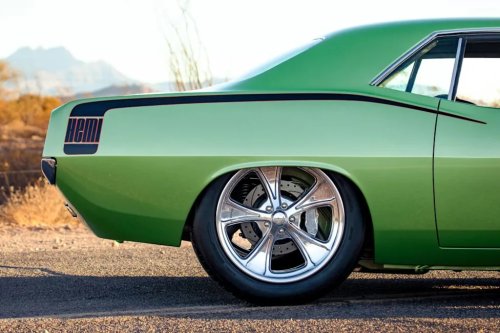
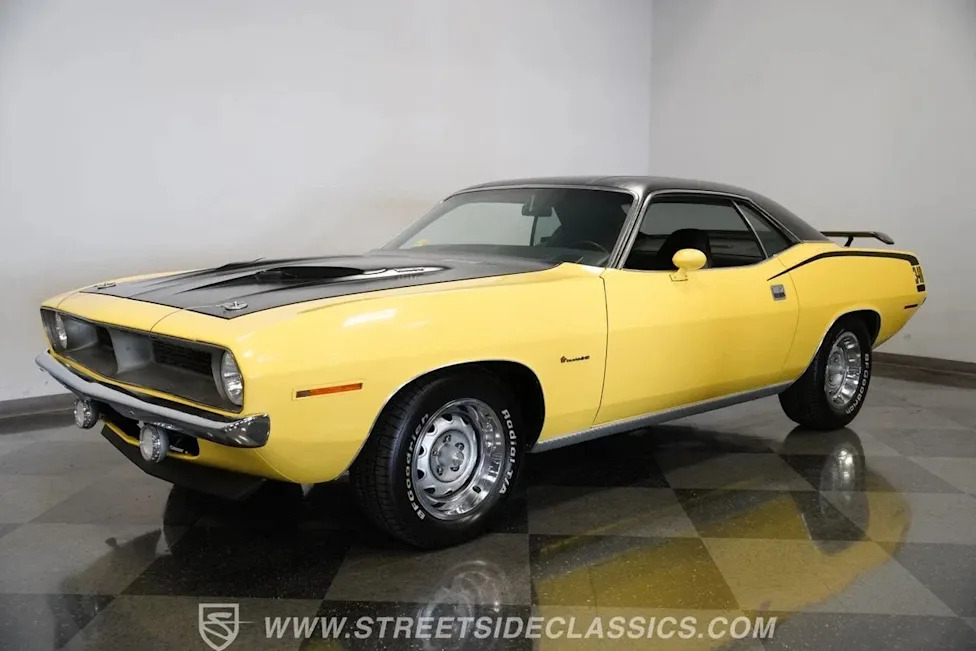
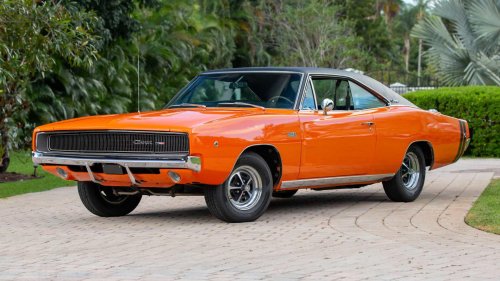
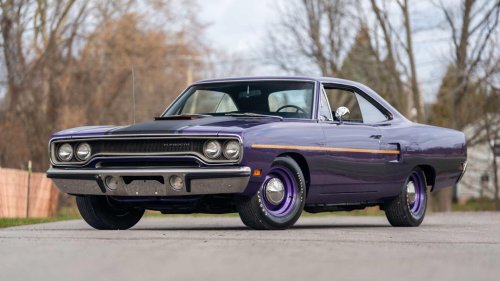
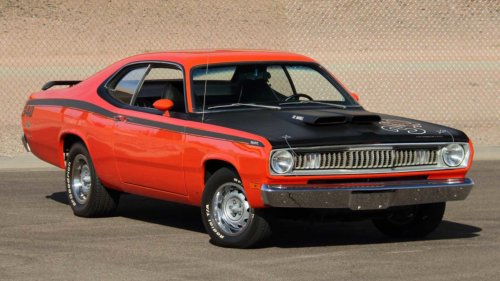
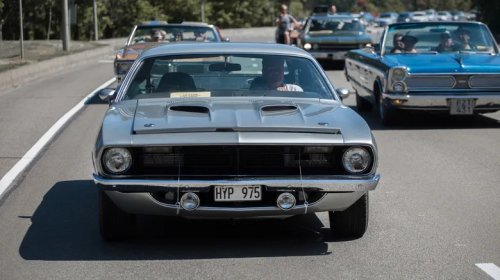
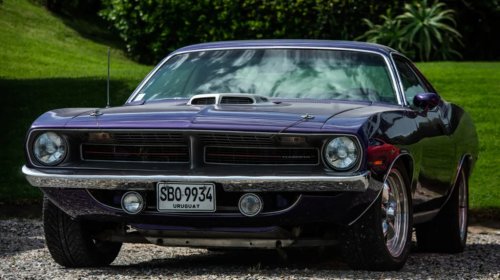
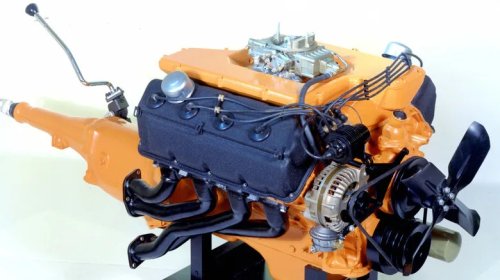
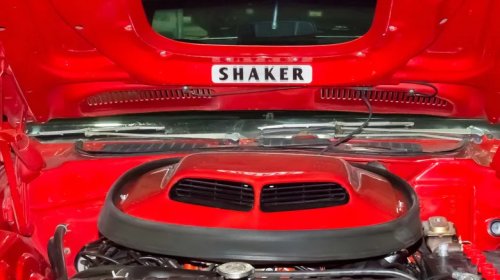
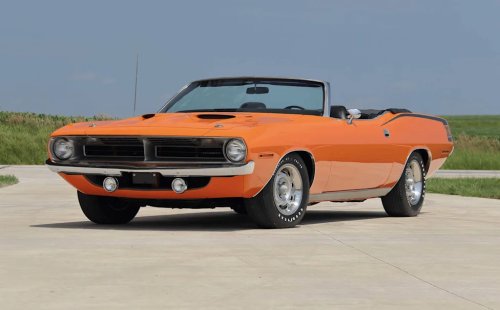
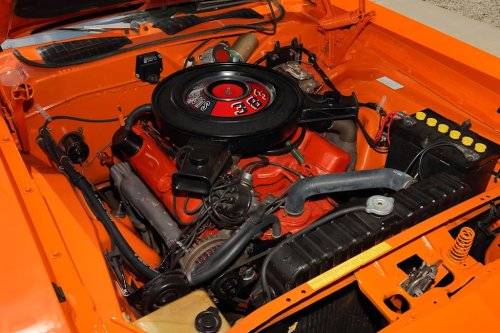
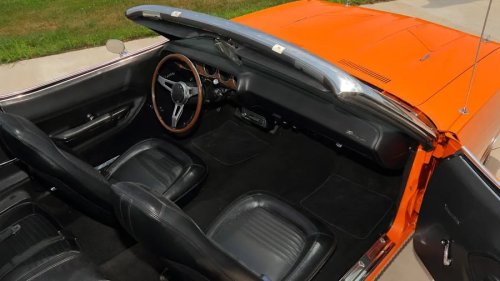
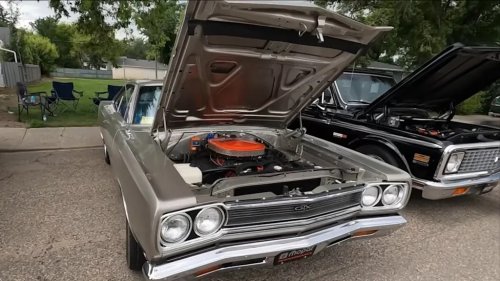
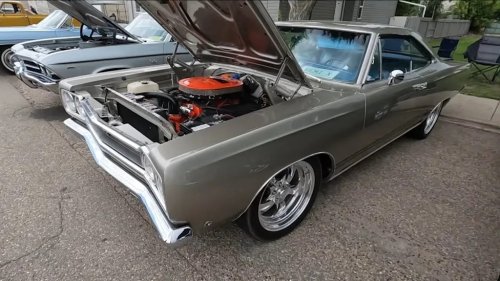
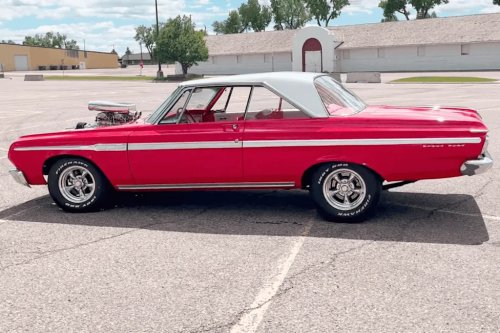
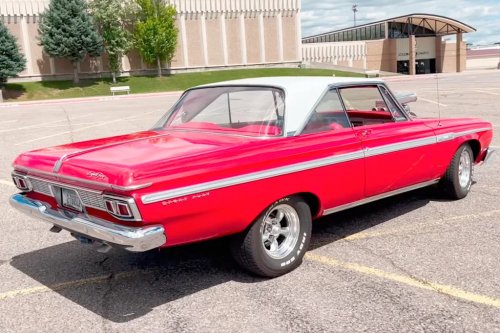
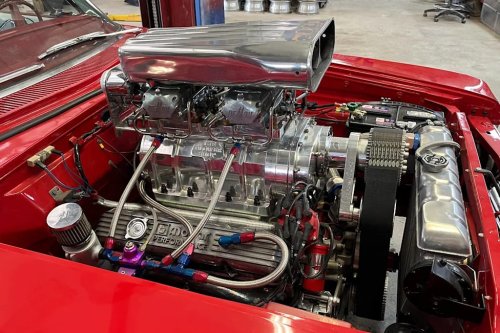
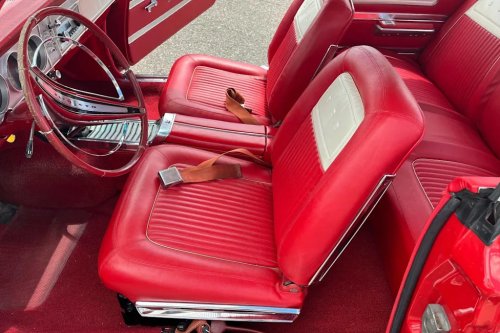
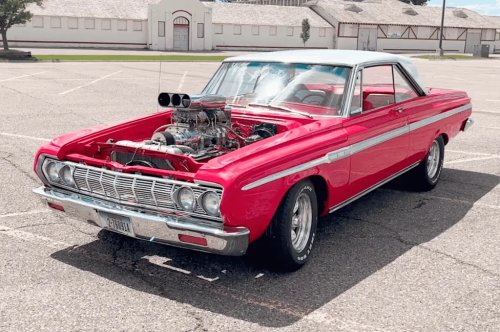
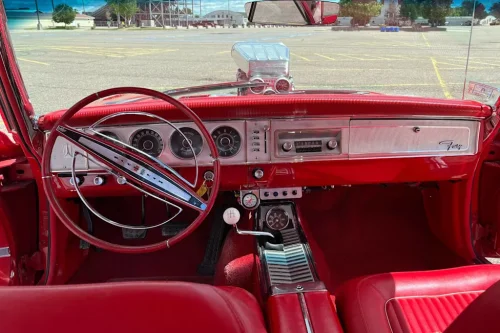
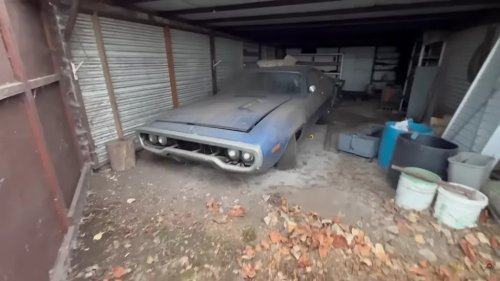
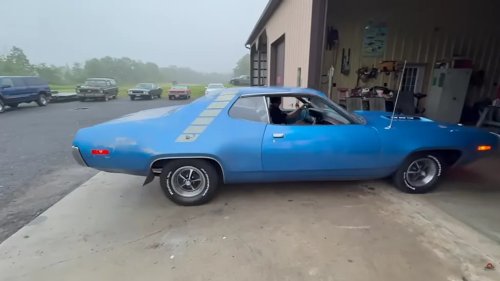
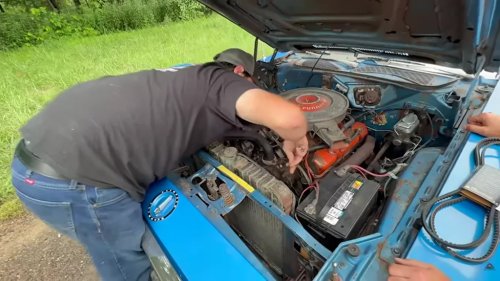
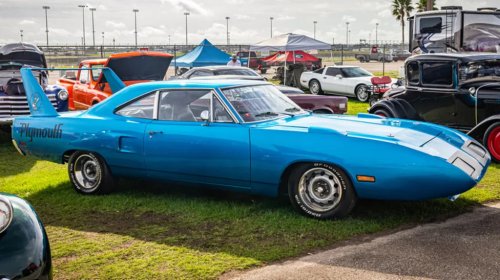
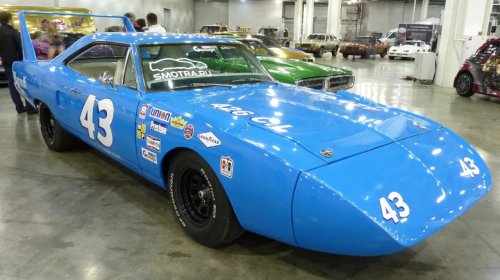
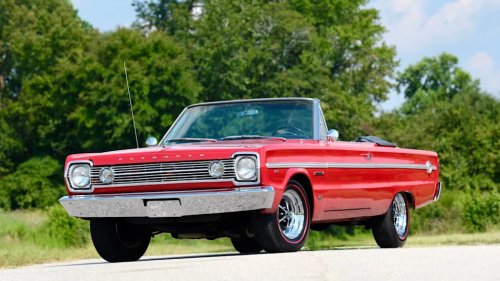
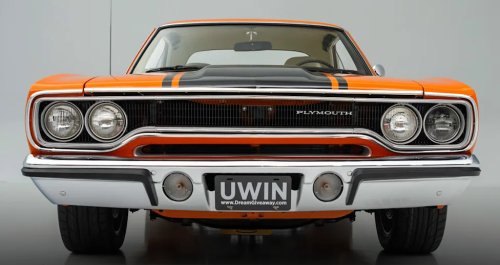
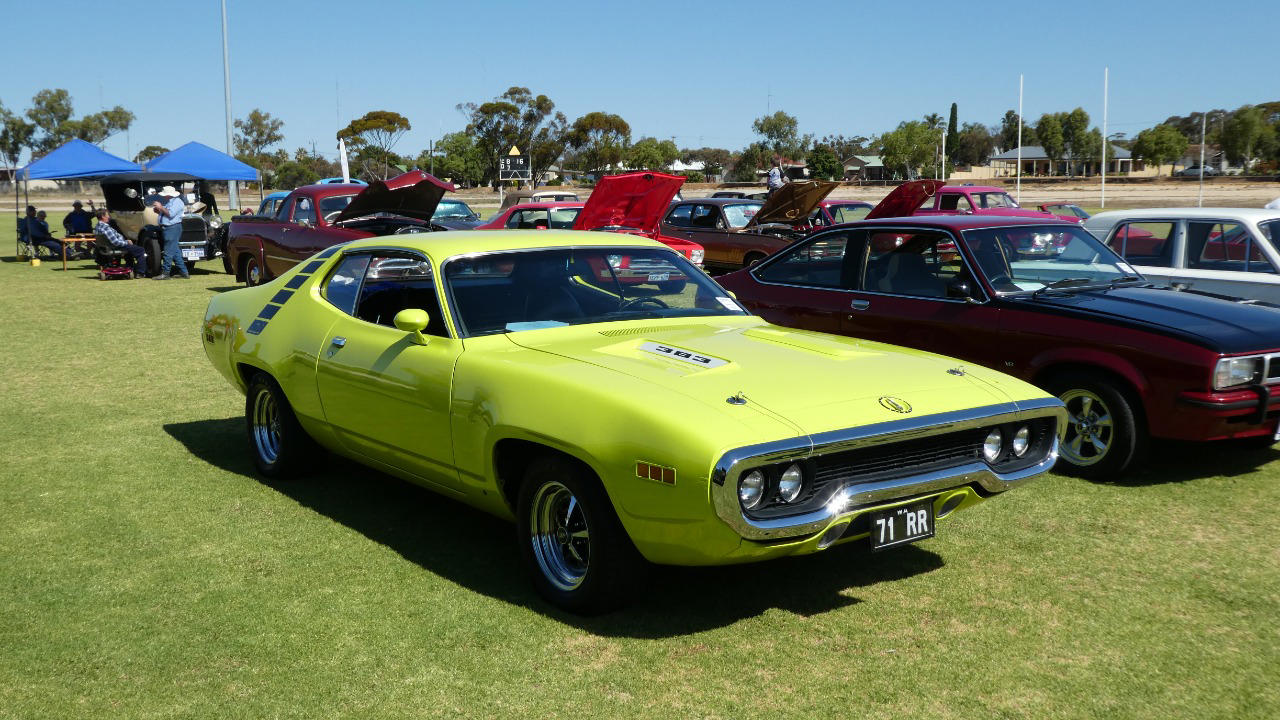
The Plymouth Road Runner arrived as a blunt instrument in a market drifting toward plush interiors and soaring prices. By stripping the car back to bare essentials and focusing on raw performance, Plymouth kept the Road Runner quick, loud, and, crucially, affordable for younger buyers. That formula of cheap speed, paired with a cartoon badge and a big-block heartbeat, turned a budget project into one of the defining muscle cars of its era. Muscle cars get expensive, Plymouth changes course By the late 1960s, Detroit’s muscle machines had grown heavier with options and higher in price, even though the basic idea had started as working-class transportation with a big engine. Reports on muscle cars describe how the segment drifted toward luxury trim and complex packages that pushed monthly payments out of reach for the teenagers and young adults who loved street racing culture. Plymouth watched that shift and chose a different path. Rather than chasing ever more elaborate versions of its existing intermediates, the division set out to build a car that went straight back to the core promise of the muscle era. The Plymouth Road Runner was engineered as a mid-size car that favored performance over comfort, a machine that would give up chrome and convenience if that meant a bigger engine and a lower sticker. That decision set it apart from competitors that were sliding upmarket. The Plymouth Road Runner: muscle for the masses When the Plymouth Road Runner reached showrooms in 1968, Plymouth brought the car to market with a base price under 3000 dollars, a figure highlighted in coverage of the Plymouth Road Runner. For a new, V8-powered mid-size coupe, that was a sharp contrast to the rising prices of many muscle rivals. The positioning was deliberate. Plymouth wanted the Road Runner to be “Muscle for the Masses.” The words used around the Plymouth Road Runner aimed at buyers just out of school who had more appetite for speed than cash. The Plymouth Road Runner was introduced in 1968 by Plymouth as a no-frills muscle car designed to offer high performance at a reasonable price, a description repeated in enthusiast discussions of the Plymouth Road Runner. For 1968, this was borderline revolutionary because it reversed the trend toward ever more lavish equipment. The car targeted buyers in the 18 to 20 year old bracket, the same group that Plymouth was after when it built other performance models, and it did so with a price and image that resonated with young buyers who wanted a street brawler, not a status symbol. Borrowing the Belvedere, deleting the frills The Road Runner did not start from a clean sheet. Plymouth based it on the mid-size Belvedere body, then applied what one source calls the Belvedere’s stripped-down ethos to create something even more focused. Accounts of Belvedere’s stripped-down model describe how Plymouth pared back features compared with the more sumptuous Sport Satellite. The Plymouth Road Runner took that idea further, deleting trim, insulation, and comfort items that did not help it go quicker. To keep costs down, the car used basic bench seats, minimal brightwork, and a simple interior layout. Enthusiast histories of Plymouth Road Runner models explain that Plymouth avoided expensive power accessories and luxury trim, which allowed the Road Runner to stay in an accessible price range while still delivering serious performance. The result looked almost plain compared with some competitors, but that simplicity became part of its identity. Big-block heart, budget shell The stripped body would have meant little without the right engine. For power, the indestructible 383 was fitted with the camshaft, cylinder heads, and exhaust manifolds from the mighty 440 Super Com, according to a detailed account of the Road Runner’s launch on Road Runner Arrives. That combination turned a workhorse big block into a genuine performance piece, with durability that suited owners who intended to race on weekends and commute during the week. Other reports on Plymouth performance projects describe how a 383 cubic inch engine putting out 330 horsepower gave similar cars high straight-line speed, as seen in coverage of how Plymouth used the 383. In Road Runner form, that displacement and tuning made the car a factory hot rod that still carried a relatively bare-bones window sticker. Buyers who wanted even more could step up to the 426 Hemi Engine Option, since the standard engine was the big block. However, Hemi Engine Option coverage confirms that Plymouth offered the legendary 426 for those willing to pay the premium, as described in discussions of 426. The earliest of the 1968 Road Runners used a large oval unsilenced air cleaner under a hood that sealed with rubber when the hood was closed, a detail preserved in documentation of the car’s induction setup, where a decal with Wile E. Coyote saying “Coy” appeared on the equipment. Those touches reinforced the sense that the Road Runner was a factory-tuned racer that had not been domesticated for polite society. No-frills cabin, cartoon swagger If the engine bay signaled seriousness, the cabin signaled restraint. The Plymouth Road Runner was a mid-size car with a focus on performance built by Plymouth in the United States between 1968 and 198, according to the entry on Plymouth Road Runner, and that focus showed inside. Carpeting was basic, sound deadening was limited, and buyers who wanted luxury were gently steered toward the upscale GTX. The Road Runner’s interior was meant to be durable and cheap to build, not a showcase of woodgrain and gadgets. Yet Plymouth still gave the car personality. The Warner Bros. licensing deal brought the Road Runner character to the fenders and horn, and the Wile E. Coyote air cleaner decal added a wink under the hood. Those touches cost little compared with a power seat or vinyl roof, but they made the car instantly recognizable. Owners could feel that they were in on a joke that the more expensive Sport Satellite and other intermediates did not share. 1969 and 1970: refining the street brawler The 1969 Plymouth Road Runner carried the same basic philosophy into its second model year. Descriptions of the 1969 Plymouth Road Runner as a budget-friendly brawler emphasize that it was designed to be a no-frills, high-performance muscle car, with enthusiasts noting that there is nothing “budget” about the way it looks or moves, as seen in video features on the 1969 Plymouth Road Runner. The car kept its plain interior and big block power, but styling tweaks and options like an Air Grabber hood gave it more visual aggression. By 1970, Plymouth leaned into the Road Runner’s image as a stripped-down street racer designed for the common driver. Enthusiast commentary on the 1970 Plymouth Road Runner describes it as a stripped down street racer designed for the common man that came from the factory with the dependable 383, in coverage of the 1970 Plymouth Road Runner. The styling grew bolder, but the underlying formula of big block power in a basic shell remained. Quarter mile credibility and Hemi legend The Road Runner’s appeal rested on more than attitude. Performance testing and owner experience showed that the combination of light trim and strong engines produced real speed. Enthusiast analysis of the Plymouth Road Runner notes that the cars were a popular choice as a drag car, with the best option for the quarter mile being the Hemi-powered versions that could cover the distance in just over 13 seconds, as summarized in features on Plymouth Road Runner. That level of performance, straight from the showroom, justified the stripped interior to buyers who cared most about elapsed times. In some configurations, the Road Runner became part of the conversation about the quickest factory muscle cars of the 1960s. Reports on how Plymouth built quarter-mile legends describe how, when the Road Runner arrived in 1968, it was a high-performance, low-trim car designed and marketed so that teenagers could afford serious acceleration without paying for an interior fit for a king. Sales success and cultural impact The strategy of cutting frills to keep speed affordable worked in the showroom. Accounts of the Road Runner’s first year note that Plymouth built 44,599 copies that first year, a figure cited in the same heritage feature that details the 383 and 440 Super Com parts mix. Those numbers show that buyers responded to the idea of a car that put money into the engine bay instead of the upholstery. Enthusiast groups describe how The Plymouth Road Runner became a cultural touchstone, with The Plymouth Road Runner, introduced in 1968 by Plymouth, remembered as a no-frills muscle car that offered high performance at a reasonable price and captured the imagination of a generation, as summarized in the Facebook discussion of Plymouth. The cartoon horn, the simple steel wheels, and the roar of a big block at full throttle became part of American car culture in a way that more ornate models did not always match. The car’s image also benefited from its positioning in the Plymouth lineup. The Plymouth Road Runner is often contrasted with the more upscale GTX, which shared much of its hardware but added luxury features and higher prices. By staying intentionally basic, the Road Runner appealed to buyers who saw themselves as outsiders to the luxury market, even as they bought a new car from a mainstream brand. Why the stripped down formula still resonates Decades after the last new Road Runner left a showroom, the logic behind Plymouth’s choices still resonates with enthusiasts. Modern discussions of The Plymouth Road Runner highlight how the car prioritized raw horsepower and simplicity, with some owners drawing parallels between the Road Runner and later budget performance models that followed a similar script. The idea that an automaker can create excitement by removing equipment rather than adding it remains powerful. That legacy also shapes how collectors and drivers value these cars today. A basic 383-powered coupe with manual windows and a bench seat can be more desirable to some than a heavily optioned contemporary, precisely because it reflects the original mission. The Plymouth Road Runner showed that a manufacturer could strip a car down, keep it fast and affordable, and still build a legend. Its success proved that, at least for a moment in the muscle era, less really did buy more speed. More from Fast Lane Only Unboxing the WWII Jeep in a Crate 15 rare Chevys collectors are quietly buying 10 underrated V8s still worth hunting down Police notice this before you even roll window down



















 +75 others