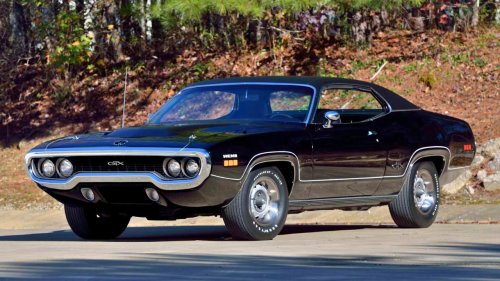
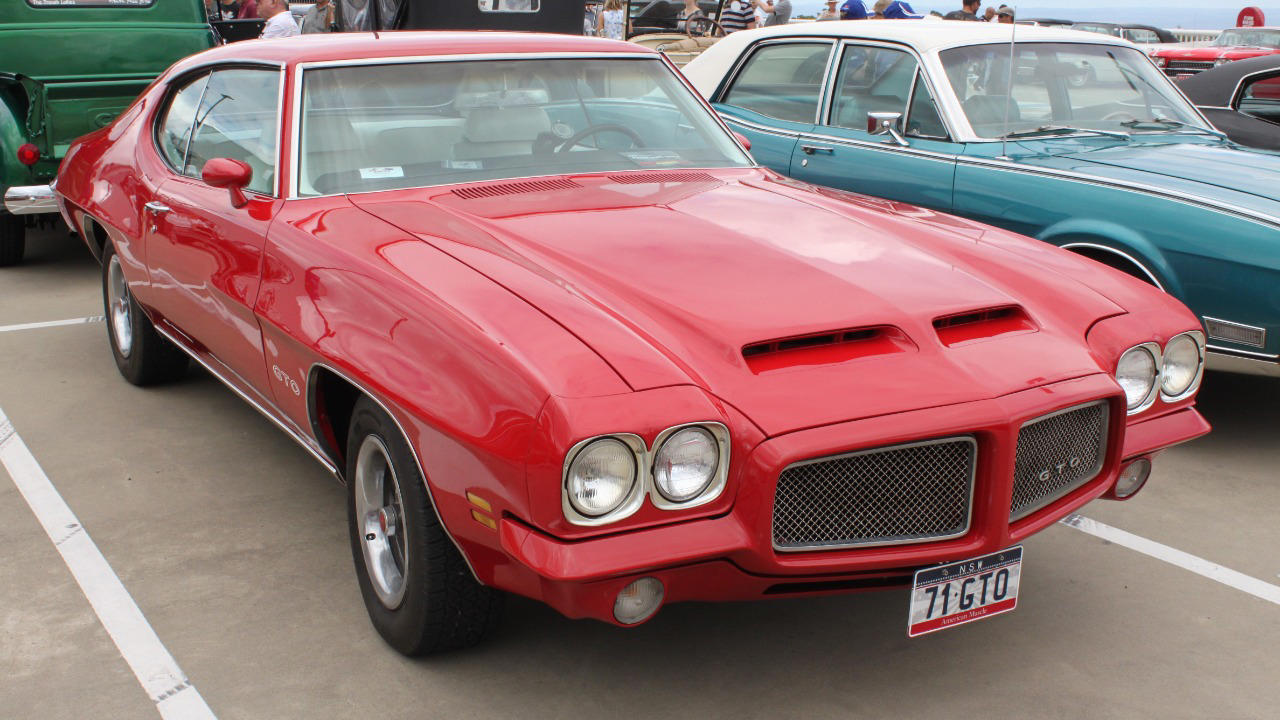
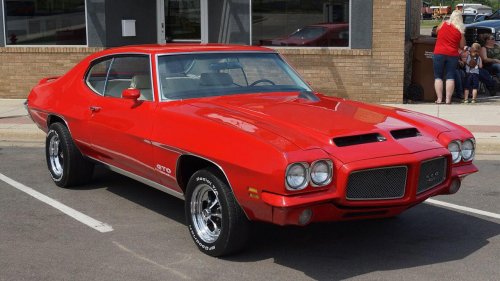
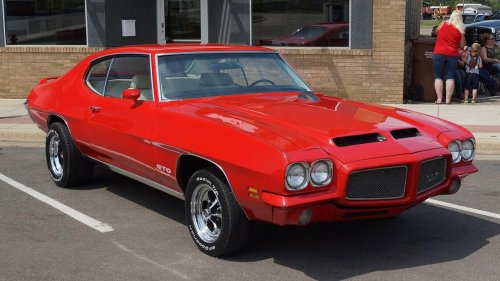
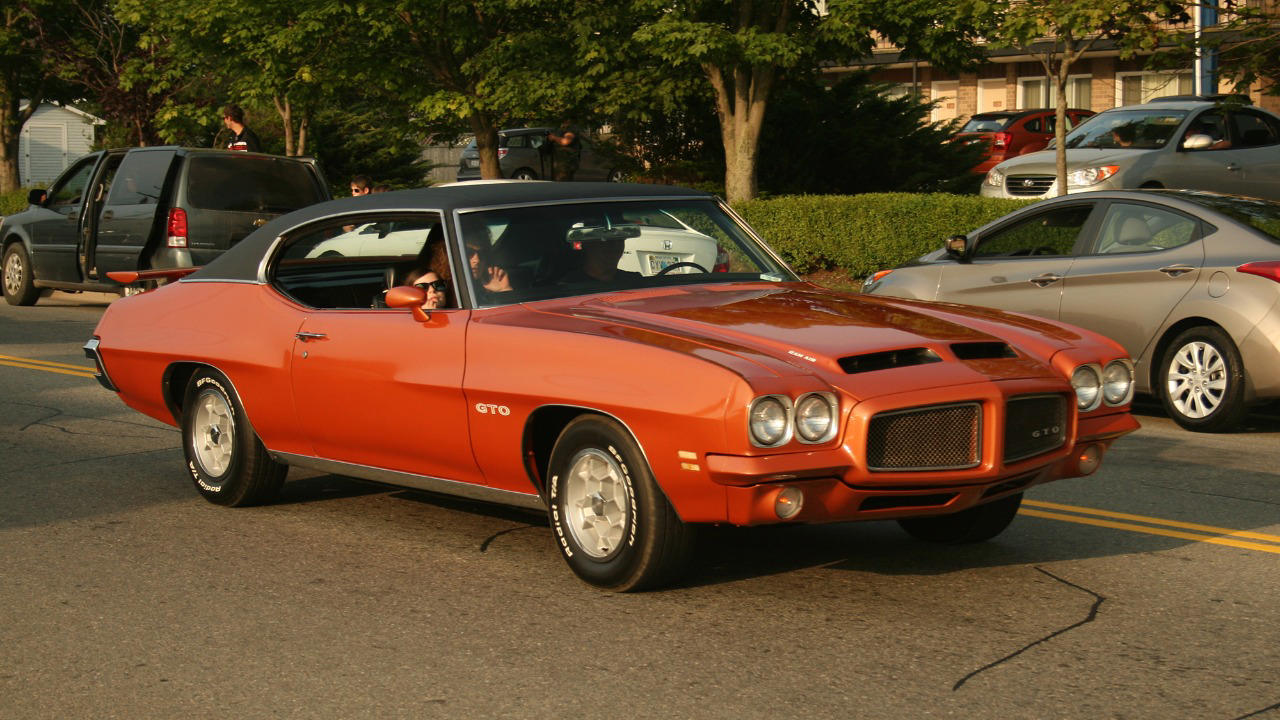
Mechanics warn the 1971 GTO lost performance compared to earlier modelsThe 1971 GTO arrived as a muscle car icon caught in a tightening vise of emissions rules, insurance crackdowns, and changing buyer tastes. Mechanics who cut their teeth on the ferocious late sixties cars often describe the 1971 version as softer and less urgent, a machine that looked the part but no longer hit as hard when the light turned green. That reputation is not just nostalgia talking. From lower compression ratios to recalculated horsepower ratings, the 1971 GTO carried engineering decisions that trimmed its edge compared with earlier models, even as Pontiac tried to keep the styling and image in line with the glory years. From street terror to transitional muscle By the early seventies, Pontiac had already cemented the GTO as a benchmark performance nameplate. The car had built its legend on big displacement V8s, aggressive gearing, and a willingness to sacrifice refinement in favor of raw speed. A typical late sixties convertible relied on a 400-cubic-inch (6.6-liter) V8, as outlined in period Engine and Technical, and that basic formula carried into 1970 with even more power on tap. Against that backdrop, the 1971 cars were always going to be judged harshly. When mechanics compare the model years, they are not just reacting to styling tweaks. They are measuring how quickly the tach climbs, how eagerly the rear tires break loose and how the engines respond when pushed past midrange. The compression ratio drop that mechanics still cite One technical change sits at the center of most complaints about the 1971 GTO: the drop in compression ratio. On enthusiast boards, a Feb discussion of a mildly disappointing 1971 car points out that 1971 was the first year the GTO came with a lower compression ratio of 8.2:1, down from the previous years, and that the change coincided with a noticeable loss of punch. That observation appears in a thread bluntly titled The 1971 GTO needs more umph, where owners and mechanics trade experiences about tuning and upgrades, as seen in the Feb Also GTO discussion. Lowering compression was not a minor adjustment. It directly reduced cylinder pressure and thermal efficiency, softening throttle response and midrange torque. For a driver used to the instant surge of a high compression 400, the 8.2 figure meant the 1971 engine felt lazier unless the throttle was buried and the revs were kept up. Mechanics working on these engines often describe how tuning tricks can claw back some of that lost urgency, but there is only so much that ignition timing and carburetor tweaks can do when the fundamental compression ratio is lower. The decision was driven by the need to run on lower octane unleaded fuel and to satisfy new emissions standards, not by any desire to improve performance. Gross versus net horsepower and the illusion of bigger losses Another factor that shaped the 1971 GTO’s reputation was the industry-wide move from gross to net horsepower ratings. A technical analysis of muscle car horsepower inflation notes that suddenly, muscle cars appeared to lose 100 hp or more when the rating method changed, citing examples such as a Corvette LT-1 350 cubic inch engine that seemed to plummet on paper even though the hardware was largely unchanged, as explained in a Suddenly Corvette overview. The GTO was caught in the same accounting shift. A detailed look at the 1971 455 H.O. engine describes gross-rated output of 335 hp and 480 lb-ft of torque, alongside new net figures of 310 and 410. The writer notes that Indeed, while the power figures were lower than earlier marketing numbers, the actual on-road performance remained competitive for the era, as described in a Indeed 335 480 feature. For mechanics and owners, separating real mechanical change from rating-method noise can be tricky. The compression drop and camshaft revisions did trim genuine output, but the apparent cliff on spec sheets was partly a bookkeeping issue. Still, when a car that once boasted a towering gross rating now carried a smaller net number, the psychological impact was immediate, and the 1971 GTO’s reputation suffered accordingly. Styling that promised more than the engine delivered Visually, the 1971 GTO did not signal retreat. The car retained the muscular 1970 body with a freshened nose. Enthusiast clubs describe how the 1971 GTO took on the 1970 body style but with differences to the hood and front end, including a restyled Endura front that gave the car a distinctive face. The Endura front-end was reshaped with bolder contours and new bumper integration, as detailed by a Northern California club’s Apr GTO The history. To a casual observer, that facelift looked every bit as aggressive as the earlier cars. Over the hood, Ram Air scoops and stripes on the Judge variants reinforced the impression that this was still a tire-shredding monster. A social media feature on a 1971 Pontiac GTO Judge Coupe highlights how Ram Air hood scoops and the Judge graphics turned the car into a rolling statement, emphasizing that the package still packed a claimed 335 horsepower punch, as seen in a Ram Air post. Mechanics who saw these cars new often describe a disconnect between the visual drama and the seat-of-the-pants acceleration. The styling promised escalation, but the softer compression and emissions tuning meant the performance curve was bending the other way. Production realities and the shrinking muscle market Context from period production summaries reinforces that the 1971 GTO was a car in transition. A widely shared breakdown of the 1971 Pontiac GTO describes it as a Muscle Car Icon that was entering a new phase. While it still carried the Pontiac GTO name and strong V8 power, it was facing tougher regulations and a shrinking audience willing to pay higher insurance premiums, as summarized in an Aug Pontiac GTO post. Production numbers dropped compared with the late sixties peak, reflecting both market headwinds and the sense that the GTO was no longer the unchallenged performance king. For mechanics working at dealerships, that translated into fewer high-performance orders and more cars equipped with automatic transmissions, highway gears and comfort options instead of the most aggressive driveline choices. What the rankings say about the 1971 value and perception Modern price rankings of every Pontiac GTO model year offer another lens on the car’s perceived performance. A survey of GTO values lists the 1971 Pontiac GTO in the middle of the pack, noting that 1971 saw a reduction in power output for the GTO as General Motors prepared engines for unleaded fuel and stricter emissions. The write-up places the 1971 cars behind the most sought-after sixties models but ahead of some later, more compromised versions, as described in a Jul Pontiac GTO analysis. Those rankings align with what many mechanics and collectors report. The 1971 GTO is not dismissed outright. Instead, it is seen as a solid, still quick muscle car that no longer sits at the top of the performance hierarchy. That middle-ground status reflects both the mechanical changes and the lingering respect for the car’s chassis and styling. The Judge and the Last Stand of the 455 H.O. Within the 1971 lineup, the GTO Judge and its LS5 455 H.O. engine represented the final serious factory performance push. A technical overview of the GTO Judge series notes that by 1971, the GTO Judge could only be had with an LS5 455 H.O. engine rated at 335 horsepower. The Engines section of that overview frames the 455 as a last stand for big cube, high-output GTO power, even as the Judge package itself was being phased out, as detailed in a Feb Engines GTO profile. Factory promotional material from the period tried to reassure buyers that performance had been maintained. In a 1971 film comparing a 1971 Judge 455 H.O. with a 1970 GTO 455 H.O., Pontiac engineers claimed that through extensive design studies, they had been able to maintain performance for 1971, even while meeting new standards, a message captured in an October comparison clip. Mechanics who have driven and tuned both years often agree that the 455 H.O. cars remained legitimately fast. Yet they also point out that the broader 1971 lineup, especially base and mid-level engines saddled with the 8.2 compression ratio, did not live up to the legend created by earlier GTOs. How owners and mechanics tried to get the “umph” back The same Feb forum thread that called out the 8.2 compression ratio is full of practical advice from mechanics and experienced owners about how to wake up a 1971 GTO. Suggestions range from re-curving the distributor to swapping in earlier high-compression cylinder heads, all in pursuit of the snappier response that defined late sixties cars. The conversation around how the 1971 GTO needs more umph captures the gap between factory tuning and enthusiast expectations, as seen in the extended Feb Also GTO exchange. Some mechanics turned to specialty shops that built reputations on coaxing modern performance from classic Pontiac engines. Others traded tips on broader performance forums and marque-specific communities, including places like Discovered GTO, Discovered GTO tuning and cross-brand boards such as Discovered GTO comparisons, where Pontiac owners compared notes with Chevrolet enthusiasts facing similar compression and emissions challenges. What emerges from those discussions is not a simple dismissal of the 1971 GTO. Instead, mechanics treat it as a solid platform that needs help to reach the performance level many associate with the badge. The car responds well to traditional hot rodding techniques, which helps explain why it still has a following among builders who enjoy the process of extracting hidden potential. How Pontiac tried to keep the image alive Even as the engineers trimmed compression and recalculated horsepower, Pontiac’s marketing and design teams worked to keep the GTO’s image intact. A recent feature on a survivor 1971 Pontiac GTO notes how General Motors gave its mid-size muscle cars a facelift for 1971, and how the Pontiac GTO used that freshened look to stay visually competitive with rivals. The writer describes how the car’s styling still turned heads and how the GTO badge retained emotional pull for buyers, as highlighted in a Mar Look General profile. More from Fast Lane Only Unboxing the WWII Jeep in a Crate 15 rare Chevys collectors are quietly buying 10 underrated V8s still worth hunting down Police notice this before you even roll window down



















 +26 others