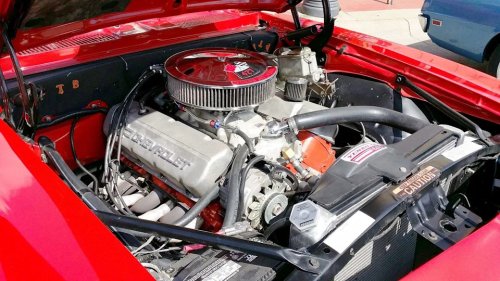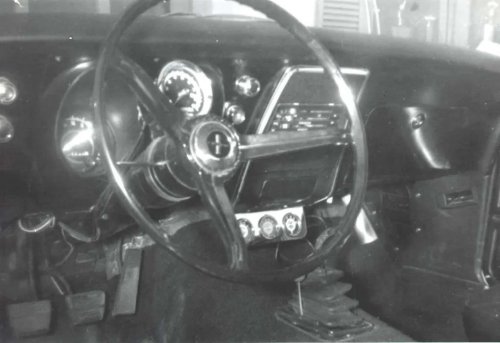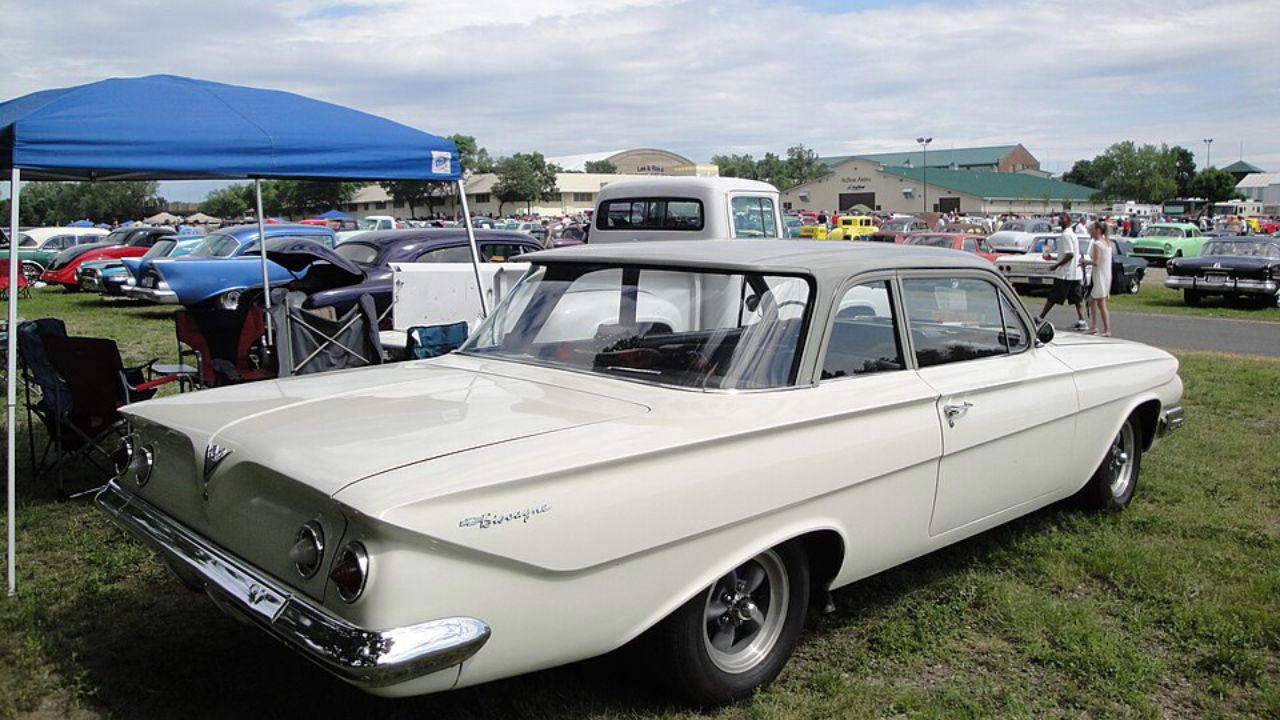



















Mechanics warn the 1961 Chevrolet Biscayne’s simplicity can still hide costly issuesThe 1961 Chevrolet Biscayne has a reputation as one of the simplest full-size Chevys of its era, a car that trades flash for basic, honest hardware. That stripped-down charm attracts buyers expecting a straightforward project, yet mechanics say the same simplicity can disguise expensive problems that only surface once the car is on a lift. From rust buried under plain sheetmetal to tired six-cylinder engines that look cleaner than they run, the Biscayne often hides its biggest bills in the very areas that made it affordable when new. Knowing where those traps sit is now essential for anyone tempted by a bargain-price sedan or two-door shell. The Biscayne’s “basic” promise Chevrolet pitched the Biscayne as a budget full-size model, with minimal trim and a focus on utility rather than prestige. Contemporary marketing leaned on the virtues of a simple sedan with clean lines and a practical interior, a theme that still shapes how buyers view the car today. Enthusiasts describe the 1961 Chevrolet Biscayne as a classic American car known for straightforward design and a spacious cabin. That basic image persists in owner memories. One enthusiast recalled that, just before his 16th birthday in 1974, he bought a 1961 Chevy Biscayne for $300, describing it as bone stock rather than a hot rod. The story underscores how the Biscayne was often a first car or family workhorse, not a pampered collectible. Mechanics say that history matters. Cars that started life as budget transportation were more likely to be driven year-round, parked outside and repaired as cheaply as possible. Six decades later, that background can leave a deceptively tidy shell hiding structural rust, mismatched drivetrain parts and improvised wiring. Under the hood: from “lazy six” to big-block swaps Many 1961 Biscaynes left the factory with Chevrolet’s straight-six. One featured car still carries the original engine, described as a “lazy” unit that favors durability over speed. Another period description of a similar Chevrolet six highlights a 235.5-cu.in. 235.5-cu.in. OHV engine with an “economy camshaft and carburetion,” tuned more for smooth, thrifty running than aggressive power. That gentle character can mislead modern buyers. A Biscayne that idles quietly and pulls away without drama may still have low compression, worn valve guides or tired bearings. One observer, discussing old sixes, referred to an optional two stroke 235 cubic inch six and mentioned running a two stroke 170 cube 62 235 that demanded constant oil in the trunk. While that comment covers a different car, it illustrates how engines of this era can be oil hungry and maintenance intensive even when they sound acceptable. At the other end of the spectrum, some Biscaynes now carry big-block V8 swaps. A documented 1961 example is equipped with a powerful big block motor and styling credited to General Motors, turning the once-humble sedan into a straight-line bruiser. Mechanics warn that such upgrades can mask other weaknesses. A strong engine can stress original transmissions, rear axles and brakes that were never designed for that output, leading to hidden costs when a new owner drives the car as hard as it looks. In both cases, the apparent simplicity of carbureted, distributor-ignition engines can lull buyers into underestimating the work required. As one account of a later Biscayne revival notes, anyone who drives a carbureted engine will say that, while the sound is lovely and the hardware is fun to work on, these setups are constantly in need of attention. That observation, applied to a 1962 example, fits the 1961 as well, since the basic technology barely changed. Rust and bodywork: the invisible budget killer On the surface, the 1961 Biscayne’s body looks straightforward. Flat panels, simple trim and unadorned bumpers suggest easy repair. Real-world rescues tell a different story. One Biscayne saved from the crusher had visible rust around the front fascia and an interior that needed full upholstery before it could be used again. Another car, described as rough but still “doable,” carried mixed news under the hood and a body that would challenge any restorer. Mechanics point out that these examples are typical. The Biscayne’s simple four-door sedan shell, described in one evaluation as Simple and utilitarian, often hides corrosion in the floorpans, trunk and lower quarters. Water leaks through dried-out window seals and past worn door gaskets can quietly rot the structure from the inside out. Because the exterior lines are clean and the trim is minimal, a quick walk-around may not reveal how much metal has thinned behind the scenes. Body shops also stress the cost of making a plain car look right. Straightening long, unbroken panels requires careful metalwork, and the Biscayne’s big roof and slab sides show every ripple. Even when owners opt for custom touches, such as black leather over original bench seats with contrasting blue stitch work, as seen on one featured 1961, the upholstery bill can rival the purchase price of a project car. Interior and electrical: simple layouts, complex fixes Inside, the Biscayne’s dashboard and door panels appear as models of restraint. Basic gauges, minimal brightwork and bench seats suggest a cheap refresh. Mechanics and trimmers say that assumption often collapses once the car is stripped. Original vinyl and cloth are rarely salvageable after six decades. Sun damage, moisture and mice leave many interiors needing complete replacement. While the design itself is simple, sourcing correct patterns and materials requires research or specialist suppliers. Owners who want an authentic look often turn to owner’s manual reprints to confirm original trim combinations and equipment, a reminder that documentation is as valuable as parts. Electrical systems present another trap. The Biscayne’s wiring harness is relatively straightforward compared with modern cars, yet decades of amateur repairs can create a maze of splices and non-standard connectors. Optional extras, such as backup lights on a 1961 Chevrolet Biscayne with a six-cylinder engine, add circuits that owners sometimes rewire without diagrams. Mechanics report spending hours tracing shorts and intermittent faults in cars that look mechanically sound but suffer from dim headlights, erratic charging or dead accessories. Saved from the crusher, then sent to the shop Recent rescues highlight how quickly costs escalate once a Biscayne is back on the road. One 1961 Chevy Biscayne that was nearly crushed now runs and drives after roughly 30 years off the road. The car, described with some rust around the front fascia and a tired interior, needed basic recommissioning just to move under its own power. Another 1961 Biscayne, bought after a long wait and later offered at no reserve, came with a seller who carefully documented the areas needing attention, implicitly acknowledging that buyers underestimate the work hidden behind aged paint and trim. In each case, the story follows a similar arc. A car that seems mechanically complete and structurally decent reveals layer after layer of deferred maintenance once a mechanic inspects it. Brake hydraulics, fuel lines, suspension bushings and steering components often require replacement as a set, not piecemeal. The cost of making the car safe can quickly exceed what a novice buyer expected to spend on the entire project. Why documentation matters more than ever Professionals who work on these cars repeatedly emphasize the value of factory literature. A 1961 full-size Chevy shop manual, available in reprint form for owners who want period-correct guidance, lays out diagnostic and repair procedures that modern generic manuals skip. Mechanics often keep a shop manual on the bench whenever they tackle brake adjustments, steering box setup or engine tune on a Biscayne. Assembly information is just as valuable. A dedicated factory assembly manual shows how components were installed on the line, from body panels to wiring clips. For buyers, this level of detail can reveal what has been altered over the decades. Incorrect fasteners, missing brackets or improvised routing often signal deeper issues beneath the surface. Searchable collections of factory manuals and related literature now help owners cross-check part numbers and specifications before committing to a purchase. Another reference search can confirm whether a car’s options align with its build period, an important step when sellers claim rare combinations or high-performance equipment. Mechanics say that buyers who arrive with printouts or digital copies of these documents are far less likely to be surprised later. They can verify engine codes, axle ratios and trim levels on the spot, then budget realistically for missing or incorrect items. Market signals: from $300 memories to data-driven shopping The nostalgia around cheap Biscaynes collides with a more data-driven market. That early story of a teenager buying a Chevy Biscayne for $300 in the 1970s sits in sharp contrast with current asking prices for restorable cars. Online listings now lean on high-resolution photos and detailed descriptions, but condition gaps remain. Modern tools are starting to fill those gaps. Aggregated Product information helps buyers compare parts availability and pricing before they commit to a project. If a Biscayne needs a complete brake overhaul, fresh interior and major engine work, a quick search reveals whether the necessary components are readily available or limited to specialist vendors. Social media also shapes expectations. Enthusiast groups share stories of Biscaynes that were saved from junkyards, revived after decades of sitting or transformed into custom builds. One discussion of reliability and maintenance of old cars, including that reference to a two stroke 170 cube 62 Falcon, gives a candid view of the compromises involved in keeping vintage hardware on the road. These narratives, combined with auction descriptions that highlight flaws rather than hide them, gradually educate buyers who might otherwise be seduced by low entry prices. Why “doable” does not always mean cheap Enthusiasts often describe rough Biscaynes as “doable” projects. The word appears in accounts of cars with tired paint, worn interiors and engines that still start. Mechanics interpret that optimism carefully. A project can be doable in the sense that parts exist and the design is straightforward, yet still demand a five-figure investment to reach reliable, enjoyable condition. More from Fast Lane Only Unboxing the WWII Jeep in a Crate 15 rare Chevys collectors are quietly buying 10 underrated V8s still worth hunting down Police notice this before you even roll window down