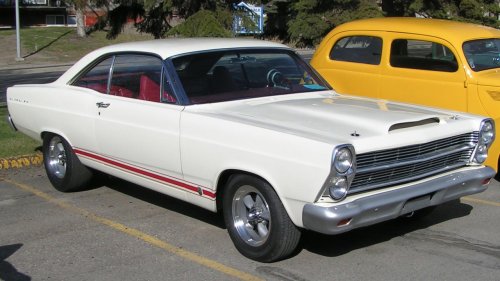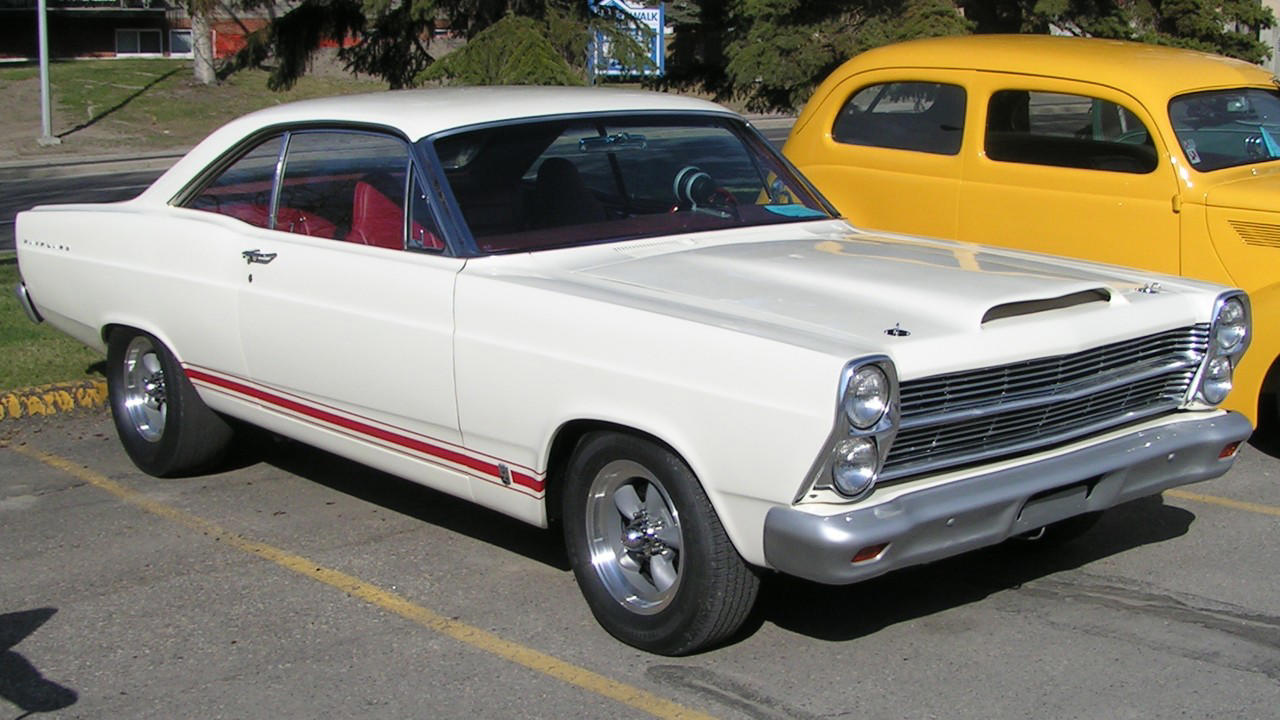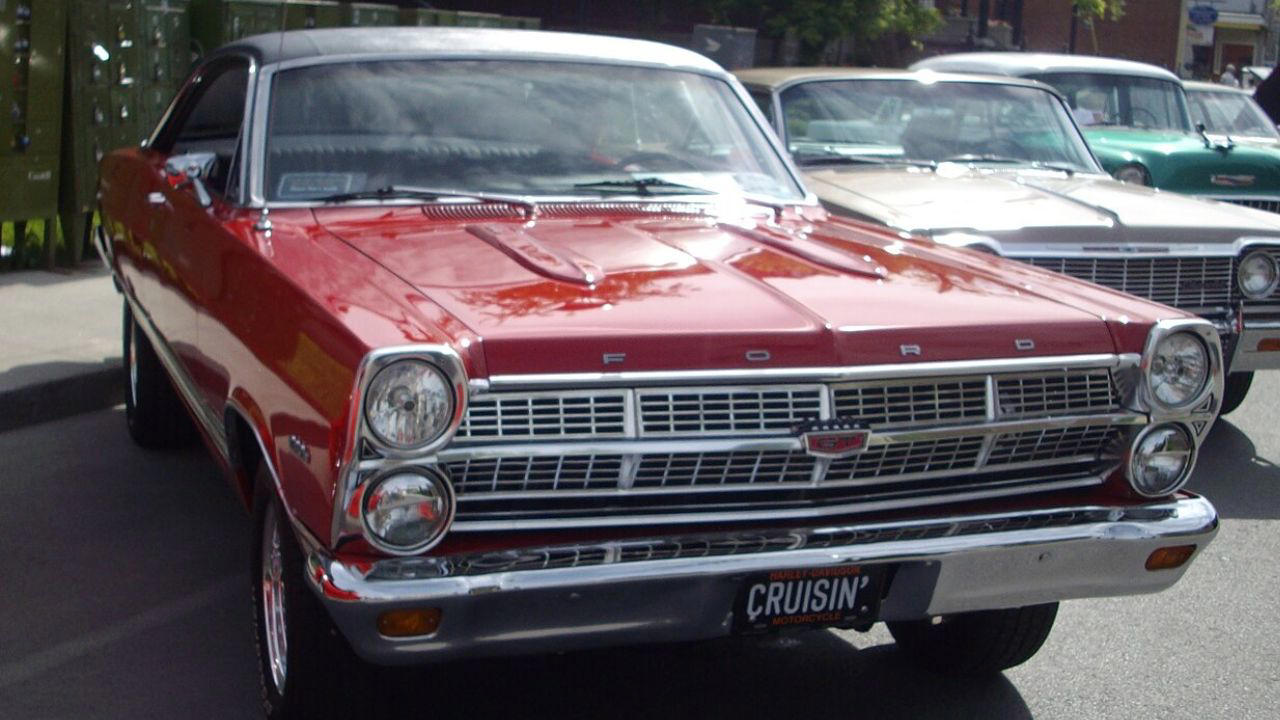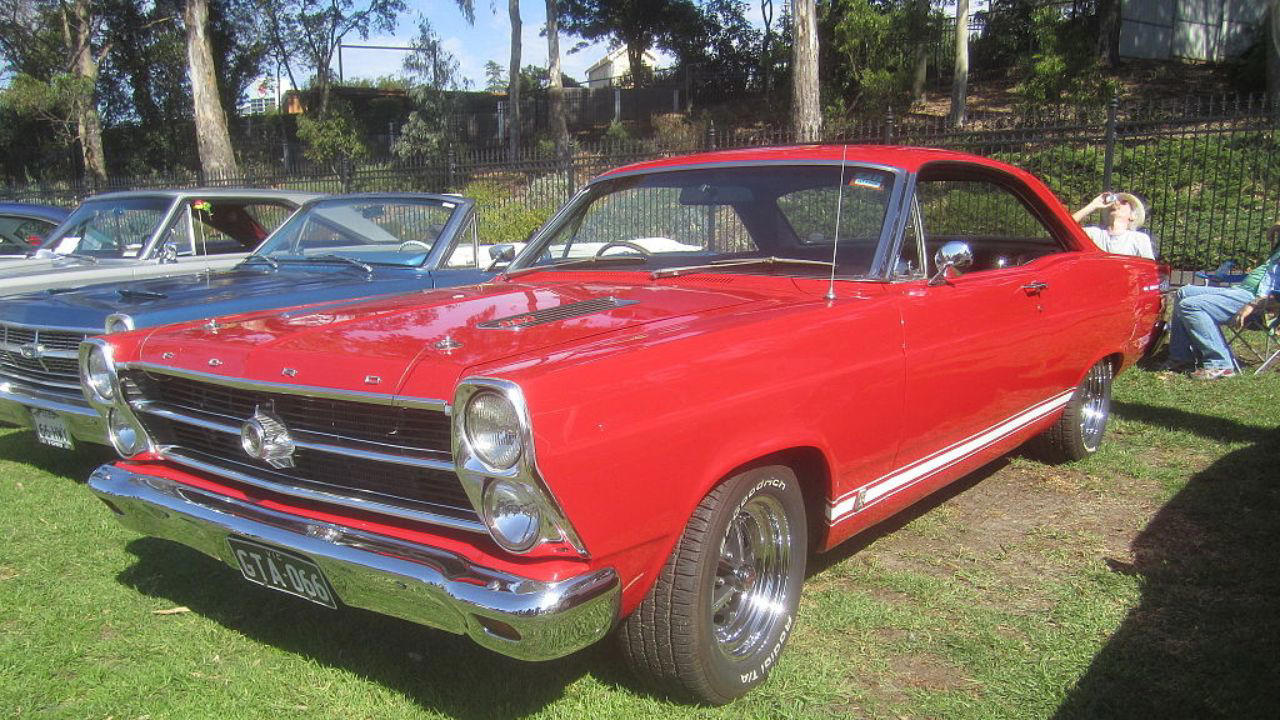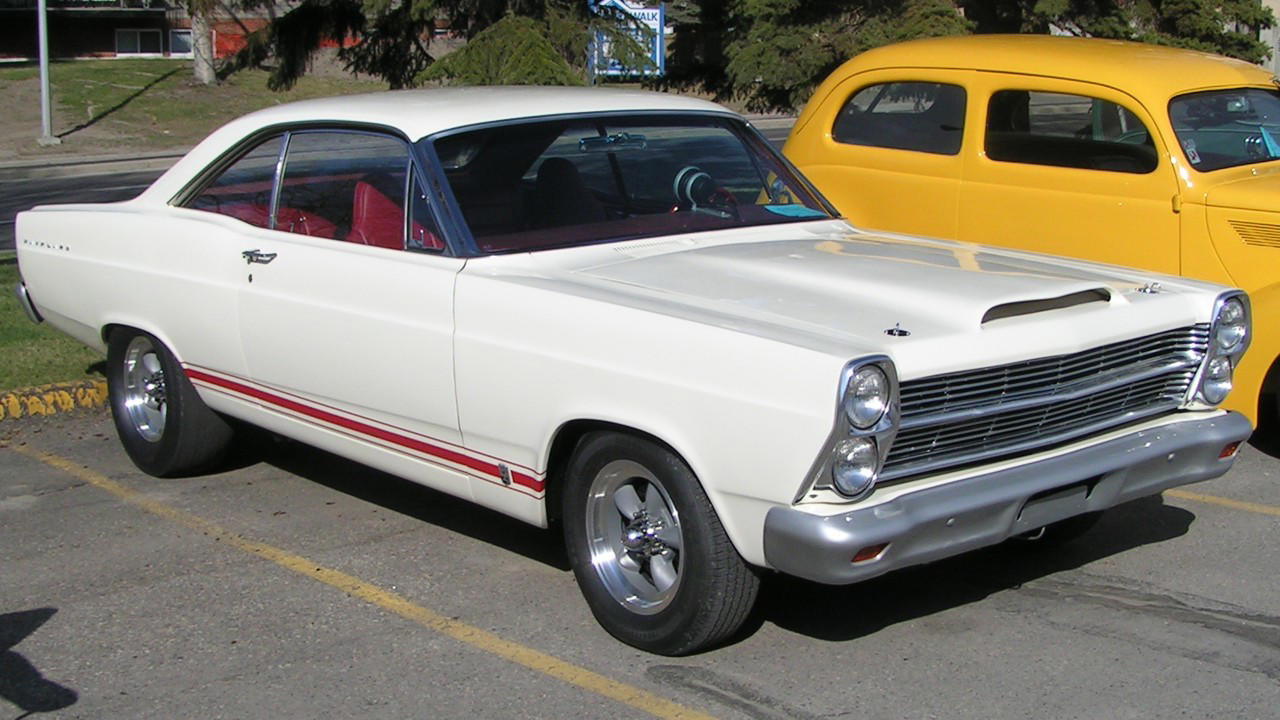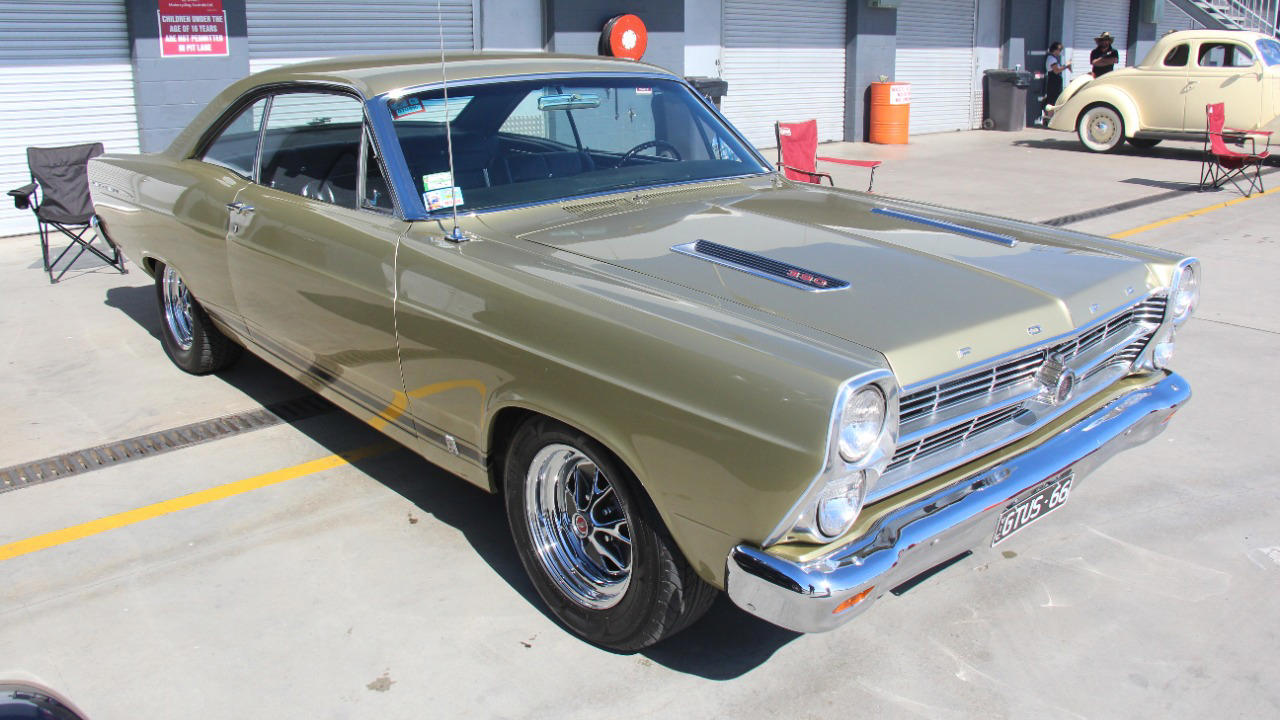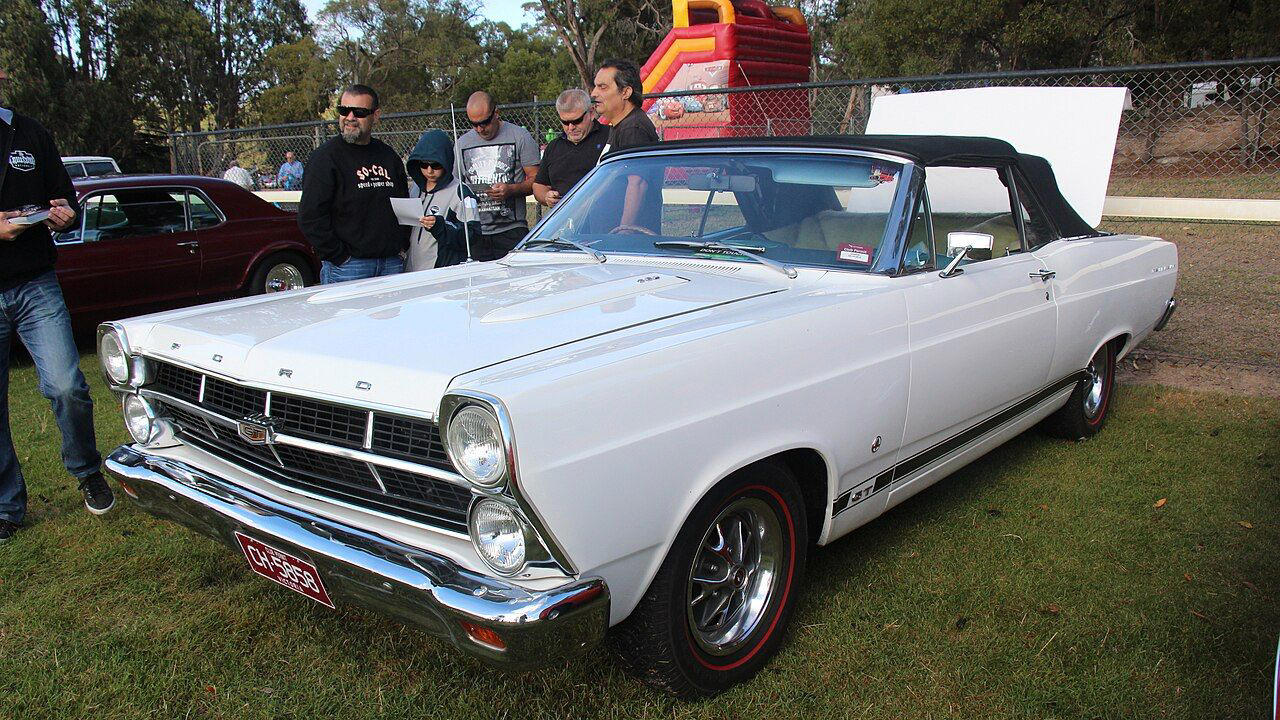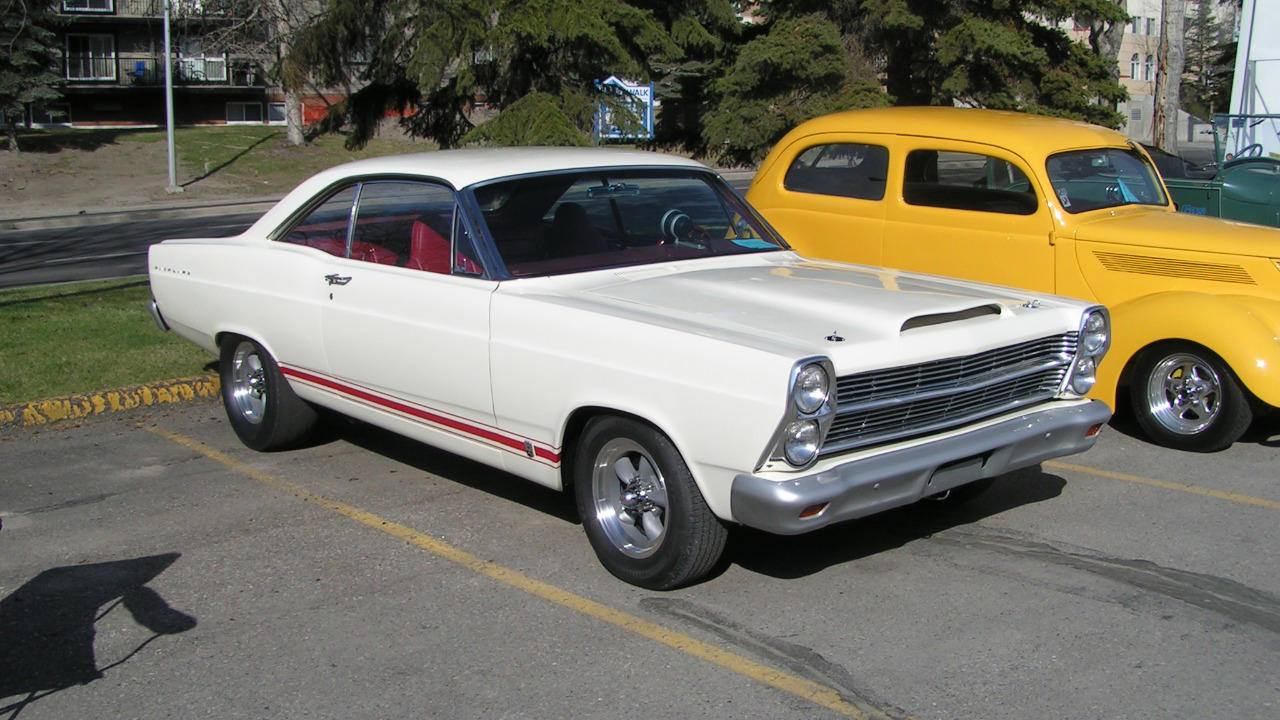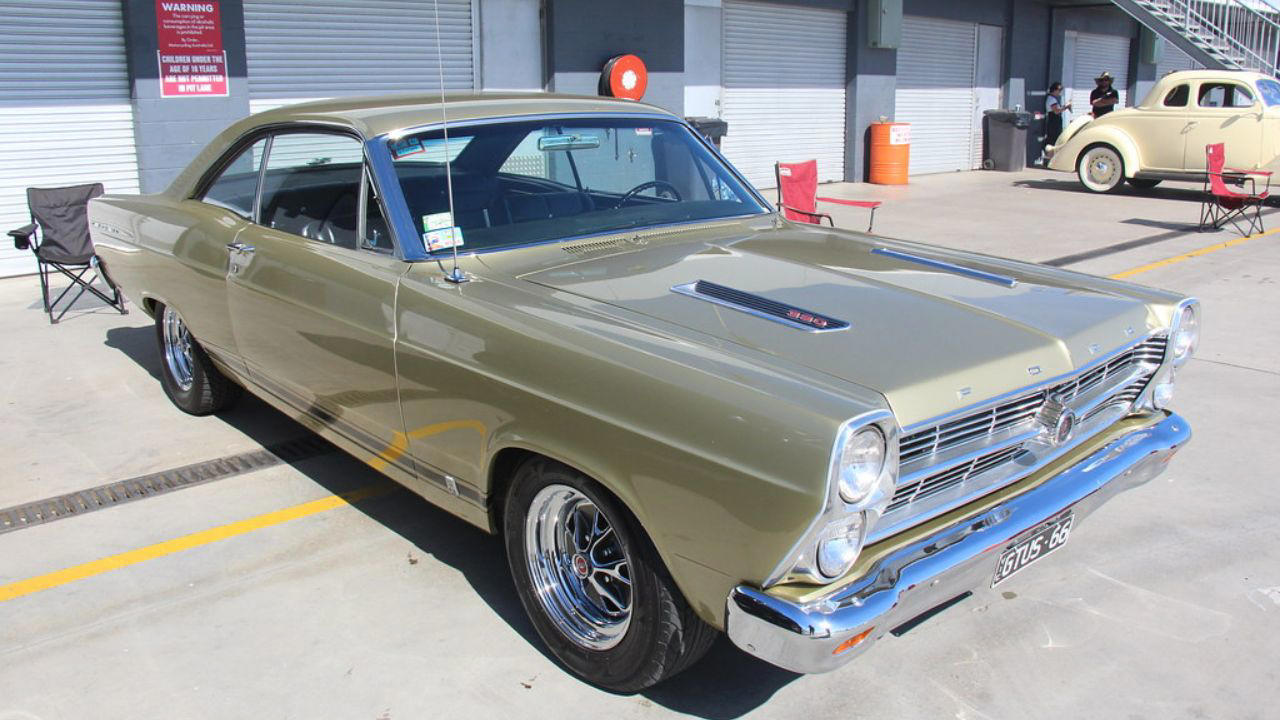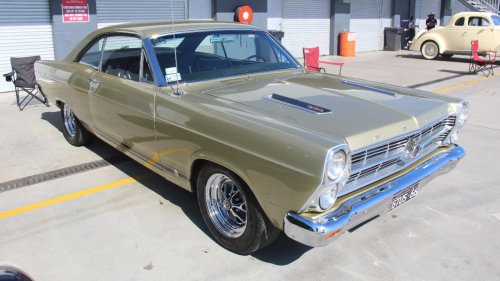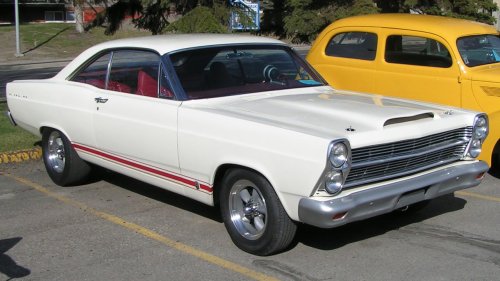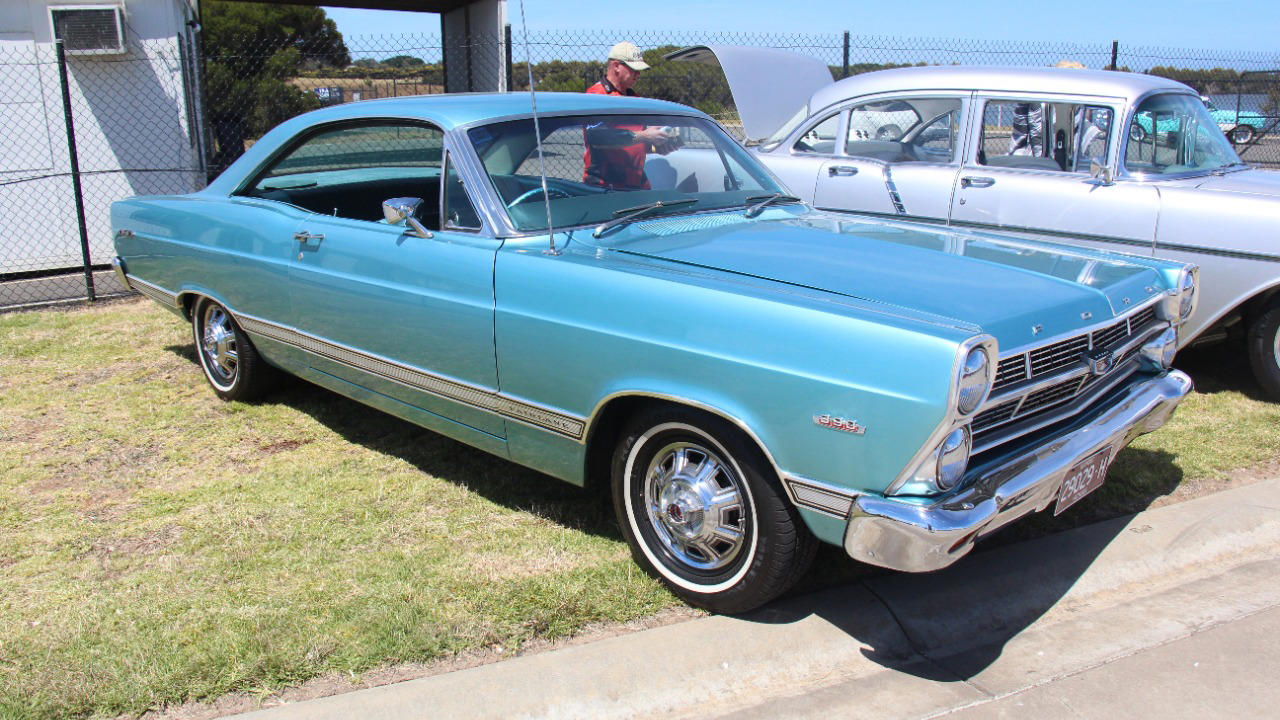


















Mechanics warn the 1966 Fairlane GT had durability issues under hard drivingThe 1966 Fairlane GT arrived as Ford’s answer to a growing appetite for midsize muscle, a sleek package that promised big-block power in a tidy footprint. Under gentle use, many cars survived decades as cherished cruisers. Under hard driving, however, mechanics and owners learned that this stylish Fairlane could reveal fragile spots in its steering, cooling and drivetrain. Today’s restorers and drivers inherit both sides of that legacy. They celebrate the car’s performance potential, yet trade stories about steering box play, overheating in traffic and the punishment a torquey 390 can inflict on stock components when driven like a modern performance car. From stylish midsizer to hard-used muscle Ford positioned the Fairlane GT as a midsize performance step between compact Falcons and full-size Galaxies. Period and modern enthusiasts describe the 1966 Ford Fairlane as a sleek and stylish mid-size car that blended classic American design with real performance potential, a combination that continues to draw interest in restoration groups such as dedicated Ford Fairlane communities. The GT and GT/A packages added big-block power, bucket seats and visual cues that set them apart from more ordinary Fairlanes. To complement the Fairlane’s all-new exterior and body structure, Ford created the Fairlane GT and GT/A as what enthusiasts now describe as Ford’s First Midsize Musclecar, aimed at buyers who wanted something more focused than a full-size cruiser yet more substantial than a compact. Period coverage of the Fairlane GT highlights the way Ford wrapped this drivetrain in an upscale interior with console and full carpeting, which encouraged owners to treat the car as both a muscle machine and a daily driver. Big-block performance and the stress it created At the heart of the Fairlane GT sat a 390 cubic inch V-8 that delivered serious thrust for the era. Period test data lists an Engine Ohv V-8 with Bore 4.00 ins and Stroke 3.78 ins, a Compression ratio of 10.5:1 and Displacement 390 cu. ins, with Horsepower 335 at 4800 rpm. That combination, documented in contemporary engine specifications, gave the midsize Fairlane acceleration that rivaled larger muscle cars. On paper, those numbers looked like a simple upgrade from small-block power. In practice, the torque of a 390 in a relatively compact chassis put fresh strain on components that had been scaled up from more modest Fairlane models. Clutches, driveshafts and rear axles were now coping with repeated full-throttle launches that few family sedans ever saw. When new, the cars could handle this abuse for a while, but mechanics soon saw patterns: premature wear in driveline parts, increased maintenance needs and, in some cases, outright failures when owners treated the GT like a drag-strip regular. Modern owners who have upgraded their engines amplify these stresses even more. One long-term Fairlane GTA owner describes a car that received .030 over 390 displacement, 428 SCJ heads and Hooker long-tube headers, a combination that pushed performance well beyond stock. That same account of a 1966 Fairlane GTA, converted to a top loader 4-speed with one repaint and the mix of 030, 390 and 428 parts, illustrates how enthusiast modifications can transform the car into something far more demanding on its chassis and drivetrain than Ford originally anticipated, as seen in detailed Fairlane GTA maintenance discussions. Body, structure and the limits of a midsize shell The Fairlane GT’s body structure was new for 1966 and intended to be stiffer than earlier models, but it was still a unibody design adapted from a family car. Guides for prospective buyers describe how The Fairlane GTA came in both hardtop and convertible form, both of which boasted a special hood with faux air intakes, along with other trim that distinguished them from standard Fairlanes. These BODY descriptions emphasize styling and options more than structural upgrades. Under everyday use, the shell generally holds up well, especially when rust is kept under control. Under repeated hard launches and aggressive cornering, however, body flex can creep in. Mechanics point to telltale signs such as doors that need extra effort to close after years of hard driving, stress cracks near suspension mounting points and squeaks that trace back to seam movement. Convertible versions, with less inherent rigidity, can be more prone to these issues unless they receive additional bracing during restoration. Owners who stiffen the chassis with subframe connectors and improved bushings often report a more precise feel and fewer rattles. That retrofit trend hints at what the original structure lacked when asked to handle modern tire grip and power levels that exceed factory ratings. Steering play and alignment drift One of the most common complaints from drivers who push a 1966 Fairlane GT is vague steering. Mechanics field repeated questions about Ford Fairlane GT Steering Box Play and Float Issues, where owners describe excessive play at the wheel and a tendency for the car to wander on the highway. Technical advice in classic car forums and services such as steering box help often begins with checking the steering box adjustment, tie-rod ends and idler arm bushings. Under hard driving, these steering components face higher lateral loads than in gentle cruising. Repeated cornering on modern, stickier tires can accelerate wear in bushings and ball joints that were designed for bias-ply rubber. The result is a front end that gradually loses precision. Mechanics who specialize in these cars often recommend rebuilding the steering box, replacing all wear items in the linkage and ensuring proper front-end alignment with a bit more caster than original specifications to improve straight-line stability. Owners who ignore early signs of play can find the car developing a disconcerting float at speed. That may not be catastrophic, but it undermines confidence when driving a powerful big-block Fairlane on modern roads. For enthusiasts who want to enjoy spirited driving, addressing steering wear has become one of the first priorities in any serious refurbishment. Cooling troubles when the pace heats up Cooling systems on mid-1960s muscle cars were often marginal even when new. In the Fairlane GT, the combination of a tight engine bay and a hot 390 V-8 leaves little margin when traffic slows or ambient temperatures rise. Owners who drive their cars in modern conditions describe engine temperatures climbing quickly in stop-and-go situations, especially with air conditioning or performance upgrades. One detailed troubleshooting account attributes chronic overheating in a 1966 Ford Fairlane GT to insufficient air flowing through the radiator core. That owner estimated the radiator core at around 400 square inches, a size that may have been adequate for factory output but can struggle with higher compression, more aggressive ignition timing or sustained idling. Technical discussions of overheating causes often point to a combination of limited core area, shroud design and fan efficiency. Under hard driving, the cooling system faces a different challenge. High engine speeds produce more heat, yet airflow through the radiator improves with vehicle speed. Problems often arise when a spirited run is followed by a long idle at a stoplight, where residual heat soak overwhelms a marginal radiator. Mechanics frequently recommend larger aluminum radiators, improved shrouds and high-flow water pumps for drivers who plan to use their Fairlane GTs aggressively. Drivetrain wear, from transmissions to rear axles The Fairlane GT and GT/A offered both manual and automatic options, including the GT/A’s automatic, which allowed drivers to enjoy big-block performance without shifting. Over time, many owners have converted GT/As to manual gearboxes for a more involved driving experience. The previously mentioned Fairlane GTA that was converted to a top loader 4-speed in 1970 illustrates a common path for enthusiasts who wanted stronger gearsets and better control. Hard driving exposes weak points in these drivetrains. Stock clutches can fade or slip when subjected to repeated high-rpm launches. Original driveshafts and universal joints, now decades old, can develop vibration or even fail under sudden torque spikes. Rear axles that were adequate for moderate use may suffer from worn bearings or chipped gears if subjected to drag-style starts on sticky tires. Mechanics often advise a full inspection of the driveline whenever a Fairlane GT is being built for performance use. That usually means replacing universal joints, checking driveshaft balance, upgrading to stronger differential units, and ensuring the transmission has been rebuilt with quality components. Many owners also adopt more conservative rear gear ratios to reduce stress at highway speeds while still enjoying strong acceleration. Suspension, brakes and the reality of 1960s hardware From the factory, the Fairlane GT’s suspension was tuned for a mix of comfort and control, not for the kind of grip expected from modern performance cars. Front coil springs, rear leaf springs and relatively soft shock absorbers created a compliant ride but allowed noticeable body roll. Under hard cornering, that roll can unsettle the car, especially when combined with worn bushings or tired shocks. Mechanics who see these cars after years of use often find sagging rear springs, cracked rubber bushings and shocks that no longer dampen effectively. When a driver then adds wider wheels and high-traction tires, the suspension’s limitations become obvious. The car may feel floaty in transitions and can struggle to put power down cleanly exiting corners. Braking hardware reflects similar compromises. Many GTs carried front disc brakes, a valuable upgrade over drums, but rotor size and pad compounds were developed for 1960s traffic. Repeated high-speed stops can lead to fade, longer pedal travel and, in extreme cases, warped rotors. For owners who intend to drive their Fairlane GT hard on modern highways, mechanics routinely suggest upgraded pads, stainless steel lines and, in some cases, larger rotors and calipers that fit behind period-correct wheels. How enthusiasts are adapting the 1966 Fairlane GT Despite these durability concerns, the 1966 Fairlane GT retains a loyal following. Enthusiasts are not blind to its weaknesses. Instead, they treat them as a checklist for thoughtful upgrades that preserve the car’s character while making it more resilient under modern use. In restoration and modification groups, owners share detailed build sheets that combine original styling with targeted improvements. Common themes include reinforcing the unibody with subframe connectors, rebuilding or replacing the steering box, modernizing suspension components and installing more efficient radiators and fans. Many still favor period-correct parts such as SCJ heads or Hooker headers on engines with .030 over 390 displacement, but they pair these with stronger driveline components to handle the increased load. Buyer guides for The Fairlane GTA encourage shoppers to inspect body seams, suspension mounting points and steering systems carefully, since these are the areas most likely to show the scars of hard use. Prospective owners are advised to look past fresh paint and chrome and instead focus on structural soundness and mechanical health. A car that has already received thoughtful upgrades in these areas can be a better long-term bet than a perfectly original example that still carries all of its 1960s vulnerabilities. Balancing heritage with hard use The 1966 Fairlane GT occupies a distinctive place in muscle car history. It introduced big-block power to Ford’s midsize line and gave buyers a stylish alternative to larger performance models. That same formula, however, exposed the limits of a chassis and component set that had not been fully engineered for sustained high-stress driving. More from Fast Lane Only Unboxing the WWII Jeep in a Crate 15 rare Chevys collectors are quietly buying 10 underrated V8s still worth hunting down Police notice this before you even roll window down