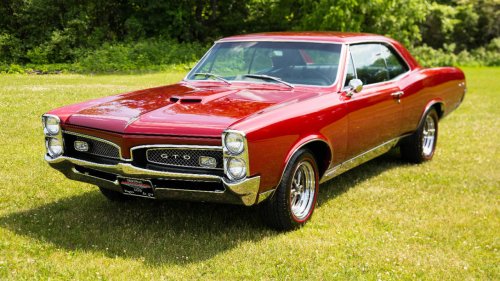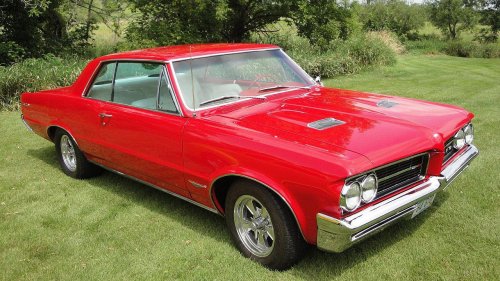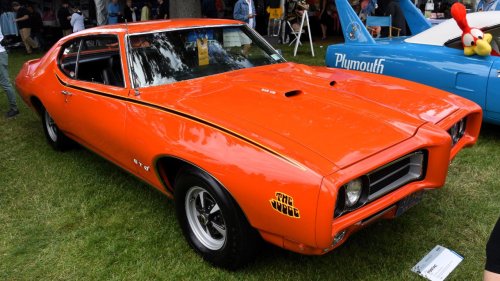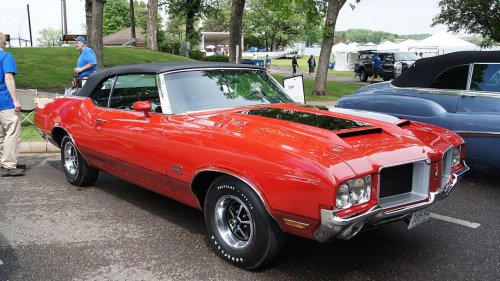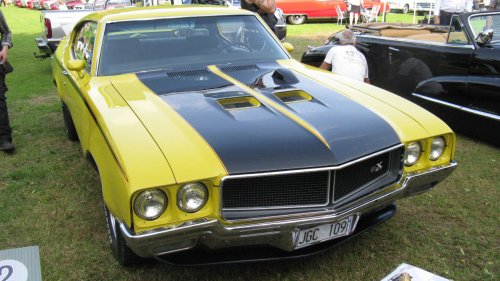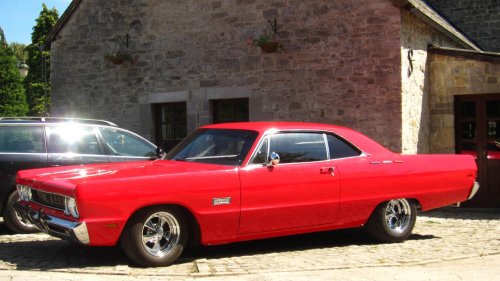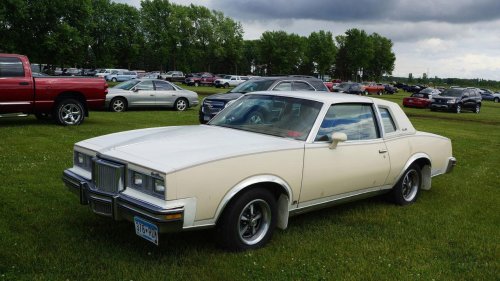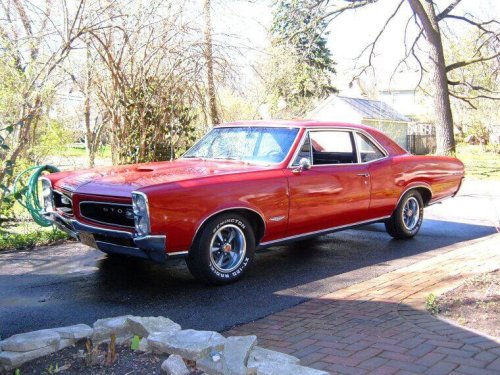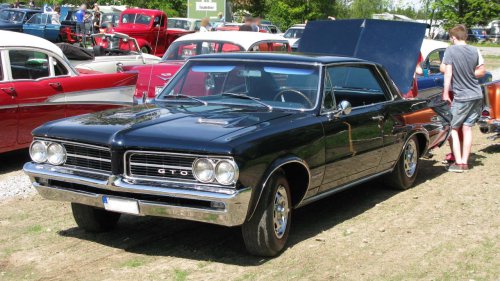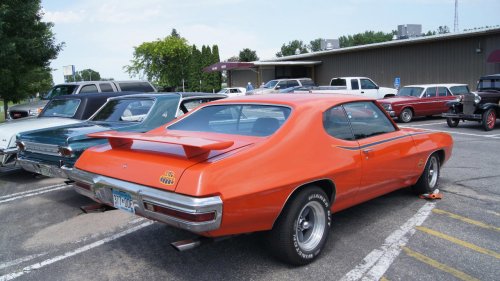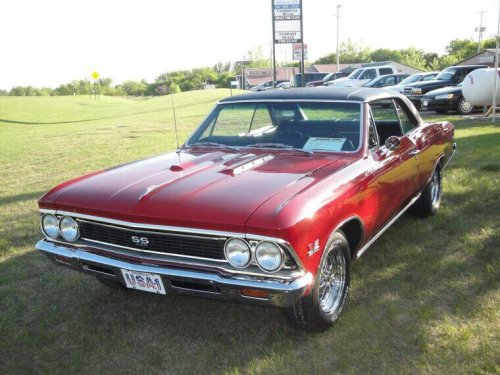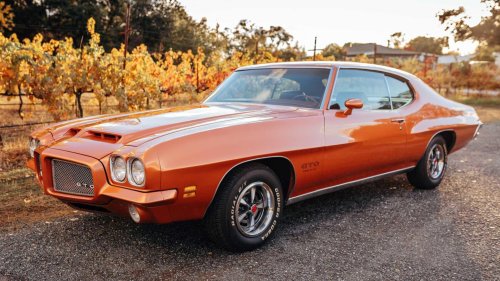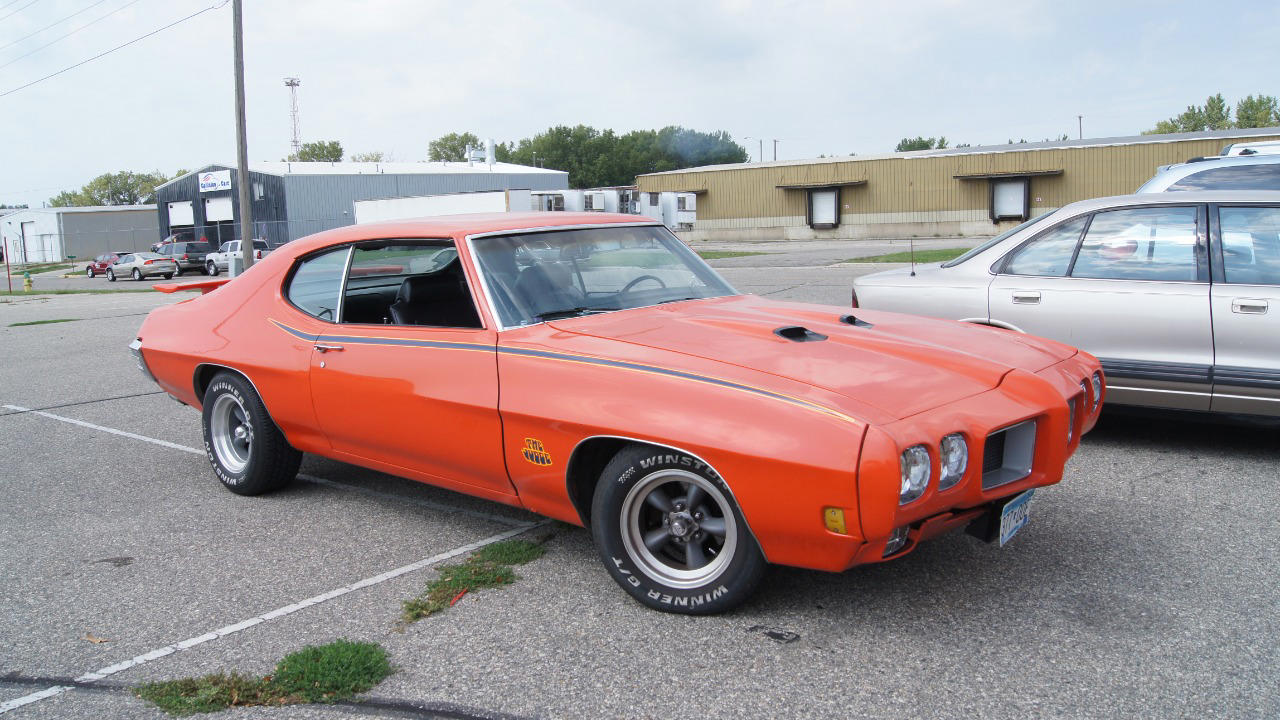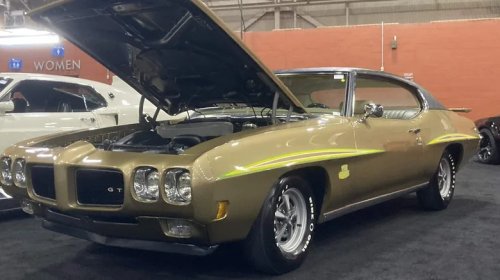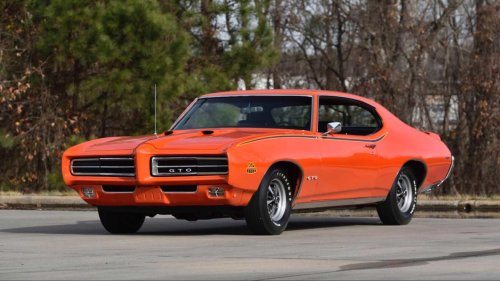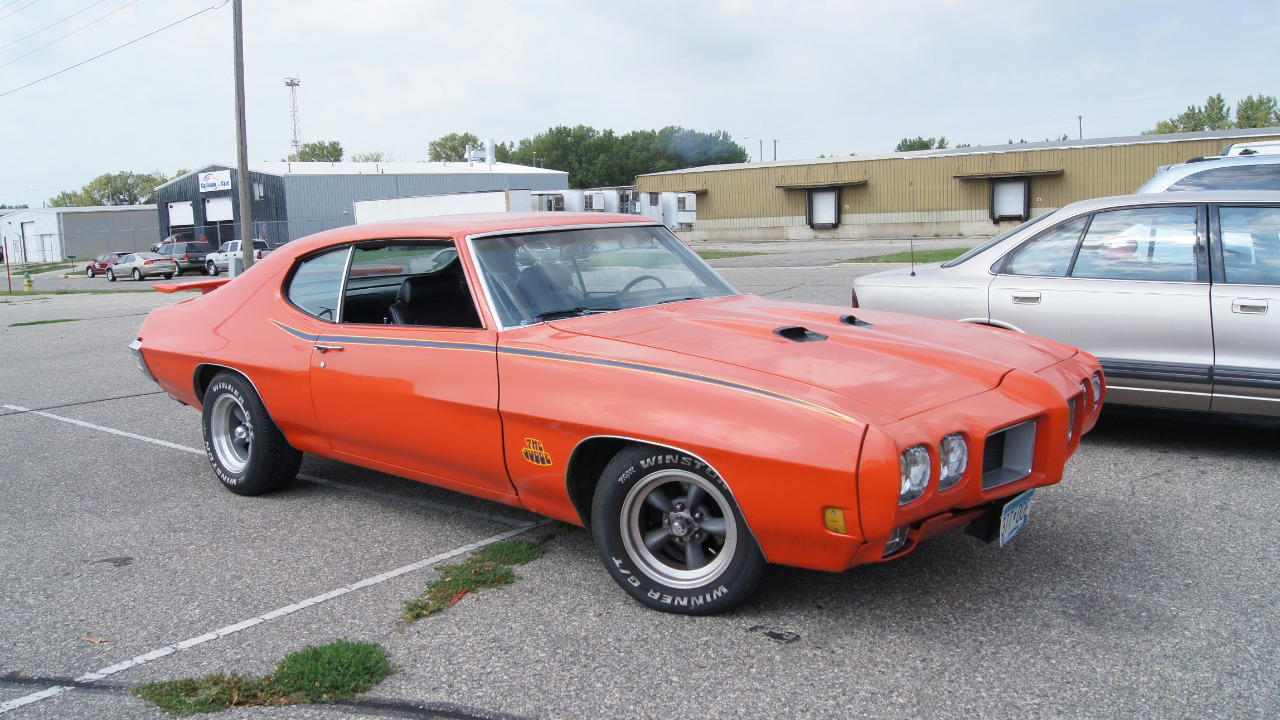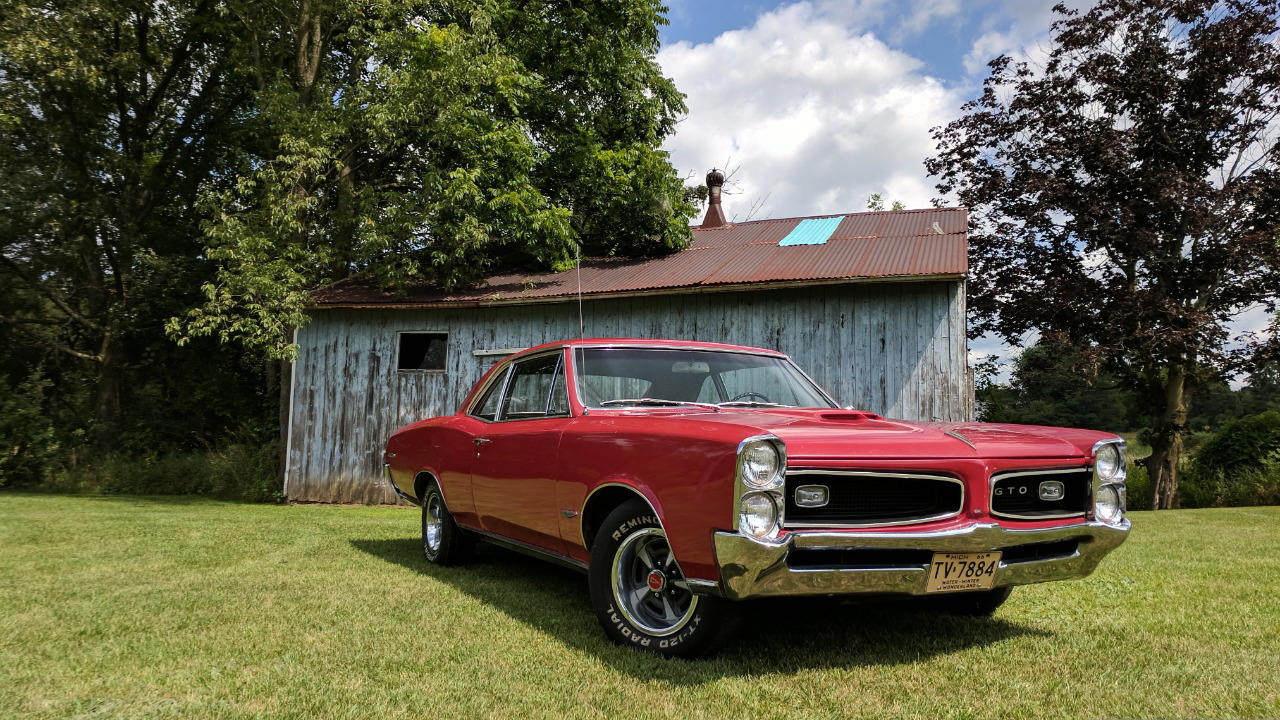



















What happened to the 1966 GTO still shapes muscle cars todayThe 1966 GTO did more than give Pontiac a sales hit. It nailed the formula for an affordable, stylish, big-engine performance car and set expectations that still shape what buyers want from a muscle car today. From its Coke-bottle curves to its V8 punch, the template it refined in the mid-1960s still echoes in modern showrooms and auction lanes. Glance at any current V8 coupe or retro-styled performance model and the influence is clear. The 1966 GTO turned raw power into a complete package of design, sound, speed and attitude, and that mix still defines how carmakers try to sell excitement to drivers who want more than basic transportation. The moment Pontiac GTO According changed the rules By the early 1960s, America was shifting away from conservative family sedans. Younger buyers wanted cars that looked aggressive and felt fast, and they were willing to trade comfort for excitement. Pontiac tapped into that mood with the GTO, and by 1966 the formula had fully matured into a car that performance fans still treat as a benchmark. Enthusiasts point out that the 1966 GTO is often described as one of the first true muscle cars, a mid-size body with a large-displacement V8 and a price within reach of working buyers. Community discussions highlight that the 1966 GTO is credited with some of the earliest muscle car, linking its arrival to the broader movement that followed. That shift did not just sell cars in the 1960s. It set a pattern that still guides how brands position their performance models today: tap youth culture, emphasize individuality over practicality and treat acceleration as a calling card. Styling that still defines muscle car swagger Visually, the 1966 GTO moved Pontiac away from boxy early 1960s shapes into something far more dramatic. Fans describe the car’s sleek Coke-bottle curves, stacked headlights and wide stance as the epitome of muscle car swagger, a look that telegraphed speed even when parked. One enthusiast summary praises the 1966 Pontiac GTO and singles out its flowing Coke-bottle profile as a symbol of confidence on wheels. The shape did more than win beauty contests. It created a design language that modern muscle cars still chase. Long hood, short deck, pronounced rear haunches and an assertive front fascia remain standard on contemporary V8 coupes. Designers who work on current retro-inspired models repeatedly return to that basic silhouette because it connects instantly with buyers who grew up around cars like the GTO, or who absorbed their image through film and TV. Lighting details also left a mark. The stacked headlights of the 1966 model gave the front end a vertical emphasis that made the car look taller and more imposing. Even where modern regulations have changed headlamp shapes, the idea of a bold, distinctive face that is instantly recognizable in a rearview mirror traces back to cars like this one. Three body styles, one aggressive attitude The 1966 GTO did not rely on a single configuration. It offered three body styles, a pillared coupe, a pillarless hardtop and a convertible, all sharing the same aggressive profile and performance focus. Enthusiast groups describe how these 1966 GTO body allowed buyers to choose between a practical roofline, a sleek hardtop or open-air driving without giving up the car’s signature stance. That strategy still shapes muscle car lineups. Current performance coupes often come as hardtops and convertibles, while some brands add four-door or fastback variants that keep the same basic proportions. The message is consistent: the badge and the attitude matter more than the number of doors, and customers should be able to pick the format that fits their lives. By proving that a single performance identity could stretch across multiple body styles, the 1966 GTO helped normalize the idea that a muscle car is defined by power and presence rather than a single silhouette. Powertrain: the 389 blueprint Under the hood, the 1966 GTO delivered the sort of big-displacement V8 that would become synonymous with American muscle. One enthusiast breakdown notes that the 1966 Pontiac GTO used a 389 cubic inch V8, and describes how that engine helped Featuring 389 power solidify the car’s place as a performance icon. That 389 layout set expectations that still linger. Modern muscle cars may use different displacements and more advanced fuel systems, but the idea of a large-capacity V8 as the heart of the experience remains powerful. Buyers still talk about cubic inches or liters as shorthand for character, and carmakers still market their biggest engines as the true enthusiast choice. The 1966 GTO also linked that power to real-world performance. Enthusiast figures describe the car as capable of accelerating from 0 to 60 m in around 7 seconds, with a top speed of over 120 m. One detailed overview of The GTO performance credits those numbers with helping launch the broader muscle car movement. Today, manufacturers still benchmark their performance models with similar metrics. The exact times have improved, but the focus on 0 to 60 acceleration and top speed as headline figures can be traced directly back to cars like the 1966 GTO that first translated raw displacement into quantifiable bragging rights. Suspension and Handling: more than straight line speed While the GTO’s legend often centers on power, contemporary accounts also highlight its chassis. One enthusiast summary notes that suspension and handling were a selling point, with the GTO using a heavy-duty suspension with upgraded springs and shocks to cope with the engine’s output. That focus on suspension and handling helped the car feel more composed than some of its rivals. Modern muscle cars have taken that idea much further, with sophisticated multi-link rear suspensions, adaptive dampers and electronic stability systems. Yet the underlying expectation that a performance coupe should turn and stop as well as it accelerates gained traction in the 1960s, when buyers began to demand more than simple straight-line speed. The 1966 GTO shows up in that story as a bridge between old-fashioned hot rods and more complete performance cars. It still leaned toward power, but its upgraded suspension signaled that handling was part of the package, a lesson that current engineers have embraced fully. Sales success that proved the formula Enthusiast communities often cite the 1966 GTO as a sales phenomenon. One discussion notes that GTO fans point to that model year as having some of the highest recorded sales for any true muscle car, with comments celebrating how the GTO sales peak validated the entire concept. That commercial success mattered. It told Detroit executives that there was real money in building powerful mid-size cars and marketing them to younger drivers. The result was a wave of competitors that copied the GTO’s basic recipe, and a lasting belief among automakers that performance models can act as image leaders for an entire brand. Even now, when performance cars account for a small share of total volume, companies keep them in the lineup because of the halo effect. The 1966 GTO helped prove that a single charismatic model can punch far above its sales weight in shaping public perception. A pop culture and collector icon Beyond the showroom, the 1966 GTO became part of American pop culture. Enthusiast groups describe it as one of the most popular muscle cars of its era and note that it is still sought after by collectors. One community post cites Hagerty Valu data to show how values have remained strong, and explains that the car continues to turn heads wherever. This ongoing appeal feeds directly into modern muscle car culture. Owners of current performance models often reference classic GTOs when customizing their cars, whether through period-correct colors, retro stripes or wheel designs that echo 1960s styles. The 1966 model in particular has become shorthand for a certain kind of cool that blends aggression with polish. Its presence in major private collections reinforces that status. One video tour of a large American collection describes a facility with more than 170 cars and highlights how the GTO sits among other important performance icons. The host explains that the 170 car collection treats the GTO as a key piece of Pontiac history, which mirrors how many enthusiasts rank it in the broader story of muscle cars. Restoration culture and the 1966 template The 1966 GTO has also become a star of the restoration world. One detailed walkaround from Kenyan Classic Cars in Clarence Iowa shows a rotisserie-restored example and underlines how much care goes into preserving factory-correct details. The presentation from Kenyan Classic Cars in Clarence Iowa highlights original-style trim, accurate interior patterns and period-correct finishes. That level of attention has influenced how restorers and builders treat other muscle cars. The 1966 GTO sets a high bar for authenticity, and many shops use it as a benchmark when deciding how far to go in recreating original specifications. At the same time, restomod builders use the GTO’s body as a canvas for modern drivetrains and electronics, blending classic looks with contemporary performance. The result is a car that bridges generations. Older enthusiasts remember the GTO from new, while younger fans encounter it as a restored or modified icon at shows, auctions and on social media. Its continued presence in both worlds helps keep the broader muscle car tradition alive. From America’s streets to modern showrooms The GTO story is tied closely to changes in America itself. Video histories of the model describe how, in the early 1960s, the streets of America were shifting as young people rejected their parents’ sedans and demanded something bolder. One retrospective on why the GTO is often called the first real muscle car explains that this cultural shift in America performance culture created the perfect environment for Pontiac’s experiment. Modern muscle cars operate in a different regulatory and economic climate, yet they still lean on the emotional triggers that the 1966 GTO helped identify. Loud exhaust notes, bold paint colors, aggressive marketing and an emphasis on freedom and individuality are all direct descendants of that era. Manufacturers also continue to mine the GTO’s legacy for design cues. Retro-styled models borrow elements like Coke-bottle curves and stacked or multi-element lighting signatures, while marketing departments reference 1960s heritage in advertising campaigns. The 1966 car’s blend of nostalgia and performance has become a toolkit for selling modern hardware. Why the 1966 GTO still matters to muscle cars Put together, the 1966 GTO’s impact is hard to overstate. It refined the visual language of muscle cars, from its Coke-inspired profile to its assertive nose. It proved that a large-displacement V8 like the 389 could turn a mid-size car into a performance hero. It showed that handling upgrades mattered, that multiple body styles could share a single performance identity and that sales success could turn a niche idea into a mainstream trend. Collectors and enthusiasts keep that legacy alive, whether through carefully restored examples, high-profile collections or online communities that trade stories and data about the car’s performance and history. The fact that so many modern muscle cars still echo its proportions, priorities and personality shows how deeply the 1966 GTO shaped the segment. More from Fast Lane Only Unboxing the WWII Jeep in a Crate 15 rare Chevys collectors are quietly buying 10 underrated V8s still worth hunting down Police notice this before you even roll window down