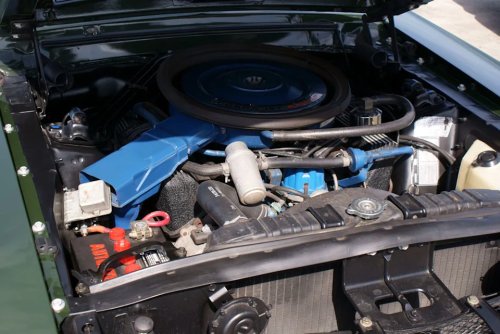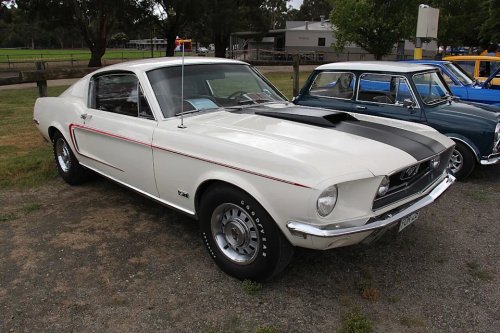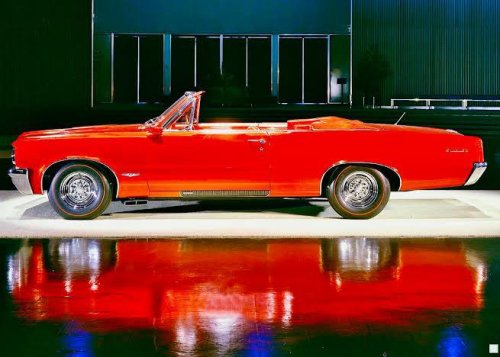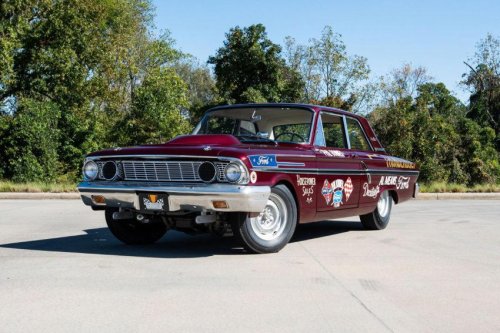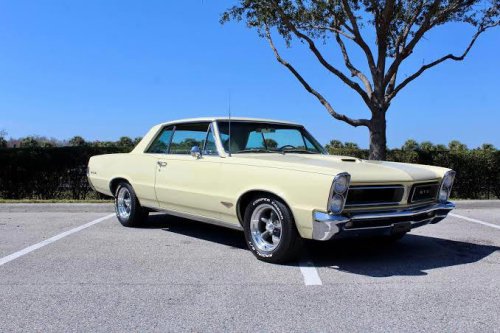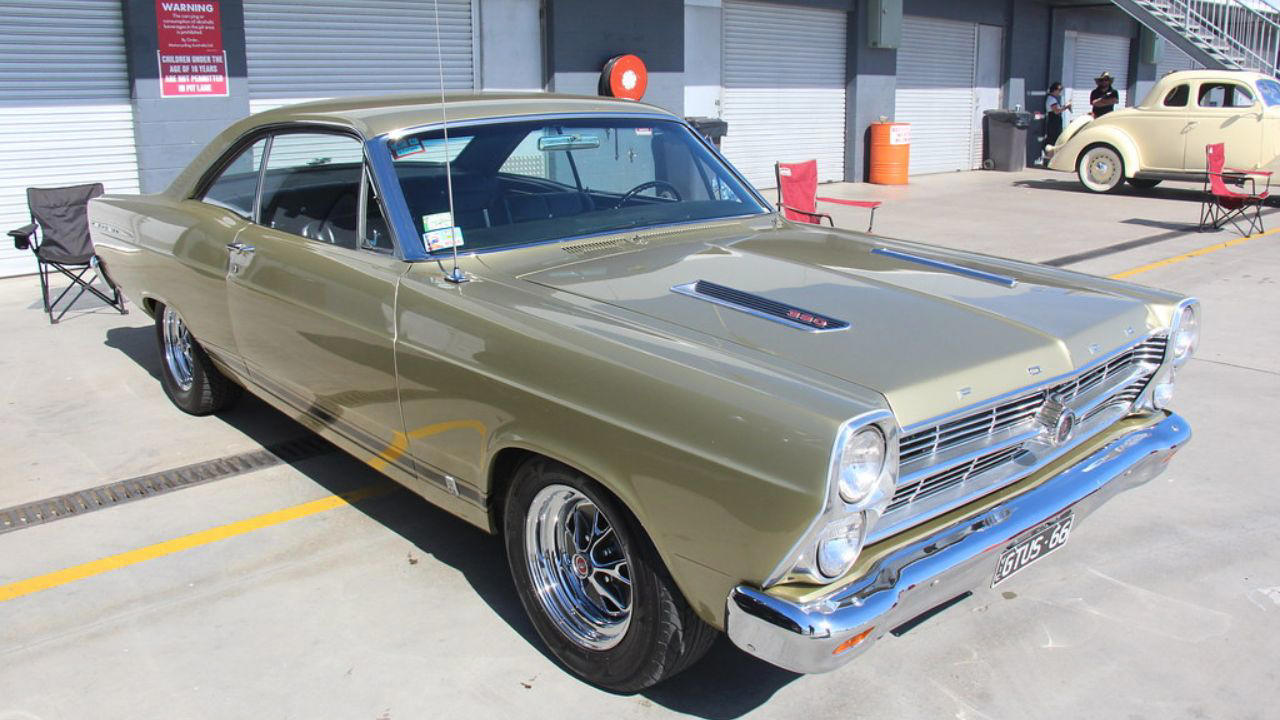



















Ford used the Fairlane GT to prove a point in the early muscle car raceBefore the Mustang and the big-block Galaxies soaked up the spotlight, Ford quietly used the Fairlane GT as its proof of concept in the early muscle car race. By dropping serious power into a practical midsize shell, the company built a car that could run with Detroit’s quickest while still hauling a family and luggage. The 1966 Fairlane GT and its GTA sibling did more than chase quarter-mile times; they showed how Ford intended to compete in a market that was suddenly obsessed with affordable speed. From land yacht to street fighter The story starts long before the GT badges appeared on Fairlane fenders. The Ford Fairlane arrived in the mid 1950s as a plush full-size, a higher-end model that leaned more toward chrome and comfort than quarter-mile times. Through the early 1960s, Ford gradually shrank the Fairlane into an intermediate platform that sat between compact Falcons and full-size sedans, but the car still felt more like a family hauler than a threat to the drag strip. Ford executives could see what was coming. Pontiac had turned the GTO into a cultural event, Chevrolet was pushing Chevelle performance, and Chrysler divisions were stuffing big engines into everything they could homologate. For the Blue Oval, the answer could not be another enormous Galaxie that felt out of step with younger buyers. According to one analysis, Ford’s redesigned Fairlane finally gave the brand a proper midsize performance car to throw into the growing muscle car contest, even if recognition today is, however, not so much. That redesign sharpened the Fairlane’s proportions and set the stage for something more serious. The car gained a cleaner profile, stacked headlights, and a stance that could finally support big power. The GT badge would turn that potential into a statement. Fairlane GT: Ford’s first thoroughbred muscle car For the Blue Oval, contemporary coverage describes the 1966 Fairlane GT as the first model that truly fit the emerging muscle car template. It was midsize, relatively affordable, and powered by a big V8 that did not apologize for its appetite. During the early 1960s, Ford had flirted with performance packages and special editions, but the Fairlane GT was built from the outset as a street performance machine rather than a warmed-over family sedan. The hardware backed up the attitude. The 1966 Ford Fairlane GT 390 was described as Ford’s first proper midsize muscle car, with a 390 cubic-inch V8 making 335 horsepower. That engine, combined with a four-speed manual or performance automatic, turned the Fairlane from commuter to contender. Commentators at the time and since have emphasized how the car balanced straight-line power and what they describe as pony car handling, a combination that made it feel more agile than its size suggested. Ford wrapped that muscle in a body that looked purposeful without veering into cartoon territory. The 1966 Ford Fairlane 500 GT, which one period description calls Ford’s bold entry into the muscle car era, blended mid-size practicality with big-block performance and tied the car directly to the performance heritage of the 1960s. The 500 G designation in that description underlined the link between everyday Fairlanes and the more focused GT variants, suggesting that this was not a fragile special but a serious production effort. Inside, the GT treatment brought bucket seats, sportier trim, and instrumentation that matched the car’s intent. It was not luxurious in the way of the earlier land yacht Fairlanes, but it felt like a step up from basic transport. The message from Ford was clear: this was a car for drivers who wanted to go fast without sacrificing practicality. GTA and the engineering details that mattered If the GT was the purist’s choice, the Fairlane GTA broadened the appeal. The 1966 Ford Fairlane GTA represented a turning point in Ford’s performance lineup by packaging the same basic power in a more user-friendly automatic configuration. A wide grille, stacked headlights, and optional racing stripes lent the GTA an aggressive stance, while its available two-tone interior and upgraded trim pulled in buyers who wanted style as much as speed. One enthusiast description notes that the 1966 Ford Fairlane GT and GTA brought muscle, style, and comfort together in one remarkable vehicle, and the GTA badge signaled that the automatic-equipped cars were not afterthoughts. Beneath that styling, Ford engineers paid attention to details that enthusiasts still discuss. A detailed technical feature on 1966 Fairlane GT explains how the automatic selector worked in practice. Effectively, the “1” position provided low gear only, “2” gave second gear only, and “D” selected all three gears automatically in sequence. This layout let drivers treat the automatic almost like a manual for drag racing or spirited driving, holding gears as needed without giving up the convenience of a torque converter in traffic. Chassis tweaks supported the power. That same technical breakdown notes the importance of revised rear suspension geometry and stronger components for better axle control, especially when the driver launched hard. Ford was not just dropping a big engine into a soft chassis. The company was quietly addressing the weak points that could embarrass a performance badge on the drag strip or in showroom comparisons. The combination of the 390, the flexible automatic, and the reinforced underpinnings meant the GTA could serve as both family car and weekend bracket racer. For buyers who did not want to row their own gears, it was a way to participate in the muscle car trend without sacrificing everyday usability. How the Fairlane fit into Ford’s wider muscle strategy While the Fairlane GT and GTA were carving out a niche, Ford was also seeding performance credibility across its lineup. The Mustang grabbed headlines, but the company needed a midsize platform that could take on Chevelle SS and GTO buyers directly. Analysts looking back at the era argue that Ford’s midsize muscle had a problem of identity, since the Fairlane name still carried associations with earlier, softer models. Yet the 1966 redesign and GT program show that Ford saw the intermediate segment as a key battleground. The Fairlane also served as a bridge to even more focused performance variants. Enthusiasts point to later cars like the 1967 Ford Fairlane 427, described as a high-performance variant designed to dominate drag strips, with the figure 427 cubic inches becoming a kind of shorthand for Ford’s racing intent. Those halo cars built on the foundation that the GT had laid: a Fairlane that could credibly host serious big-block power. The styling evolution also supported this shift. A retrospective description of the 1967 Ford Fairlane calls it a classic mid-size muscle car that balanced sharp styling with everyday usability. That balance was exactly what Ford needed. The Fairlane had to look aggressive enough to catch the eye of performance shoppers, yet remain approachable for buyers who still saw it as a family car. By late 1965, according to one enthusiast history, the Fairlane was maneuvering into position to make a serious performance statement. That account describes how the Fairlane GT was Ford’s first midsize muscle car and how it earned its respect in style, underlining the sense that this was a deliberate move rather than a marketing accident. The Fairlane nameplate, once associated with chrome-heavy cruisers, was now tied to drag strips and stoplight sprints. Quarter-mile credibility and the forgotten factor On paper and on the strip, the Fairlane GT program delivered. A video countdown of fastest Ford Fairlanes over the quarter mile frames these cars not as quaint classics but as quarter-mile monsters. The host notes that these are not just classic Fords, they are serious straight-line performers, and that the Ford Fairlane started life as a comfortable family car before evolving into something far more aggressive. That arc mirrors Ford’s broader transformation from conservative manufacturer to muscle-era heavyweight. Another video feature on 1966 Fairlane GT shows how these cars still resonate with enthusiasts. The footage dwells on details like the hood bulge, the GT badging, and the rumble of the 390, while the commentary stresses that this was a car built to be driven hard. Modern owners often modify suspension and exhaust, but the core appeal remains the same: a midsize Ford with serious punch that does not feel as overexposed as a Mustang. Yet despite that performance pedigree, the Fairlane GT often slips out of mainstream muscle car conversations. Analysts who revisit the period argue that Ford’s marketing focus on the Mustang and later on Torino-branded intermediates left the Fairlane GT somewhat orphaned in the public memory. One modern assessment bluntly calls the Fairlane 500 R-Code Ford’s forgotten 427 muscle car and notes that the car rarely shows up in casual discussions, even among enthusiasts who can rattle off Chevelle and Road Runner specs from memory. Part of the explanation lies in how quickly Ford moved to rename and restyle its intermediates. Descriptions of the 1968 Ford Fairlane emphasize a sleek fastback profile and big-block power, but the Torino name soon overshadowed the Fairlane identity. What began as a Fairlane-based performance car evolved into a separate badge that carried Ford’s intermediate muscle image into the 1970s. In that shuffle, the original Fairlane GT lost some of its credit for starting the program. Why the 1966 Fairlane GT still matters Strip away the branding confusion and the Fairlane GT’s role becomes clearer. It was the car that showed Ford could build a midsize muscle machine with the same conviction that Pontiac and Chevrolet brought to their icons. It combined a big 390, rated at 335 horsepower, with a chassis that engineers had reinforced for better axle control and a transmission setup that let even automatic drivers choose their shifts. It wore styling that looked at home in the driveway and on the drag strip. Modern enthusiasts who seek out these cars often emphasize their dual character. A social media post about the 1966 Ford Fairlane GT custom describes it as a midsize muscle car that perfectly balanced power and pony car handling, a combination that still appeals in an era of oversized modern performance vehicles. Another retrospective on the 1966 Ford Fairlane 500 GT highlights how the car marked Ford’s bold entry into the muscle car era and helped cement the performance heritage of the 1960s, even if later badges grabbed more attention. For collectors, the relative lack of mainstream fame can be an advantage. Compared with big-name rivals, Fairlane GTs can offer similar performance and period charm without the same price premium. Period-correct details, from the GT-specific trim to the unique automatic selector pattern described in the technical breakdown, give restorers plenty of authenticity targets, while the underlying Fairlane architecture keeps parts availability manageable. The Fairlane GT also helps explain how Ford thought about performance branding in the 1960s. A link that promotes hot rod culture and another that showcases gear reviews for enthusiasts speak to a long-running ecosystem of aftermarket support and media attention that grew up around cars like this. The GT sat at the intersection of family car and enthusiast platform, inviting owners to modify, race, and personalize without giving up everyday usefulness. More from Fast Lane Only Unboxing the WWII Jeep in a Crate 15 rare Chevys collectors are quietly buying 10 underrated V8s still worth hunting down Police notice this before you even roll window down The post Ford used the Fairlane GT to prove a point in the early muscle car race appeared first on FAST LANE ONLY.