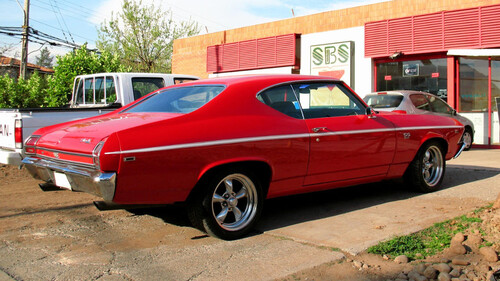
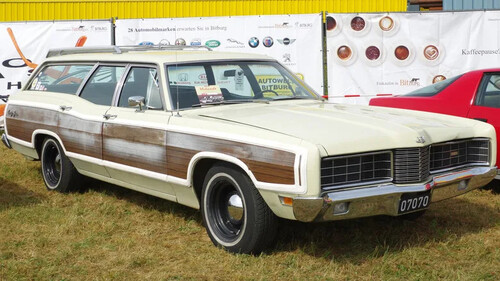
The 1968 Ford XL GT is often overlooked in the classic muscle car arena, quietly boasting impressive big-block power under its stylish exterior. With its unique blend of performance and elegance, this model deserves more recognition among muscle car enthusiasts. As we explore the various features and historical context surrounding the XL GT, its hidden prowess will undoubtedly come to light. The Ford XL GT: An Overview The Ford XL GT emerged in 1968 as part of the Ford Galaxie lineup, a series that had been around since the late 1950s. The Galaxie was Ford’s flagship full-size car, known for its spacious interior and smooth ride. The addition of the GT package introduced a sportier edge to the model, marking a significant shift during the height of the muscle car era. The XL GT offered a compelling blend of style and performance, appealing to those who wanted more than just a family sedan. The GT package included a range of enhancements that set the XL GT apart from its predecessors. It featured a more aggressive stance, with subtle design cues like unique badging and improved aerodynamics. The exterior design included sleek body lines that gave it a sophisticated yet sporty appearance. With a variety of vibrant colors available, including classic shades like Candy Apple Red and Gulfstream Aqua, the XL GT captured the essence of 1960s automotive design while exuding an air of understated elegance. Performance Features of the 1968 Model Under the hood, the 1968 Ford XL GT offered engine options that emphasized its muscle car credentials. The standout was the big-block V8, available in two configurations: the 390 cubic inch and the more powerful 428 cubic inch engine. The 390 produced a respectable 320 horsepower, while the 428, with its performance enhancements, churned out a whopping 345 horsepower. These numbers positioned the XL GT favorably against its contemporaries, such as the Chevrolet Chevelle and the Plymouth Road Runner, which were known for their raw power and performance. Performance metrics highlighted the XL GT’s capabilities on the road. With a 0-60 mph time of around 7 seconds, it wasn’t the fastest car on the block, but it provided a smooth and comfortable ride that many muscle cars lacked. The GT-specific performance enhancements included upgraded suspension and brakes, ensuring better handling and stopping power. This balance of comfort and performance made the XL GT a versatile choice for daily driving or weekend cruising. The Quiet Power of the Big-Block Engine The big-block engine was a marvel of engineering for its time. The 390 cubic inch engine featured a 4-barrel carburetor that optimized fuel delivery, enhancing both power and efficiency. The 428, often referred to as the “Cobra Jet” engine in other Ford models, delivered a thrilling driving experience with its robust torque and acceleration. This engine was designed not just for raw power but also for drivability, making it suitable for a range of driving conditions. Compared to other high-performance engines of the late 1960s, the XL GT’s big-blocks held their ground. While engines like the Chevrolet 396 or the Pontiac 400 were vying for supremacy, the Ford V8s showcased a unique blend of performance and reliability. The engineering behind these engines focused on a balance of comfort and power, allowing drivers to enjoy a spirited drive without sacrificing comfort or reliability, which was a common concern among muscle car enthusiasts of that era. Aesthetic Appeal: Design and Features The aesthetic appeal of the 1968 Ford XL GT is undeniable. Its exterior styling combined classic muscle car elements with the sophistication of full-size sedans. The long hood and short rear deck created a dynamic profile, while the chrome accents and distinctive grille added to its allure. Ford offered a variety of color options, ensuring that buyers could find a finish that suited their personal style, from bold reds to more subdued pastels. Inside, the XL GT was equally impressive, featuring a spacious cabin adorned with quality materials. The seats were designed for comfort, making long drives a pleasure rather than a chore. Unique features like the GT-specific gauge cluster and upgraded audio system further enhanced the driving experience. In an era when many muscle cars prioritized performance over comfort, the XL GT stood out for its thoughtful design choices, which contributed to its lasting legacy among enthusiasts. The XL GT’s Place in Muscle Car History In the broader context of the late 1960s muscle car movement, the Ford XL GT holds a unique position. While many models flaunted aggressive styling and raw power, the XL GT maintained an air of sophistication that set it apart. It was not just another muscle car; it was a statement of elegance and performance. Unlike the Chevrolet Chevelle, which leaned heavily into the muscle car aesthetic, the XL GT offered a more refined approach, appealing to buyers seeking both style and substance. Comparing the XL GT to contemporaries like the Chevrolet Chevelle and the Plymouth Road Runner reveals its understated nature. While those models were often aggressive in design and marketing, the XL GT took a quieter approach, allowing its performance to speak for itself. This subtlety contributed to its unique status in muscle car culture, attracting collectors and enthusiasts who appreciate cars that blend power with elegance. The Collectibility of the 1968 Ford XL GT The current market value of the 1968 Ford XL GT is influenced by several factors, including its rarity and desirability among collectors. While models like the Mustang and Camaro often steal the spotlight, the XL GT has a dedicated following that recognizes its unique charm and performance. Well-preserved examples can command prices that reflect their historical significance and the quality of their engineering. Collectors often seek out the XL GT for its rarity, particularly special variants like the 1-of-1 convertible that recently captured attention in the automotive community. These unique models not only represent a specific time in Ford’s history but also embody the spirit of American muscle cars. Restorations of these cars often emphasize preserving original features while enhancing performance, making them valuable assets for collectors and enthusiasts alike. Anecdotes and Experiences from Owners Current and past owners of the 1968 Ford XL GT often share personal stories that highlight the car’s character and driving experience. Many enthusiasts appreciate the car’s blend of power and comfort, making it a joy to drive on both highways and winding roads. Owners frequently mention the thrill of accelerating from a stop, the smooth delivery of power, and the comfortable ride that doesn’t compromise on performance. Community events and online forums dedicated to the Ford XL GT provide a platform for enthusiasts to connect and share their experiences. Whether attending car shows or participating in local meetups, the camaraderie among owners is palpable. This sense of community not only keeps the model alive but also fosters a deeper appreciation for its unique place in automotive history. Maintenance and Restoration Tips For those fortunate enough to own a 1968 Ford XL GT, maintaining the vehicle can present its challenges. Common issues faced by owners often include rust, electrical problems, and sourcing original parts. It’s essential to address these issues promptly to preserve the car’s integrity and performance. Regular maintenance checks can help identify potential problems before they escalate, ensuring a long and enjoyable ownership experience. Sourcing parts for restoration projects can be daunting, as some components may be difficult to find. However, numerous online resources and specialty shops cater to classic Ford enthusiasts. Websites like AutoEvolution provide valuable insights into specific parts and restoration techniques. Additionally, joining online forums can connect you with other owners who have faced similar challenges, providing a wealth of knowledge and support for your restoration efforts. Future Prospects for the Ford XL GT As interest in vintage muscle cars continues to grow, the future prospects for the 1968 Ford XL GT appear bright. With its unique combination of performance, style, and history, the model is likely to see increased appreciation in the classic car market. Collectors and enthusiasts are beginning to recognize the value of cars that offer something different, and the XL GT fits this bill perfectly. Online communities and social media platforms play a crucial role in keeping the legacy of the Ford XL GT alive. Enthusiasts can share their experiences, restoration projects, and tips with a broader audience, fostering a renewed interest in this often-overlooked model. As more people discover the charm and capabilities of the XL GT, it stands poised to secure its place in the pantheon of classic American muscle cars. More from Fast Lane OnlyUnboxing the WWII Jeep in a Crate15 rare Chevys collectors are quietly buying10 underrated V8s still worth hunting downPolice notice this before you even roll window down